
Getting through a SOC 2 Type 2 audit can seem like a massive challenge, especially when every missed detail could impact trust with clients. Shockingly, over 65 percent of companies fail their first attempt at a SOC 2 audit due to unclear documentation or incomplete controls. Yet most teams spend their energy scrambling at the last minute instead of setting up a solid plan from the start. The real secret lies in a step-by-step approach that not only uncovers hidden gaps but also builds confidence every step of the way.
The table below gives an overview of each main step involved in the SOC 2 Type 2 audit compliance process, including the purpose and key outcome of each stage.
| Step Number | Process Step | Purpose | Key Outcome |
|---|---|---|---|
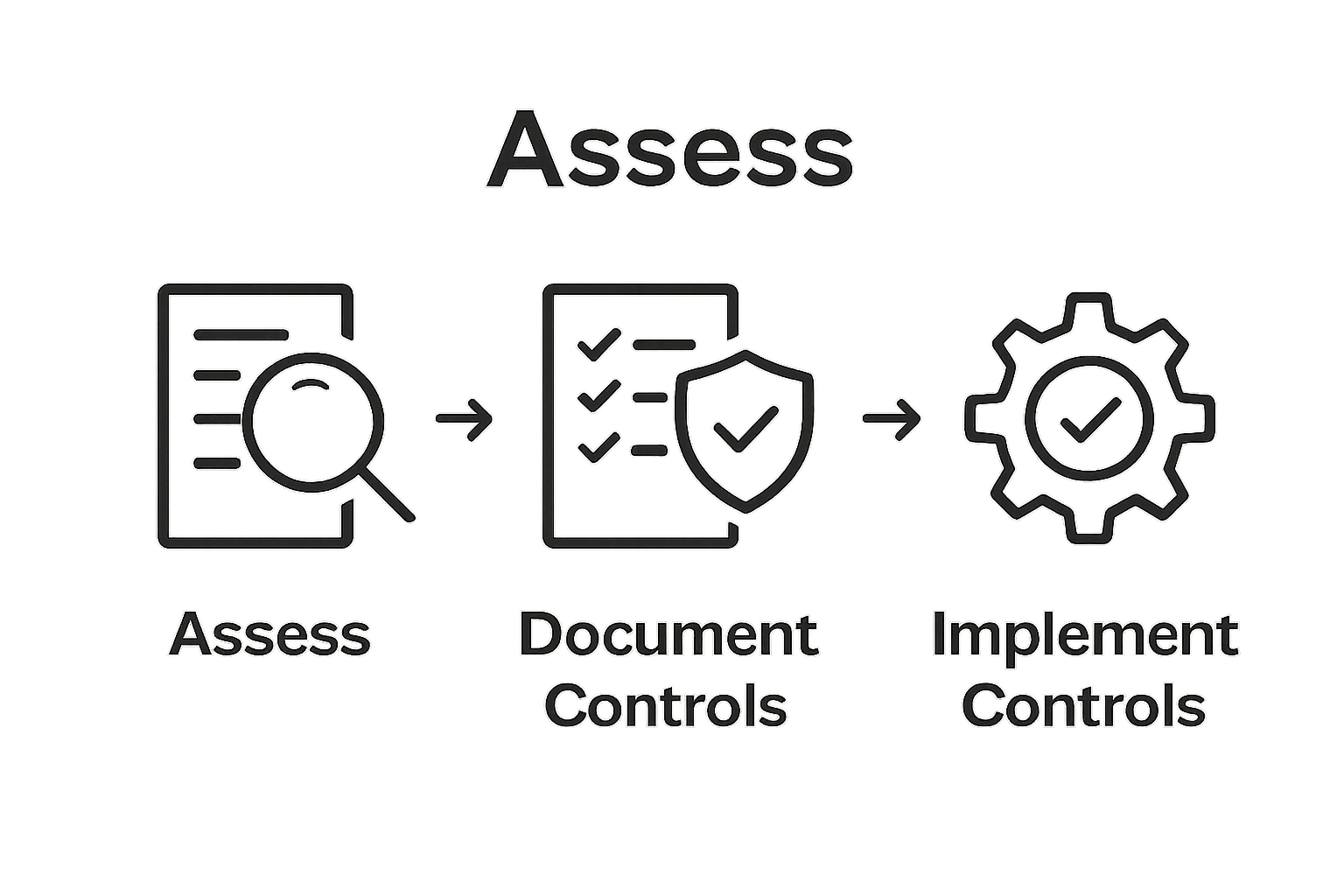
| 1 | Assess Current Compliance Status | Review and document current controls | Baseline understanding of posture |
| 2 | Identify and Document Required Controls | Map and describe needed controls | Comprehensive control documentation |
| 3 | Implement Controls to Meet Criteria | Deploy technical and administrative safeguards | Functional, evidence-backed controls |
| 4 | Conduct Internal Audit and Risk Assessment | Test effectiveness and identify vulnerabilities | Internal audit report and risk map |
| 5 | Engage an Independent Auditor | Get third-party review and validation | Independent SOC 2 audit report |
| 6 | Review Final Report and Address Findings | Remediate issues and plan future improvements | Strengthened, ongoing compliance |
Table of Contents
- Step 1: Assess Current Compliance Status
- Step 2: Identify and Document Required Controls
- Step 3: Implement Controls to Meet Criteria
- Step 4: Conduct Internal Audit and Risk Assessment
- Step 5: Engage an Independent Auditor
- Step 6: Review Final Report and Address Findings
Quick Summary
| Key Point | Explanation |
|---|---|
| 1. Assess Current Compliance Status | Conduct a thorough internal audit of security controls to identify strengths and gaps. |
| 2. Identify and Document Required Controls | Map existing security controls to SOC 2 criteria with precise documentation. |
| 3. Implement Controls Effectively | Deploy technical and administrative safeguards based on prioritized risk assessment. |
| 4. Conduct Internal Audit and Risk Assessment | Perform a systematized internal audit to evaluate control effectiveness and risks. |
| 5. Address Findings from the Final Report | Develop a structured remediation plan to efficiently address audit findings and improve security. |
Step 1: Assess Current Compliance Status
Assessing your current SOC 2 Type 2 audit compliance status represents the foundational first step in your journey toward achieving robust security certification. This critical evaluation provides a comprehensive snapshot of your existing security controls, identifying strengths and potential gaps that require strategic remediation.
Begin by conducting a thorough internal audit of your organization's current security infrastructure. This means comprehensively examining your existing policies, procedures, and technical controls across critical domains like data protection, access management, system configuration, and operational security. Key focus areas include reviewing authentication mechanisms, encryption protocols, vendor management processes, and incident response frameworks.
To execute this assessment effectively, engage cross-functional teams including IT, security, legal, and compliance departments. Their collective insights will provide a nuanced understanding of your current security posture. Utilize established assessment frameworks like the AICPA SOC 2 Trust Services Criteria to systematically evaluate your controls against recognized industry standards.
Documentation becomes paramount during this stage. Create a detailed inventory of existing security controls, mapping them explicitly to SOC 2 requirements. This documentation will serve as a critical reference point for identifying improvement areas and demonstrating compliance during the actual audit.
Below is a summary table outlining the essential documentation components you should prepare for SOC 2 Type 2 audit readiness, based on areas discussed in the assessment and documentation phases.
| Documentation Component | Purpose/Description | Primary Owner |
|---|---|---|
| Comprehensive Policy Documentation | Outlines security, data protection, and compliance requirements | Compliance/Legal |
| Technical Control Configuration Records | Tracks configurations for security controls and systems | IT/Security |
| Access Management Logs | Documents user access and modifications to sensitive data | IT/Security |
| Incident Response and Management Records | Records actions taken during and after security incidents | Security/IT |
| Vendor Risk Management Processes | Evaluates and manages third-party risk | Compliance/Procurement |
| Security Awareness Training Records | Documents participation in staff security training | HR/Security |
| Evidence Collection Mechanisms | Provides audit trails and proof of control effectiveness | Compliance/Security |
- Comprehensive policy documentation
- Technical control configuration records
- Access management logs
- Incident response and management records
Consider engaging an external compliance consultant or using specialized compliance assessment tools that can provide an objective evaluation of your current status. These professionals can offer insights into potential blind spots and recommend targeted improvements before your formal SOC 2 Type 2 audit. Read more about our guide on understanding SOC 2 compliance for additional context and strategic recommendations.
Successful completion of this assessment phase means having a clear, documented understanding of your current security controls, identified improvement areas, and a strategic roadmap for achieving SOC 2 Type 2 compliance.
Step 2: Identify and Document Required Controls
Identifying and documenting required controls forms the strategic blueprint of your SOC 2 Type 2 audit preparation. This critical phase transforms your initial compliance assessment into a structured framework of security mechanisms that demonstrate your commitment to protecting client data and maintaining robust operational standards.
The Trust Services Criteria provide the foundational guidance for control selection, encompassing five key principles: security, availability, processing integrity, confidentiality, and privacy. Your documentation must comprehensively map controls to these principles, creating a clear narrative of your organizational security approach. This means developing precise, actionable control descriptions that not only meet compliance requirements but also reflect your specific operational environment.
Begin by conducting a granular mapping exercise that connects your existing security infrastructure with specific SOC 2 control requirements. This involves translating technical safeguards and operational procedures into clear, auditable control statements. Focus on creating documentation that is both technically precise and comprehensible to external auditors. Key documentation elements should include detailed descriptions of control objectives, implementation methodologies, responsible personnel, and evidence collection mechanisms.
Engaging cross-functional teams becomes crucial during this documentation process. Security professionals, IT managers, legal experts, and compliance specialists must collaboratively develop control narratives that accurately represent your organization's security practices. Explore our guide on security questionnaire best practices to understand effective documentation strategies.
Your control documentation should anticipate potential audit scrutiny by providing clear, verifiable evidence of implementation. This means developing robust logging mechanisms, maintaining comprehensive policy documentation, and establishing transparent processes for monitoring and updating security controls.
Essential control documentation components include:
- Detailed security policy frameworks
- Access management protocols
- Incident response procedures
- Data protection and encryption strategies
- Vendor risk management processes
Successful completion of this step means having a comprehensive, well-structured documentation set that clearly articulates your organization's security controls, mapping them directly to SOC 2 Trust Services Criteria and demonstrating a proactive approach to information protection.
Step 3: Implement Controls to Meet Criteria
Implementing controls represents the critical translation of your compliance strategy from theoretical documentation into practical, operational security mechanisms. This step demands a systematic approach to deploying technical, administrative, and procedural safeguards that comprehensively address the SOC 2 Type 2 audit requirements.
Begin by prioritizing control implementation based on the risk assessment and documentation completed in previous steps. Prioritization should focus on controls with the most significant impact on data protection and operational integrity. This means creating a phased implementation strategy that allows for incremental improvements and minimizes potential disruption to existing business processes.
Technical control implementation requires careful integration with your existing technological infrastructure. Focus on developing robust access management systems, implementing multi-factor authentication, establishing encryption protocols, and creating comprehensive network segmentation strategies. These technical controls form the foundation of your security framework, demonstrating a proactive approach to protecting sensitive information.
Administrative controls demand equally meticulous attention. Develop and enforce comprehensive security policies, create clear incident response protocols, and establish ongoing employee training programs. Organizational culture becomes a critical component of control implementation, requiring consistent communication and engagement from leadership across all levels.
Some critical implementation strategies include:
-
Conducting comprehensive staff security awareness training
-
Implementing automated monitoring and logging systems
-
Establishing vendor risk management frameworks
-
Creating clear escalation and incident response procedures
Learn more about security assessment strategies to enhance your implementation approach. Consider engaging external cybersecurity consultants who can provide objective insights and help validate your control implementation strategy.
Verification becomes crucial during this implementation phase.
Develop a robust testing methodology that systematically validates each control's effectiveness. This means creating detailed test scripts, conducting regular internal audits, and maintaining comprehensive documentation of control performance and any identified improvement opportunities.
Successful control implementation is characterized by seamless integration with existing business processes, demonstrable effectiveness in protecting organizational assets, and the ability to consistently meet the stringent requirements of the SOC 2 Type 2 audit criteria.
Step 4: Conduct Internal Audit and Risk Assessment
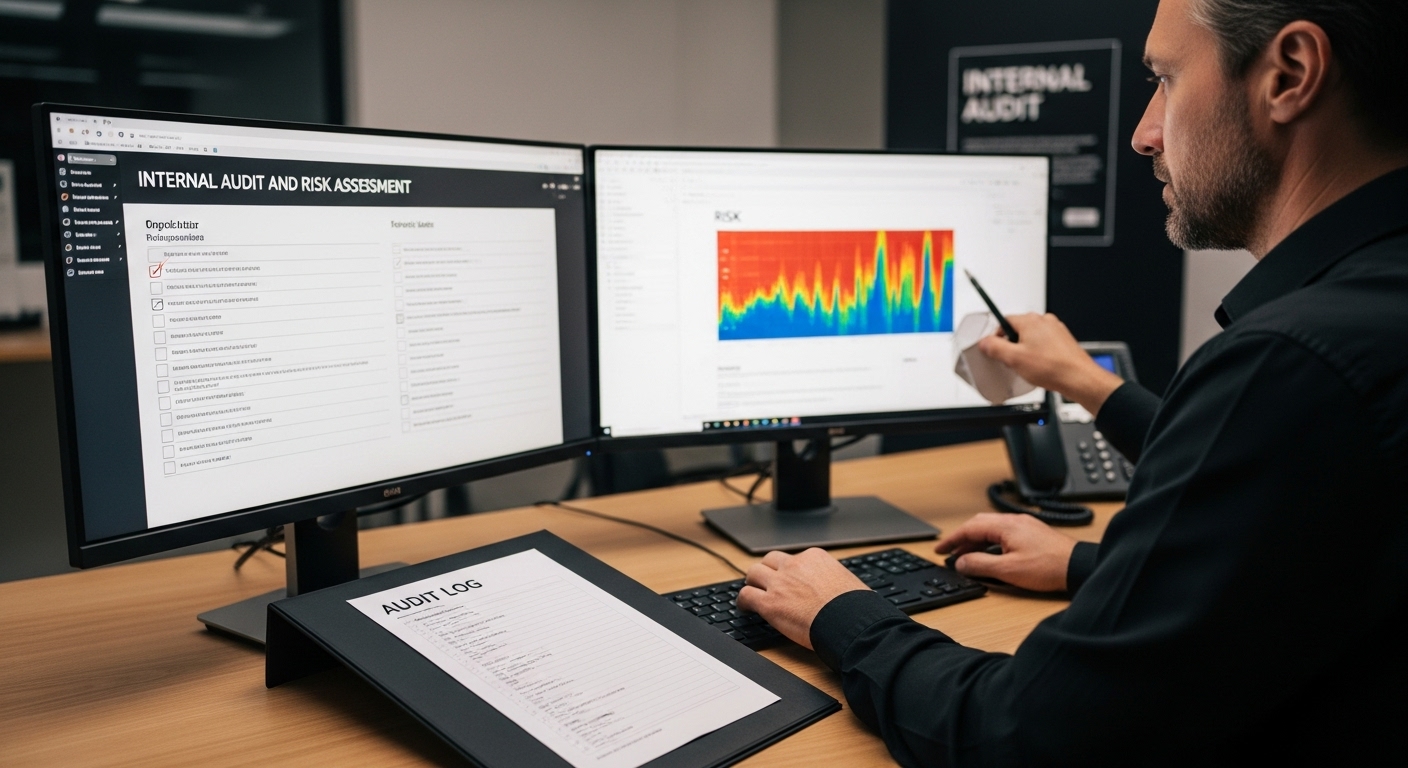
Conducting a comprehensive internal audit and risk assessment represents a pivotal milestone in your SOC 2 Type 2 audit preparation journey. This critical step transforms your implemented controls into a rigorously evaluated security framework, identifying potential vulnerabilities and ensuring alignment with SOC 2 compliance requirements.
The internal audit process demands a systematic, objective examination of your organization's security controls, moving beyond surface-level assessments to uncover nuanced risks and potential improvement areas. Engage a cross-functional team that includes internal security professionals, compliance experts, and potentially external consultants to ensure a comprehensive and unbiased evaluation.
Begin by developing a detailed audit methodology that comprehensively tests each control implemented in previous stages. This means creating specific testing scenarios that challenge your security mechanisms, simulating potential real-world attack vectors and operational scenarios. Focus on verifying not just the existence of controls, but their consistent and effective implementation across your entire organizational ecosystem.
Risk assessment becomes the complementary component of this evaluation process. Conduct a thorough analysis that quantifies and prioritizes potential security risks, mapping them against your existing control framework. Explore our comprehensive guide to third-party vendor risk assessment to understand advanced risk evaluation techniques that can enhance your approach.
Key elements of an effective internal audit and risk assessment include:
-
Comprehensive control performance testing
-
Detailed documentation of audit findings
-
Risk scoring and prioritization methodology
-
Identification of potential improvement opportunities
Evaluate your controls against multiple dimensions, including technical effectiveness, operational efficiency, and alignment with SOC 2 Trust Services Criteria. Pay special attention to areas like access management, data protection mechanisms, incident response protocols, and vendor management processes.
Documentation emerges as a critical output of this phase. Create detailed audit reports that not only highlight findings but provide clear, actionable recommendations for addressing identified risks. These reports will serve as essential evidence during the formal SOC 2 Type 2 audit, demonstrating your organization's proactive approach to security and compliance.
Successful completion of the internal audit and risk assessment means having a comprehensive understanding of your security posture, a clear roadmap for addressing potential vulnerabilities, and robust documentation that showcases your commitment to maintaining the highest standards of information protection.
Step 5: Engage an Independent Auditor
Engaging an independent auditor represents the culmination of your SOC 2 Type 2 compliance preparation, transforming your internal efforts into an officially validated security framework. This step requires strategic selection and collaboration with a qualified, experienced auditing firm that specializes in SOC 2 assessments.
Selecting the right auditor becomes a critical decision that will significantly impact the outcome of your compliance process. Begin by researching certified public accounting firms with specific expertise in SOC 2 audits. Look for auditors who demonstrate deep understanding of your industry, technological infrastructure, and specific compliance requirements. Consider factors beyond technical expertise, including the auditor's reputation, communication style, and ability to provide constructive insights.
Initiate the engagement process by preparing a comprehensive information package that outlines your organization's security controls, previous internal audit findings, and existing documentation. This preparation demonstrates your commitment to transparency and helps the independent auditor efficiently conduct their assessment. Read our guide on understanding SOC 2 AICPA compliance to gain deeper insights into the audit preparation process.
The audit process typically involves multiple stages, including an initial planning meeting, comprehensive documentation review, on-site or remote testing of controls, and detailed evidence gathering. Prepare your team for extensive collaboration, which may involve providing access to systems, responding to detailed questionnaires, and participating in interviews that validate your security practices.
Key considerations when engaging an independent auditor include:
-
Verifying the auditor's AICPA certification
-
Checking references from similar organizations
-
Understanding their specific SOC 2 audit methodology
-
Clarifying communication and reporting expectations
Budget and timing represent important practical considerations. SOC 2 Type 2 audits typically range from several weeks to a few months, depending on the complexity of your organization's systems and the depth of assessment required. Discuss potential timelines, costs, and any additional requirements upfront to ensure alignment with your organizational goals.
Successful engagement means establishing a collaborative relationship with an auditor who can provide an objective, thorough assessment of your security controls. The final audit report will not only validate your compliance efforts but also offer valuable recommendations for continuous improvement of your security infrastructure.
Step 6: Review Final Report and Address Findings
Reviewing the final SOC 2 Type 2 audit report represents a crucial moment in your compliance journey, transforming audit findings into actionable improvements for your organization's security infrastructure. This step demands a strategic, systematic approach to understanding and responding to the independent auditor's comprehensive assessment.
Careful and thorough analysis of the audit report becomes paramount. Begin by assembling a cross-functional team including leadership from IT, security, compliance, and relevant operational departments. This collaborative approach ensures a comprehensive understanding of the findings and facilitates development of robust remediation strategies.
Carefully examine each identified control weakness or potential vulnerability with a critical eye. The audit report will typically provide detailed insights into specific areas requiring improvement, ranging from technical control implementations to procedural documentation gaps. Prioritize findings based on their potential risk impact, focusing first on issues that could significantly compromise your organization's security posture.
Develop a structured remediation plan that includes specific, time-bound actions for addressing each finding. Create a detailed tracking mechanism that assigns clear ownership, establishes precise timelines, and provides mechanisms for ongoing progress monitoring. Learn more about developing comprehensive security assessment strategies to enhance your remediation approach.
Key elements of an effective remediation strategy include:
-
Precise action items for each identified finding
-
Clear responsibility assignments
-
Specific implementation timelines
-
Mechanisms for tracking and validating improvements
According to NIST security guidelines, swiftly addressing audit findings demonstrates an organization's commitment to continuous security improvement. This approach not only mitigates immediate risks but also establishes a proactive culture of ongoing security enhancement.
Document your remediation efforts comprehensively, creating a detailed record that demonstrates your organization's responsiveness and commitment to maintaining robust security controls. Maintain open communication with the original auditing firm, potentially requesting guidance or validation of your proposed improvements.
Successful completion of this step means having a clear, actionable roadmap for addressing audit findings, with a structured approach to implementing improvements that strengthen your overall security infrastructure and prepare your organization for future compliance assessments.
Ready to Accelerate Your SOC 2 Type 2 Journey?
Struggling with endless documentation, fragmented team efforts, and the pressure of tight timelines as you prepare for your SOC 2 Type 2 audit? Skypher understands how critical it is to achieve flawless compliance while minimizing operational roadblocks. Our platform is designed to help organizations not only document and implement controls with absolute precision but also automate responses and streamline collaboration across every stage of your audit readiness process. Say goodbye to manual, error-prone work and experience a faster, more confident audit preparation.
Unlock the peace of mind that comes from knowing your risk assessments, internal audits, and security questionnaires are handled with powerful AI-driven accuracy. Instantly upload and parse your documentation in any file format. Respond to even the most complex vendor security reviews in minutes with proprietary tools trusted by leading tech and finance teams. Discover how Skypher can help you confidently map SOC 2 Trust Services Criteria, centralize your evidence, and keep your team focused on what matters.
Visit Skypher's main site now and see how our AI Questionnaire Automation Tool can boost your audit compliance and free you to focus on growth. Stop struggling with compliance complexity. Take control of your SOC 2 journey today.
Frequently Asked Questions
What is a SOC 2 Type 2 audit?
A SOC 2 Type 2 audit is an evaluation of a service organization’s controls relevant to security, availability, processing integrity, confidentiality, and privacy over a specified period. It assesses how effectively an organization implements and maintains its security measures during that time.
How do I assess my current compliance status for SOC 2 Type 2?
Begin by conducting an internal audit of your organization’s security infrastructure, reviewing your existing policies and technical controls. Engage cross-functional teams to gain insights, utilize the AICPA SOC 2 Trust Services Criteria for guidance, and document your findings accurately.
What key components should be documented for SOC 2 compliance?
Essential documentation should include comprehensive policy frameworks, technical control records, access management logs, incident response protocols, and evidence of control effectiveness linked directly to SOC 2 Trust Services Criteria.
Why is it important to engage an independent auditor for SOC 2 Type 2 compliance?
An independent auditor provides an objective assessment of your security controls, validates compliance efforts, and offers insights for improvement. Their expertise helps ensure that your organization meets industry standards and strengthens its overall security posture.