

Managing vendor relationships can quickly turn complex when security and compliance are on the line. With evolving regulatory pressures and growing risk exposure, organizations must put clarity and structure at the heart of vendor oversight. This guide offers systematic vendor management practices drawn from leading institutions like Columbia University and Stanford University, guiding CISOs and compliance managers through actionable steps to safeguard data, streamline supplier evaluation, and optimize security questionnaire workflows.
Table of Contents
- Step 1: Define Vendor Management Objectives and Roles
- Step 2: Build a Centralized Vendor Information System
- Step 3: Standardize and Automate Security Questionnaire Workflows
- Step 4: Implement Continuous Risk Monitoring and Collaboration
- Step 5: Verify Vendor Compliance and Optimize Improvements
Quick Summary
| Key Takeaway | Explanation |
|---|---|
| 1. Clearly Define Objectives and Roles | Establish goals like reducing risks and optimizing vendor performance to guide effective management. |
| 2. Centralize Vendor Information | Create a secure repository for vendor data to streamline management and enhance oversight. |
| 3. Automate Security Questionnaires | Implement automation to reduce response times and errors in security assessments significantly. |
| 4. Monitor Risks Continuously | Develop a real-time risk tracking system to proactively address potential vendor issues. |
| 5. Verify Compliance Regularly | Conduct audits and establish feedback mechanisms to ensure vendors continually improve and meet expectations. |
Step 1: Define Vendor Management Objectives and Roles
Successfully defining vendor management objectives and roles is fundamental to creating a robust, secure operational framework. This critical step establishes clear expectations, responsibilities, and strategic alignment for managing external suppliers and partnerships.
To effectively define vendor management objectives, organizations must take a systematic approach that encompasses several key components. Start by identifying the primary goals of your vendor relationships, which typically include reducing operational risks, maintaining compliance standards, and optimizing overall vendor performance. These objectives should align closely with your organization's broader strategic mission.
Key steps in defining objectives and roles include:
- Conduct a comprehensive assessment of current vendor landscape
- Determine specific organizational requirements and risk tolerance
- Map out detailed roles and responsibilities for vendor management team
- Establish clear communication protocols and escalation pathways
When establishing vendor management roles, organizations should create a structured framework that clearly delineates responsibilities. Stanford's Vendor Management team demonstrates how effective role definition can support campus-wide procurement and strategic vendor relationships. Typical roles might include vendor selection specialists, contract negotiators, risk assessment managers, and ongoing performance reviewers.
Successful vendor management requires precise role definition and continuous strategic alignment.
Establishing these objectives and roles creates a foundation for transparent, accountable vendor interactions that protect your organization's interests and optimize operational efficiency.
Here's a summary of key vendor management roles and their responsibilities:
| Role | Main Responsibility | Strategic Benefit |
|---|---|---|
| Vendor Selection Specialist | Evaluate and choose suitable vendors | Provides strategic sourcing |
| Contract Negotiator | Manage contracts and terms | Secures favorable agreements |
| Risk Assessment Manager | Identify and evaluate vendor risks | Improves security posture |
| Performance Reviewer | Monitor ongoing vendor effectiveness | Drives continuous improvement |
Pro Tip: Develop a comprehensive vendor management charter that explicitly outlines objectives, roles, and performance expectations to ensure clear organizational alignment.
Step 2: Build a Centralized Vendor Information System
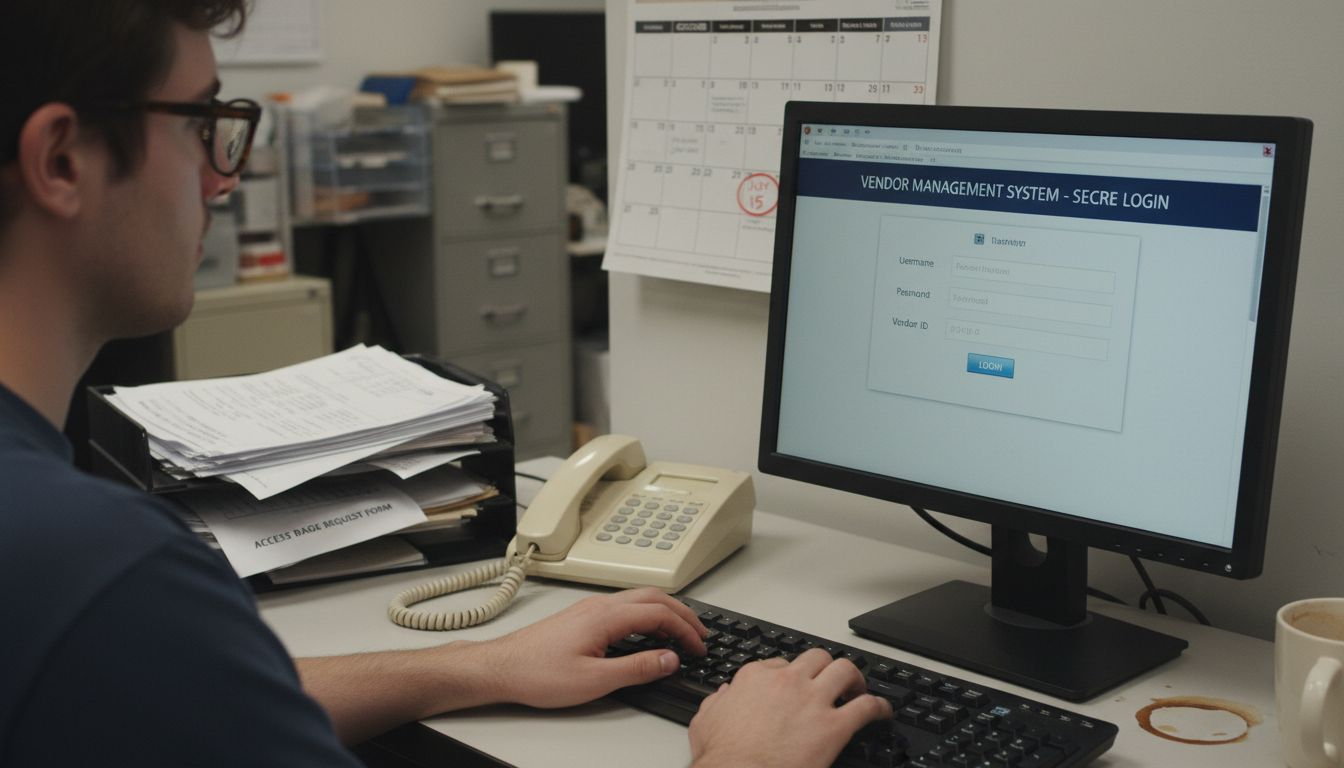
Creating a centralized vendor information system is a critical strategy for streamlining vendor management, ensuring data integrity, and maintaining comprehensive organizational oversight. This systematic approach allows companies to consolidate vendor data, track performance, and manage risks effectively.
To build an effective centralized system, start by identifying all current vendor touchpoints and data repositories within your organization. Emory University's centralized approach demonstrates how institutions can create robust vendor management frameworks. The core components of a successful vendor information system include:
- Establish a single, secure digital repository for all vendor records
- Implement standardized data collection and verification processes
- Create comprehensive vendor profiles with key performance indicators
- Develop automated compliance screening mechanisms
- Enable secure self-service portals for vendor profile management
Key technical considerations for your centralized system involve selecting appropriate technology platforms that support secure data integration, real-time updates, and comprehensive reporting capabilities. Ensure the system includes robust authentication protocols and access controls to protect sensitive vendor information.
A centralized vendor information system transforms fragmented data management into a strategic organizational asset.
Organizations must also design clear protocols for ongoing vendor data maintenance, including regular verification, performance reviews, and compliance checks. This approach helps mitigate risks and maintains the system's accuracy and reliability.
Pro Tip: Implement role-based access controls and regular data audits to maintain the integrity and security of your centralized vendor information system.
Step 3: Standardize and Automate Security Questionnaire Workflows
Transforming security questionnaire processes from manual, time-consuming tasks to efficient, streamlined workflows is critical for modern cybersecurity teams. By implementing strategic standardization and automation, organizations can significantly reduce response times, minimize errors, and enhance overall security assessment accuracy.
W3C's security questionnaire framework demonstrates how systematic approaches can create consistent evaluation methodologies. The key steps to standardize and automate security questionnaire workflows include:
- Develop a comprehensive template library with predefined response categories
- Implement centralized knowledge management systems
- Create clear guidelines for response formatting and content
- Integrate machine learning algorithms for intelligent response suggestions
- Establish version control and audit tracking mechanisms
Successful workflow automation requires strategic technology selection and robust integration capabilities. Organizations should focus on platforms that offer real-time collaboration and intelligent response generation. Technical considerations involve selecting tools that can seamlessly integrate with existing security infrastructure and support multiple questionnaire formats.
Standardization transforms security questionnaires from administrative burdens into strategic organizational assets.
By adopting a systematic approach to questionnaire management, companies can dramatically reduce the time and resources spent on manual review processes while maintaining high standards of security and compliance.
Compare the impact of manual vs. automated security questionnaire workflows:
| Workflow Type | Average Response Time | Error Likelihood | Security Assessment Accuracy |
|---|---|---|---|
| Manual | 5-10 days | High | Inconsistent |
| Automated | 1-2 days | Low | Reliable and standardized |
Pro Tip: Regularly update your automated workflows with emerging security best practices to ensure continuous improvement and adaptability.
Step 4: Implement Continuous Risk Monitoring and Collaboration
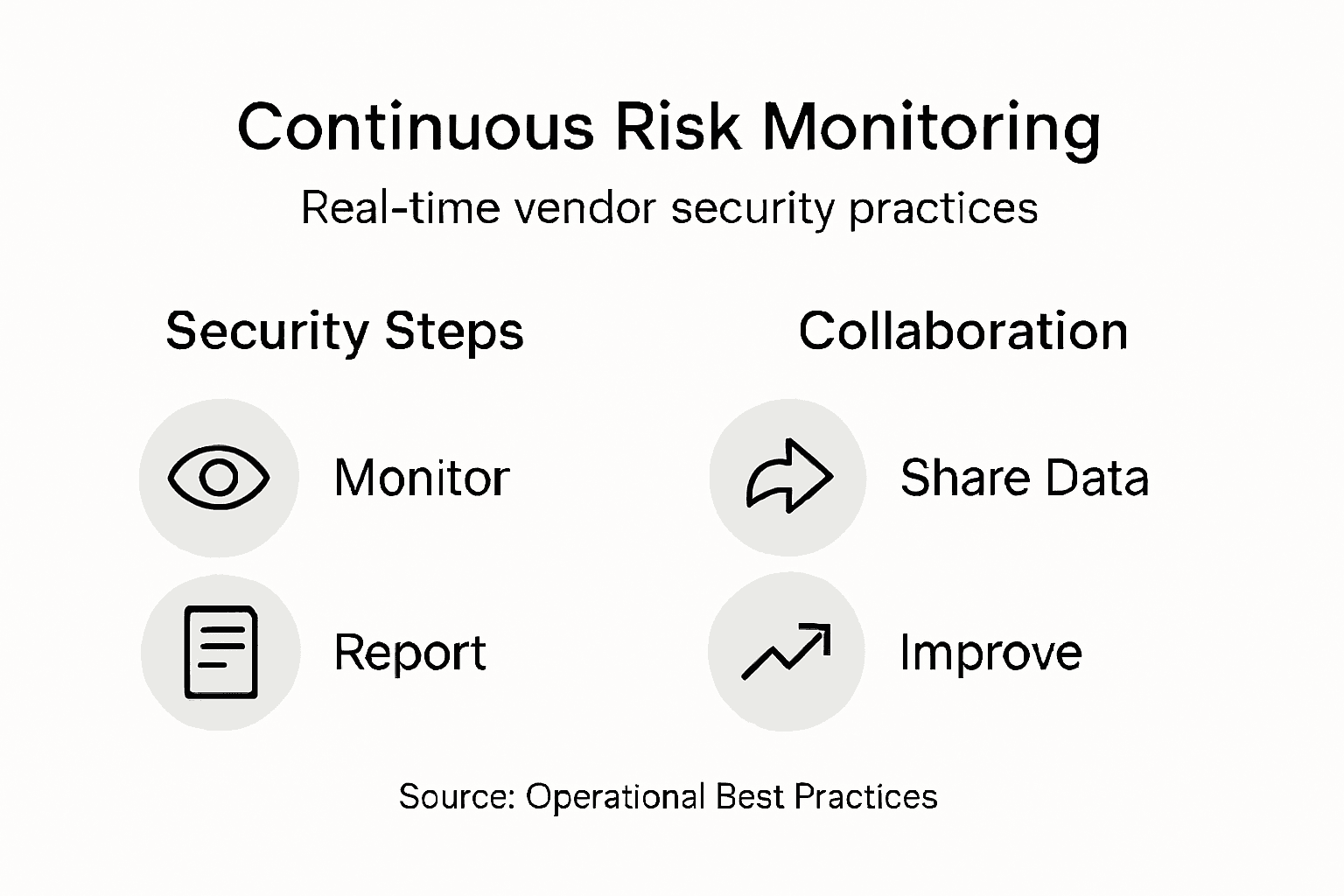
Continuous risk monitoring transforms vendor management from a static compliance exercise into a dynamic, proactive approach to organizational security. By establishing systematic tracking and collaborative processes, companies can anticipate potential risks before they escalate and develop responsive mitigation strategies.
Continuous risk monitoring techniques require comprehensive strategies that integrate real-time data collection and cross-functional communication. The key components of an effective continuous risk monitoring framework include:
- Establish real-time risk tracking dashboards
- Create cross-functional communication channels
- Develop automated risk alert mechanisms
- Implement regular vendor performance assessments
- Build scalable incident response protocols
Successful implementation demands strategic technological integration and collaborative organizational culture. Organizations should prioritize platforms that enable seamless data sharing and transparent risk assessment. This approach requires breaking down traditional departmental silos and fostering an environment of open communication and proactive risk management.
Continuous risk monitoring transforms potential vulnerabilities into opportunities for strategic improvement.
By adopting a holistic and dynamic approach to vendor risk management, companies can create resilient systems that adapt quickly to emerging challenges and maintain robust security postures.
Pro Tip: Integrate machine learning and predictive analytics into your risk monitoring processes to identify potential vendor risks before they become critical issues.
Step 5: Verify Vendor Compliance and Optimize Improvements
Successful vendor management requires a systematic approach to verifying compliance and driving continuous improvement. This critical phase transforms vendor relationships from transactional interactions into strategic partnerships that evolve and adapt to organizational needs.
Vendor performance evaluation systems enable organizations to track key performance indicators and identify opportunities for enhancement. The comprehensive compliance verification process should encompass multiple strategic dimensions:
- Conduct rigorous periodic vendor audits
- Develop quantitative performance measurement frameworks
- Establish clear compliance benchmarks and expectations
- Create structured feedback mechanisms
- Implement data-driven continuous improvement protocols
Successful verification demands robust documentation, transparent communication, and objective assessment criteria. Organizations must design evaluation processes that go beyond checklist compliance, focusing on strategic alignment and mutual value creation. This approach transforms vendor management from a risk mitigation exercise into a collaborative optimization strategy.
Effective vendor compliance verification is not about punishment, but about mutual growth and performance enhancement.
By implementing systematic verification and improvement processes, companies can build resilient vendor ecosystems that consistently deliver value and maintain high performance standards.
Pro Tip: Develop a dynamic vendor scorecard that weights compliance metrics, performance indicators, and strategic alignment to create a comprehensive evaluation framework.
Streamline Vendor Security and Compliance with Skypher's AI Automation Tools
The journey to best practices in vendor management hinges on clear objectives and seamless workflows. This article highlights challenges like managing security questionnaires, ensuring continuous risk monitoring, and verifying compliance—all critical to maintaining secure operations. Skypher addresses these pain points by offering an AI-powered Questionnaire Automation Tool designed to reduce response times, improve accuracy, and simplify collaboration across teams. Our platform integrates with over 40 third-party risk management systems to keep your vendor assessments consistent and your data centralized.

Take control of your vendor security process today. Visit Skypher to explore our AI-driven tools including the Questionnaire Automation Tool and discover how you can accelerate vendor management while enhancing compliance. Don’t wait—empower your organization with smarter, faster, and more secure vendor operations now.
Frequently Asked Questions
What are the key objectives of effective vendor management?
Effective vendor management objectives include reducing operational risks, maintaining compliance standards, and optimizing vendor performance. Identify where your vendor relationships can align with these goals to enhance your organizational efficiency.
How can I establish clear roles within my vendor management team?
To establish clear roles, map out detailed responsibilities for each member of your vendor management team. Create roles such as vendor selection specialists and performance reviewers to ensure effective collaboration and accountability.
What steps should I take to build a centralized vendor information system?
Start by creating a secure digital repository that consolidates all vendor records and implements standardized data collection processes. Regularly update vendor profiles to maintain accurate and reliable information, ensuring compliance and performance tracking.
How can I streamline security questionnaire workflows for vendors?
Standardize your security questionnaire processes by creating comprehensive templates and integrating automation tools. Aim to reduce average response times from several days to just 1-2 days through efficient workflow management.
What is continuous risk monitoring in vendor management?
Continuous risk monitoring involves systematically tracking vendor performance and potential risks in real-time. Implement risk tracking dashboards and automated alert mechanisms to proactively address issues before they escalate.
How should I verify vendor compliance and drive improvements?
Conduct rigorous periodic audits and establish clear performance benchmarks to verify vendor compliance. Use structured feedback mechanisms to create a dynamic improvement process, helping vendors align with your organizational goals.
Recommended
- What is Vendor Risk Management? Understanding Its Importance and Implementation
- Complete Guide to Vendor Management Policies
- Implement Vendor Management Programs for Optimal Risk Control
- Mitigate Vendor Management Risks Effectively in 2025
- Just in Time Delivery: Essential Guide for 2025 Success - ORNER