

Most american companies face rising pressure as regulations become more complex each year. In fact, compliance penalties have soared by over 44 percent in the past decade, putting both finances and reputations at risk. Streamlined compliance management software now gives organizations the tools to track, monitor, and prove regulatory adherence without being buried in paperwork. Understanding these advanced systems can help any american business stay ahead of evolving standards and avoid costly legal surprises.
Table of Contents
- Defining Compliance Management Software Systems
- Core Features and AI-Driven Capabilities
- Types and Industry Use Cases
- Integrations and Automation Benefits
- Risk Mitigation and Common Pitfalls
- Choosing the Right Solution for Your Organization
Key Takeaways
| Point | Details |
|---|---|
| Comprehensive Compliance Management | Compliance management software integrates automated processes and advanced technologies to enhance regulatory adherence and operational efficiency. |
| AI-Driven Capabilities | Modern platforms utilize AI to provide real-time monitoring, intelligent risk assessment, and predictive insights, transforming compliance into a proactive strategy. |
| Industry-Specific Solutions | Tailored compliance software addresses unique regulatory challenges across diverse sectors, ensuring effective management of complex requirements. |
| Strategic Selection Criteria | Selecting the right solution involves evaluating technical compatibility, regulatory coverage, scalability, and security to align with organizational needs. |
Defining Compliance Management Software Systems
Compliance management software systems are comprehensive technological solutions designed to help organizations systematically manage regulatory requirements, internal policies, and industry standards. These integrated frameworks combine advanced tools, automated processes, and robust internal controls that enable businesses to proactively monitor, track, and demonstrate ongoing regulatory adherence.
At its core, a compliance management system represents a strategic approach to governance that goes beyond simple rule-following. These sophisticated platforms help organizations identify potential risks, implement standardized procedures, and maintain comprehensive documentation that proves regulatory compliance. By leveraging advanced technologies like artificial intelligence and machine learning, modern compliance management software can automatically detect potential violations, generate real-time reports, and provide actionable insights that help prevent costly legal and financial consequences.
Key components of an effective compliance management software system typically include:
- Centralized policy and procedure documentation
- Automated risk assessment and monitoring tools
- Real-time compliance tracking and reporting
- Employee training and awareness modules
- Integrated audit trail and documentation management
- Customizable workflow and approval processes
Organizations across various industries recognize that manual compliance tracking is no longer sustainable in today's complex regulatory environment. GRC compliance software solutions offer a strategic approach to transforming compliance from a reactive administrative task into a proactive, data-driven organizational capability. These systems not only reduce potential legal risks but also enhance operational efficiency by streamlining complex regulatory requirements into manageable, transparent processes.
Core Features and AI-Driven Capabilities
Modern compliance management software has evolved far beyond traditional rule-tracking systems, integrating advanced artificial intelligence capabilities that transform how organizations approach regulatory adherence. AI-powered technologies are revolutionizing compliance functions by enabling sophisticated, real-time monitoring and intelligent risk management strategies that were previously impossible with manual processes.

The core capabilities of AI-driven compliance management software represent a quantum leap in regulatory technology. Continuous monitoring of regulatory changes allows organizations to instantly detect and respond to emerging legal requirements, while automated content review systems can parse complex documents with unprecedented accuracy. These intelligent systems can automatically extract critical compliance information, assess potential risks, and generate actionable insights that help businesses stay ahead of regulatory challenges.
Key AI-driven features typically include:
- Intelligent risk assessment algorithms
- Automated regulatory change tracking
- Natural language processing for document analysis
- Predictive compliance trend modeling
- Real-time anomaly detection systems
- Adaptive learning mechanisms that improve over time
The most advanced compliance management platforms now incorporate conversational AI assistants that can intelligently route complex queries, handle nuanced compliance requests, and provide contextually relevant guidance. These systems go beyond simple rule-checking, transforming compliance from a reactive administrative function into a proactive, strategically intelligent organizational capability that can anticipate and mitigate potential regulatory risks before they emerge.
Types and Industry Use Cases
Compliance management software has become increasingly specialized, with distinct solutions tailored to meet the unique regulatory challenges across different industries. From financial services to healthcare and technology sectors, these sophisticated platforms address complex compliance requirements through targeted, industry-specific approaches that go beyond generic regulatory tracking.
Machine learning frameworks for compliance automation have revolutionized how organizations manage regulatory risks across various domains. In the financial sector, advanced systems like the Co-Investigator AI demonstrate remarkable capabilities in generating detailed Suspicious Activity Reports (SARs) with unprecedented speed and accuracy. These specialized solutions enable organizations to transform compliance from a traditionally reactive process into a proactive, intelligence-driven strategy.
Key industry-specific compliance management software types include:
- Financial Services Compliance
- Anti-money laundering monitoring
- Fraud detection systems
- Securities trading regulation tracking
- Healthcare Compliance
- HIPAA regulation management
- Patient data privacy controls
- Medical billing and coding validation
- Technology and Cloud Computing
- Data protection regulation tracking
- Cybersecurity standard compliance
- Cloud infrastructure risk assessment
- Manufacturing and Supply Chain
- Quality control regulatory tracking
- Environmental compliance monitoring
- Product safety certification management
The true power of modern compliance management software lies in its ability to adapt and provide nuanced, context-aware solutions across diverse regulatory landscapes. By leveraging advanced artificial intelligence and machine learning technologies, these platforms can now intelligently interpret complex regulatory requirements, predict potential compliance risks, and provide actionable insights that help organizations stay ahead of evolving legal and industry standards.
Integrations and Automation Benefits
Compliance management software has transformed from standalone systems to sophisticated, interconnected platforms that seamlessly integrate with an organization's existing technological ecosystem. Enterprise integration capabilities now allow these systems to communicate across multiple software environments, creating a unified approach to regulatory management and risk mitigation.
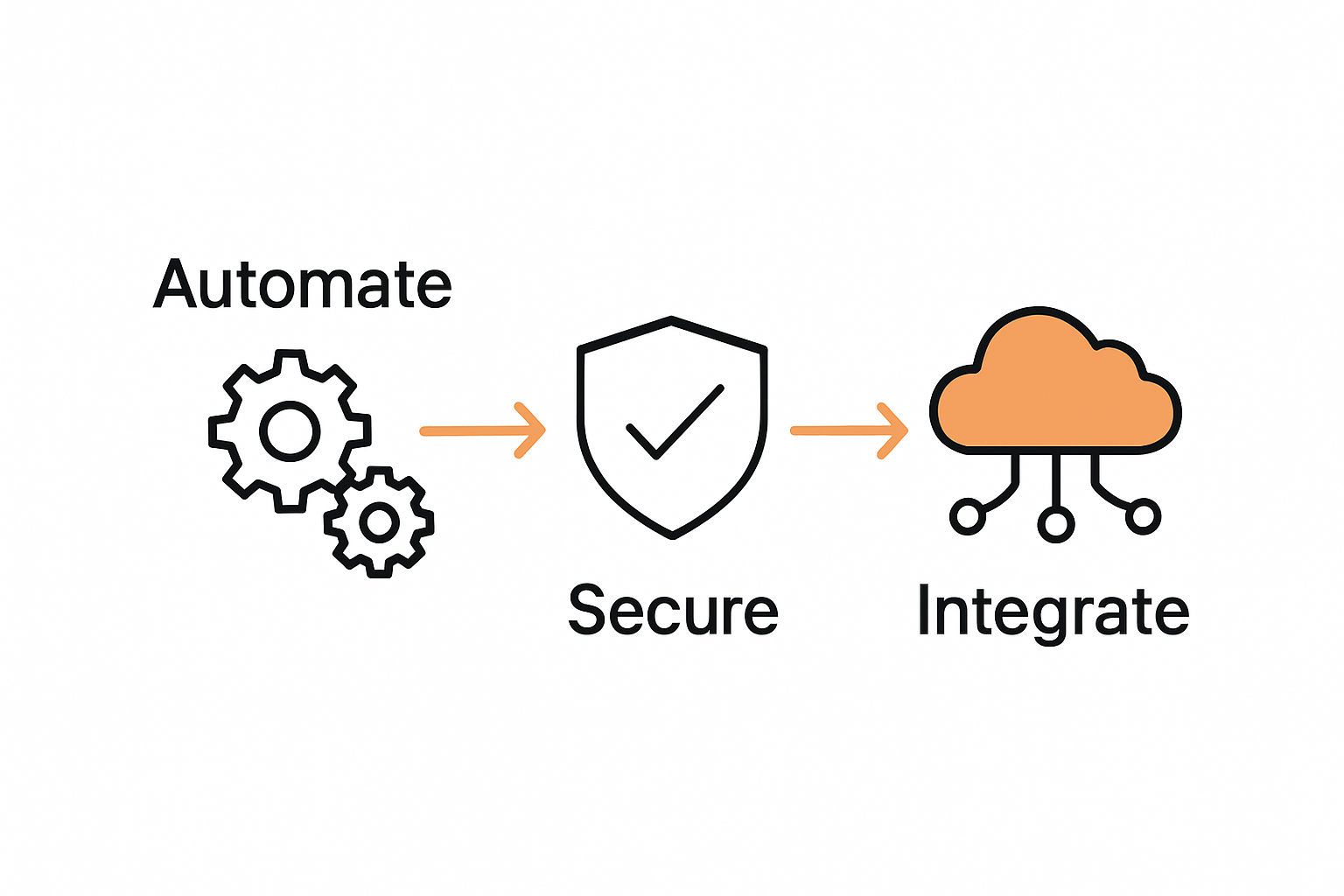
The emergence of Business Rule Management Systems (BRMS) has revolutionized how organizations deploy, execute, and monitor complex compliance logic. These intelligent frameworks enable businesses to define and manage decision rules with unprecedented flexibility, reducing dependence on IT departments for system modifications and empowering compliance teams to adapt quickly to changing regulatory landscapes. Semantic business vocabulary standards further enhance this capability by providing a standardized approach to interpreting and implementing complex compliance requirements across different technological platforms.
Key integration and automation benefits include:
- Seamless Third-Party Platform Connections
- Direct API integrations
- Real-time data synchronization
- Cross-platform workflow automation
- Advanced Reporting Capabilities
- Automated compliance tracking
- Customizable dashboard generation
- Instant risk assessment insights
- Workflow Optimization
- Automatic task routing
- Intelligent process prioritization
- Reduced manual intervention
- Enhanced Security Protocols
- Automated threat detection
- Continuous compliance monitoring
- Instant regulatory violation alerts
The most advanced compliance management platforms now function as intelligent, adaptive ecosystems that not only track regulatory requirements but actively predict and mitigate potential risks. By leveraging machine learning and semantic integration technologies, these systems transform compliance from a reactive administrative function into a strategic, proactive organizational capability that drives operational efficiency and reduces potential legal vulnerabilities.
Risk Mitigation and Common Pitfalls
Navigating the complex landscape of regulatory compliance requires a strategic approach that goes beyond simple rule-checking. Comprehensive risk management involves understanding potential vulnerabilities and implementing proactive measures to prevent compliance breaches before they occur. Effective compliance management requires organizations to integrate written documents, processes, controls, and tools that systematically address potential risks.
Compliance risk mitigation is a systematic process of identifying, assessing, and neutralizing potential regulatory challenges that could expose an organization to legal penalties or reputational damage. Organizations must develop robust frameworks that not only detect potential violations but also create clear pathways for corrective action, stakeholder communication, and continuous improvement.
Common compliance management pitfalls include:
- Inadequate Documentation
- Incomplete regulatory records
- Inconsistent policy documentation
- Lack of centralized information storage
- Poor Training and Awareness
- Insufficient employee compliance education
- Outdated training materials
- Limited understanding of regulatory requirements
- Technology and Integration Challenges
- Fragmented compliance systems
- Limited automation capabilities
- Ineffective data integration
- Reactive Instead of Proactive Approach
- Addressing issues after violations occur
- Minimal predictive risk assessment
- Lack of continuous monitoring mechanisms
Risk management strategies demand a holistic approach that combines technological solutions, strategic planning, and organizational culture. Successful compliance management transforms potential vulnerabilities into opportunities for enhanced operational efficiency, demonstrating that robust risk mitigation is not just about avoiding penalties, but about building a resilient, adaptable organizational framework.
Choosing the Right Solution for Your Organization
Selecting the appropriate compliance management software requires a strategic approach that goes beyond surface-level feature comparisons. Organizational alignment is crucial, meaning the chosen solution must seamlessly integrate with existing technological infrastructure, business processes, and specific industry regulatory requirements.
Software-as-a-service collaboration platforms demonstrate that modern compliance solutions are not just about tracking regulations, but providing intelligent, adaptive frameworks that enhance organizational governance. The right solution should offer comprehensive features like secure document management, real-time intelligence gathering, and sophisticated reporting capabilities that transform compliance from a mandatory requirement into a strategic advantage.
Key evaluation criteria for selecting compliance management software include:
- Technical Compatibility
- Integration with existing systems
- API flexibility
- Cross-platform functionality
- Regulatory Coverage
- Industry-specific compliance modules
- Automatic regulatory update mechanisms
- Customizable compliance frameworks
- Scalability and Performance
- Support for enterprise-level operations
- Ability to handle complex organizational structures
- Adaptive machine learning capabilities
- Security and Risk Management
- Advanced threat detection
- Comprehensive audit trail features
- Multi-layer authentication protocols
Streamlining GRC audit processes requires more than just selecting a software solution. Organizations must develop a holistic approach that considers technological capabilities, cultural readiness, and long-term strategic alignment. The most effective compliance management platforms are those that not only meet current regulatory requirements but also provide predictive insights and flexible adaptation mechanisms for future challenges.
Elevate Your Compliance Management with AI-Driven Automation
Managing complex compliance requirements and transforming regulatory challenges into proactive opportunities demands smart, integrated solutions. The article highlights key pain points like fragmented systems, reactive approaches, and limited automation that slow compliance processes and increase risk exposure. Skypher addresses these challenges head-on with its AI Questionnaire Automation Tool and seamless integrations designed specifically for tech and finance sectors.
Key benefits include:
- Automated processing of diverse questionnaire formats with proprietary AI models
- Integration with over 30 third-party risk management platforms including ServiceNow and Slack
- Real-time collaboration to speed up security reviews and reduce errors
- Custom Trust Center that centralizes compliance documentation and workflows

Experience the transformative power of efficient, AI-powered compliance automation today. Visit Skypher to see how you can accelerate your security questionnaire responses, reduce compliance risk, and build trust with clients now. Don’t wait until compliance slows down your business – streamline your processes with AI Questionnaire Automation Tool and start achieving compliance excellence immediately.
Frequently Asked Questions
What is compliance management software?
Compliance management software is a comprehensive technological solution designed to help organizations manage regulatory requirements, internal policies, and industry standards systematically. It aids in tracking adherence to regulations, identifying risks, and maintaining proper documentation.
How does AI improve compliance management software?
AI enhances compliance management software by enabling real-time monitoring, intelligent risk assessment, and automated regulatory change tracking. This allows organizations to stay ahead of regulatory challenges and reduce compliance breaches efficiently.
What are the key features of a compliance management software system?
Key features include centralized policy documentation, automated risk assessment tools, real-time compliance tracking, employee training modules, audit trail management, and customizable workflows, which all contribute to effective compliance management.
How can organizations choose the right compliance management software?
Organizations should evaluate compliance management software based on technical compatibility, regulatory coverage, scalability, and security capabilities. Ensuring alignment with existing systems and specific industry regulations is crucial for effective implementation.