
Compliance risk is taking center stage in 2025 as businesses face growing legal pressure and shifting rules. Here is the eye-opener. According to PwC, 72 percent of organizations now recognize the need for continuous monitoring and real-time data analytics to keep up with compliance demands. You might think this is just about keeping lawyers happy. Actually, those who treat compliance as a core strategy—using technology and smart risk assessments—are set to outperform and outlast their rivals.
Table of Contents
Quick Summary
| Takeaway | Explanation |
|---|---|
| Compliance Risk Definition | Compliance risk is the potential legal, financial, and reputational consequences from failing to adhere to regulations, policies, and standards. |
| Types of Compliance Risks | Key compliance risks include legal and regulatory risks, financial fraud risks, and operational/ethical risks, each requiring tailored management strategies. |
| Proactive Compliance Strategies | Organizations must assess their compliance risk posture through comprehensive risk assessments, leveraging technology for continuous monitoring and real-time data analytics. |
| Technology's Role | Implementing technology-driven solutions, such as AI and predictive analytics, can enhance compliance monitoring and risk detection capabilities. |
| Building a Compliance Culture | A commitment to compliance at all organizational levels, supported by ongoing employee training and transparent reporting mechanisms, is essential for effective risk management. |
What is Compliance Risk?
Compliance risk represents the potential legal, financial, and reputational consequences an organization faces when it fails to adhere to industry regulations, internal policies, and external legal standards. This critical aspect of business management involves identifying, assessing, and mitigating risks associated with potential violations that could result in significant penalties, financial losses, or damage to an organization's reputation.
Understanding the Core Definition
At its most fundamental level, compliance risk is the exposure an organization has to potential legal actions, regulatory sanctions, or financial losses resulting from violations of laws, regulations, internal policies, or established industry standards. These risks are not uniform and can vary dramatically across different industries, ranging from minor infractions to severe violations that could potentially bankrupt an organization.
According to McKinsey's 2025 survey, companies globally recognize significant challenges in managing governance, risk, and compliance. The survey highlights that technology and proactive risk management are becoming increasingly critical in identifying and mitigating potential compliance risks.
Types of Compliance Risks
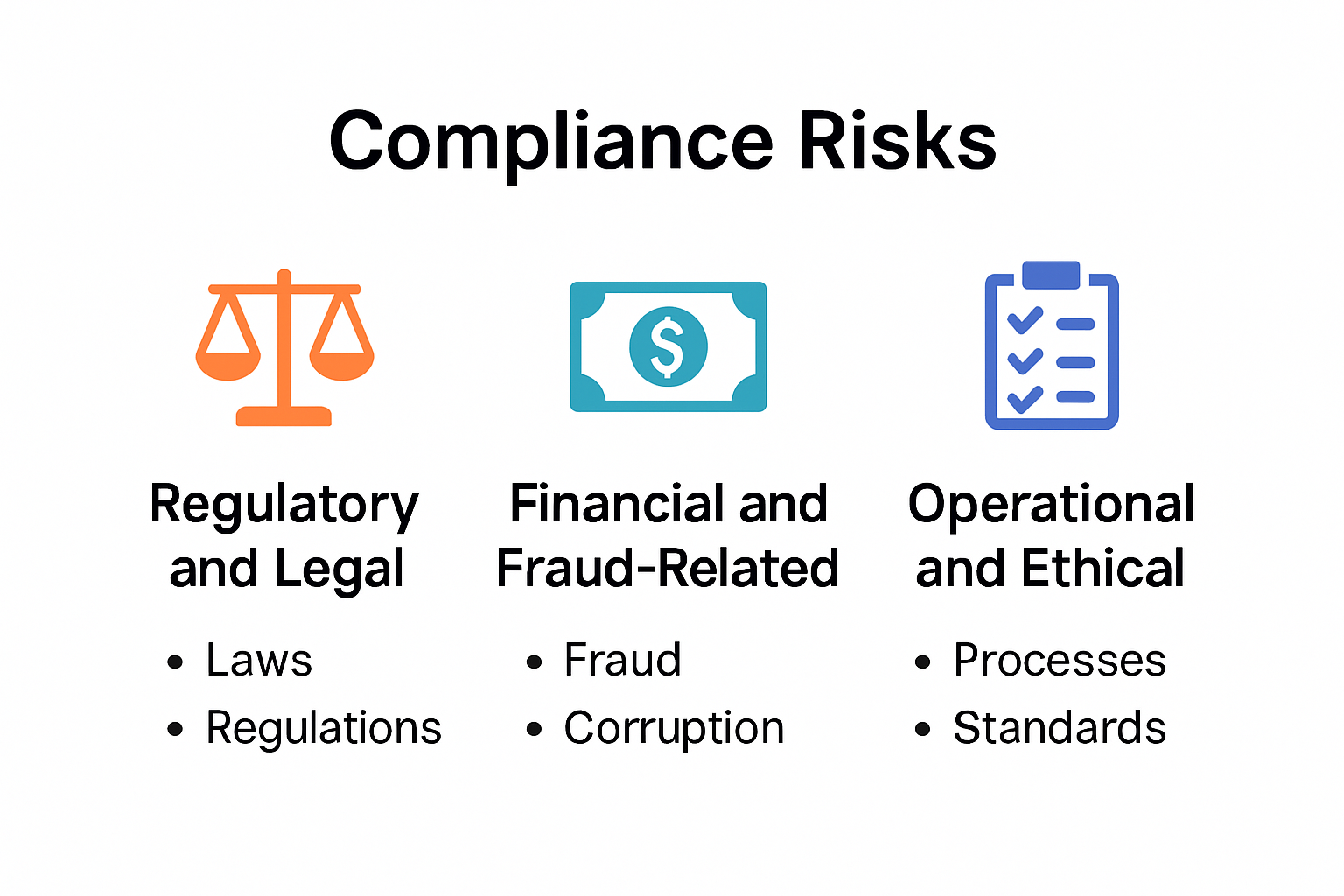
Compliance risks manifest in multiple dimensions, each presenting unique challenges for organizations. The primary categories include:
- Legal Compliance Risks: Violations of federal, state, or local laws that could trigger lawsuits, governmental investigations, or substantial financial penalties.
- Regulatory Compliance Risks: Failures to meet specific industry regulations, such as financial reporting standards, data protection requirements, or environmental guidelines.
- Operational Compliance Risks: Internal policy breaches that compromise organizational integrity, operational efficiency, or ethical standards.
PwC's Global Compliance Survey 2025 emphasizes that technology-related compliance risks are now ranked as the highest priority for executives across various industries. This shift underscores the growing complexity of regulatory environments and the need for sophisticated risk management strategies.
Modern organizations must recognize that compliance risk is not just a legal checkbox but a strategic imperative. As research from Skillcast indicates, companies in 2025 will face increasingly intricate regulatory landscapes, particularly in emerging areas like Environmental, Social, and Governance (ESG) and Diversity, Equity, and Inclusion (DEI).
Effective compliance risk management requires a comprehensive approach that combines robust internal controls, continuous monitoring, employee training, and adaptive strategies that can respond quickly to changing regulatory requirements. Organizations that view compliance risk as a dynamic, strategic process rather than a static set of rules are better positioned to protect their interests and maintain their competitive edge.
Key Types of Compliance Risk
 Compliance risks are diverse and complex, spanning multiple dimensions of organizational operations. Understanding these key types is crucial for developing comprehensive risk management strategies that protect businesses from potential legal, financial, and reputational damages.
Regulatory and Legal Compliance Risks
Regulatory and legal compliance risks represent the most critical category of potential organizational vulnerabilities. These risks emerge from failures to adhere to specific laws, regulations, and industry standards that govern business operations. According to PwC's Global Compliance Survey 2025, the most significant compliance risks include corporate governance (40%), Anti-Bribery/Anti-Corruption (ABAC), Anti-Money Laundering (AML), and fraud-related risks (38%).
Organizations face substantial challenges in navigating complex regulatory landscapes, which can include:
- Financial Reporting Compliance: Adhering to accounting standards and financial disclosure requirements.
- Data Protection Regulations: Ensuring proper handling of personal and sensitive information.
- Industry-Specific Regulations: Meeting standards unique to specific sectors like healthcare, finance, or technology.
Financial and Fraud-Related Compliance Risks
 KPMG's regulatory analysis highlights the growing complexity of financial compliance risks. These risks encompass a wide range of potential violations, including:
- Fraud Prevention: Protecting against identity theft, financial manipulation, and unauthorized transactions.
- Anti-Money Laundering (AML): Preventing financial crimes and terrorist financing activities.
- Transnational Criminal Risk: Managing risks associated with cross-border financial activities and potential illegal transactions.
Operational and Ethical Compliance Risks
Beyond legal and financial considerations, organizations must also address operational and ethical compliance risks. These risks relate to internal policies, corporate governance, and ethical standards that maintain organizational integrity. Key areas of focus include:
- Corporate Governance: Ensuring transparent and ethical decision-making processes.
- Workplace Compliance: Maintaining standards related to employee rights, safety, and non-discrimination.
- Environmental and Social Governance (ESG): Adhering to sustainability and social responsibility standards.
Modern organizations must recognize that compliance risk management is not a static process but a dynamic, evolving strategy. Successful risk mitigation requires continuous monitoring, adaptive technologies, and a proactive approach to identifying and addressing potential vulnerabilities.
By understanding and systematically addressing these key types of compliance risks, organizations can build robust risk management frameworks that protect their financial interests, maintain regulatory compliance, and preserve their reputation in an increasingly complex business environment.
Assess Your Compliance Risk Posture
Assessing your organization's compliance risk posture is a critical strategic process that requires a comprehensive, systematic approach to identifying, evaluating, and mitigating potential regulatory vulnerabilities. This proactive methodology helps organizations understand their current risk landscape and develop targeted strategies to minimize potential legal, financial, and reputational challenges.
Conducting a Comprehensive Risk Assessment
A thorough compliance risk assessment begins with a detailed examination of your organization's current operational framework. According to PwC's 2025 Global Compliance Survey, 72% of organizations now recognize the need for continuous monitoring and real-time data analytics in assessing compliance risks.
Key steps in conducting a comprehensive risk assessment include:
- Mapping Regulatory Requirements: Identify all relevant laws, regulations, and industry standards applicable to your organization.
- Internal Policy Review: Evaluate existing internal policies against current regulatory requirements.
- Risk Identification: Systematically document potential compliance vulnerabilities across all operational domains.
Leveraging Technology and Analytics
NAVEX's 2025 compliance trends report highlights the critical role of technology in modern compliance risk assessment. Advanced analytics and AI-powered tools now enable organizations to:
- Implement Continuous Monitoring: Develop real-time risk detection and alerting systems.
- Utilize Predictive Analytics: Forecast potential compliance risks before they materialize.
- Create Integrated Risk Management Platforms: Consolidate compliance data across multiple organizational departments.
Developing a Proactive Compliance Strategy
Effective compliance risk assessment goes beyond mere identification. Organizations must develop a dynamic, adaptive strategy that addresses potential risks proactively. This approach involves:
- Regular Risk Reassessment: Implement periodic comprehensive reviews of compliance risk posture.
- Employee Training and Awareness: Develop robust training programs that educate staff about compliance requirements.
- Establish Clear Reporting Mechanisms: Create transparent channels for reporting potential compliance issues.
Successful compliance risk assessment requires a holistic approach that combines technological innovation, strategic thinking, and organizational commitment. Organizations must view compliance not as a static checklist but as a dynamic, ongoing process of risk management and continuous improvement.
By implementing a comprehensive approach to assessing compliance risk posture, businesses can transform potential vulnerabilities into opportunities for strengthening organizational resilience. This proactive strategy not only mitigates potential risks but also demonstrates a commitment to ethical and responsible business practices that can enhance an organization's reputation and competitive advantage.
Manage and Mitigate Compliance Risks
Managing and mitigating compliance risks is a strategic imperative for organizations seeking to protect their operational integrity, financial stability, and reputation. This complex process requires a multifaceted approach that combines proactive planning, technological innovation, and organizational commitment.
Developing a Comprehensive Risk Management Framework
McKinsey's global GRC survey reveals that organizations with mature risk management frameworks are 2.5 times more likely to effectively mitigate compliance risks through integrated technology solutions. A robust risk management strategy should include:
- Risk Identification: Systematically map potential compliance vulnerabilities across all organizational domains.
- Risk Assessment: Quantify and prioritize potential risks based on likelihood and potential impact.
- Risk Mitigation Planning: Develop targeted strategies to address and minimize identified risks.
Implementing Technology-Driven Compliance Solutions
Technology plays a critical role in modern compliance risk management. Advanced tools and platforms enable organizations to:
- Automate Compliance Monitoring: Utilize AI and machine learning to detect potential compliance issues in real-time.
- Create Integrated Compliance Dashboards: Consolidate compliance data from multiple sources for comprehensive visibility.
- Develop Predictive Risk Analytics: Forecast potential compliance challenges before they materialize.
Building a Culture of Compliance
Research from TrustCloud emphasizes that effective compliance risk management extends beyond technological solutions. Organizations must cultivate a comprehensive compliance culture that includes:
- Leadership Commitment: Ensure top-level executives demonstrate a clear commitment to compliance.
- Ongoing Employee Training: Develop comprehensive training programs that educate staff about compliance requirements.
- Transparent Reporting Mechanisms: Create clear channels for reporting potential compliance issues without fear of retaliation.
Successful compliance risk management requires a holistic approach that integrates technological innovation, strategic planning, and organizational culture. Organizations must view compliance as a dynamic, ongoing process that requires continuous adaptation and improvement.
Ultimately, effective compliance risk management is about creating a resilient organization that can navigate complex regulatory landscapes while maintaining operational excellence and integrity. It requires a forward-thinking approach that anticipates potential challenges and develops adaptive strategies to address them proactively.
Frequently Asked Questions
What is compliance risk?
Compliance risk refers to the potential legal, financial, and reputational consequences organizations face when failing to adhere to laws, regulations, and internal policies. It involves identifying and mitigating risks associated with potential violations that could lead to penalties or reputational damage.
What are the main types of compliance risks?
The primary types of compliance risks include legal compliance risks (violations of laws), regulatory compliance risks (failing to meet industry regulations), and operational and ethical compliance risks (internal policy breaches and ethical standards violations).
How can organizations assess their compliance risk posture?
Organizations can assess their compliance risk posture by conducting comprehensive risk assessments that include mapping regulatory requirements, evaluating internal policies, identifying potential vulnerabilities, and leveraging technology for continuous monitoring and real-time data analysis.
What role does technology play in compliance risk management?
Technology plays a crucial role in compliance risk management by enabling continuous monitoring, real-time risk detection, and predictive analytics. It allows organizations to automate compliance processes, create integrated dashboards, and forecast compliance challenges before they occur.
Elevate Your Compliance Management with Skypher
In a world where 72% of organizations are recognizing the urgency of continuous compliance monitoring, how prepared is your business to tackle compliance risks? The complexity of navigating legal, regulatory, and operational compliance challenges can be overwhelming—but it doesn't have to be. Skypher is here to transform that daunting task into an efficient process.
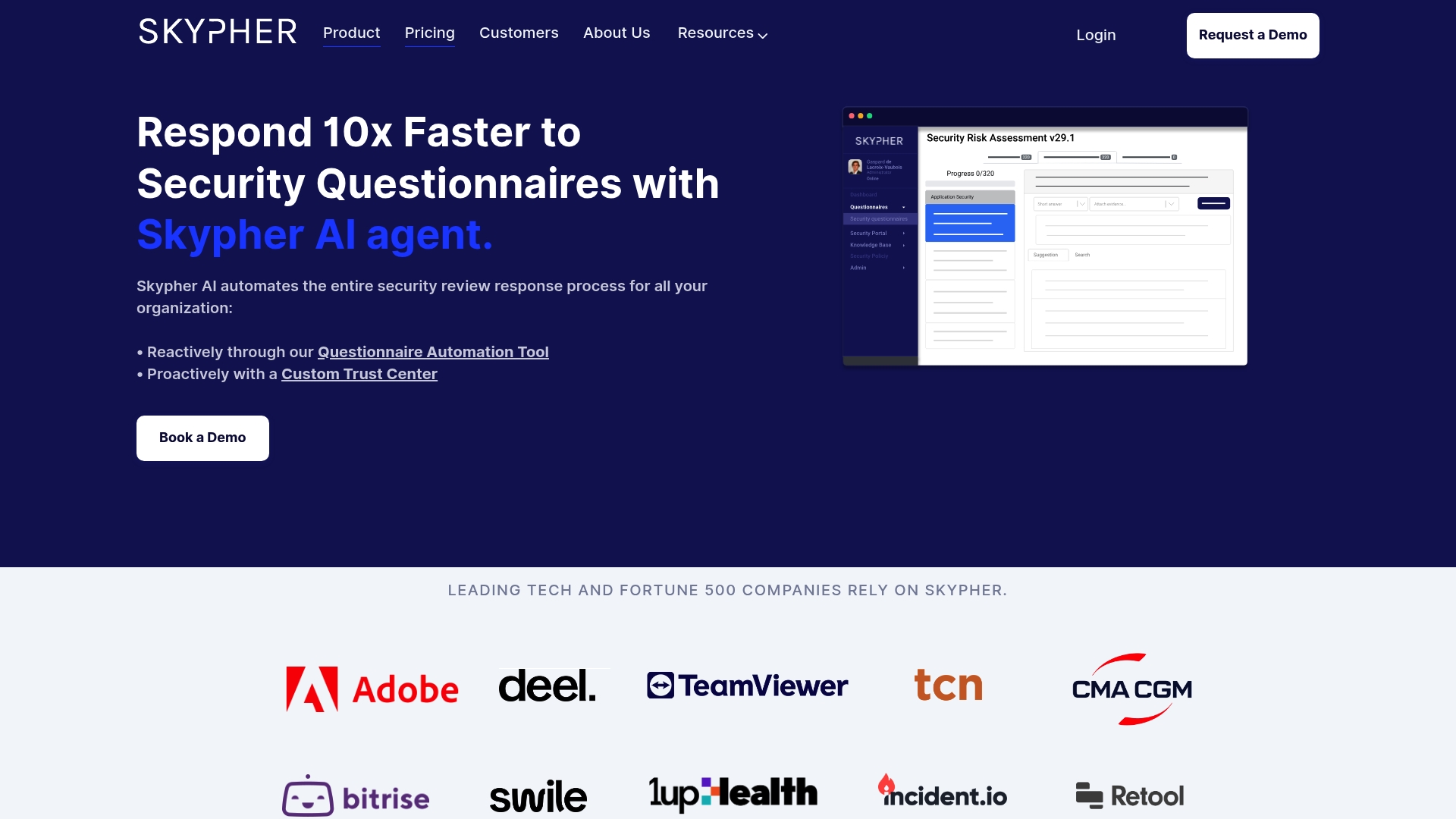
With our AI-Driven Questionnaire Automation Tool, you can:
- Streamline Security Reviews: Complete security questionnaires significantly faster—no more guesswork or tedious manual entry.
- Enhance Accuracy: Boost your compliance confidence with tools designed to improve cross-team communication and collaborative oversight.
- Integrate Seamlessly: Use our platform's connections with over 40 third-party risk management platforms to enhance your compliance posture effortlessly.
Don’t let compliance risks dictate your business's future. Act NOW to transform your risk management strategy and build confidence in your compliance processes. Head over to https://skypher.co and see how we can help you thrive amidst the compliance challenges of 2025!