

Managing compliance in automation is no longer a routine task but a constant balancing act for CISOs and compliance leaders. As global standards like GDPR and the EU AI Act set stricter expectations, organizations face increased risks from inconsistent data collection, emerging AI challenges, and evolving privacy laws. This overview delivers practical insights into the most common compliance risks in security questionnaire processes and highlights ways automation can create consistency, enhance accuracy, and strengthen resilience across multinational operations.
Table of Contents
- Defining Compliance Risks in SaaS Automation
- Types of Compliance Risks in Security Reviews
- How Compliance Risks Arise in Questionnaire Processes
- Regulatory Standards Shaping Compliance Requirements
- Mitigation Strategies and Automation Best Practices
- Common Pitfalls and Costly Mistakes to Avoid
Key Takeaways
| Point | Details |
|---|---|
| Understanding Compliance Risks | Compliance in SaaS automation is a strategic necessity that encompasses data privacy, AI challenges, and regulatory adherence. |
| Proactive Compliance Strategies | Organizations should establish clear governance structures and continuous monitoring to adapt to evolving compliance landscapes. |
| Importance of Integration | Holistic approaches combining legal, technical, and operational perspectives are essential for effective compliance management. |
| Avoiding Common Pitfalls | Organizations must view compliance as a strategic enabler rather than just a checkbox task to prevent vulnerabilities in their risk management frameworks. |
Defining Compliance Risks in SaaS Automation
Compliance risks in SaaS automation represent complex challenges that emerge from the intersection of technological innovation and regulatory requirements. These risks stem from the dynamic landscape of data protection, privacy standards, and evolving regulatory frameworks that govern digital technologies. Organizations must recognize that compliance is no longer a passive checkbox exercise but a strategic imperative that directly impacts business operations and reputation.
The modern SaaS ecosystem introduces multifaceted compliance challenges, particularly with rising AI integration challenges. Emerging technologies like artificial intelligence and blockchain have exponentially increased the complexity of maintaining robust security protocols. Companies now face stringent regulations such as GDPR and the EU AI Act, which demand meticulous data handling, transparent algorithmic processes, and comprehensive governance frameworks.
Specifically, compliance risks in SaaS automation manifest through several critical dimensions. These include data privacy vulnerabilities, potential algorithmic bias, inadequate security controls, and insufficient documentation of automated decision-making processes. Organizations must develop proactive strategies that balance technological innovation with rigorous compliance mechanisms. This requires establishing clear governance structures, implementing continuous monitoring systems, and creating transparent accountability frameworks that can adapt to rapidly changing regulatory landscapes.
Here's a summary of common compliance risks in SaaS automation and their business impact:
| Compliance Risk Type | Typical Cause | Business Impact |
|---|---|---|
| Data Privacy Vulnerabilities | Weak controls and data handling | Fines, reputational loss |
| Algorithmic Bias | Flawed or unmonitored AI logic | Legal claims, lost trust |
| Inadequate Security Controls | Gaps in cloud or vendor security | Data breaches, downtime |
| Poor Documentation | Lack of auditable records | Audit failures, penalties |
Pro tip: Develop a cross-functional compliance task force that includes legal, technical, and operational experts to create a holistic approach to managing SaaS automation compliance risks.
Types of Compliance Risks in Security Reviews
Security reviews uncover a complex landscape of compliance risks that organizations must strategically navigate. At the forefront are emerging cybersecurity threats which span multiple dimensions of technological and regulatory vulnerability. These risks are not isolated incidents but interconnected challenges that demand comprehensive and proactive management strategies.
The primary types of compliance risks in security reviews can be categorized into several critical domains. First, data privacy risks represent a significant concern, involving potential unauthorized data access, improper data handling, and non-compliance with regional regulations like GDPR and CCPA. Second, technological infrastructure risks emerge from cloud security gaps, inadequate encryption protocols, and vulnerabilities in third-party vendor integrations. These risks can compromise an organization's entire digital ecosystem, creating potential entry points for malicious actors.

Additionally, compliance risks extend beyond technical vulnerabilities to include procedural and governance challenges. Algorithmic bias, insufficient documentation of automated processes, and lack of transparent decision-making frameworks constitute significant compliance risks. Organizations must develop robust governance mechanisms that not only detect and mitigate these risks but also create adaptive frameworks that can evolve with changing technological and regulatory landscapes. This requires a holistic approach that integrates legal, technical, and operational perspectives.
Pro tip: Implement a quarterly comprehensive risk assessment protocol that systematically evaluates technological vulnerabilities, vendor relationships, and regulatory alignment to proactively identify and mitigate potential compliance risks.
How Compliance Risks Arise in Questionnaire Processes
Questionnaire processes represent a critical vulnerability point where compliance risks can emerge unexpectedly. Compliance risk assessment strategies fundamentally depend on understanding the intricate ways organizations inadvertently create systemic vulnerabilities during information gathering and validation processes.
These compliance risks typically originate from several interconnected sources. Inconsistent data collection practices create significant blind spots, where different departments may interpret and respond to questionnaire requirements differently. Incomplete or ambiguous responses can lead to substantial regulatory exposure, particularly when organizations fail to demonstrate comprehensive understanding of compliance mandates. Technical infrastructure challenges further compound these risks, as manual questionnaire processes often lack standardized validation mechanisms that can detect potential misrepresentations or incomplete disclosures.
Moreover, compliance risks in questionnaire processes are amplified by human factors such as knowledge gaps, communication silos, and inadequate training. Organizations frequently struggle with maintaining consistent documentation standards, creating scenarios where critical compliance information becomes fragmented or inconsistently reported. The lack of centralized knowledge management and real-time collaboration tools can transform what should be a straightforward compliance exercise into a potential legal and regulatory minefield. Sophisticated organizations recognize that questionnaire processes are not merely administrative tasks but strategic opportunities to demonstrate robust governance and risk management capabilities.
Pro tip: Develop a centralized compliance questionnaire repository with version control and automated validation checks to ensure consistent, accurate, and up-to-date response management across all organizational units.
Regulatory Standards Shaping Compliance Requirements
The global regulatory landscape is undergoing profound transformation, driven by increasingly complex technological and operational challenges. Regulatory policy trends are rapidly evolving to address emerging risks across digital and traditional business environments, emphasizing adaptive and proactive compliance strategies.
Key regulatory standards emerge from multiple critical domains, including data privacy, financial transactions, cybersecurity, and industry-specific compliance frameworks. Prominent regulations like GDPR, SOX, and HIPAA represent sophisticated attempts to standardize protection mechanisms across different sectors. These standards require organizations to implement comprehensive governance structures that go beyond traditional checkbox compliance, demanding holistic risk management approaches that integrate technological capabilities with strategic organizational objectives.
The contemporary compliance landscape is characterized by its dynamic and interconnected nature. Regulatory requirements now demand not just adherence to specific rules, but a demonstrable commitment to ongoing risk assessment, transparent reporting, and continuous improvement. This shift necessitates organizations develop robust internal capabilities that can rapidly adapt to changing regulatory environments, implement advanced monitoring systems, and cultivate a culture of proactive compliance management that extends across all organizational levels and functional departments.
The table below compares major global compliance standards shaping SaaS automation:
| Regulation | Main Focus | Key Affected Sectors | Notable Requirement |
|---|---|---|---|
| GDPR | Data privacy | All with EU users | Right to erasure, consent logs |
| SOX | Financial controls | Public companies | Accurate financial reporting |
| HIPAA | Health data privacy | Healthcare providers | Safeguard PHI, audit trails |
| EU AI Act | AI transparency | AI solution providers | Risk-based AI system controls |
Pro tip: Develop a cross-functional compliance working group that meets quarterly to review, update, and strategically align your organization's regulatory compliance framework with emerging global standards.
Mitigation Strategies and Automation Best Practices
Compliance automation represents a transformative approach to managing organizational risk and regulatory requirements. Compliance process automation provides strategic capabilities that enable organizations to move beyond reactive risk management toward proactive, intelligent governance frameworks. By integrating advanced technological solutions, companies can create robust systems that continuously monitor, assess, and mitigate potential compliance vulnerabilities.
Effective mitigation strategies require a multidimensional approach that combines technological tools, organizational processes, and human expertise. Key components include implementing comprehensive data mapping technologies, developing real-time monitoring dashboards, and creating adaptive workflow systems that can quickly respond to changing regulatory landscapes. Organizations must prioritize building flexible infrastructures that can seamlessly integrate compliance requirements across different departments, ensuring consistent application of policies and rapid identification of potential risks.
The most successful compliance automation strategies focus on creating holistic ecosystems that balance technological capability with strategic human oversight. This involves developing intelligent automation frameworks that can handle complex regulatory requirements while maintaining the nuanced decision-making capabilities that only human experts can provide. Critical elements include advanced machine learning algorithms capable of detecting subtle compliance anomalies, integrated reporting systems that provide transparent and comprehensive documentation, and continuous training programs that keep both technological systems and human teams updated on emerging regulatory trends.
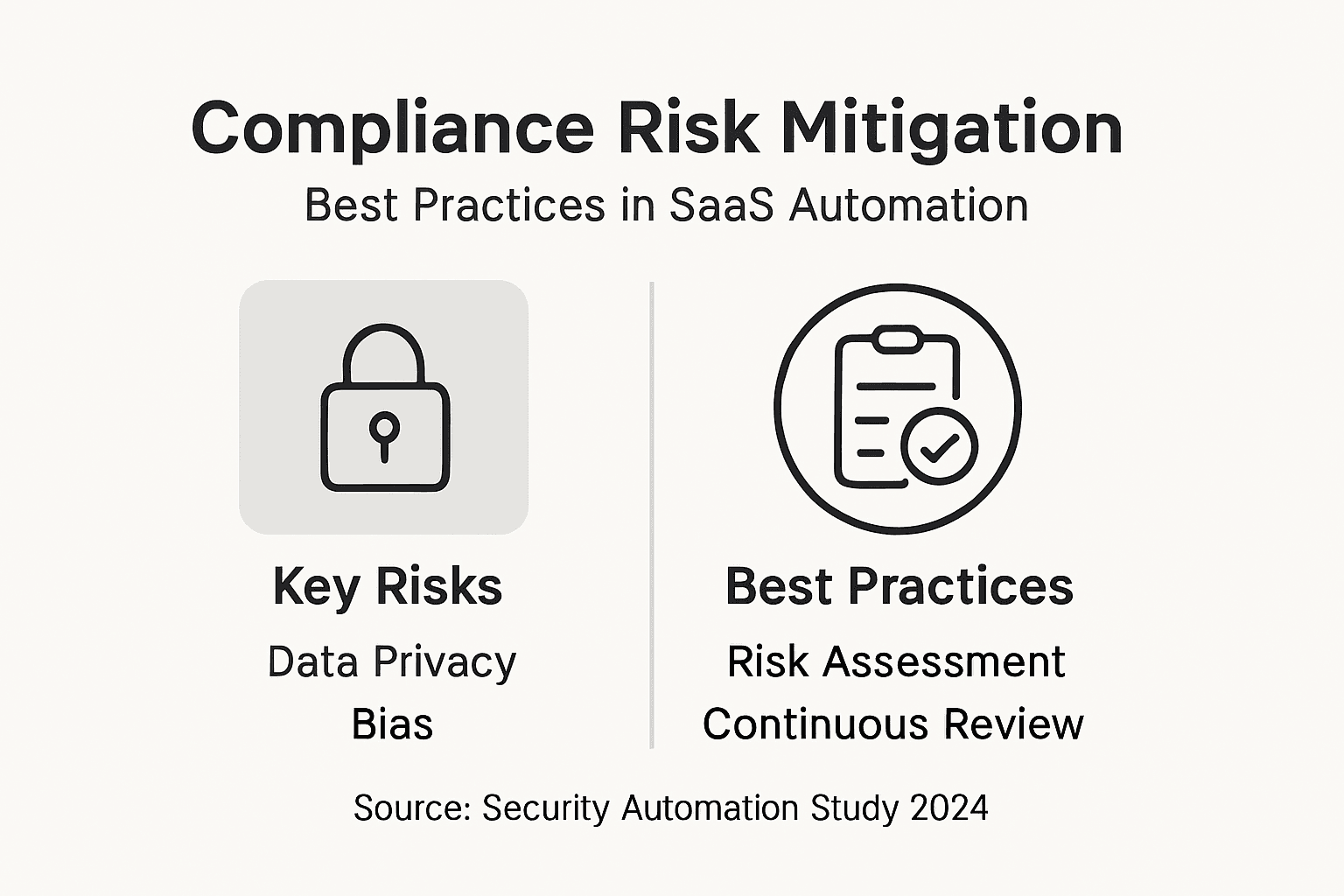
Pro tip: Implement a quarterly cross-functional compliance review process that combines automated risk detection tools with strategic human analysis to ensure comprehensive and adaptive compliance management.
Common Pitfalls and Costly Mistakes to Avoid
Organizations frequently encounter significant compliance challenges that can undermine their entire risk management strategy. Compliance program flaws often emerge from systemic blind spots that prevent comprehensive risk assessment and proactive management. These vulnerabilities can transform seemingly robust compliance frameworks into potential liability traps that expose businesses to substantial financial and reputational risks.
The most critical mistakes typically stem from narrow, reactive approaches to compliance management. Common pitfalls include treating compliance as a mere checkbox exercise, failing to integrate regulatory requirements across organizational departments, and underestimating the dynamic nature of legal and technological landscapes. Many organizations mistakenly focus solely on avoiding immediate penalties without understanding the broader strategic implications of comprehensive risk management. This myopic perspective can lead to fragmented compliance efforts that create more vulnerabilities than they resolve.
Successful compliance strategies demand a holistic, forward-looking approach that transcends traditional risk management paradigms. This requires developing adaptive frameworks that continuously evolve with changing regulatory environments, integrating sophisticated technological tools with human expertise, and creating organizational cultures that view compliance as a strategic enabler rather than an administrative burden. Critical elements include establishing cross-functional compliance teams, implementing real-time monitoring systems, and developing agile response mechanisms that can quickly adapt to emerging regulatory challenges.
Pro tip: Create a dedicated compliance intelligence team responsible for tracking regulatory changes, conducting quarterly risk assessments, and developing proactive mitigation strategies across all organizational units.
Mitigate Compliance Risks with Skypher's Automated Security Questionnaire Solutions
The article highlights critical compliance risks such as data privacy vulnerabilities, algorithmic bias, and inadequate documentation that often arise during security reviews and questionnaire processes. These challenges can overwhelm organizations, especially medium to large tech and finance companies that must meet evolving regulatory standards like GDPR and the EU AI Act. Skypher’s AI-driven Questionnaire Automation Tool is designed to tackle these pain points by streamlining the security questionnaire response process, reducing human error, and ensuring consistent, auditable compliance documentation across complex enterprise setups.

Elevate your compliance management with Skypher’s platform that integrates real-time collaboration, supports multiple questionnaire formats, and connects seamlessly to over 40 third-party risk management platforms. Don’t let compliance risks escalate on your watch. Visit Skypher now to experience how intelligent automation can accelerate your security reviews and strengthen your regulatory posture before costly mistakes occur.
Frequently Asked Questions
What are the main compliance risks in SaaS automation?
Compliance risks in SaaS automation include data privacy vulnerabilities, algorithmic bias, inadequate security controls, and poor documentation of automated decision-making processes. These risks can lead to legal penalties and reputational damage.
How can organizations effectively mitigate compliance risks in security automation?
Organizations can mitigate compliance risks by implementing comprehensive data mapping technologies, establishing continuous monitoring systems, developing transparent governance frameworks, and integrating advanced technological solutions with human oversight.
What role does regulatory compliance play in SaaS automation?
Regulatory compliance is crucial in SaaS automation as it dictates how organizations must handle data, implement security measures, and maintain transparent reporting practices. Non-compliance can result in severe fines and damage to an organization’s reputation.
Why are questionnaire processes a critical point for compliance risks?
Questionnaire processes can introduce compliance risks due to inconsistent data collection practices, incomplete responses, and gaps in knowledge among staff. These issues can lead to regulatory exposure and compliance failures if not managed properly.
Recommended
- 7 Essential Steps for a Security Compliance Checklist
- Complete Guide to Software Compliance Software
- IT Security Management System: Enhancing Trust and Efficiency
- 7 Essential Risk Management Tips for Tech Leaders
- De voordelen van testing automation voor groei in 2025
- Voordelen van veilige websites: complete gids | BYTE24