

Data security threats are no longer just a distant worry. By 2025, supply chain attacks are projected to cost organizations $60 billion. Most leaders think firewalls and encryption are enough to keep risks away. Instead, the biggest weakness sits inside every organization—the human factor, which research says causes about 95 percent of breaches. Here’s what actually counts if you want to stay one step ahead.
Table of Contents
- Understanding Data Security Management Systems
- Core Components and Best Practices
- Implementing an Effective System Step-by-Step
- Current Trends and Future Outlook for 2025
Quick Summary
| Takeaway | Explanation |
|---|---|
| Comprehensive Data Mapping is Essential | Organizations must meticulously identify and classify data based on sensitivity, utilizing data mapping and risk assessment to create targeted security strategies. |
| Advanced Technical Architecture is Crucial | Implement a robust infrastructure that includes encryption, access controls, and real-time monitoring tools to quickly detect and respond to potential breaches. |
| Continuous Monitoring and Improvement are Necessary | Establish ongoing processes for real-time threat detection and regular compliance audits, allowing for adaptive response mechanisms to emerging threats. |
| Human Factor is Key to Success | Invest in comprehensive training programs and security awareness initiatives, as human error is a significant contributor to cybersecurity breaches. |
| Be Prepared for Evolving Regulatory Environments | By 2025, complexity in compliance will increase, warranting proactive alignment with global privacy frameworks and enhanced transparency mandates. |
Understanding Data Security Management Systems
A data security management system represents a comprehensive approach to protecting an organization's digital assets and sensitive information from potential threats and unauthorized access. This strategic framework integrates technology, processes, and policies designed to safeguard critical data across various technological environments.
Core Components of Data Security Management
Building an effective data security management system requires understanding its fundamental components. At its core, the system involves multiple interconnected layers of protection that work synergistically to defend an organization's digital infrastructure.
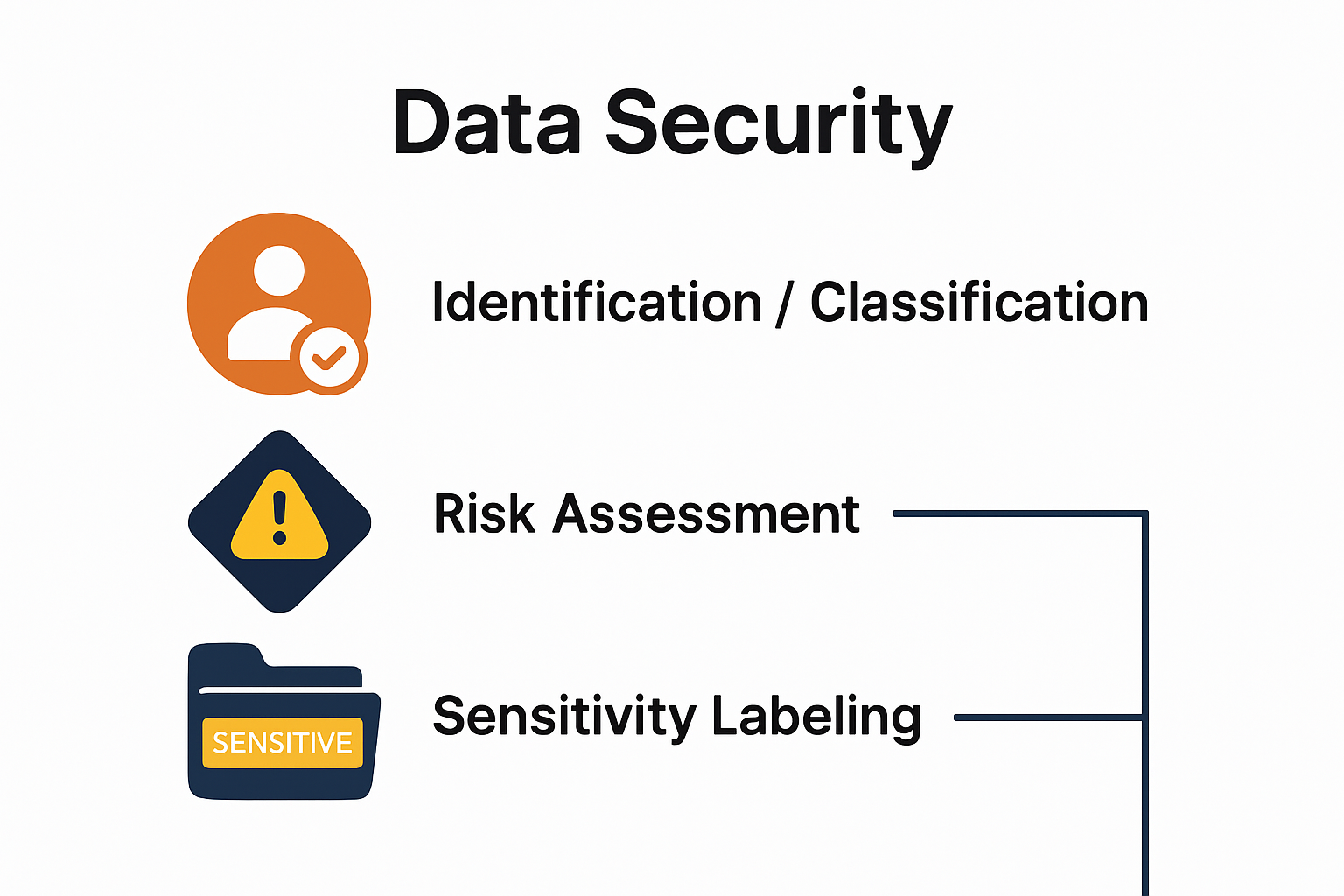
Identification and Classification: The first critical step involves meticulously identifying and categorizing data based on sensitivity and potential risk. Organizations must map out their entire data ecosystem, understanding what information exists, where it resides, and its potential vulnerability. This process includes:
- Data Mapping: Creating comprehensive inventories of all digital assets
- Risk Assessment: Evaluating potential threats and vulnerabilities
- Sensitivity Labeling: Categorizing data according to confidentiality levels
Implementing robust identification protocols allows organizations to develop targeted security strategies that provide appropriate protection for different data types. By understanding the unique characteristics of each data set, security teams can allocate resources more effectively and create nuanced defense mechanisms.
Technical Architecture and Protection Strategies
A sophisticated data security management system requires advanced technical architecture that combines multiple defensive technologies and methodological approaches. Modern systems integrate several key technological components to create comprehensive protection frameworks.
These systems typically include:
- Encryption Protocols: Transforming data into unreadable formats
- Access Control Mechanisms: Restricting data interactions
- Real-time Monitoring Tools: Tracking and analyzing potential security incidents
The goal is not just preventing unauthorized access but creating adaptive systems that can quickly detect, respond to, and mitigate potential security breaches. Organizations increasingly recognize that static defense models are insufficient in today's rapidly evolving threat landscape.
According to Gartner Research, over 60% of enterprises will implement comprehensive data security platforms by 2025, signaling a significant shift towards integrated and intelligent security management approaches. This trend underscores the growing complexity of cybersecurity challenges and the need for holistic, adaptive protection strategies.
The evolution of data security management systems reflects broader technological transformations. As cloud computing, remote work, and interconnected digital ecosystems become standard, organizations must develop flexible, scalable security frameworks that can protect distributed data environments while maintaining operational efficiency.
By adopting a proactive, comprehensive approach to data security management, organizations can minimize risks, protect valuable assets, and build resilient technological infrastructures capable of withstanding sophisticated cyber threats.
Core Components and Best Practices
Effective data security management systems require a strategic blend of technological solutions, organizational policies, and human expertise. Developing a robust framework demands comprehensive understanding of critical components and industry best practices that protect sensitive information across complex digital environments.
Foundational Security Infrastructure
Building a resilient data security management system starts with establishing a strong foundational infrastructure. This involves creating multiple layers of protection that work synergistically to defend against potential vulnerabilities and emerging cyber threats.
Network Security Architecture: Organizations must design comprehensive network security frameworks that provide granular control and visibility. Key elements include:
- Firewall Configuration: Implementing advanced firewall technologies that monitor and filter network traffic
- Intrusion Detection Systems: Deploying sophisticated tools that identify and alert potential security breaches
- Segmentation Strategies: Creating isolated network zones to minimize potential attack surfaces
According to NIST Cybersecurity Framework, effective network security requires continuous monitoring and adaptive response mechanisms that can quickly detect and neutralize potential threats.
Governance and Compliance Protocols
Establishing robust governance frameworks is crucial for maintaining comprehensive data security management. This involves developing clear policies, defining organizational responsibilities, and ensuring alignment with industry regulatory standards.
Compliance Management: Organizations must implement structured approaches to meet various regulatory requirements. This includes:
- Regular Audits: Conducting systematic assessments of security protocols
- Documentation Processes: Maintaining detailed records of security practices
- Incident Response Planning: Creating predefined strategies for managing potential security events
Research from Ponemon Institute indicates that organizations with well-defined governance frameworks experience 40% fewer security incidents compared to those with ad-hoc approaches.
Human Factor and Training Strategies

Technological solutions alone cannot guarantee comprehensive data security. Human behavior and organizational culture play critical roles in maintaining robust protection mechanisms. Implementing comprehensive training programs and creating a security-aware culture becomes paramount.
Security Awareness Programs: Developing educational initiatives that transform employees into active participants in the organization's security strategy involves:
- Interactive Training Modules: Creating engaging learning experiences
- Simulated Phishing Exercises: Testing and improving employee response to potential threats
- Continuous Learning Platforms: Providing updated information about emerging cybersecurity risks
The International Information System Security Certification Consortium emphasizes that human error accounts for approximately 95% of cybersecurity breaches, underscoring the critical importance of comprehensive training programs.
By integrating technological solutions, governance frameworks, and human-centric approaches, organizations can develop resilient data security management systems that adapt to evolving digital challenges. Success requires a holistic strategy that recognizes the interconnected nature of modern cybersecurity threats and proactively addresses potential vulnerabilities across multiple dimensions.
Implementing an Effective System Step-by-Step
Successfully implementing a data security management system requires a methodical, strategic approach that addresses technological, organizational, and human factors. Organizations must navigate complex implementation processes with precision and forward-thinking strategies to ensure comprehensive protection of their digital assets.
Initial Assessment and Planning
The foundation of an effective data security management system begins with a thorough initial assessment that provides a comprehensive understanding of the organization's current technological ecosystem and potential vulnerabilities.
Comprehensive Organizational Audit: This critical first step involves:
- Infrastructure Mapping: Documenting all existing technological systems and data repositories
- Risk Identification: Conducting detailed vulnerability assessments
- Current State Analysis: Evaluating existing security protocols and potential gaps
According to ISO 27001 Guidelines, organizations must develop a systematic approach to understanding their unique security requirements before implementing any comprehensive management system.
Strategic Implementation Framework
Developing a robust implementation strategy requires a structured approach that goes beyond simple technological deployment. This involves creating a holistic framework that integrates technological solutions, organizational policies, and human capabilities.
Phased Deployment Strategy: Successful implementation typically follows a methodical approach:
- Pilot Testing: Implementing solutions in controlled environments
- Incremental Rollout: Gradually expanding security measures across organizational systems
- Continuous Adaptation: Building flexibility into the implementation process
Research from TrustCloud Community highlights the importance of a staged implementation that allows organizations to refine their approach continuously.
Monitoring and Continuous Improvement
Implementing a data security management system is not a one-time event but an ongoing process of assessment, refinement, and adaptation. Organizations must develop robust mechanisms for continuous monitoring and improvement.
Advanced Monitoring Protocols: Effective systems require:
- Real-time Threat Detection: Implementing sophisticated monitoring tools
- Regular Compliance Audits: Conducting systematic reviews of security protocols
- Adaptive Response Mechanisms: Creating flexible frameworks for addressing emerging threats
The Privacera Data Governance Research emphasizes the critical nature of continuous monitoring, noting that organizations with dynamic security frameworks are 70% more effective at preventing potential security breaches.
Successful implementation of a data security management system demands more than technological solutions. It requires a comprehensive approach that combines technical expertise, organizational commitment, and a proactive mindset. By treating security as an ongoing journey rather than a destination, organizations can build resilient systems that adapt to the ever-changing digital threat landscape.
The most effective data security management systems are those that balance technological sophistication with human intelligence, creating adaptive frameworks that can anticipate and respond to emerging challenges with precision and agility.
Current Trends and Future Outlook for 2025
The data security management landscape is rapidly transforming, driven by unprecedented technological advancements, evolving cyber threats, and increasingly complex regulatory environments. As we approach 2025, organizations must prepare for a dynamic cybersecurity ecosystem that demands unprecedented levels of adaptability and strategic foresight.
Emerging Technological Paradigms
The future of data security management is being reshaped by groundbreaking technological innovations that promise to redefine traditional protection methodologies. Organizations are increasingly moving beyond conventional defensive strategies toward more intelligent, predictive security frameworks.
Advanced Security Technologies: Key technological trends include:
- Artificial Intelligence Integration: Deploying machine learning algorithms for real-time threat detection
- Quantum Encryption: Developing next-generation cryptographic protocols
- Zero Trust Architecture: Implementing comprehensive identity verification mechanisms
According to Thales Cybersecurity Research, organizations are expected to invest heavily in adaptive security technologies that can predict and neutralize potential threats before they materialize.
Regulatory and Compliance Evolution
The regulatory landscape surrounding data security is becoming increasingly complex and comprehensive. By 2025, organizations will face unprecedented challenges in maintaining compliance across multiple jurisdictions and technological domains.
Global Privacy Frameworks: Emerging trends demonstrate:
- Expanded Personal Data Protection: Increased global coverage of privacy regulations
- Cross-border Compliance Requirements: More stringent international data protection standards
- Enhanced Transparency Mandates: Greater emphasis on data usage disclosure
Cybersecurity Magazine reports that approximately 75% of the world's population will have their personal data protected by comprehensive privacy laws by 2025, significantly increasing organizational compliance complexity.
Risk Management and Strategic Adaptation
Modern data security management transcends traditional technological solutions, requiring holistic approaches that integrate strategic risk management with advanced technological capabilities. Organizations must develop adaptive frameworks that can respond dynamically to emerging threats.
Comprehensive Risk Mitigation: Critical focus areas include:
- Supply Chain Security: Addressing vulnerabilities in interconnected digital ecosystems
- Predictive Threat Intelligence: Developing proactive defense mechanisms
- Continuous Risk Assessment: Implementing real-time monitoring strategies
Research indicates that supply chain attacks are projected to cost organizations $60 billion by 2025, underscoring the critical importance of robust vendor risk management strategies.
The future of data security management demands a radical reimagining of traditional protective strategies. Success will require organizations to embrace technological innovation, regulatory compliance, and strategic adaptability. By developing comprehensive, forward-looking security frameworks, businesses can transform potential vulnerabilities into strategic advantages.
As technological landscapes continue to evolve, the most successful organizations will be those capable of maintaining a delicate balance between technological sophistication, regulatory compliance, and human-centered security approaches. The journey toward comprehensive data protection is not just about implementing technologies but about cultivating a holistic security culture that anticipates and neutralizes emerging digital risks.
Frequently Asked Questions
What is a Data Security Management System?
A Data Security Management System is a strategic framework that encompasses policies, processes, and technologies designed to protect an organization’s sensitive information and digital assets from unauthorized access and potential threats.
Why is the human factor important in data security?
The human factor is crucial in data security because research indicates that approximately 95% of cybersecurity breaches are caused by human error. Comprehensive training and security awareness initiatives are essential to mitigate these risks.
What are some key components of an effective data security management system?
Key components include data identification and classification, technical architecture with encryption and real-time monitoring, governance and compliance protocols, and ongoing employee training to foster security awareness.
How can organizations prepare for evolving regulatory requirements by 2025?
Organizations should align their data security practices with global privacy frameworks, conduct regular compliance audits, and stay informed about emerging regulations to ensure they can adapt to increasing complexity in compliance environments.
Transform Your Security Response in 2025—Reduce Risks and Reclaim Productivity
Is your team feeling overwhelmed by the rising pressure to map sensitive data, comply with regulations, and handle complex security questionnaires—all while knowing that a single misstep can derail trust or slow down vital sales? You read how human factors and process gaps remain major threats even as technical defenses improve. Now, imagine turning these vulnerabilities into strengths with the right automation and collaboration tools.
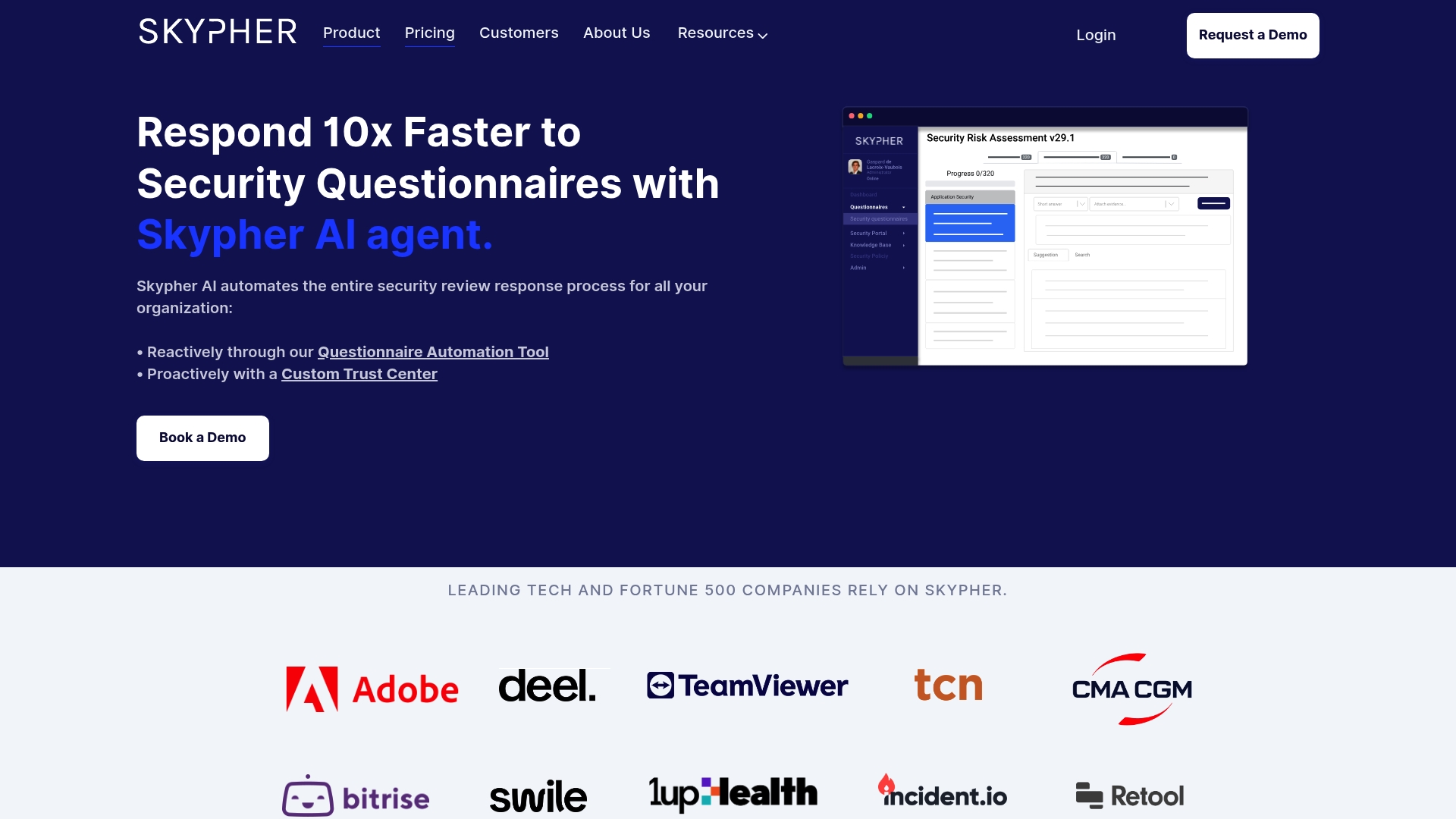
Meet Skypher, the AI-driven platform designed to take the stress out of security questionnaires and compliance. Streamline responses, prevent human error, and boost accuracy right when your organization needs it most. Empower your teams to work smarter together, integrate effortlessly with your existing risk management tools, and show clients you take their trust seriously. See how Skypher’s AI Questionnaire Automation Tool and customizable Trust Center can make a difference today. Start simplifying your data security management—visit Skypher and experience a safer, faster workflow now.