

Every business leader talks about risk and compliance, but most miss just how much the rules have changed. A recent global survey shows that companies using advanced GRC technologies have seen up to a 30 percent jump in operational performance. Surprised? Many think GRC is just an IT checklist or a legal safety net. The reality is more radical: the smartest organizations are using GRC frameworks as engines for innovation, uniting teams and turning constant regulatory shifts into competitive advantages. Here is where it gets interesting.
Table of Contents
- Understanding GRC Frameworks and Their Purpose
- Key Components of Effective GRC Frameworks
- Steps to Implement a GRC Framework Successfully
- Best Practices and Trends in GRC for 2025
Quick Summary
| Takeaway | Explanation |
|---|---|
| Integration of GRC Frameworks is Essential | Modern businesses should implement GRC frameworks to navigate complex regulatory requirements, technological risks, and operational challenges effectively. |
| Focus on Advanced Technologies | Organizations must leverage advanced analytics and automation, such as AI and machine learning, to enhance risk management and compliance efficiency. |
| Strategic Planning for Implementation | A clear roadmap involving executive sponsorship and resource allocation is critical for the successful rollout of a GRC framework. |
| Collaboration Across Departments | Breaking down silos through unified platforms fosters effective cross-functional collaboration in risk management and compliance. |
| Adoption of Proactive Compliance Strategies | Developing adaptive compliance strategies that monitor regulatory changes in real-time is essential for operational resilience and strategic advantage. |
Understanding GRC Frameworks and Their Purpose
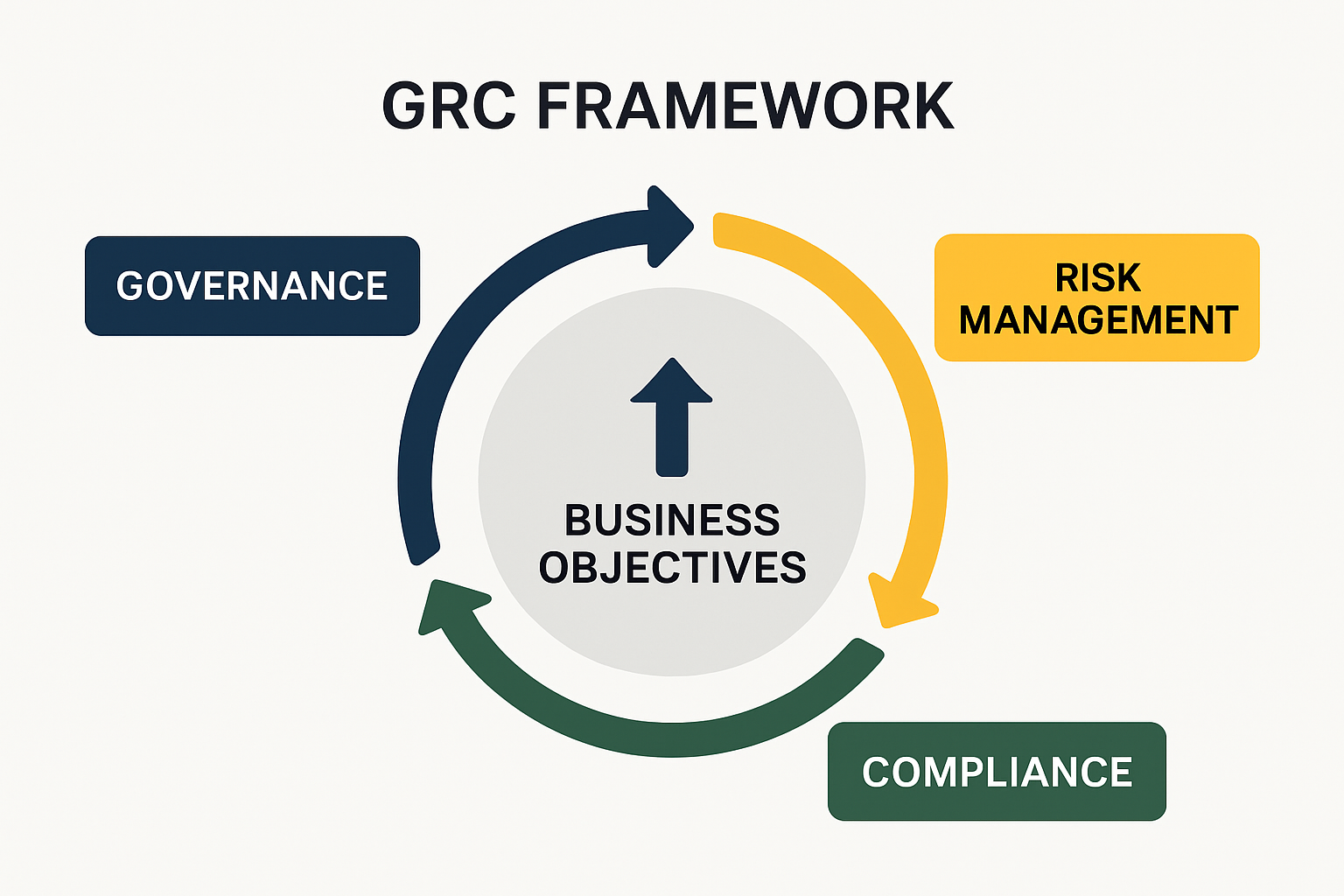
Modern businesses face an increasingly complex environment of regulatory requirements, technological risks, and operational challenges. GRC frameworks emerge as critical strategic tools that help organizations navigate this intricate landscape by integrating governance, risk management, and compliance into a cohesive approach.
The Fundamental Architecture of GRC Frameworks
At its core, a GRC framework represents a structured methodology designed to align organizational objectives with robust risk management and regulatory compliance strategies. According to AuditBoard, these frameworks provide a systematic approach that enables businesses to manage risks proactively while maintaining strategic alignment.
The fundamental components of a comprehensive GRC framework typically include:
- Governance: Establishing clear organizational policies, decision-making processes, and accountability structures
- Risk Management: Identifying, assessing, and mitigating potential threats across operational domains
- Compliance: Ensuring adherence to internal policies and external regulatory requirements
Strategic Benefits of Implementing GRC Frameworks
Organizations adopting robust GRC frameworks gain significant strategic advantages. TrustCloud highlights that these frameworks create a unified system for managing organizational risks and fostering ethical business practices.
Key strategic benefits include enhanced operational transparency, improved risk prediction, and more efficient resource allocation. By centralizing compliance monitoring and creating a proactive approach to regulatory changes, businesses can transform potential challenges into strategic opportunities.
Evolving Landscape of GRC Frameworks
The digital transformation era has dramatically reshaped GRC frameworks. Modern frameworks now incorporate advanced technologies like artificial intelligence and machine learning to provide real-time risk assessment and predictive compliance monitoring. According to Diligent, organizations are increasingly viewing GRC not just as a compliance requirement but as a strategic business enabler.
These advanced frameworks support continuous improvement by offering dynamic, data-driven insights that allow businesses to adapt quickly to changing regulatory environments and emerging technological risks. By integrating comprehensive risk management strategies with compliance protocols, organizations can create more resilient and agile operational models.
Understanding and implementing an effective GRC framework is no longer optional for businesses seeking sustainable growth and risk mitigation. It represents a critical strategic investment in organizational resilience, operational efficiency, and long-term success.
Key Components of Effective GRC Frameworks
Building a robust GRC framework requires strategic integration of multiple critical components that work together to create a comprehensive risk management and compliance ecosystem. Organizations must carefully design and implement these elements to ensure effective governance and operational resilience.
Structural Governance and Policy Development
The foundation of an effective GRC framework lies in its structural governance and policy infrastructure. According to Centric Consulting, this involves establishing clear roles, responsibilities, and comprehensive policies that guide organizational behavior and risk management.
Key structural elements include:
- Clear Organizational Hierarchy: Defining precise reporting lines and accountability mechanisms
- Policy Documentation: Creating detailed, regularly updated guidelines that address potential risks and compliance requirements
- Decision-Making Protocols: Establishing transparent processes for risk assessment and strategic responses
Risk Assessment and Monitoring Mechanisms
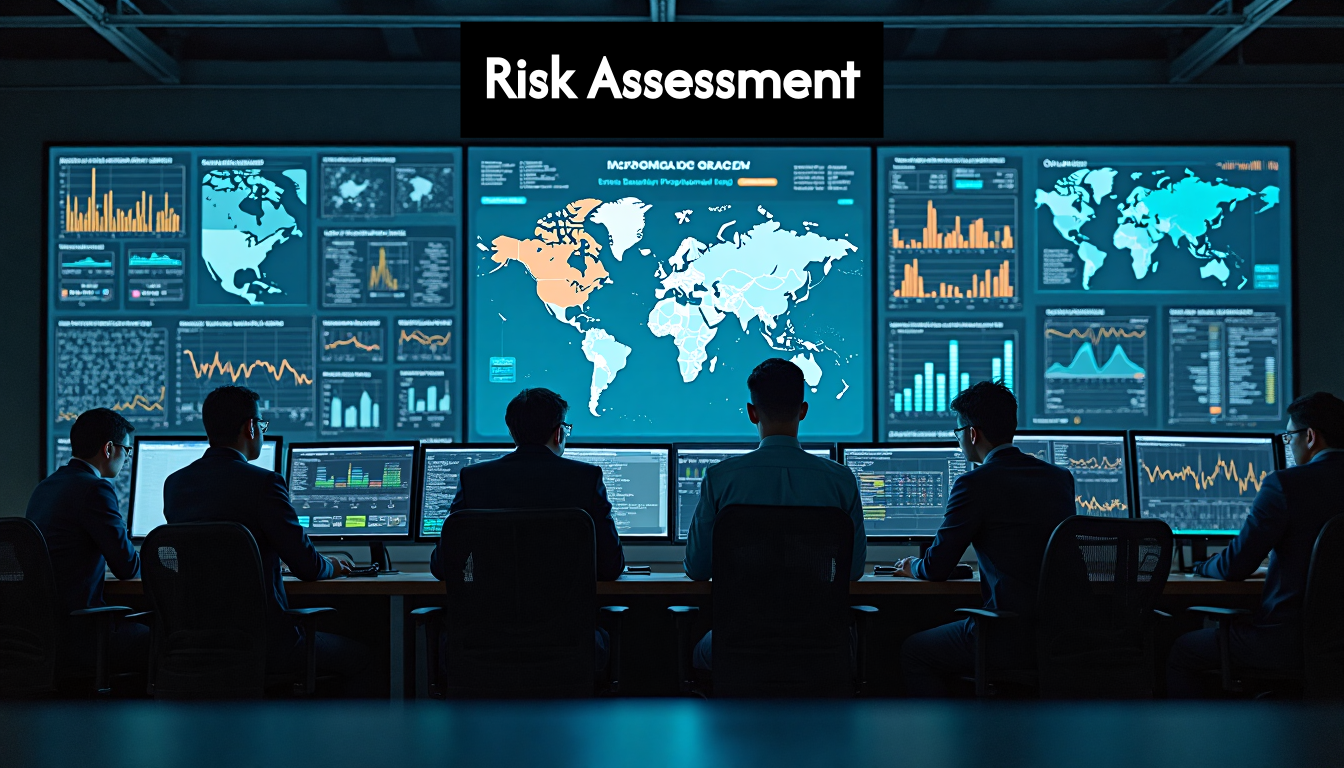
Effective GRC frameworks require sophisticated risk assessment and continuous monitoring capabilities. OCEG GRC Capability Model identifies several critical disciplines that support comprehensive risk management, including strategy alignment, decision support, and ongoing risk evaluation.
Critical monitoring mechanisms encompass:
- Regular Risk Assessments: Systematic identification and evaluation of potential organizational vulnerabilities
- Real-Time Tracking Systems: Technologies that enable immediate detection and response to emerging risks
- Performance Metrics: Quantifiable indicators that measure the effectiveness of risk management strategies
Compliance and Integration Strategy
A holistic GRC framework transcends mere regulatory adherence and focuses on strategic integration. TrustCloud emphasizes that successful frameworks align compliance mechanisms with broader organizational objectives, creating a proactive and adaptive approach to governance.
Key integration strategies include:
- Cross-Functional Collaboration: Breaking down departmental silos to create unified risk management approaches
- Technology Infrastructure: Implementing scalable platforms that support comprehensive GRC activities
- Continuous Learning: Developing organizational capabilities to adapt to evolving regulatory and technological landscapes
By meticulously designing and implementing these interconnected components, organizations can develop GRC frameworks that not only mitigate risks but also drive strategic performance and organizational resilience. The most effective frameworks view governance, risk, and compliance as dynamic, interconnected systems rather than isolated functional areas.
Steps to Implement a GRC Framework Successfully
Implementing a GRC framework requires a strategic and systematic approach that goes beyond mere technological deployment. Organizations must navigate complex organizational dynamics, technological challenges, and strategic alignment to create a robust governance, risk, and compliance ecosystem.
Initial Assessment and Readiness Evaluation
Successful GRC framework implementation begins with a comprehensive organizational assessment. According to SourceLogique, this critical first step involves thoroughly examining current GRC maturity levels, existing processes, tools, policies, and assigned roles.
Key evaluation components include:
- Current Process Mapping: Documenting existing governance and risk management practices
- Regulatory Landscape Analysis: Identifying all applicable compliance requirements
- Technology Infrastructure Review: Assessing current technological capabilities and potential integration challenges
Strategic Roadmap and Resource Allocation
Developing a clear and actionable GRC implementation roadmap is crucial for organizational success. CertPro emphasizes the importance of involving senior executives and establishing clear accountability structures throughout the implementation process.
Critical roadmap development elements include:
- Executive Sponsorship: Securing leadership commitment and active involvement
- Resource Identification: Determining necessary financial, technological, and human resources
- Phased Implementation Strategy: Creating a structured approach with measurable milestones and objectives
Technology Selection and Change Management
Selecting the right technological solution and managing organizational change are pivotal to GRC framework success. The implementation process requires a holistic approach that addresses both technological and human factors.
Key implementation strategies involve:
- Scalable Technology Solutions: Choosing flexible platforms that can adapt to evolving organizational needs
- Comprehensive Training Programs: Developing educational initiatives to build organizational GRC capabilities
- Continuous Improvement Mechanisms: Establishing feedback loops and performance measurement systems
Successful GRC framework implementation is not a one-time event but a continuous journey of organizational adaptation and improvement. By following a structured approach that balances technological innovation, strategic planning, and cultural transformation, organizations can create resilient and effective governance models that support long-term business objectives.
Best Practices and Trends in GRC for 2025
As organizations navigate an increasingly complex business environment, GRC frameworks are rapidly evolving to meet emerging challenges and technological advancements. The landscape of governance, risk, and compliance is experiencing significant transformations that demand strategic adaptability and innovative approaches.
Advanced Analytics and Automation Integration
McKinsey's global survey reveals a dramatic shift towards incorporating advanced analytics and automation in GRC strategies. Organizations are leveraging artificial intelligence and machine learning to enhance risk identification and compliance efficiency, achieving up to a 30% improvement in operational performance.
Key technological integration strategies include:
- Predictive Risk Modeling: Utilizing AI to forecast potential organizational vulnerabilities
- Automated Compliance Monitoring: Implementing real-time tracking systems that reduce manual intervention
- Intelligent Reporting Mechanisms: Generating dynamic insights that support strategic decision-making
Unified Platform and Cross-Functional Collaboration
According to CertPro, successful GRC approaches in 2025 emphasize holistic, integrated strategies that break down traditional organizational silos. This involves creating unified platforms that enable seamless communication and collaborative risk management across different departments.
Emerging collaboration best practices feature:
- Integrated Communication Channels: Developing platforms that facilitate cross-departmental information sharing
- Shared Risk Assessment Frameworks: Creating standardized methodologies for comprehensive organizational risk evaluation
- Executive-Level Accountability: Ensuring senior leadership actively participates in GRC strategy development
Adaptive and Proactive Compliance Strategies
MetricStream highlights the critical importance of developing adaptive compliance strategies that can quickly respond to rapidly changing regulatory environments. Modern GRC frameworks are moving beyond reactive approaches to create proactive, anticipatory risk management models.
Key proactive strategy components include:
- Continuous Regulatory Monitoring: Implementing systems that track global regulatory changes in real-time
- Agile Compliance Frameworks: Designing flexible protocols that can rapidly adapt to new requirements
- Scenario Planning and Simulation: Developing comprehensive risk mitigation strategies through advanced predictive modeling
The future of GRC is characterized by intelligent, interconnected systems that transform compliance from a bureaucratic necessity into a strategic organizational advantage. By embracing technological innovation, fostering cross-functional collaboration, and maintaining proactive risk management approaches, businesses can create resilient governance frameworks that support sustainable growth and competitive advantage in an increasingly complex global environment.
Frequently Asked Questions
What is a GRC framework?
A GRC framework is a structured methodology that integrates governance, risk management, and compliance processes to align organizational objectives with regulatory requirements and risk mitigation strategies.
Why should modern businesses implement GRC frameworks?
Implementing GRC frameworks helps businesses effectively navigate complex regulatory requirements, enhance operational performance, and turn potential compliance challenges into strategic advantages.
What are the key components of an effective GRC framework?
The key components of an effective GRC framework include governance structures, risk assessment mechanisms, compliance strategies, and cross-functional collaboration to ensure holistic risk management and policy adherence.
How can companies successfully implement a GRC framework?
Successful implementation of a GRC framework involves initial assessment and readiness evaluation, developing a strategic roadmap, selecting appropriate technologies, and fostering organizational change management.
Turn GRC Challenges Into Real Results With Automated Security Response
Modern GRC frameworks demand more than just compliance. They call for seamless teamwork and rapid response to evolving security demands. If your organization struggles with time-consuming security questionnaires or managing complex risk data, you are not alone. Many leaders want a way to automate responses and ensure nothing falls through the cracks—especially as compliance grows more complex year after year.
You do not have to feel overwhelmed by risk reviews or daunting regulatory deadlines. Discover how Skypher's AI Questionnaire Automation Tool brings speed, accuracy, and teamwork together for a smarter GRC approach. Connect Skypher with your current platforms for instant, secure collaboration and take charge of security reviews. Explore Skypher now and see why top tech and finance teams rely on automation to stay ahead. Start transforming your GRC strategy before your next audit or client review—visit Skypher to schedule your free demo today.