
ISO 27001 audits are crucial for any organization that values information security. They assess how well your systems protect sensitive data, ensuring compliance with international standards. Did you know that organizations with ISO 27001 certification are 20 times less likely to experience data breaches? But here’s the twist: many companies think that simply achieving certification is enough. In reality, successful audits are stepping stones toward ongoing improvement and sustained security resilience.
Table of Contents
- What is an ISO 27001 audit?
- The Stages of ISO 27001 Audit
- Preparing for Your ISO 27001 Audit
- Choosing the Right ISO 27001 Auditor
Quick Summary
| Takeaway | Explanation |
|---|---|
| Understand the Purpose of ISO 27001 Audits | The primary goal is to assess and improve an organization's Information Security Management System (ISMS) to ensure effective protection of sensitive data and compliance with international standards. |
| Prepare Thoroughly for the Audit | Critical preparatory steps include conducting risk assessments, creating detailed documentation, and implementing necessary security controls to ensure the ISMS meets ISO 27001 requirements. |
| Choose the Right Auditor Wisely | Selecting an accredited auditor involves evaluating their credentials, technical expertise, and communication skills, as a qualified auditor serves as a strategic partner in strengthening information security. |
| Commit to Ongoing Compliance | ISO 27001 certification requires continuous improvement and regular audits to ensure sustained compliance with information security practices, highlighting the importance of vigilance even after initial certification. |
What is an ISO 27001 audit?
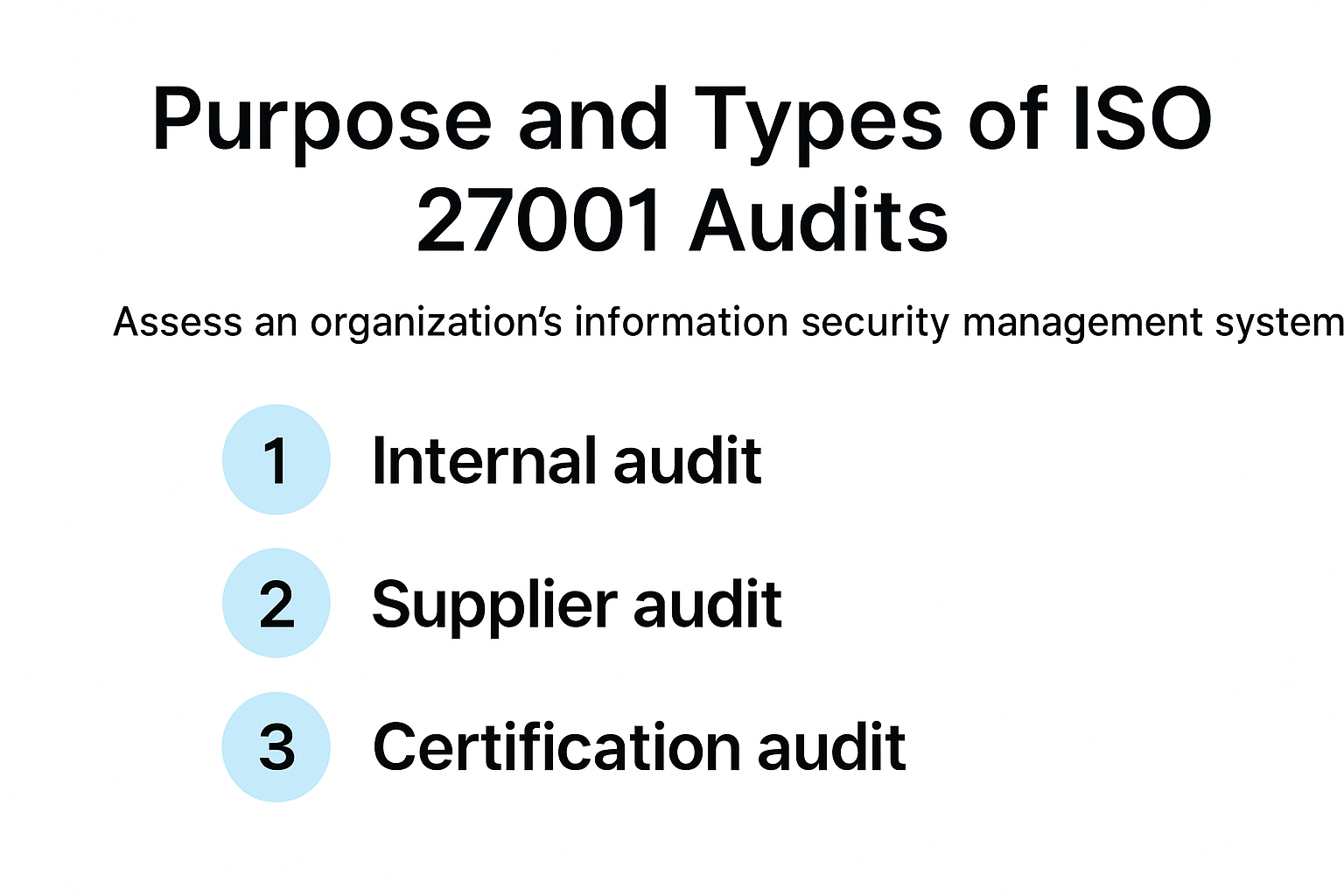
An ISO 27001 audit is a comprehensive evaluation process designed to assess an organization's Information Security Management System (ISMS) against the rigorous standards established by the ISO/IEC 27001 international framework. This systematic review ensures that an organization's information security practices meet critical benchmarks for protecting sensitive data, managing risks, and maintaining robust security controls.
The Purpose of ISO 27001 Audits
The primary objective of an ISO 27001 audit is to verify that an organization's information security management system is not just implemented, but effectively functioning and continuously improving. Unlike simple compliance checks, these audits provide a deep dive into an organization's security infrastructure, examining how well information assets are protected across multiple dimensions.
Key purposes include:
- Identifying Security Vulnerabilities: Uncovering potential weaknesses in information security processes
- Ensuring Regulatory Compliance: Validating adherence to international security standards
- Risk Management: Systematically evaluating and mitigating potential security risks
Types of ISO 27001 Audits
Organizations typically undergo two primary types of ISO 27001 audits. The International Organization for Standardization outlines these distinct audit approaches:
-
Internal Audits: Conducted by the organization's own qualified internal auditors, these assessments help prepare for external certification. They provide an opportunity for self-evaluation and proactive improvement before the formal certification process.
-
External Certification Audits: Performed by independent, accredited third-party auditors, these comprehensive evaluations determine whether an organization qualifies for ISO 27001 certification. These audits are crucial for obtaining and maintaining the internationally recognized security standard.
A typical ISO 27001 audit involves:
- Comprehensive document review
- On-site security control assessments
- Interviews with key security and management personnel
- Detailed analysis of risk management procedures
- Evaluation of incident response mechanisms
Successful completion of an ISO 27001 audit demonstrates an organization's commitment to maintaining the highest standards of information security. It provides stakeholders, clients, and partners with confidence that sensitive data is being managed with utmost care and professional rigor.
For organizations operating in industries handling sensitive information—such as finance, healthcare, and technology—an ISO 27001 audit is not just a certification, but a critical strategy for protecting digital assets and maintaining organizational trust.
The Stages of ISO 27001 Audit
The ISO 27001 audit process is a structured, multi-stage approach that systematically evaluates an organization's Information Security Management System (ISMS). Thoropass outlines a comprehensive framework that helps organizations navigate the complex certification journey with precision and clarity.
Preparation and Initial Assessment
Before the formal audit begins, organizations must undertake critical preparatory work. This initial stage involves developing a robust ISMS that meets ISO 27001 requirements. Key activities include:
- Conducting a thorough risk assessment
- Developing comprehensive security policies
- Implementing necessary security controls
- Creating detailed documentation of information security processes
Organizations must demonstrate a proactive approach to information security, mapping out potential vulnerabilities and establishing clear mitigation strategies. The Boulay Group emphasizes that this preparation is crucial for a successful audit outcome.

Two-Stage Certification Audit Process
The ISO 27001 certification audit is divided into two distinct stages, each serving a specific purpose in verifying the organization's information security management:
-
Stage 1: Documentation Review
- Auditors conduct a comprehensive review of the organization's ISMS documentation
- Verify that all required documentation is in place and meets ISO 27001 standards
- Assess the organization's readiness for the full certification audit
- Identify any potential gaps or areas requiring improvement
-
Stage 2: Implementation and Effectiveness Audit
- On-site evaluation of the ISMS implementation
- In-depth examination of security controls and their practical application
- Interviews with key personnel
- Detailed assessment of how security policies are actually executed
Ongoing Compliance and Maintenance
Certification is not a one-time event but an ongoing commitment to information security. Secureframe highlights the importance of continued vigilance:
- Surveillance Audits: Annual checks to ensure continued compliance
- Recertification Audit: Comprehensive review every three years
- Continuous Improvement: Regular updates to the ISMS
The audit process requires organizations to demonstrate not just initial compliance, but a sustained commitment to information security. Auditors look for evidence of continuous improvement, adaptability to emerging threats, and a proactive approach to managing information security risks.
Successful completion of these stages results in ISO 27001 certification, a powerful testament to an organization's dedication to protecting sensitive information. It signals to stakeholders, clients, and partners that the organization maintains the highest standards of information security management.
While the process may seem complex, it provides a structured pathway for organizations to build, implement, and continuously improve their information security practices. The investment in this rigorous audit process ultimately translates to enhanced protection, reduced risk, and increased stakeholder confidence.
Preparing for Your ISO 27001 Audit
Preparing for an ISO 27001 audit requires a strategic and comprehensive approach that goes beyond simple documentation. AuditBoard emphasizes that successful preparation involves a holistic examination of an organization's information security infrastructure, requiring meticulous planning and proactive management.
Defining ISMS Scope And Documentation
The foundation of ISO 27001 audit preparation lies in precisely defining the Information Security Management System (ISMS) scope. BD Emerson recommends organizations develop and collect critical documentation, including:
- ISMS Scope Statement: Clearly defining the boundaries of information security management
- Information Security Policy: Comprehensive guidelines for protecting organizational assets
- Risk Assessment and Treatment Plans: Detailed analysis of potential security vulnerabilities
- Asset Inventory: Comprehensive catalog of critical information resources
- Responsibility Definitions: Clear delineation of security roles and accountability
Organizations must create a robust documentation framework that demonstrates systematic approach to information security management. This documentation serves as the primary evidence auditors will review during the certification process.
Key Preparation Strategies
Effective ISO 27001 audit preparation involves several critical strategies:
-
Comprehensive Risk Assessment
- Identify and prioritize information security risks
- Develop mitigation strategies for potential vulnerabilities
- Create a risk treatment plan that addresses identified security gaps
-
Employee Training and Awareness
- Conduct mandatory security awareness training
- Ensure all employees understand their roles in maintaining information security
- Develop clear communication channels for reporting potential security incidents
-
Internal Audit Preparation
- Conduct pre-audit internal assessments
- Simulate audit conditions to identify potential weaknesses
- Develop corrective action plans for any identified gaps
Documentation and Evidence Management
Successful audit preparation requires meticulous documentation management. Organizations must:
- Maintain clear, organized records of all security processes
- Provide evidence of consistent implementation of security controls
- Demonstrate continuous improvement in information security practices
AuditBoard notes that auditors will look for tangible proof of systematic security management, not just theoretical documentation.
Preparing for an ISO 27001 audit is not a one-time event but an ongoing process of continuous improvement. Organizations must view the audit as an opportunity to strengthen their information security posture, rather than a mere compliance exercise.
The most successful organizations approach ISO 27001 audit preparation as a strategic initiative that enhances overall organizational resilience. By developing a comprehensive, proactive approach to information security, companies can not only pass their audit but also significantly reduce their risk of security breaches and protect their most valuable assets.
Choosing the Right ISO 27001 Auditor
Selecting the appropriate ISO 27001 auditor is a critical decision that can significantly impact an organization's information security certification journey. Cloud Security Alliance emphasizes that the right auditor serves as more than a compliance checker—they are a strategic partner in strengthening an organization's information security framework.
Accreditation and Credentials
The foundation of choosing a qualified ISO 27001 auditor lies in understanding their professional credentials and accreditation. Key considerations include:
- Formal Accreditation: Verification by recognized bodies such as ANAB (American National Accreditation Board) or UKAS (United Kingdom Accreditation Service)
- Professional Certifications: Credentials like Certified Information Systems Auditor (CISA) or Certified Information Security Manager (CISM)
- Industry-Specific Experience: Demonstrated expertise in your organization's specific sector
Schellman & Company highlights that accreditation ensures the auditor meets stringent international standards for competence, impartiality, and professional conduct.
Evaluating Auditor Capabilities
Beyond basic credentials, organizations must assess an auditor's comprehensive capabilities:
-
Technical Expertise
- Deep understanding of information security frameworks
- Knowledge of current cybersecurity threats and mitigation strategies
- Ability to provide nuanced recommendations
-
Communication Skills
- Clear, constructive feedback mechanisms
- Ability to explain complex security concepts
- Collaborative approach to identifying improvement opportunities
-
Independence and Objectivity
- No conflicts of interest
- Commitment to unbiased assessment
- Transparent reporting practices
Selection Process and Due Diligence
Choosing the right ISO 27001 auditor requires a methodical approach:
- Request detailed proposals from multiple accredited auditing firms
- Conduct thorough reference checks
- Review past audit reports and client testimonials
- Assess the auditor's understanding of your specific organizational context
- Evaluate their approach to continuous improvement and ongoing support
Organizations should view the auditor selection process as an investment in their long-term information security strategy. The right auditor not only helps achieve certification but also provides valuable insights for enhancing overall security posture.
Remember that the auditor's role extends beyond a single certification cycle. They should be viewed as a strategic partner who can help navigate evolving security landscapes, identify potential vulnerabilities, and support continuous improvement of the Information Security Management System (ISMS).
Ultimately, selecting an ISO 27001 auditor is about finding a trusted advisor who combines technical expertise, industry knowledge, and a commitment to helping organizations build resilient, secure information management practices. The right auditor transforms the certification process from a compliance exercise into a meaningful opportunity for organizational growth and security enhancement.
Frequently Asked Questions
What is an ISO 27001 audit?
An ISO 27001 audit is a comprehensive evaluation of an organization's Information Security Management System (ISMS) to ensure it meets the standards of the ISO/IEC 27001 framework for information security.
Why are ISO 27001 audits important?
ISO 27001 audits are crucial because they help organizations identify security vulnerabilities, ensure regulatory compliance, and systematically manage information security risks to protect sensitive data.
How do I prepare for an ISO 27001 audit?
Preparing for an ISO 27001 audit involves defining the ISMS scope, conducting risk assessments, developing security policies, creating comprehensive documentation, and ensuring employee awareness and training.
How do I choose the right ISO 27001 auditor?
To select the right ISO 27001 auditor, look for their accreditation and credentials, assess their technical expertise and communication skills, and ensure they have industry-specific experience relevant to your organization.
Elevate Your ISO 27001 Audit Preparation with Skypher
As organizations delve into the complexities of ISO 27001 audits, one reoccurring challenge stands out: efficiently managing the documentation and processes required for a robust Information Security Management System (ISMS). Preparing for an audit isn’t just about compliance; it’s about maintaining continuous improvement and heightened security resilience. Let’s face it, sifting through endless security questionnaires can be a headache, but there’s a smarter way to streamline this process.
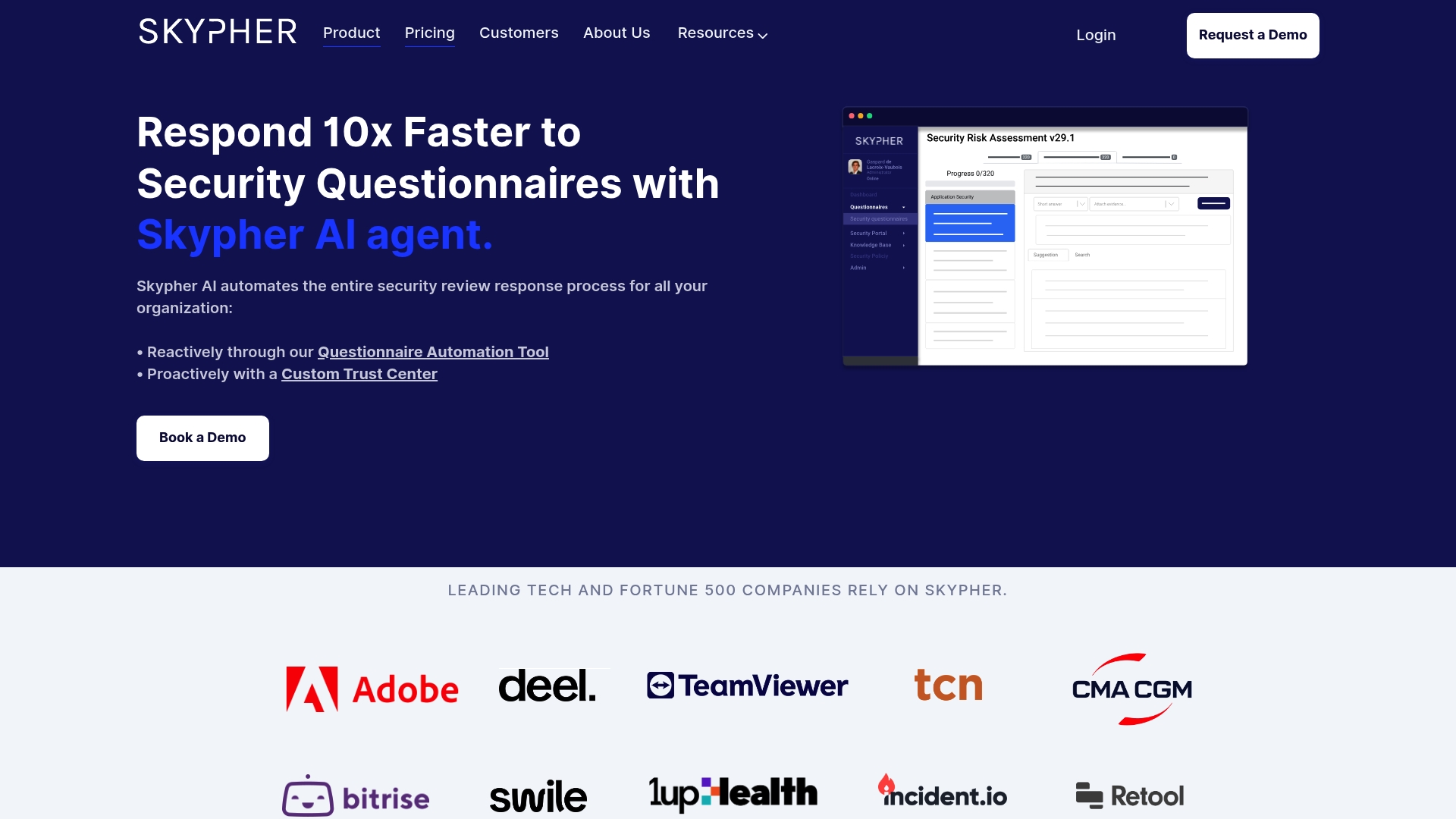
Meet Skypher—your dedicated partner in transforming the audit preparation experience. With our powerful AI-driven Questionnaire Automation Tool, you can complete security reviews significantly faster and with greater accuracy. Our platform enables seamless collaboration across your teams, integrates with more than 40 third-party risk management platforms, and offers a customizable Trust Center tailored to your needs. No more fumbling through data; it’s time to enhance your cybersecurity posture while improving operational productivity.
Ready to simplify your ISO 27001 audit preparation? Visit https://skypher.co to discover how Skypher can turn your compliance challenges into agility. Start revolutionizing your security questionnaire process today—your streamlined audit experience awaits!