

The digital landscape is a double-edged sword. On one side, it empowers businesses to innovate and grow, but on the other, it exposes them to a staggering rise in cyber threats. Research shows that the MSSP market is expected to reach $65.53 billion by 2028, highlighting the urgency for effective security solutions. But here's the twist: as organizations scramble to protect themselves, many overlook the fact that the biggest threat might just be their own internal systems. Engaging a Managed Security Service Provider could be the game-changer they need to safeguard against evolving attacks.
Defining Managed Security Providers
The digital landscape has transformed how businesses operate, but with this evolution comes greater exposure to cyber threats. As organizations struggle to maintain robust security postures against increasingly sophisticated attacks, many turn to specialized external help. This is where Managed Security Service Providers (MSSPs) enter the picture.
What Is a Managed Security Service Provider (MSSP)?
A Managed Security Service Provider (MSSP) is a third-party organization that assumes responsibility for monitoring, managing, and enhancing an organization's security posture. Rather than handling complex security operations in-house, businesses partner with MSSPs to leverage specialized expertise and technology that would otherwise be difficult or costly to develop internally.
At its core, the managed security service provider definition encompasses a relationship where security functions are outsourced to experts who provide continuous protection against cyber threats. This arrangement allows internal IT teams to focus on core business operations while security specialists handle the ever-evolving threat landscape.
Research from the Cloud Security Alliance indicates that the MSSP market is projected to grow to $65.53 billion by 2028, reflecting the increasing demand for professional security services across industries. This growth underscores the critical role MSSPs play in modern business operations.
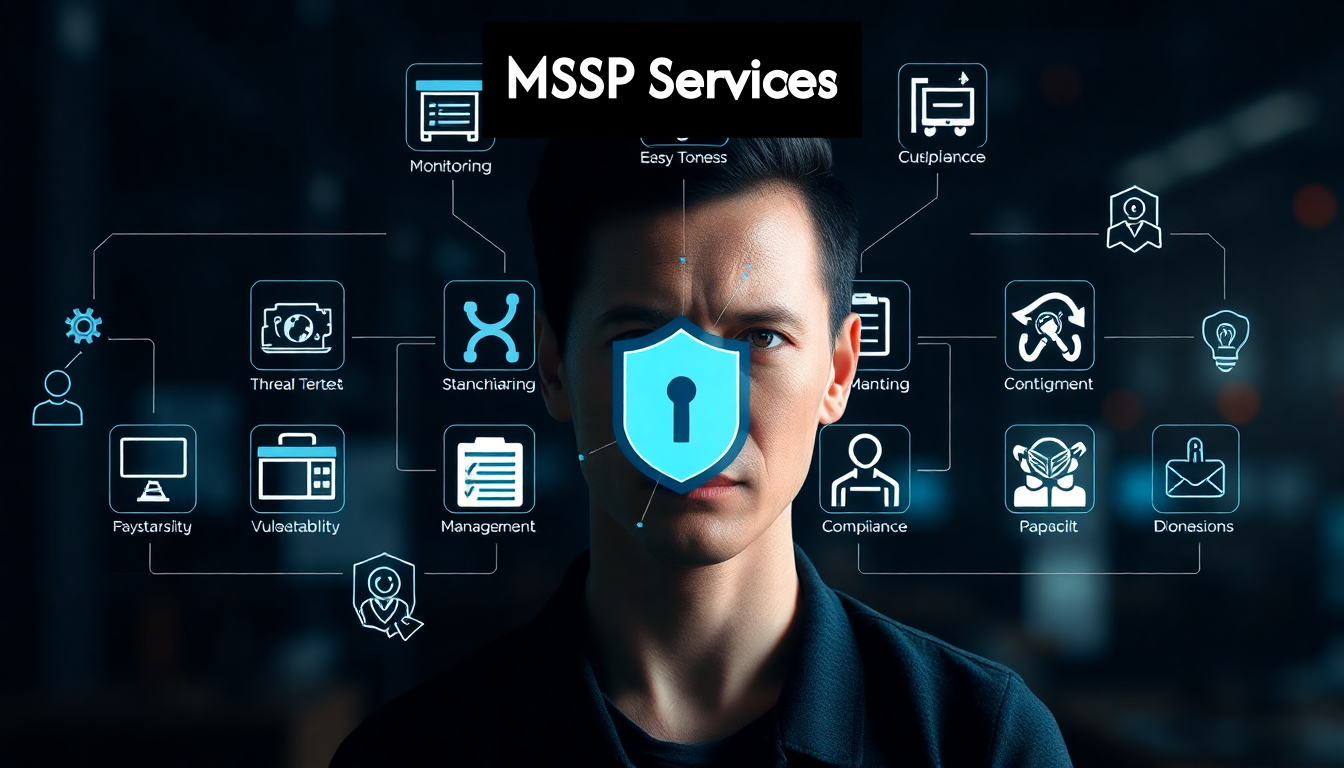
Key Components of MSSP Services
MSSPs offer a comprehensive suite of services designed to protect organizations from various security threats. These typically include:
- Continuous Monitoring: 24/7 surveillance of networks, systems, and applications to detect suspicious activities or potential breaches
- Threat Detection and Response: Identification of security incidents and implementation of appropriate countermeasures
- Vulnerability Management: Regular scanning, assessment, and remediation of security vulnerabilities
- Security Infrastructure Management: Oversight of firewalls, intrusion detection systems, and other security technologies
Beyond these technical services, MSSPs provide strategic value through security assessments, compliance support, and security policy development. They help organizations navigate complex regulatory requirements such as HIPAA, GDPR, and industry-specific standards.
The Distinction Between MSSPs and MSPs
While the terms are sometimes used interchangeably, there's an important distinction between Managed Security Service Providers (MSSPs) and Managed Service Providers (MSPs). MSPs typically offer broader IT services that may include some security components, but security isn't their primary focus. MSSPs, on the other hand, specialize exclusively in cybersecurity services.
This distinction is crucial for organizations with significant security requirements or those operating in heavily regulated industries. An MSSP brings specialized expertise, dedicated security tools, and a singular focus on protecting digital assets that general MSPs may not provide.
A true MSSP maintains advanced security operations centers (SOCs), employs certified security professionals, and invests heavily in cutting-edge security technologies. They stay current with emerging threats and evolving attack vectors, providing a level of protection that would be difficult for most organizations to achieve independently.
Whether referred to as managed security services, cybersecurity mssp, or managed security provider, these specialized partners have become essential allies in the ongoing battle against cybercrime. As threats continue to evolve in sophistication and scale, the role of MSSPs will likely become even more vital to organizational security strategies.
Key Takeaways
| Takeaway | Explanation |
|---|---|
| What is an MSSP? | A Managed Security Service Provider (MSSP) is a third-party organization that monitors, manages, and enhances an organization's security posture, allowing internal IT teams to focus on core business operations while protecting against cyber threats. |
| Cost-Effective Security Expertise | MSSPs provide access to high-level security expertise and advanced technologies at a lower cost than establishing an in-house team, making enterprise-grade security services accessible to organizations of all sizes. |
| 24/7 Monitoring and Rapid Response | MSSPs offer continuous monitoring through dedicated Security Operations Centers (SOCs), ensuring early threat detection, immediate incident response, and proactive threat hunting to minimize potential damage from cyber incidents. |
| Enhanced Compliance Management | MSSPs specialize in navigating complex regulatory frameworks and offer compliance support, maintaining documentation and conducting audits to help organizations adhere to various regulatory requirements. |
| Choosing the Right MSSP | Evaluate potential MSSPs based on industry expertise, comprehensive service capabilities, technology partnerships, and clear service level agreements to ensure alignment with your organization's specific security needs and objectives. |
Key Benefits for Business Security
In today's hyperconnected world, cybersecurity isn't just a technical necessity—it's a strategic business imperative. As cyber threats grow more sophisticated, organizations across industries are turning to Managed Security Service Providers (MSSPs) to strengthen their security posture. This partnership delivers several critical advantages that extend well beyond basic protection.
Cost-Effective Security Expertise
One of the most compelling benefits of engaging an MSSP is access to high-level security expertise without the corresponding price tag of building an in-house team. Security professionals command premium salaries, require continuous training, and utilize expensive tools. For many organizations, particularly small and medium-sized businesses, this level of investment is prohibitive.
MSSPs distribute these costs across multiple clients, making enterprise-grade security accessible at a fraction of the cost. This arrangement transforms unpredictable capital expenditures into manageable operational expenses through subscription-based pricing models. Organizations gain access to teams of certified security professionals and advanced security technologies without significant upfront investment.
Research published in the Journal of Student Research highlights this dual impact of cybersecurity, noting that while robust protection offers substantial benefits, the high costs and management overhead can be challenging for businesses to absorb independently. MSSPs effectively address this challenge through their service model.
24/7 Monitoring and Rapid Response
Cyber threats don't operate on business hours. Attacks can occur at any time, and the speed of response often determines the extent of damage. MSSPs offer round-the-clock monitoring through dedicated Security Operations Centers (SOCs), ensuring that potential threats are identified and addressed promptly, regardless of when they emerge.
This continuous vigilance provides several advantages:
- Early Threat Detection: Identifying suspicious activities before they escalate into full-scale breaches
- Immediate Incident Response: Deploying countermeasures at the first sign of compromise
- Threat Hunting: Proactively searching for threats that may have evaded initial detection systems
- Continuous Improvement: Learning from incidents to strengthen defenses against future attacks
This level of continuous monitoring would require organizations to maintain multiple shifts of security analysts—a resource commitment that exceeds what most businesses can justify independently.
Enhanced Compliance Management
Navigating the complex landscape of regulatory requirements presents significant challenges for businesses across industries. From HIPAA in healthcare to PCI DSS in retail, GDPR for companies handling European data, and industry-specific regulations, compliance demands continue to multiply.
MSSPs specialize in understanding these regulatory frameworks and can implement the necessary controls to ensure compliance. They maintain documentation, conduct regular audits, and provide reports that demonstrate adherence to required standards. This expertise is particularly valuable when regulations change or new requirements emerge, as MSSPs stay current with evolving compliance landscapes.
Beyond avoiding penalties, proper compliance management through an MSSP partnership helps organizations build trust with customers and partners who increasingly evaluate security practices before forming business relationships.
Scalable Security Infrastructure
Business growth often outpaces security infrastructure development. As organizations expand—adding new locations, employees, devices, and applications—security requirements evolve rapidly. MSSPs provide scalable solutions that can grow alongside the business without significant reconfiguration or investment.
Whether an organization is experiencing organic growth, launching new digital initiatives, or undergoing merger and acquisition activities, MSSPs can adapt security coverage to accommodate changing needs. This scalability ensures that security remains proportionate to risk exposure, regardless of how quickly the organization evolves.
The flexibility of managed security services allows businesses to focus on growth opportunities without security becoming a limiting factor or an afterthought in strategic planning. This agility represents a significant advantage in competitive markets where speed to market can determine success.
How Providers Enhance IT Defense
The cybersecurity landscape continues to evolve at a rapid pace, with threats becoming more sophisticated and persistent. Managed Security Service Providers (MSSPs) employ advanced methodologies and technologies to strengthen organizational defenses beyond what most internal IT teams can achieve. Understanding these approaches reveals why MSSPs have become critical partners in modern security strategies.
Advanced Threat Intelligence Integration
One of the most significant advantages MSSPs bring to IT defense is their access to comprehensive threat intelligence. Unlike internal security teams that typically rely on limited information sources, MSSPs aggregate threat data from thousands of clients across various industries and geographies. This collective intelligence creates a powerful knowledge base that enables faster identification of emerging threats and attack patterns.
MSSPs maintain dedicated threat intelligence teams that analyze global security trends, monitor dark web activities, and track threat actor behaviors. This intelligence is then integrated into defensive systems to create proactive protection. When a new attack methodology appears in one sector, MSSPs can rapidly deploy countermeasures across their entire client base, effectively immunizing organizations against threats they haven't yet encountered.
This shared intelligence model creates a network effect where each client benefits from the collective security experiences of the entire MSSP ecosystem. The value of this approach increases over time as the intelligence repository grows and defense mechanisms become more refined.
Multi-layered Security Architecture
MSSPs implement defense-in-depth strategies that create multiple security layers to protect critical assets. Rather than relying on single-point solutions, these providers develop comprehensive security architectures that address vulnerabilities at every level of the technology stack.
This multi-layered approach typically includes:
- Network Perimeter Protection: Advanced firewalls, intrusion prevention systems, and traffic analysis tools
- Endpoint Security: Next-generation antivirus, endpoint detection and response (EDR), and application control
- Identity and Access Management: Strong authentication methods, privilege management, and access monitoring
- Data Protection: Encryption, data loss prevention, and secure storage solutions
By implementing overlapping security controls, MSSPs ensure that if one defensive layer is compromised, others remain intact to contain and mitigate the threat. This approach significantly increases the difficulty for attackers, who must overcome multiple barriers to reach valuable assets.

Adaptive Security Frameworks
Leading MSSPs employ adaptive security frameworks that evolve continuously in response to changing threat landscapes. These frameworks move beyond static defenses to incorporate dynamic protection mechanisms that can respond to emerging threats in real-time.
One innovative approach gaining traction is Moving Target Defense (MTD), which fundamentally changes how systems are protected. Rather than maintaining static environments that attackers can study and exploit, MTD introduces unpredictability into IT systems. This approach involves regularly changing system configurations, network topologies, and application environments to disrupt attacker reconnaissance and exploitation efforts.
Research published on arXiv demonstrates that well-implemented MTD strategies can defend systems for up to 90% of operation time, even against sophisticated attackers, while operating within limited security budgets. MSSPs are uniquely positioned to implement such strategies due to their advanced automation capabilities and extensive expertise.
Proactive Vulnerability Management
While traditional security approaches often focus on threat detection after the fact, MSSPs emphasize proactive vulnerability management to address security gaps before they can be exploited. This forward-looking stance involves systematic identification, assessment, and remediation of vulnerabilities across the IT environment.
The proactive approach includes:
- Regular vulnerability scanning of networks, systems, and applications
- Penetration testing to identify exploitable weaknesses
- Security configuration reviews to ensure systems follow best practices
- Patch management to address known vulnerabilities promptly
This continuous assessment process helps organizations maintain a strong security posture by addressing weaknesses before attackers can discover and exploit them. MSSPs bring automation and expertise to this process, ensuring comprehensive coverage and prioritizing remediation efforts based on risk levels.
By combining these sophisticated defense strategies, MSSPs deliver a level of protection that exceeds what most organizations could achieve independently. Their specialized focus, extensive resources, and accumulated expertise create security capabilities that adapt to the ever-changing threat landscape while maintaining operational efficiency.
Choosing the Right Security Partner
Selecting the right Managed Security Service Provider (MSSP) is a decision that can significantly impact an organization's security posture for years to come. With numerous providers in the market making similar promises, organizations need a structured approach to evaluate potential security partners. This process requires careful consideration of several key factors beyond basic service offerings and price points.
Assessing Industry Experience and Expertise
Not all security challenges are created equal. Different industries face unique threats, regulatory requirements, and security objectives. A provider with deep experience in your specific industry brings valuable context and specialized knowledge that can dramatically improve security outcomes.
According to cybersecurity firm Emagined Security, expertise and experience should be paramount when selecting a cybersecurity partner. Organizations should seek providers with proven experience in their industry, demonstrable success in similar projects, and a long-standing presence in the field.
When evaluating potential MSSPs, consider:
- Their track record with organizations similar to yours in size and industry
- Case studies and references from existing clients in your sector
- The backgrounds and certifications of their security personnel
- Their familiarity with industry-specific regulations and compliance requirements
A provider that understands your industry's unique challenges will deliver more effective protection than one that offers generic security services. This specialized knowledge allows them to anticipate industry-specific threats and implement appropriate countermeasures proactively.
Evaluating Comprehensive Service Capabilities
Security needs evolve over time, and organizations often require different services as they mature. Selecting an MSSP with comprehensive capabilities prevents the need to engage multiple vendors as security requirements change.
A well-rounded MSSP should offer services across the security spectrum, including:
- Security Monitoring and Management: 24/7 monitoring, alert triage, and incident response
- Threat Intelligence: Collection, analysis, and integration of threat data
- Vulnerability Management: Regular scanning, assessment, and remediation guidance
- Security Testing: Penetration testing, red team exercises, and security assessments
- Compliance Support: Assistance with regulatory requirements and security frameworks
Beyond the breadth of services, evaluate the depth of expertise in each area. Some MSSPs excel in specific domains while offering only basic capabilities in others. Understanding these strengths and limitations helps align provider selection with your organization's most critical security priorities.
Examining Technology Partnerships and Platform
The technology foundation supporting an MSSP's services significantly impacts their effectiveness. Leading providers typically maintain strong partnerships with major security vendors while developing their own proprietary tools to enhance service delivery.
When evaluating an MSSP's technology approach, consider:
- Integration capabilities with your existing security infrastructure
- The maturity and capabilities of their security operations platform
- Their investment in automation and analytics to improve detection and response
- Flexibility to adapt as security technologies evolve
The most effective MSSPs combine best-of-breed commercial technologies with their own intellectual property, creating a unique service delivery platform that differentiates them from competitors. This hybrid approach allows them to deliver standardized services efficiently while addressing client-specific requirements.
Understanding Service Level Agreements and Reporting
Service Level Agreements (SLAs) define the expectations between your organization and the MSSP. These agreements should clearly articulate response times, resolution objectives, and communication protocols for different types of security incidents.
Beyond technical SLAs, consider how the MSSP communicates value through reporting and business reviews. Effective security partners provide:
- Clear, actionable reporting that translates technical details into business context
- Regular service reviews that demonstrate security improvements over time
- Metrics that align with your organization's security objectives
- Executive-level communications that help justify security investments
Transparency in operations and reporting builds trust and ensures that both parties maintain aligned expectations throughout the relationship. An MSSP that excels in communication often delivers greater perceived value than one that performs similar technical functions without clear articulation of results.
Choosing the right security partner requires balancing technical capabilities, industry expertise, service delivery models, and cultural alignment. By thoroughly evaluating potential providers across these dimensions, organizations can identify partners that will enhance their security posture while supporting broader business objectives.
Frequently Asked Questions
What is a Managed Security Service Provider (MSSP)?
A Managed Security Service Provider (MSSP) is a third-party organization that monitors, manages, and enhances an organization's security posture, allowing internal IT teams to focus on core business operations while protecting against cyber threats.
What are the benefits of using an MSSP?
Using an MSSP provides access to expert security resources, 24/7 monitoring, rapid incident response, enhanced compliance management, and cost-effective security solutions tailored to an organization's needs.
How do MSSPs differ from Managed Service Providers (MSPs)?
MSSPs specialize exclusively in cybersecurity services, while MSPs provide broader IT services that may include some security components. MSSPs focus on protecting digital assets against cyber threats, whereas MSPs have a wider range of IT responsibilities.
How can an organization choose the right MSSP?
Organizations should evaluate MSSPs based on their industry experience, comprehensive service capabilities, technology partnerships, and clear service level agreements. This ensures alignment with specific security needs and objectives.
Unlock the Power of Security Automation with Skypher
As organizations navigate the complex cybersecurity landscape, the need for continuous monitoring and rapid incident response cannot be overstated. Just like Managed Security Service Providers (MSSPs) offer dedicated expertise and proactive protection, Skypher provides essential tools designed to enhance your security review processes seamlessly. By leveraging our AI-driven Questionnaire Automation Tool, you can streamline your security questionnaire responses, enabling your team to focus on what truly matters—protecting your digital assets and maintaining trust with clients.
Skypher's platform is your ally in combating inefficiencies that plague traditional security assessments. With real-time collaboration, integration with over 40 TPRM platforms, and a customizable Trust Center, you can ensure that all compliance requirements are met while significantly reducing turnaround time for proofs of concept (POCs) and contracts. Don’t let cybersecurity challenges slow your business growth. Take action NOW! Enhance your organization’s cybersecurity posture while empowering your teams with Skypher—visit https://skypher.co today and revolutionize the way you manage security questionnaires!