

Nearly 60 percent of organizations worldwide now use artificial intelligence to defend against cyberattacks, and that number keeps rising. With hackers using ever more advanced tactics, staying ahead has become a race where milliseconds matter. AI is changing how cybersecurity experts spot threats, respond to incidents, and protect critical data, giving teams the power to outpace cybercriminals with smarter, faster defense strategies.
Table of Contents
- Defining the Role of AI in Cybersecurity
- Types of AI Technologies Used in Security
- How AI Enhances Threat Detection and Response
- AI Automation in Security Workflows and Questionnaires
- Benefits, Risks, and Common Deployment Challenges
Key Takeaways
| Point | Details |
|---|---|
| AI Enhances Cybersecurity | AI transforms cybersecurity through advanced threat detection, incident response, and proactive defense strategies. |
| Core AI Technologies | Machine learning, natural language processing, and deep learning are key technologies revolutionizing security capabilities. |
| Workflow Automation | AI streamlines security workflows by automating routine tasks, allowing human experts to focus on strategic decision-making. |
| Benefits and Risks | While AI offers rapid threat detection and adaptability, it also introduces vulnerabilities that organizations must manage carefully. |
Defining the Role of AI in Cybersecurity
Artificial intelligence represents a transformative technology rapidly reshaping cybersecurity defense strategies. According to research from ISACA, AI significantly enhances threat detection, intrusion prevention, and incident response capabilities across organizational security infrastructures.
Machine learning algorithms enable AI systems to continuously analyze massive datasets, identifying subtle patterns and anomalies that traditional security tools might miss. By processing network traffic, user behaviors, and system logs in real-time, AI can detect potential cybersecurity threats with unprecedented speed and accuracy. Research indicates these systems can recognize complex attack signatures faster than human analysts, providing critical milliseconds of advanced warning.
The core capabilities of AI in cybersecurity include:
- Predictive threat intelligence
- Automated vulnerability assessment
- Real-time network monitoring
- Intelligent incident response
- Advanced malware detection
As cyber threats become increasingly sophisticated, AI powered recommendation engine technologies are evolving to stay ahead of potential security breaches. Machine learning models can now anticipate potential attack vectors, recommend proactive defense mechanisms, and dynamically adapt security protocols based on emerging threat landscapes.
Types of AI Technologies Used in Security
Machine learning stands at the forefront of cybersecurity AI technologies, enabling sophisticated threat detection and prevention mechanisms. According to research from SpringerLink, key AI technologies in cybersecurity encompass diverse approaches that transform traditional security paradigms.
Three primary AI technologies are revolutionizing cybersecurity defense strategies:
Here's a comparison of primary AI technologies in cybersecurity and their applications:
| AI Technology | Core Function | Key Applications |
|---|---|---|
| Machine Learning Algorithms | Pattern & anomaly detection | Threat prediction<br>Automated vulnerability scans |
| Natural Language Processing | Textual data interpretation | Log analysis<br>Threat intelligence parsing |
| Deep Learning Neural Networks | Complex data pattern recognition | Intricate attack detection<br>Autonomous threat hunting |
- Machine Learning Algorithms: Analyze historical and real-time data to predict and identify potential security threats
- Natural Language Processing (NLP): Examine textual data from communication channels, logs, and threat intelligence reports
- Deep Learning Neural Networks: Process complex, multi-dimensional data to detect intricate attack patterns
Research from arXiv highlights autonomous threat hunting as a cutting-edge application of AI technologies. These advanced systems leverage artificial neural networks and machine learning algorithms to proactively scan network environments, identifying and neutralizing potential cyber threats before they can cause significant damage. By continuously learning from new data and adapting to emerging threat landscapes, these AI technologies provide dynamic and intelligent security solutions.
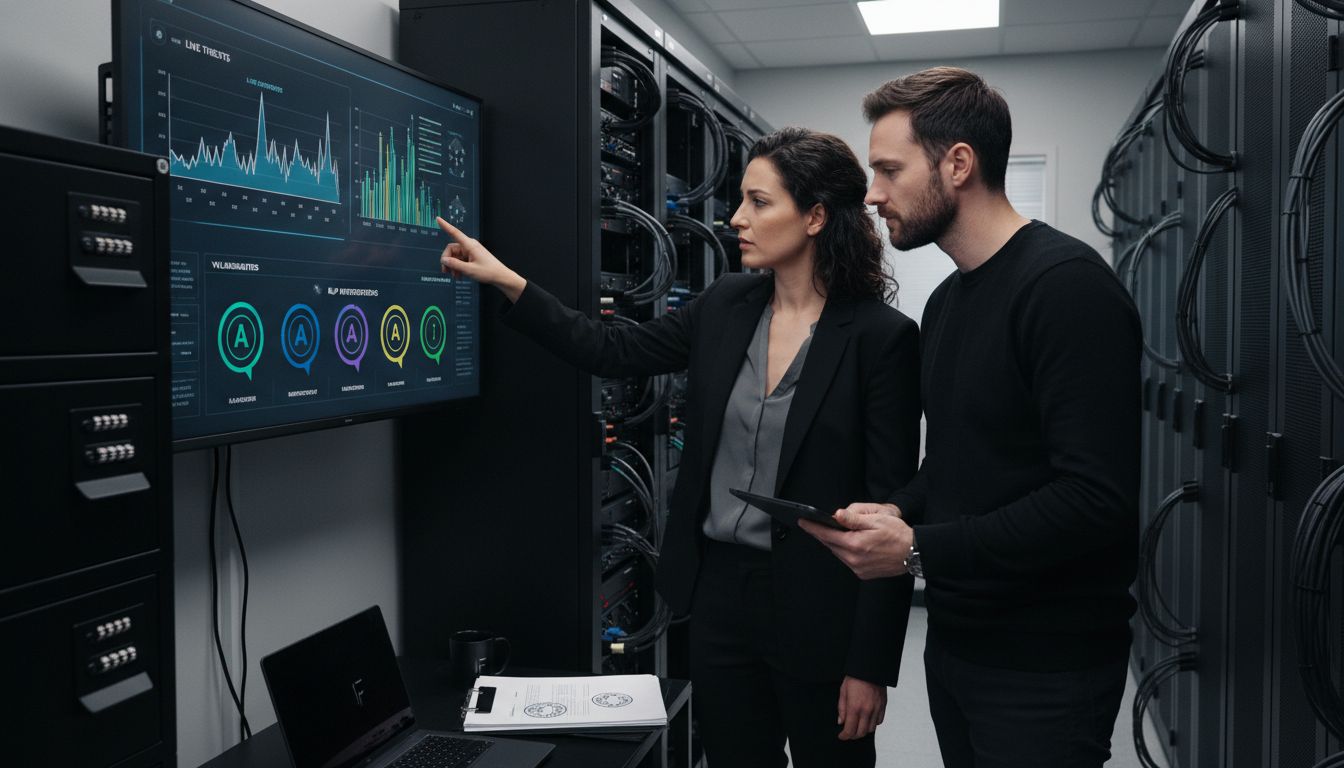
Moreover, Understanding GRC Cyber Security emphasizes that AI technologies are not just reactive tools but strategic assets in developing comprehensive cybersecurity frameworks. The integration of these technologies enables organizations to move from traditional, rule-based security approaches to intelligent, predictive defense mechanisms that can anticipate and mitigate potential risks with unprecedented precision.
How AI Enhances Threat Detection and Response
Artificial intelligence is transforming cybersecurity threat detection by enabling unprecedented analytical capabilities. According to research from Acadlore, AI systems can analyze massive datasets with remarkable speed, identifying subtle anomalies and potential security threats that traditional monitoring tools might overlook.
Autonomous threat detection represents a quantum leap in cybersecurity defense strategies. Advanced AI algorithms continuously scan network environments, processing millions of data points in real-time to distinguish between normal behavioral patterns and potential security breaches. This approach allows organizations to shift from reactive to proactive security models, anticipating and neutralizing threats before they can cause significant damage.
Key capabilities of AI in threat detection include:
- Rapid pattern recognition across complex network infrastructures
- Real-time anomaly identification
- Predictive threat modeling
- Automated vulnerability assessment
- Intelligent incident response coordination
Research from arXiv highlights an intriguing dimension of AI-driven cybersecurity: the ability of AI agents to not just detect but also comprehend potential security vulnerabilities. These intelligent systems can autonomously explore and analyze potential exploit paths, providing security teams with comprehensive insights into potential system weaknesses. With Automated Review Cycles & Duplicate Detection, organizations can leverage these advanced AI capabilities to create more robust and adaptive security frameworks that evolve alongside emerging technological challenges.
AI Automation in Security Workflows and Questionnaires
AI is revolutionizing security workflows by transforming traditionally manual and time-consuming processes into streamlined, intelligent systems. According to research from arXiv, integrating AI into cybersecurity workflows enables organizations to automate routine tasks, allowing human experts to redirect their focus toward complex decision-making and strategic problem-solving.
Workflow automation represents a critical breakthrough in cybersecurity management. AI-powered systems can now autonomously handle multiple critical functions, including:
- Rapid security questionnaire processing
- Intelligent threat prioritization
- Automated risk assessment
- Continuous compliance monitoring
- Real-time vulnerability scanning
However, implementing AI automation is not without challenges. Research from arXiv emphasizes the importance of carefully navigating ethical and regulatory landscapes when deploying these technologies. Organizations must balance technological efficiency with responsible implementation, ensuring that AI systems maintain transparency and adhere to stringent security standards. The Case for Security Questionnaire Automation highlights how strategic AI integration can dramatically reduce response times and minimize human error in complex security review processes, transforming what was once a labor-intensive task into a precise, rapid, and intelligent workflow.
Benefits, Risks, and Common Deployment Challenges
AI technologies in cybersecurity represent a double-edged sword, offering remarkable capabilities while simultaneously introducing complex challenges. According to research from ISACA, these technologies provide significant benefits such as enhanced threat detection and rapid response capabilities, but they also create unique vulnerabilities that organizations must carefully manage.
Key benefits of AI in cybersecurity include:
- Unprecedented threat detection speed
- Advanced predictive analytics
- Continuous learning and adaptation
- Reduced human error
- Automated complex pattern recognition
However, deployment challenges are substantial. Research from Axios highlights critical risks, including the potential for AI tools to be exploited by sophisticated cybercriminals. Organizations must develop robust security frameworks that account for these emerging threats. By understanding and implementing comprehensive risk mitigation strategies, cybersecurity teams can harness AI's potential while maintaining a proactive defense posture. Comprehensive Guide to Third Party Vendor Risk Assessment provides additional insights into managing technological risks and maintaining a resilient security infrastructure in an increasingly complex digital environment.
Elevate Your Cybersecurity Processes with AI-Powered Automation
Navigating the ever-evolving cybersecurity landscape demands tools that not only detect threats rapidly but also streamline complex security workflows. The challenges highlighted in the "Role of AI in Cybersecurity: Complete Guide for 2025" reflect critical pain points around managing security questionnaires efficiently while maintaining strong defense postures. Skypher offers a proven solution that automates these painstaking tasks using advanced AI technology designed specifically for organizations like yours in tech and finance.
Experience how our AI Questionnaire Automation Tool accelerates security review cycles by intelligently parsing every format and integrating with over 40 third-party risk management platforms. This means you can reduce manual errors, enhance collaboration through real-time integrations with Slack and MS Teams, and focus your team’s energy on truly strategic cybersecurity challenges rather than administrative overload.
Transform your security questionnaire process today with Skypher’s customizable Trust Center and powerful API integrations. Visit Skypher now to see how you can achieve faster, smarter, and more accurate security assessments that keep pace with evolving AI-driven cyber threats. Don’t let outdated workflows hold your cybersecurity efforts back. Act now and make AI-powered automation the backbone of your security operations.
Frequently Asked Questions
What role does AI play in cybersecurity?
AI enhances cybersecurity by improving threat detection, intrusion prevention, and incident response capabilities through machine learning and data analysis.
How does machine learning contribute to cybersecurity?
Machine learning algorithms analyze massive datasets to identify patterns and anomalies, allowing for faster and more accurate detection of potential security threats.
What are the benefits of using AI in threat detection?
AI provides unprecedented speed in threat detection, advanced predictive analytics, continuous learning, reduced human error, and automated pattern recognition, improving overall security measures.
What challenges come with deploying AI in cybersecurity?
Challenges include the risk of AI tools being exploited by cybercriminals, the need for transparency in AI systems, and the importance of navigating ethical and regulatory landscapes effectively.
Recommended
- Cybersecurity GRC: Essential Strategies for 2025 Success
- AI powered recommendation engine | Security Questionnaire Automation | Skypher
- Understanding GRC Cyber Security: Concepts and Importance
- 7 Essential Tips for Every GRC Analyst to Succeed
- The Impact of AI on SEO in 2025: Key Changes for Businesses