
Security management systems are no longer just a buzzword in corporate strategy. They represent an essential commitment to safeguarding critical business assets. But here's the kicker. Many organizations still overlook the shocking fact that the average cost of a data breach reached $4.45 million in 2023. That figure alone makes adopting robust security management systems more than just a smart move; it’s a survival tactic. The most successful companies understand that these systems provide dynamic, proactive strategies that go far beyond traditional security measures.
Table of Contents
- What is a security management system?
- Why You Need a Security Management System
- Key Components of a Security Management System
- Implementing Your Security Management System
Quick Summary
| Takeaway | Explanation |
|---|---|
| Comprehensive Risk Management is Essential | Implementing a security management system provides structured frameworks for identifying and mitigating risks, significantly reducing potential security incidents and financial losses. |
| Holistic Approach Combines Technology and Human Factors | Successful security management systems integrate advanced technological solutions with human expertise, emphasizing the importance of creating a security-conscious organizational culture. |
| Regulatory Compliance is a Key Benefit | Organizations in regulated industries can align with complex regulatory standards through a robust security management system, ensuring operational efficiency and accountability. |
| Ongoing Training and Cultural Integration are Crucial | Establishing regular security training and clear communication of responsibilities helps foster a culture of security awareness, which is vital for effective implementation and adaptation of security measures. |
| Proactive Strategies Outperform Reactive Measures | A security management system emphasizes the importance of proactive threat detection and response, transforming security from traditional reactive measures to dynamic, ongoing protective strategies. |
What is a Security Management System?
A security management system represents a comprehensive approach organizations use to protect their critical assets, information, and operational infrastructure from potential threats and vulnerabilities. This strategic framework goes beyond simple protective measures by creating a holistic method for identifying, assessing, and mitigating security risks across multiple domains.
Core Components of a Security Management System
At its foundation, a security management system integrates several key elements that work together to create a robust protective environment. The system typically includes policy development, risk assessment, technological controls, and continuous monitoring mechanisms. These components ensure that an organization can proactively address potential security challenges rather than simply reacting to incidents after they occur.
Organizations implement these systems to achieve several critical objectives:
- Comprehensive Risk Identification: Systematically mapping potential security threats across physical, digital, and operational domains
- Strategic Control Implementation: Developing targeted strategies to mitigate identified risks
- Compliance Management: Ensuring adherence to industry regulations and security standards
Technical and Operational Framework
A robust security management system integrates multiple layers of protection. According to Cybersecurity and Infrastructure Security Agency, effective systems combine technological solutions with human expertise. This means implementing advanced monitoring tools, access control mechanisms, and creating a culture of security awareness among employees.

The system typically encompasses several key functional areas:
- Asset inventory and classification
- Threat detection and response protocols
- Access management and authentication
- Incident response planning
- Continuous security assessment and improvement
Modern security management systems leverage advanced technologies like artificial intelligence and machine learning to enhance threat detection capabilities. These technologies enable real time monitoring, predictive threat analysis, and rapid response mechanisms that can identify potential security breaches before they escalate.
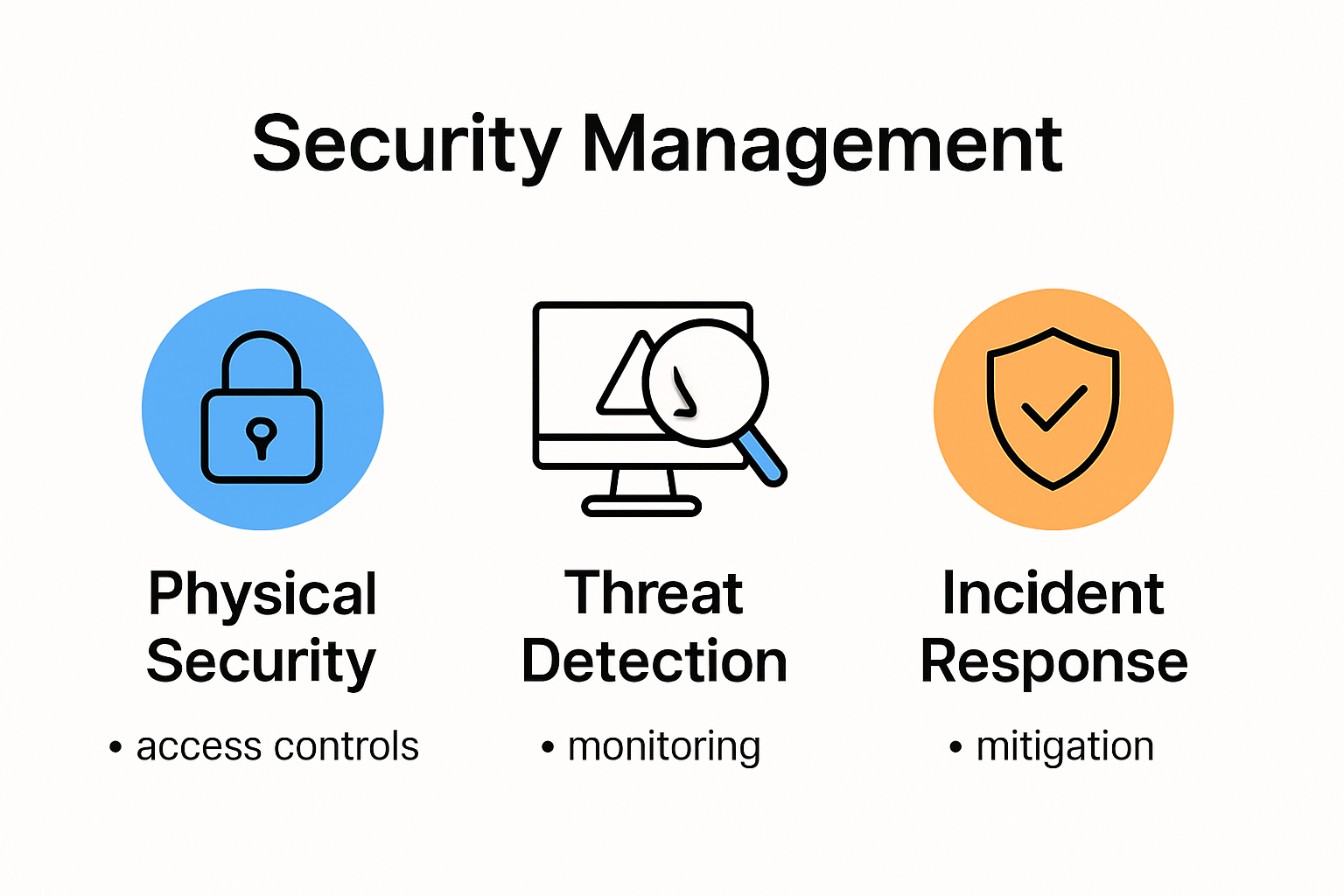
Unlike traditional security approaches that relied on reactive measures, a comprehensive security management system represents a dynamic, proactive strategy. It recognizes that security is not a one time implementation but an ongoing process that requires constant adaptation to emerging technological landscapes and evolving threat environments.
For organizations across industries, implementing a robust security management system is no longer optional but essential. Whether protecting sensitive financial data, safeguarding intellectual property, or ensuring operational continuity, these systems provide a structured approach to managing complex security challenges in an increasingly interconnected world.
Why You Need a Security Management System
In today's rapidly evolving digital landscape, organizations face unprecedented security challenges that demand sophisticated and comprehensive protective strategies. A security management system has transformed from an optional investment to a critical business necessity across industries and organizational scales.
Protecting Against Escalating Cyber Threats
The digital ecosystem presents increasingly complex security risks that traditional protective measures cannot adequately address. According to IBM's Cost of a Data Breach Report, the average total cost of a data breach reached $4.45 million in 2023. These escalating financial implications underscore why businesses must adopt robust security management systems.
Cyber threats have become more sophisticated and multifaceted:- Ransomware Attacks: Criminals increasingly target organizational infrastructure
- Sophisticated Phishing Schemes: Social engineering techniques that exploit human vulnerabilities
- Advanced Persistent Threats: Long term targeted attacks designed to steal sensitive information
Comprehensive Risk Management and Compliance
Beyond immediate threat protection, a security management system provides structured frameworks for comprehensive risk management. Gartner Research highlights that organizations implementing integrated security management systems can reduce potential security incidents by up to 70%.
Key compliance and risk management benefits include:
- Standardized security protocols
- Documented risk assessment processes
- Regulatory alignment
- Transparent accountability mechanisms
Businesses operating in regulated industries such as healthcare, finance, and government face strict compliance requirements. A robust security management system ensures organizations meet complex regulatory standards while maintaining operational efficiency.
Moreover, these systems provide strategic advantages beyond mere protection. They enable organizations to demonstrate proactive security commitment to stakeholders, potentially enhancing corporate reputation and customer trust. Research from Deloitte suggests that organizations with transparent security practices experience improved market positioning and stakeholder confidence.
The economic rationale for implementing a security management system is compelling. By systematically identifying, evaluating, and mitigating potential risks, organizations can significantly reduce potential financial losses associated with security breaches. This approach transforms security from a cost center into a strategic business enabler.
In an interconnected global environment where digital assets represent critical organizational value, a comprehensive security management system is not just recommended. It is an essential strategic imperative that protects an organization's most valuable resources: its data, reputation, and operational continuity.
Key Components of a Security Management System
A security management system is a complex ecosystem composed of interconnected elements that work together to create a comprehensive protective strategy. Understanding these key components is crucial for developing an effective and resilient security infrastructure.
Fundamental Policy and Governance Framework
The foundation of any robust security management system lies in its policy and governance structure. According to NIST Special Publication, a well-designed security framework requires clear, comprehensive policies that outline organizational security expectations and protocols.
Key policy development elements include:
- Risk Assessment Methodology: Systematic approach to identifying and evaluating potential security vulnerabilities
- Incident Response Guidelines: Predefined procedures for managing and mitigating security breaches
- Compliance Documentation: Detailed records demonstrating adherence to industry and regulatory standards
Technological Infrastructure and Control Mechanisms
Gartner Research emphasizes that technological components form the backbone of modern security management systems. These technological controls encompass multiple layers of protection designed to prevent, detect, and respond to potential security threats.
Critical technological components include:
- Advanced Intrusion Detection Systems
- Endpoint Protection Platforms
- Network Security Monitoring Tools
- Multi Factor Authentication Mechanisms
- Encryption Technologies
Modern security management systems leverage artificial intelligence and machine learning to enhance threat detection capabilities. These technologies enable real time monitoring and predictive analysis, allowing organizations to anticipate and mitigate potential security risks before they escalate.
Human Factors and Organizational Culture
Technological solutions alone cannot guarantee comprehensive security. Deloitte Cybersecurity Research highlights that human factors play a critical role in maintaining an effective security management system. This involves creating a security-conscious organizational culture through continuous training, awareness programs, and clear communication of security protocols.
Key human factor considerations include:
- Regular security awareness training
- Clear communication of individual security responsibilities
- Implementation of access control principles
- Ongoing skill development for security personnel
- Creating a culture of proactive security consciousness
The most effective security management systems integrate technological solutions with human expertise. They recognize that security is not just about implementing tools but about creating a holistic approach that combines advanced technologies with well-trained personnel and comprehensive policies.
By understanding and implementing these key components, organizations can develop a security management system that provides comprehensive protection, adapts to emerging threats, and supports overall business objectives. The goal is not just to defend against current risks but to create a flexible, responsive security infrastructure that can evolve with changing technological landscapes.
Implementing Your Security Management System
Implementing a security management system requires a strategic and methodical approach that goes beyond simply purchasing software or establishing protocols. It demands comprehensive planning, organizational commitment, and a phased implementation strategy that addresses technological, procedural, and human elements.
Preparation And Initial Assessment
ISO 27001 Guidelines recommend beginning with a thorough organizational risk assessment. This initial phase involves comprehensively mapping existing security infrastructure, identifying potential vulnerabilities, and establishing clear implementation objectives.
Key preparatory steps include:
- Organizational Scope Definition: Clearly outline which systems, departments, and processes will be covered
- Risk Identification: Conduct a comprehensive audit of existing security infrastructure
- Resource Allocation: Determine budgetary and personnel requirements
- Stakeholder Engagement: Secure leadership support and cross-departmental collaboration
Structured Implementation Framework
NIST Cybersecurity Framework provides a structured approach to implementing security management systems. According to their research, successful implementation requires a systematic progression through several critical stages:
- Develop detailed security policies
- Create comprehensive risk management protocols
- Design technical control mechanisms
- Establish monitoring and reporting processes
- Build continuous improvement mechanisms
Critical to this process is developing a risk treatment plan that prioritizes potential threats based on their likelihood and potential impact. Organizations must create targeted strategies for mitigating identified risks, ensuring that protective measures are proportional and cost effective.
Training and Cultural Integration
Gartner Research emphasizes that technological solutions represent only one aspect of a successful security management system. Equally important is creating a security conscious organizational culture through comprehensive training and awareness programs.
Effective cultural integration involves:
- Regular security awareness training
- Clear communication of individual security responsibilities
- Creating incentive structures that reward security conscious behavior
- Developing transparent reporting mechanisms for potential security issues
- Fostering an environment of continuous learning and adaptation
Implementation is not a one time event but an ongoing process of refinement and adaptation. Organizations must establish mechanisms for regular review and updates, ensuring the security management system remains responsive to emerging technological challenges and evolving threat landscapes.
Ultimately, a well implemented security management system transforms security from a potential organizational burden into a strategic asset that enables confident, protected business operations.
Frequently Asked Questions
What is a security management system?
A security management system is a comprehensive framework that organizations use to protect their critical assets, information, and operational infrastructure from potential threats and vulnerabilities while ensuring compliance with regulatory standards.
Why do organizations need a security management system?
Organizations need a security management system to protect against escalating cyber threats, manage risks effectively, ensure compliance with regulations, and create a culture of security awareness, ultimately safeguarding their data and operational integrity.
What are the key components of a security management system?
The key components include a fundamental policy and governance framework, technological infrastructure with control mechanisms, and human factors that foster a security-conscious organizational culture through ongoing training and clear communication.
How do you implement a security management system?
To implement a security management system, begin with a thorough risk assessment, define your organizational scope, develop detailed policies and protocols, set up monitoring processes, and create a culture of security through regular training and awareness programs.
Elevate Your Security Management with Skypher
In a world where the average data breach costs organizations $4.45 million, the need for a robust security management system has never been more urgent. As highlighted in our recent guide, traditional security measures are no longer sufficient to combat the complex web of escalating cyber threats. Organizations today face significant challenges in establishing proactive risk management and compliance systems that can not only identify vulnerabilities but also facilitate seamless communication across teams.
!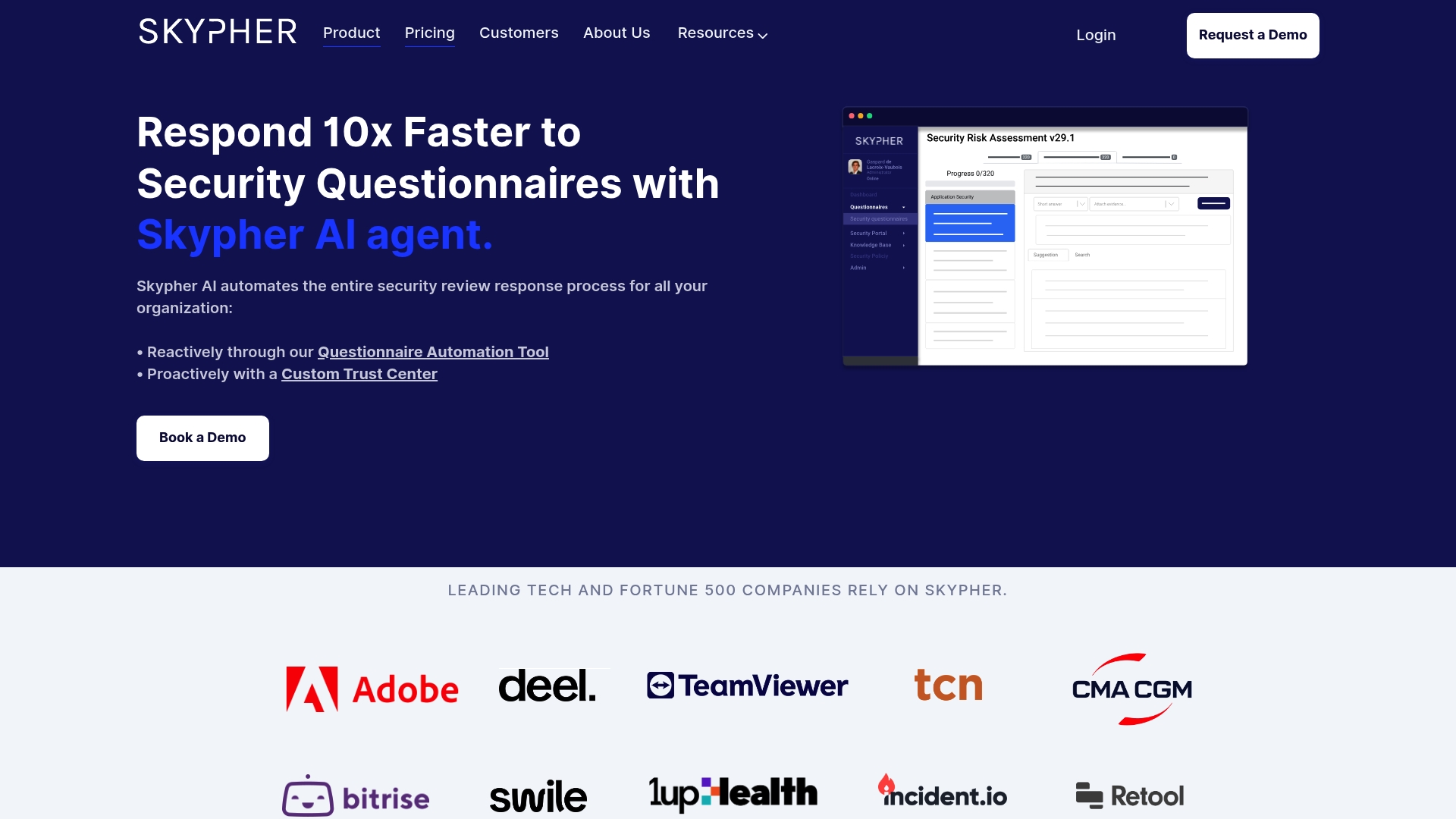
But what if there was a way to simplify your security questionnaire process while enhancing your overall cybersecurity posture? Skypher’s AI Questionnaire Automation Tool is specifically designed to address the pain points laid out in this guide, offering you the ability to streamline your security reviews significantly faster and with enhanced accuracy. Imagine a platform that integrates with over 40 risk management tools, promotes real-time collaboration, and alleviates the burden of manual processes—all while ensuring compliance with industry regulations.