

What is Security Posture? A Comprehensive Definition
When diving into the realm of cybersecurity, one question stands tall among the rest: What is security posture? At its core, the security posture definition serves as a comprehensive overview of an organization's current security status, reflecting how effectively it recognizes, addresses, and mitigates potential threats. Think of it as your cyber health report card!
To define security posture, we can think of it as a combination of an organization’s security strategies, policies, controls, and overall attitude toward risk. It's not just a single snapshot but rather an evolving model that showcases an organization's agility in responding to emerging threats. A robust information security posture means having proactive measures in place to safeguard sensitive data while simultaneously preparing for incidents when they do occur.
In simple terms: if your organization were a ship sailing through cyber seas, your cybersecurity posture would determine how well you navigate through storms, potential icebergs, and pirate attacks! An organization with a solid security stance might have firewalls, intrusion detection systems, and ongoing employee training—all contributing to an improved security posture.
A Real-World Example
For a practical example, consider a financial institution with a well-defined it security posture. They regularly conduct a cybersecurity posture assessment to identify vulnerabilities and upgrade their defenses. This effort might involve deploying advanced threat detection systems and investing in continuous employee training on phishing attacks. As a result, they effectively lessen the dangers posed by cybercriminals, thus showcasing a resilient cyber posture.
In summary, understanding your security posture is essential for any organization. It doesn't merely define how you guard against threats but illustrates your readiness and ability to handle the ever-evolving cyber landscape.
The Importance of Security Posture in Cybersecurity

Now that we’ve scratched the surface of the security posture definition, let's dive deep into why it’s crucial in the world of cybersecurity. Understanding the importance of security posture goes beyond just preventing attacks; it’s integral in shaping the overall effectiveness of your organization’s cybersecurity framework.
First off, a well-defined cybersecurity posture serves as the foundation for identifying potential threats. Think of it like a protective umbrella—when you acknowledge and comprehend your vulnerabilities, you can begin to proactively manage them. A strong security stance also means that when (not if) an attack happens, your organization is prepared with a well-thought-out response plan. This leads us to risk posture definition: it’s the clarity with which an organization views its risk landscape.
Real-World Significance
Consider a healthcare provider, for example. With strict regulations, a well-developed network security posture is vital to safeguard sensitive patient data. They might implement encryption techniques, multifactor authentication, and employee training programs to ensure they're equipped for any cyber threats. This proactive stance doesn't just protect patients; it also builds trust in a field where confidentiality is paramount.
Moreover, when organizations take their security posturing seriously, they position themselves more favorably during audits and compliance checks. A compliant status often translates to increased credibility and customer confidence, factors that are non-negotiable in today’s competitive market. Being able to say "we regularly assess our cybersecurity posture" can give stakeholders peace of mind, ensuring our operations are secure and reliable.
Lastly, establishing a robust security posture can significantly cut down costs associated with data breaches. According to IBM’s Cost of a Data Breach Report, the average cost of a data breach is significant, but organizations that proactively manage their security posture report far lower financial impacts after incidents.
In summary, the importance of security posture in cybersecurity cannot be overstated. It’s not just about playing defense but actively engaging in a strategy that emphasizes resilience and trustworthiness. With the constantly shifting landscape of cyber threats, having a rock-solid security stance is not only wise; it’s imperative.
Types of Security Postures and Their Implications
As we navigate the intricate landscape of cybersecurity, it's essential to recognize that not all security postures are created equal. Each type significantly impacts an organization’s ability to defend against and respond to cyber threats. Understanding these different types helps us better grasp their implications and informs our strategy moving forward.
Proactive Security Posture
A proactive security posture focuses on anticipating threats before they materialize. Organizations that adopt this approach invest heavily in cybersecurity posture assessments, continuous monitoring, and regular vulnerability testing. They aim to patch vulnerabilities before attackers exploit them. This type might include sophisticated threat intelligence tools and automated incident response plans. The implication? Increased resilience against breaches and a clear demonstration to stakeholders that the organization is committed to robust security practices.
Reactive Security Posture
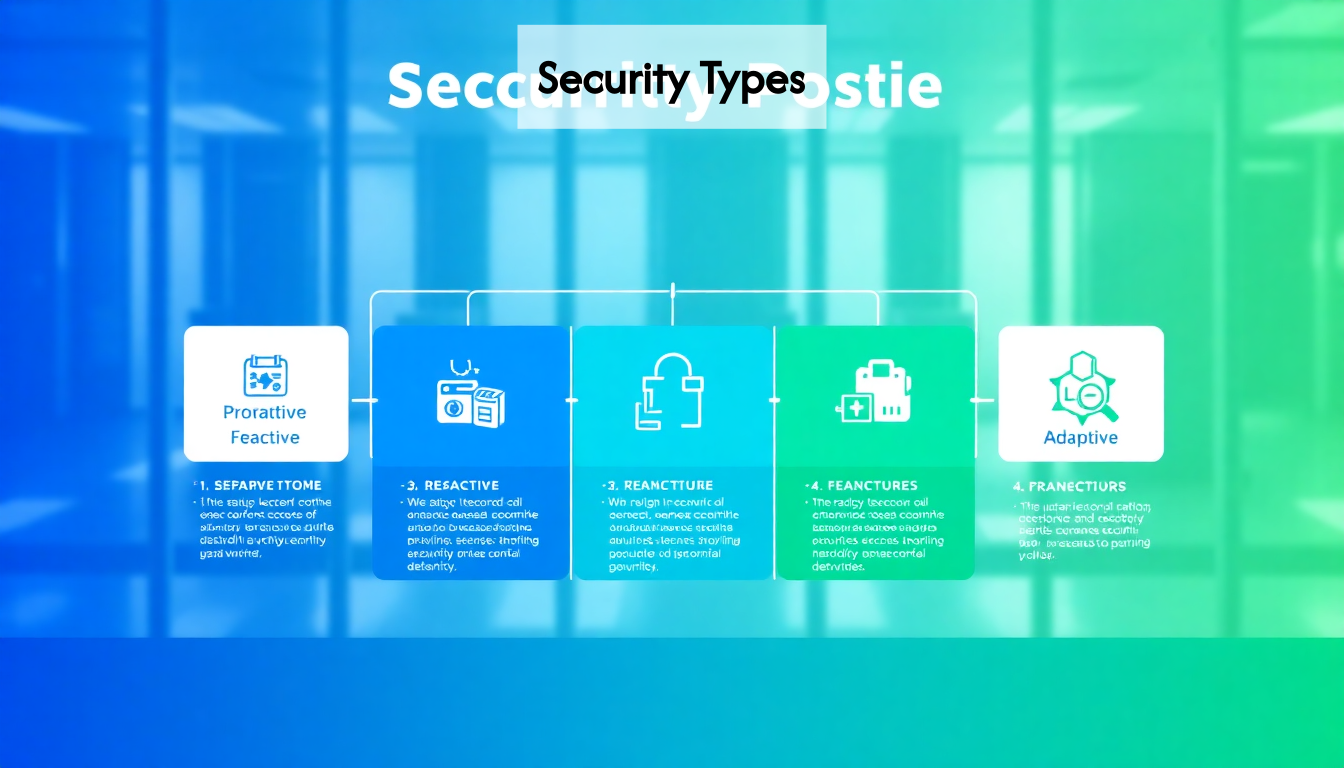
In stark contrast, a reactive security posture only addresses incidents after they occur. Many small businesses, feeling the financial pinch, may default to this type, believing they can manage the fallout when a breach happens. While this approach may initially appear cost-effective, it often results in higher long-term costs and reputation damage. Having only a reactive approach can leave organizations vulnerable to persistent threats; therefore, it’s essential to gradually shift toward a more proactive stance.
Adaptive Security Posture
Lastly, we have the adaptive security posture. Here, organizations implement flexible security strategies that evolve based on threat landscape changes. They’re responsive to new risks and adjust their defenses accordingly, incorporating techniques like threat hunting and continuous security education. This fluidity indicates a mature security posture that can better navigate the complex and dynamic nature of today’s cyber threats.
Real-World Applications
For example, let’s take a look at a large e-commerce company. By employing an adaptive security posture, they utilize data-driven insights to refine their defenses—acknowledging that cyber threats are not static. Through continuous learning and adjusting their network security posture, they ensure the agility to thwart sophisticated attacks that target customer payment data.
In conclusion, understanding the types of security postures and their implications is vital for any organization. Whether proactive, reactive, or adaptive, each posture brings unique advantages and challenges. As we aim to bolster our cybersecurity posture, it’s crucial to align our strategies with our specific needs and operational contexts, ensuring we can confidently traverse the treacherous waters of cyber threats.
How to Assess and Improve Your Security Posture
Once we understand the various types of security postures, it’s time to delve into the nitty-gritty of assessing and improving yours. A well-defined security posture definition is only the beginning; we need actionable methods to evaluate and enhance it continually.
Conducting a Security Posture Assessment
To kick things off, organizations should conduct a comprehensive cybersecurity posture assessment. This involves evaluating current security controls, policies, and practices to identify potential vulnerabilities and areas for improvement. Typical steps include:
- Inventory Assets: Start by creating a detailed inventory of all information assets, including hardware, software, and data. Knowing what you have is critical for safeguarding it.
- Vulnerability Scanning: Utilize tools to perform scans to identify weaknesses in your infrastructure. This step is fundamental in maintaining a proactive information security posture.
- Risk Assessment: Assess the potential risks associated with each vulnerability. Ask questions like, "What happens if an attacker exploits this weakness?" This insight helps prioritize risks based on their severity.
- Penetration Testing: Employ ethical hackers to simulate attacks. This gives a clearer picture of how robust your security stance really is and uncovers any hidden gaps in your defenses.
Continuous Improvement Strategies
- Regular Training and Awareness Programs: One of the most vital aspects of improving security posture is educating employees about best practices and current threats. Regular workshops and trainings create a more informed workforce that can act as the first line of defense against cyber threats.
- Incident Response Plan: Develop and test an incident response plan. This plan should articulate how your organization will respond to different types of breaches or security incidents. Having a clear path mitigates confusion during a crisis, ensuring a more efficient response.
- Utilize Advanced Technologies: Consider integrating advanced security solutions such as SIEM (Security Information and Event Management) systems or Machine Learning algorithms that adapt to new threats automatically. This not only enhances the cybersecurity posture but also adds layers of complexity for potential attackers.
- Regularly Review and Update Policies: The cyber threat landscape is ever-evolving, so it’s crucial to review and update your security policies regularly. An outdated policy could leave gaping holes in your defenses.
Real-World Example
For instance, a mid-sized tech firm might find itself with vulnerabilities exposed during its security posture assessment. By implementing the steps outlined, it can bolster its cyber posture. After regular training sessions and updating its incident response protocols, an employee might successfully identify a phishing attempt, thus preventing a potential data breach. This positive impact circles back, showcasing the power of continuous improvement in maintaining a robust security posture.
In summary, assessing and improving your security posture is an ongoing journey rather than a one-time task. By implementing thorough assessment methods and continual enhancements, organizations will not only fortify their defenses but also cultivate an overarching culture of security awareness.
Frequently Asked Questions
What is security posture in cybersecurity?
A security posture in cybersecurity refers to an organization's overall security status, including its strategies, policies, controls, and attitude toward risk management in the face of potential threats.
Why is understanding security posture important for organizations?
Understanding security posture is crucial as it helps identify vulnerabilities, prepare for potential attacks, ensures compliance during audits, and ultimately reduces costs associated with data breaches.
What are the types of security postures?
The types of security postures include proactive, reactive, and adaptive. A proactive posture anticipates threats, a reactive posture responds post-event, and an adaptive posture evolves based on the changing threat landscape.
How can organizations assess and improve their security posture?
Organizations can assess their security posture through comprehensive cybersecurity assessments, vulnerability scans, risk assessments, and penetration testing. Continuous improvement can be achieved through employee training, incident response plans, and regular policy reviews.
Navigating the complex world of cybersecurity can feel like sailing through treacherous waters, especially when it comes to maintaining a solid security posture. As discussed in our latest article, organizations must continuously assess and enhance their digital defenses to combat evolving threats. Are you grappling with the challenge of managing extensive security questionnaires efficiently? You’re not alone! Many organizations, particularly in tech and finance, face similar hurdles while trying to maintain compliance and build trust with clients.
Imagine streamlining your security reviews with ease and speed. With Skypher’s AI Questionnaire Automation Tool, you can transform how your organization approaches security assessments. Our platform not only reduces the time it takes to complete these critical tasks but also improves accuracy through real-time collaboration. This means you can focus on strengthening your security stance while ensuring your team communicates seamlessly. Don’t let cumbersome questionnaires slow you down—take control of your cybersecurity posture today! Visit Skypher and see how we can help you enhance your operational efficiency now!