
SOC 2 controls are essential for safeguarding sensitive customer data in the digital age. Studies show that over 80 percent of data breaches stem from poor security practices, highlighting the urgency for compliance. But here's the twist: achieving compliance is not just about checking boxes. It's about building a proactive security culture that protects your organization from threats. The journey to SOC 2 compliance can redefine how you manage and secure data, ultimately benefiting your entire business.
Table of Contents
- Understanding SOC 2 Controls
- SOC 2 Controls: Key Criteria
- Implementing SOC 2 Best Practices
- Sustaining SOC 2 Ongoing Compliance
Quick Summary
| Takeaway | Explanation |
|---|---|
| Start With A Readiness Assessment | Conduct a thorough evaluation of your current security posture against SOC 2 requirements to identify gaps and prioritize efforts for compliance. |
| Develop Comprehensive Documentation | Create detailed documentation of control activities, including procedures and responsibilities, ensuring it is regularly updated and accessible for audits. |
| Implement Continuous Monitoring | Establish ongoing monitoring of controls to ensure effectiveness over time, using automated tools for real-time visibility and prompt issue identification. |
| Foster A Security-Conscious Culture | Cultivate a culture where every employee understands their role in security through regular training and clear communication of expectations. |
| Leverage Automation For Sustainability | Utilize automation tools for evidence collection and compliance monitoring to streamline processes and reduce the manual burden of ongoing compliance. |
Understanding SOC 2 Controls
What Are SOC 2 Controls?
SOC 2 controls are specific policies, procedures, and technical safeguards that service organizations implement to address the five Trust Services Criteria: security, availability, processing integrity, confidentiality, and privacy. These controls collectively create a comprehensive framework that governs how organizations handle customer data throughout its lifecycle.
According to Sprinto, the five Trust Services Criteria serve as the foundation for SOC 2 controls, with each criterion addressing different aspects of information management and protection. While security is mandatory for all SOC 2 audits, organizations can choose which additional criteria to include based on their business operations and customer commitments.
The controls themselves range from administrative policies to technical implementations, including:
- Access control mechanisms that restrict who can view or modify sensitive data
- Change management procedures that document system modifications
- Risk assessment processes that identify potential vulnerabilities
- Monitoring systems that detect unusual activity
- Incident response protocols that address security breaches
The Trust Services Criteria Framework
The Trust Services Criteria represent the core categories around which SOC 2 controls are organized. Each category addresses specific aspects of data management:
Security (Common Criteria): The foundation of SOC 2, focusing on protection against unauthorized access. This includes network security, authentication controls, and physical safeguards.
Availability: Ensures systems and data are accessible as promised in service level agreements. This covers disaster recovery, business continuity planning, and system monitoring.
Processing Integrity: Verifies that systems perform their functions accurately, completely, and in a timely manner. This addresses quality assurance, processing validation, and error handling.
Confidentiality: Protects information designated as confidential from disclosure to unauthorized parties. This includes encryption, access restrictions, and confidential information handling procedures.
Privacy: Governs the collection, use, retention, and disposal of personal information according to privacy principles and commitments. This covers consent mechanisms, data minimization, and user rights management.
Secureframe explains that these criteria form the basic elements of your cybersecurity posture, providing a comprehensive framework for risk management.
Documenting SOC 2 Controls
Documentation plays a crucial role in SOC 2 compliance. It's not enough to have controls in place—organizations must also demonstrate how these controls operate and provide evidence of their effectiveness.
Typical SOC 2 documentation includes:
- Formal policies and procedures that outline expected behaviors and processes
- A controls matrix mapping organizational practices to Trust Service Criteria
- Evidence logs documenting control activities and outcomes
- Risk assessment reports identifying vulnerabilities and mitigation strategies
- Incident response plans detailing how security events are handled
As Scytale notes, comprehensive documentation is essential for demonstrating compliance during an audit. Auditors will review these documents to verify that controls are properly designed and operating effectively.
Implementing SOC 2 Controls
Implementing SOC 2 controls requires a systematic approach. Organizations typically start by mapping their business processes to the relevant Trust Services Criteria, identifying gaps in their current practices, and developing a roadmap for implementing necessary controls.
The implementation process often involves cross-functional collaboration between IT, security, legal, and operational teams. This collaborative approach ensures that controls address both technical and organizational aspects of data protection.
Successful implementation also requires ongoing monitoring and maintenance. SOC 2 compliance isn't a one-time achievement but a continuous process of assessment, improvement, and verification. Organizations must regularly review their controls, test their effectiveness, and update them as technology, threats, and business requirements evolve.
SOC 2 Controls: Key Criteria
While we've established that SOC 2 controls are organized around the five Trust Services Criteria, let's explore each criterion in depth and examine the specific controls that organizations must implement to achieve compliance.
Security Controls (Common Criteria)
Security controls form the mandatory foundation of any SOC 2 audit. These controls protect systems and data from unauthorized access, ensuring information remains secure throughout its lifecycle.
According to Secureframe, the security criteria encompass over 30 specific controls designed to safeguard both organizational and customer data. These controls address various aspects of security management, including:
Communication of Responsibilities: Organizations must clearly communicate security objectives and responsibilities across all levels. This includes defining roles, establishing accountability, and ensuring personnel understand their security obligations.
Risk Assessment and Management: Companies need systematic processes to identify, analyze, and respond to potential risks. This involves regular risk assessments, vulnerability scanning, and remediation planning.
Logical Access Controls: These controls restrict system access to authorized users only. Implementations typically include strong authentication mechanisms, role-based access control, and regular access reviews.
Change Management: All system changes must follow formal procedures that include testing, approval, and documentation to prevent unauthorized or unintended modifications.
Physical Security: Organizations must implement measures to protect hardware, facilities, and supporting infrastructure from unauthorized physical access or environmental threats.
The security criterion is particularly comprehensive because it addresses fundamental protection mechanisms that support all other criteria.
Availability Controls
Availability controls ensure systems remain operational and accessible as committed or agreed with customers. These controls focus on maintaining service levels and recovering from disruptions.
Key availability controls include:
Capacity Planning: Organizations must monitor system capacity and forecast future needs to ensure resources can handle expected workloads.
Business Continuity Planning: These controls document procedures for maintaining operations during disruptions, including alternate processing facilities and recovery time objectives.
Disaster Recovery: Organizations need documented procedures for recovering from disasters, including backup strategies, restoration testing, and failover mechanisms.
Monitoring and Alerting: Systems must be continuously monitored for availability issues, with alerts configured to notify appropriate personnel when problems arise.
Organizations that promise specific uptime guarantees in their service level agreements should pay particular attention to these controls.
Processing Integrity Controls
Processing integrity controls ensure that systems process data completely, accurately, and in a timely manner as authorized. These controls are critical for organizations whose services involve data processing or transactions.
Key processing integrity controls include:
Input Validation: Systems must validate data inputs to ensure they meet specified requirements before processing.
Error Handling: Processes must detect processing errors, report them to appropriate personnel, and correct them in a timely manner.
Output Reconciliation: Organizations need procedures to verify that processing outputs match expected results based on inputs.
System Monitoring: Regular monitoring must verify that processing remains complete, accurate, and timely.
These controls are particularly important for financial services, payment processors, and other organizations where data accuracy is mission-critical.
Confidentiality Controls
Secureframe explains that confidentiality controls require organizations to clearly identify confidential information and implement protections to prevent unauthorized disclosure.
Key confidentiality controls include:
Data Classification: Organizations must identify and categorize confidential information based on sensitivity and handling requirements.
Encryption: Confidential data should be encrypted during transmission and storage to prevent unauthorized access.
Access Restrictions: Access to confidential information must be limited to authorized individuals with a business need.
Secure Disposal: Organizations need procedures for securely disposing of confidential information after the retention period expires.
Confidentiality Agreements: Personnel and third parties with access to confidential information should sign agreements acknowledging their responsibilities.
Privacy Controls
Privacy controls govern the collection, use, retention, disclosure, and disposal of personal information. These controls ensure compliance with privacy policies and commitments to customers.
Key privacy controls include:
Notice and Communication: Organizations must provide clear notice about personal information practices and obtain consent where required.
Choice and Consent: Individuals should be given choices regarding how their personal information is collected, used, and disclosed.
Collection Limitation: Organizations should collect only the personal information necessary for legitimate business purposes.
Use Limitation: Personal information should be used only for the purposes specified in privacy notices and commitments.
Access Management: Individuals should have the ability to access, correct, and delete their personal information as appropriate.
Organizations handling sensitive personal information or operating in highly regulated industries should pay particular attention to these privacy controls to ensure compliance with both SOC 2 and applicable privacy regulations.
Implementing SOC 2 Best Practices
Moving from understanding SOC 2 controls to actually implementing them requires strategic planning and execution. Organizations that succeed in their SOC 2 compliance journey typically follow these best practices to streamline the process and maximize the benefits beyond mere compliance.
Start With a Readiness Assessment
Before diving into implementation, conduct a thorough readiness assessment to understand your current security posture against SOC 2 requirements. This assessment helps identify gaps and prioritize remediation efforts.
A comprehensive readiness assessment should:
- Evaluate existing policies and procedures against SOC 2 criteria
- Identify control gaps that need addressing
- Assess current documentation practices
- Determine resource requirements for implementation
- Establish a realistic timeline for achieving compliance
This initial assessment creates a roadmap for your compliance journey and helps set realistic expectations about the effort required.
Develop Comprehensive Documentation
According to EasyAudit, organizations must document control activities in detail, including procedures for access management, incident response, risk assessments, and data protection measures. This documentation serves as evidence during audits and guides employees in following proper security practices.
Key documentation best practices include:
Standardize Document Structure: Create templates for policies, procedures, and evidence collection to ensure consistency across all documentation.
Include Implementation Details: Document not just what controls exist but how they're implemented, who's responsible, and how they're monitored.
Regular Updates: Review and update documentation regularly to reflect changes in systems, processes, or requirements. Documentation should be treated as living documents, not static artifacts.
Accessibility: Make documents easily accessible to relevant stakeholders while maintaining appropriate access controls for sensitive information.
Build a Strong Control Environment
Sprinto emphasizes that organizations must implement a robust control environment as the foundation for SOC 2 compliance. This environment encompasses the standards, processes, and structures that provide the basis for carrying out internal control throughout the organization.
Best practices for building a strong control environment include:
Leadership Commitment: Secure visible support from senior management to demonstrate the importance of security and compliance.
Clear Responsibilities: Define and communicate security roles and responsibilities across the organization, ensuring accountability at all levels.
Risk-Based Approach: Prioritize control implementation based on risk assessment results rather than trying to address everything simultaneously.
Integration With Business Processes: Embed security controls into existing business processes rather than creating parallel procedures that might be bypassed.
Implement Continuous Monitoring
SOC 2 compliance isn't a one-time achievement but an ongoing commitment. Implementing continuous monitoring ensures that controls remain effective over time and that new risks are promptly identified and addressed.
Effective continuous monitoring includes:
Automated Tools: Deploy security monitoring tools that provide real-time visibility into your security posture and control effectiveness.
Regular Testing: Conduct periodic testing of controls to verify they're functioning as designed. This includes vulnerability scanning, penetration testing, and control testing.
Metrics and Dashboards: Develop key security metrics and dashboards to track compliance status and identify trends that might indicate control weaknesses.
Incident Tracking: Maintain detailed records of security incidents, including resolution steps and control improvements made as a result.
Foster a Security-Conscious Culture
Technology and documentation alone aren't enough for successful SOC 2 implementation. Organizations must cultivate a security-conscious culture where every employee understands their role in maintaining security.
Strategies for building this culture include:
Regular Training: Provide ongoing security awareness training tailored to different roles within the organization.
Clear Communication: Regularly communicate security expectations, incidents, and successes to maintain awareness and engagement.
Recognition: Acknowledge and reward security-conscious behaviors to reinforce their importance.
Feedback Channels: Establish channels for employees to report security concerns or suggest improvements without fear of reprisal.
Leverage Technology Wisely
Strategic use of technology can significantly streamline SOC 2 implementation and ongoing compliance efforts. Best practices include:
Compliance Automation: Invest in tools that automate evidence collection, control monitoring, and compliance reporting to reduce manual effort.
Centralized Management: Implement centralized systems for managing policies, controls, and evidence to improve consistency and reduce duplication.
Integration: Choose security tools that integrate with your existing technology stack to minimize disruption and improve adoption.
Scalability: Select solutions that can grow with your organization and adapt to changing compliance requirements.
By following these best practices, organizations can implement SOC 2 controls more efficiently and effectively, building a strong security foundation that supports both compliance requirements and broader business objectives. The goal should be to view SOC 2 implementation not as a checkbox exercise but as an opportunity to strengthen your overall security posture.
Sustaining SOC 2 Ongoing Compliance
Achieving SOC 2 compliance is just the beginning of the journey. The real challenge lies in maintaining compliance over time, especially for organizations pursuing SOC 2 Type 2 reports, which evaluate controls over an extended period, typically 6-12 months. This ongoing compliance requires a strategic approach that embeds security practices into everyday operations.
The Continuous Compliance Mindset
SOC 2 compliance isn't a point-in-time certification but an ongoing commitment to security best practices. According to Sprinto, maintaining continuous monitoring and assessment of controls over time is essential, particularly for Type 2 audits which evaluate both the design and operational effectiveness of security controls over a specified period.
Successful organizations approach SOC 2 as a continuous program rather than a periodic project. This mindset shift transforms compliance from a burdensome checkpoint to a natural extension of good security practices.
Establishing a Compliance Calendar
One of the most effective ways to sustain compliance is by creating a detailed compliance calendar that schedules all recurring activities required by your SOC 2 controls. This calendar should include:
Control Testing Schedule: Define when each control will be tested to verify its continued effectiveness. Different controls may require different testing frequencies based on risk and complexity.
Documentation Reviews: Schedule regular reviews of policies, procedures, and other documentation to ensure they remain current and reflect actual practices.
Vendor Assessments: Plan periodic reassessments of third-party vendors who have access to your systems or data to ensure they maintain appropriate security standards.
Security Training: Schedule recurring security awareness training for all employees and role-specific training for those with security responsibilities.
Audit Preparation: Build in time for preparation activities before your scheduled audit periods, including gathering evidence and conducting mock audits.
By mapping these activities across the year, you create visibility into compliance workloads and prevent last-minute scrambles before audits.
Implementing Continuous Monitoring
Continuous monitoring is the backbone of sustained SOC 2 compliance, providing real-time visibility into the effectiveness of your security controls and early warning of potential issues.
Key components of an effective continuous monitoring program include:
Automated Security Scanning: Implement tools that automatically scan for vulnerabilities, misconfigurations, and policy violations across your environment.
Log Management and Analysis: Centralize log collection and implement automated analysis to detect unusual activity or potential security incidents.
Configuration Monitoring: Track changes to system configurations and alert on unauthorized or unexpected changes.
Access Reviews: Regularly review user access rights to ensure they remain appropriate and follow the principle of least privilege.
Performance Metrics: Track key performance indicators for your security program, such as time to resolve vulnerabilities or percentage of employees completing security training.
This continuous visibility allows organizations to address issues promptly rather than discovering them during an audit, when remediation options may be limited.
Managing Control Changes
As business needs evolve and new technologies emerge, your control environment will need to adapt. Establishing a formal change management process for controls ensures that these adaptations don't compromise compliance.
An effective control change management process should include:
Impact Analysis: Assess how proposed changes might affect compliance with SOC 2 requirements before implementation.
Documentation Updates: Promptly update relevant policies, procedures, and other documentation to reflect approved changes.
Communication: Inform affected stakeholders about control changes and provide training as needed.
Validation: Test modified controls to ensure they operate effectively after changes are implemented.
Auditor Consultation: For significant changes, consider consulting with your auditor to ensure the modified controls will meet SOC 2 requirements.
Leveraging Automation for Sustainability
Sprinto notes that automation tools for SOC 2 compliance can significantly reduce the resource burden of ongoing compliance by streamlining policy creation and evidence collection processes, making continuous compliance more sustainable.
Areas where automation can have the greatest impact include:
Evidence Collection: Automated tools can continuously collect and organize evidence of control effectiveness, reducing manual effort and ensuring completeness.
Compliance Monitoring: Automated monitoring can provide real-time dashboards showing the status of compliance across different control areas.
Task Management: Workflow tools can assign and track compliance tasks across the organization, ensuring nothing falls through the cracks.
Documentation Management: Automated systems can maintain version control and prompt reviews of policies and procedures when they're due.
By reducing the manual burden of compliance activities, automation allows organizations to maintain SOC 2 compliance with fewer resources, making the program more sustainable over time.
Building a Culture of Continuous Improvement
Sustaining SOC 2 compliance isn't just about maintaining the status quo—it's about continuously improving your security posture. Organizations should establish mechanisms for identifying improvement opportunities and implementing them over time.
Effective approaches include:
Regular Self-Assessments: Conduct internal reviews to identify areas where controls could be strengthened or made more efficient.
Feedback Loops: Create channels for employees to suggest improvements to security processes and controls.
Incident Learning: Use security incidents or near-misses as opportunities to identify and address control weaknesses.
Industry Monitoring: Stay informed about evolving threats and best practices in your industry to proactively enhance your controls.
By embedding continuous improvement into your compliance program, you not only maintain SOC 2 compliance but build a progressively stronger security posture over time.
Frequently Asked Questions
What are SOC 2 controls?
SOC 2 controls are specific policies, procedures, and technical safeguards implemented by service organizations to address the five Trust Services Criteria: security, availability, processing integrity, confidentiality, and privacy.
How do I achieve SOC 2 compliance?
To achieve SOC 2 compliance, organizations should start with a readiness assessment, implement comprehensive controls, develop thorough documentation, foster a security-conscious culture, and maintain ongoing monitoring of their security posture.
Why is documentation important for SOC 2 compliance?
Documentation is crucial for SOC 2 compliance as it demonstrates how controls operate and provides evidence of their effectiveness during audits. It includes policies, procedures, logs, and reports that auditors review to verify compliance.
What is the Trust Services Criteria framework?
The Trust Services Criteria framework consists of five categories—security, availability, processing integrity, confidentiality, and privacy—that provide a structured approach for organizations to implement SOC 2 controls and protect sensitive customer data.
Elevate Your SOC 2 Compliance Journey with Skypher
Navigating the complexities of SOC 2 compliance can feel overwhelming. With over 80% of data breaches attributed to poor security practices, achieving and maintaining compliance isn’t just a checkbox—it's essential. You’ve learned about the vital SOC 2 controls in our guide; now imagine automating the heavy lifting of security questionnaires and documentation!
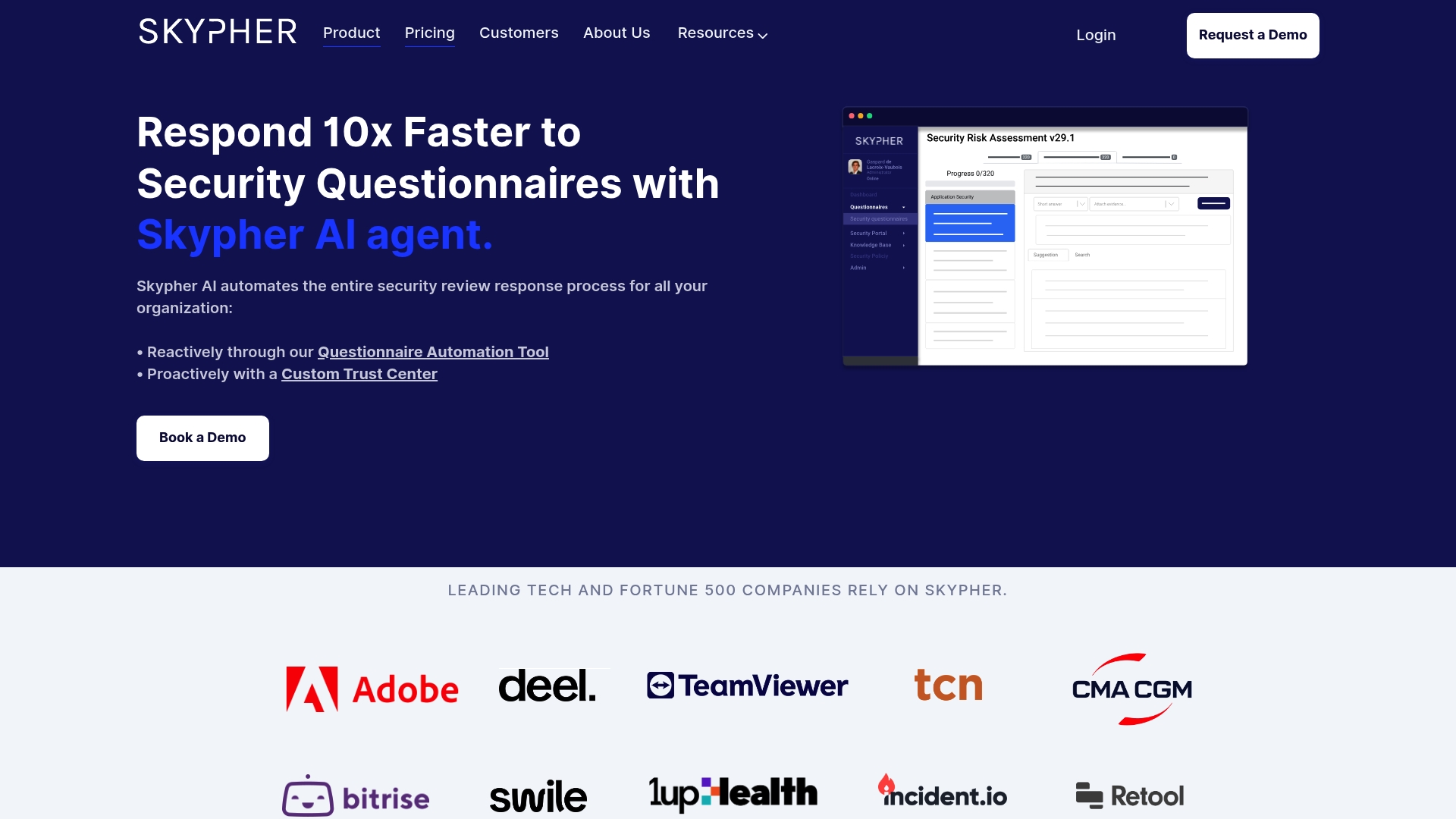
At Skypher, we’re here to enhance your journey to SOC 2 compliance. Our powerful AI Questionnaire Automation Tool streamlines your response process, saving you time and boosting accuracy. Why struggle with manual entry when our platform integrates with over 40 third-party risk management tools, allowing for real-time collaboration? Don’t let cumbersome paperwork hold back your organization—achieve compliance faster and drive more trust with your clients.
Ready to eliminate the guesswork? Head over to https://skypher.co TODAY and elevate your security operations with a solution designed for your success!