

Security frameworks are critical tools in today's digital landscape. They provide organizations with structured methodologies to manage cybersecurity risks effectively. Data shows that implementing robust security frameworks can significantly boost an organization's resilience against malicious attacks. But here's the twist: many businesses still view these frameworks as optional or a cumbersome necessity. In reality, they are essential for not just compliance but also for fostering trust and enhancing organizational agility in the face of cyber threats.
Table of Contents
- What Are Security Frameworks Exactly?
- Why Use a Security Framework?
- Best Security Framework Examples Defined
- Choosing the Right Frameworks for You
Quick Summary
| Takeaway | Explanation |
|---|---|
| Importance of Security Frameworks | Security frameworks are essential tools for systematically managing cybersecurity risks, providing structured methodologies for identifying vulnerabilities and implementing protective controls. |
| Strategic Risk Mitigation | Implementing a security framework enhances organizational resilience by transforming a reactive security posture into a proactive prevention strategy, thereby systematically addressing potential security gaps. |
| Compliance and Trust | Utilizing security frameworks helps organizations maintain compliance with industry regulations, building trust with partners and customers by demonstrating a commitment to data protection. |
| Dynamic Adaptation | Modern security frameworks, like the NIST Cybersecurity Framework 2.0, emphasize continuous improvement and adaptability, allowing organizations to evolve their security strategies to meet emerging threats and technologies. |
| Tailored Framework Selection | Choosing the right security framework involves assessing organizational readiness, industry requirements, and risk tolerance to ensure alignment with specific needs and strategic goals. |
What Are Security Frameworks Exactly?
Security frameworks are comprehensive structured approaches that organizations use to systematically manage, assess, and mitigate cybersecurity risks across their entire digital ecosystem. These strategic blueprints provide a systematic methodology for identifying vulnerabilities, implementing protective controls, and establishing consistent security practices that align with industry standards and regulatory requirements.
The Core Purpose of Security Frameworks
At their fundamental level, security frameworks serve as organizational roadmaps that transform abstract security concepts into actionable, pragmatic strategies. They offer a structured set of guidelines, best practices, and procedural recommendations that help businesses develop robust information security management systems. These frameworks are not one-size-fits-all solutions but adaptable models that can be customized to meet specific organizational needs, technological infrastructures, and risk profiles.
The primary objectives of security frameworks include:
- Risk Identification: Systematically detecting potential security vulnerabilities
- Control Implementation: Establishing standardized security protocols
- Compliance Management: Ensuring alignment with industry regulations
- Continuous Improvement: Creating mechanisms for ongoing security enhancement
Types and Components of Security Frameworks
Security frameworks typically encompass multiple critical components that work together to create a comprehensive security approach. NIST Cybersecurity Framework represents one of the most widely adopted models, which includes five core functions: Identify, Protect, Detect, Respond, and Recover. These functions provide organizations with a structured approach to managing cybersecurity risks.
Different types of security frameworks target specific aspects of organizational security:
- IT Security Frameworks: Focus on technological infrastructure and digital asset protection
- Governance Frameworks: Address organizational policies, leadership, and strategic security decision-making
- Compliance Frameworks: Ensure adherence to industry-specific regulatory requirements
While each framework has unique characteristics, they share common goals of reducing security risks, protecting sensitive information, and creating resilient systems that can withstand potential cyber threats. The selection of an appropriate security framework depends on factors like industry sector, organizational size, technological complexity, and specific regulatory environments.
Modern security frameworks go beyond traditional perimeter defense strategies. They recognize that cybersecurity is a dynamic, multifaceted challenge requiring holistic, adaptive approaches. By providing structured methodologies, these frameworks transform security from a reactive, fragmented practice into a proactive, integrated organizational capability.
Why Use a Security Framework?
Implementing a security framework is not just a strategic choice but a critical necessity in today's complex and rapidly evolving digital landscape. Organizations across industries face unprecedented cybersecurity challenges that demand structured, comprehensive approaches to risk management and protection.
Strategic Risk Mitigation and Organizational Resilience
Security frameworks provide a systematic method for identifying, assessing, and addressing potential vulnerabilities before they can be exploited. CyberArk research reveals that organizations utilizing robust security frameworks significantly increase their cyber resiliency and readiness to defend against data theft and malicious attacks. By establishing a proactive approach, businesses can transform their security posture from reactive troubleshooting to strategic prevention.

The key benefits of adopting a security framework include:
- Comprehensive Risk Assessment: Systematically evaluating potential security gaps
- Standardized Security Protocols: Creating consistent implementation strategies
- Enhanced Organizational Awareness: Developing a holistic understanding of cybersecurity challenges
- Improved Incident Response: Establishing clear procedures for managing potential security breaches
Compliance and Reputation Management
In an era of increasing regulatory scrutiny, security frameworks offer a structured pathway to maintaining compliance with industry standards and legal requirements. Research from J.S. Held indicates that implementing a robust security framework not only reduces risk levels but also helps organizations build trust with potential business partners and customers by demonstrating a commitment to data protection.
Different industries require specific compliance approaches:
- Healthcare: HIPAA compliance framework
- Financial Services: PCI DSS security standards
- Government and Defense: NIST Special Publication frameworks
Continuous Improvement and Adaptive Security
The NIST Cybersecurity Framework 2.0, released in February 2024, emphasizes the importance of creating adaptive security strategies that can evolve with emerging technological and threat landscapes. Modern security frameworks are not static documents but dynamic systems that enable organizations to continuously assess, update, and improve their security protocols.By providing a structured yet flexible approach, security frameworks help organizations transform cybersecurity from a technical challenge into a strategic business capability. They enable leadership to make informed decisions, allocate resources effectively, and create a culture of security awareness that permeates every level of the organization. The result is a more resilient, prepared, and proactive approach to managing digital risks in an increasingly complex technological environment.
Best Security Framework Examples Defined
Security frameworks represent diverse approaches to managing cybersecurity risks, with several prominent models offering unique strategies for organizational protection. Understanding these frameworks helps businesses select the most appropriate model for their specific technological ecosystem and risk management requirements.
Global Standards and Comprehensive Frameworks
The NIST Cybersecurity Framework (CSF) 2.0 stands out as a premier example of a comprehensive security framework. Released in 2024, this updated model provides organizations with a flexible, outcome-driven approach to cybersecurity risk management. Its key strength lies in its adaptability across different industries and organizational sizes.
Key characteristics of top-tier security frameworks include:
- Scalability: Ability to adapt to different organizational contexts
- Comprehensiveness: Covering multiple aspects of cybersecurity management
- Continuous Improvement: Mechanisms for ongoing risk assessment
- Regulatory Alignment: Compatibility with industry-specific compliance requirements
Industry-Specific Security Frameworks
Different sectors require specialized security approaches. Some prominent framework examples include:
- ISO/IEC 27001: An international standard for information security management systems
- HIPAA Security Rule: Specifically designed for healthcare data protection
- PCI DSS: Payment Card Industry Data Security Standard for financial transactions
- COBIT: Control Objectives for Information and Related Technologies
Each framework offers unique benefits. NIST documentation highlights that these frameworks are designed to be voluntary and customizable, allowing organizations to tailor their approach to specific risk environments.
Emerging Trends in Security Framework Development
Modern security frameworks are evolving beyond traditional compliance-driven models. The latest frameworks, like NIST CSF 2.0, now incorporate advanced considerations such as:
- Supply chain risk management
- Cybersecurity governance
- Continuous monitoring and improvement strategies
- Integration with emerging technologies
The complexity of contemporary digital ecosystems demands more dynamic and adaptive security frameworks. Organizations are increasingly seeking models that provide not just a static set of guidelines, but a living, breathing approach to cybersecurity that can quickly respond to emerging threats and technological innovations.
Ultimately, the most effective security framework is one that aligns closely with an organization's specific needs, technological infrastructure, and risk tolerance. While global standards provide excellent guidance, successful implementation requires a nuanced, context-specific approach that goes beyond mere checkbox compliance.
Choosing the Right Frameworks for You
Selecting an appropriate security framework is a critical decision that requires careful evaluation of your organization's unique technological landscape, risk profile, and strategic objectives. The right framework can transform cybersecurity from a compliance burden into a strategic business enabler.
Assessing Organizational Readiness and Requirements
BigID research emphasizes that framework selection is not a one-size-fits-all process. Organizations must conduct a comprehensive internal assessment that examines their current security capabilities, technological infrastructure, regulatory environment, and resource constraints.
Key considerations in framework selection include:
- Organizational Size: Scalability of the framework
- Industry Sector: Specific regulatory requirements
- Technological Complexity: Compatibility with existing systems
- Risk Tolerance: Depth of security controls needed
Comparative Framework Analysis
Different frameworks offer unique strengths that align with specific organizational needs. The NIST Cybersecurity Framework provides a flexible approach structured around five core functions: Identify, Protect, Detect, Respond, and Recover. This makes it particularly adaptable across various industries.
 Other notable frameworks with specialized focuses include:
- ISO/IEC 27001: Best for comprehensive information security management
- FAIR Framework: Ideal for quantitative risk management
- COBIT: Preferred for IT governance and management
- HIPAA: Mandatory for healthcare organizations
Implementation and Continuous Improvement
Successful framework adoption requires more than initial selection. The Factor Analysis of Information Risk (FAIR) framework demonstrates that effective risk management involves connecting security requirements directly to business impacts.
Implementation best practices include:
- Conducting pilot programs
- Engaging cross-departmental stakeholders
- Creating a phased rollout strategy
- Establishing continuous monitoring mechanisms
- Regularly re-assessing and updating framework alignment
Ultimately, the most effective security framework is one that seamlessly integrates with your organization's unique technological ecosystem, culture, and strategic goals. It should provide a structured yet flexible approach to managing cybersecurity risks, enabling proactive defense while supporting business innovation and growth. Regular review and adaptation ensure that your chosen framework remains relevant in an ever-evolving digital landscape.
Frequently Asked Questions
What is a security framework?
Security frameworks are structured methodologies that organizations use to manage and mitigate cybersecurity risks systematically. They provide guidelines, best practices, and procedural recommendations tailored to organizational needs.
Why should organizations use a security framework?
Organizations should use a security framework to enhance their cybersecurity posture, ensure compliance with regulations, build trust with stakeholders, and facilitate continuous improvement in their security strategies.
What are some examples of widely adopted security frameworks?
Some widely adopted security frameworks include the NIST Cybersecurity Framework, ISO/IEC 27001, HIPAA Security Rule, and PCI DSS. These frameworks cater to various industries and specific compliance requirements.
How can an organization choose the right security framework?
To choose the right security framework, an organization should assess its readiness, specific industry requirements, technological complexity, and overall risk tolerance. This internal evaluation helps align the framework with the organization's unique needs.
Elevate Your Security Framework with Skypher
In today's rapidly evolving cybersecurity landscape, adopting the right security framework is not just a choice—it's essential. You’ve learned that frameworks like NIST and ISO/IEC 27001 are crucial for transforming your security posture from reactive to proactive. These frameworks empower organizations to systematically assess risks, ensure compliance, and drive continuous improvement.
But here's the challenge: managing security questionnaires efficiently can be a cumbersome task that diverts attention from your core business. Enter Skypher, your ultimate ally in simplifying this process! Our AI-Driven Questionnaire Automation Tool transforms the daunting task of security reviews into a seamless experience. With features like real-time collaboration and integration with over 40 third-party risk management platforms, you can complete security questionnaires significantly faster and with higher accuracy.
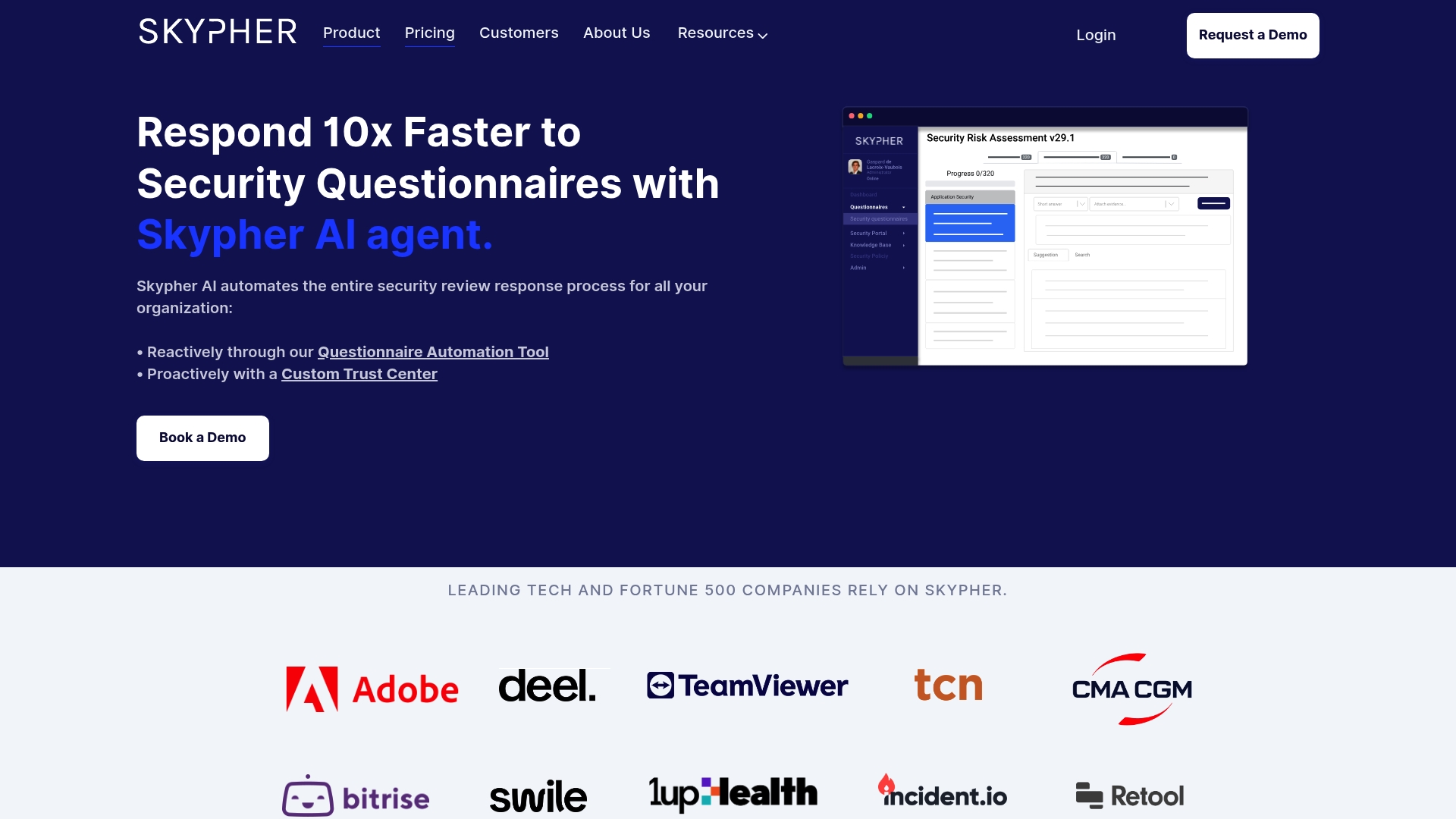
Don’t let cumbersome compliance processes hold you back from achieving organizational resilience. Start enhancing your security posture today—visit Skypher to explore how we can help you turn security challenges into strategic advantages. Experience the future of security questionnaires NOW!