

Companies are pouring money into customer trust, yet over 70 percent of buyers say security transparency is their top concern before signing a deal. Here’s the twist. Even the most polished security page often fails to make customers feel truly safe. The surprising truth is that a well-designed trust center does more than reassure, it can actually speed up sales and save millions by turning vague promises into real-time proof.
Table of Contents
- What Are Trust Centers and Why They Matter
- Key Features Every Trust Center Should Have
- Best Practices for Setting Up Trust Centers
- How Trust Centers Improve Customer Relationships
Quick Summary
| Takeaway | Explanation |
|---|---|
| Trust Centers as Strategic Assets | Trust centers are essential for demonstrating organizational commitment to security, transparency, and compliance, serving as central platforms for communication that can influence purchasing decisions. |
| Key Features for Success | Effective trust centers must include comprehensive security documentation, transparency in data handling, and user-friendly interfaces to build customer confidence and ease navigation. |
| Ongoing Maintenance is Crucial | A trust center must be regularly updated to reflect current security practices and compliance certifications, ensuring it remains a relevant resource for stakeholders. |
| Transforming Customer Relationships | Transparency through trust centers can reduce friction in business relationships by providing clear, accessible security information and enhancing organizational credibility. |
| Long-Term Value through Communication | Trust centers help mitigate risks and foster long-term customer loyalty by demonstrating a proactive approach to security, thus differentiating an organization from competitors. |
What Are Trust Centers and Why They Matter
In the rapidly evolving digital ecosystem, organizations face unprecedented challenges in demonstrating their commitment to security and transparency. Trust centers have emerged as critical platforms that bridge the gap between complex security practices and customer understanding.
The Fundamental Purpose of Trust Centers
A trust center represents a centralized digital hub where organizations transparently communicate their security, privacy, and compliance practices. According to the Cloud Security Alliance, these platforms serve as comprehensive repositories of an organization's security commitments, providing potential customers with immediate visibility into critical governance details.
The core objectives of trust centers extend beyond mere information sharing. They function as strategic communication tools that demonstrate an organization's proactive approach to data protection, regulatory compliance, and risk management. By consolidating complex security information into an accessible format, trust centers help organizations build credibility and reduce the friction in customer due diligence processes.
Key Components of an Effective Trust Center
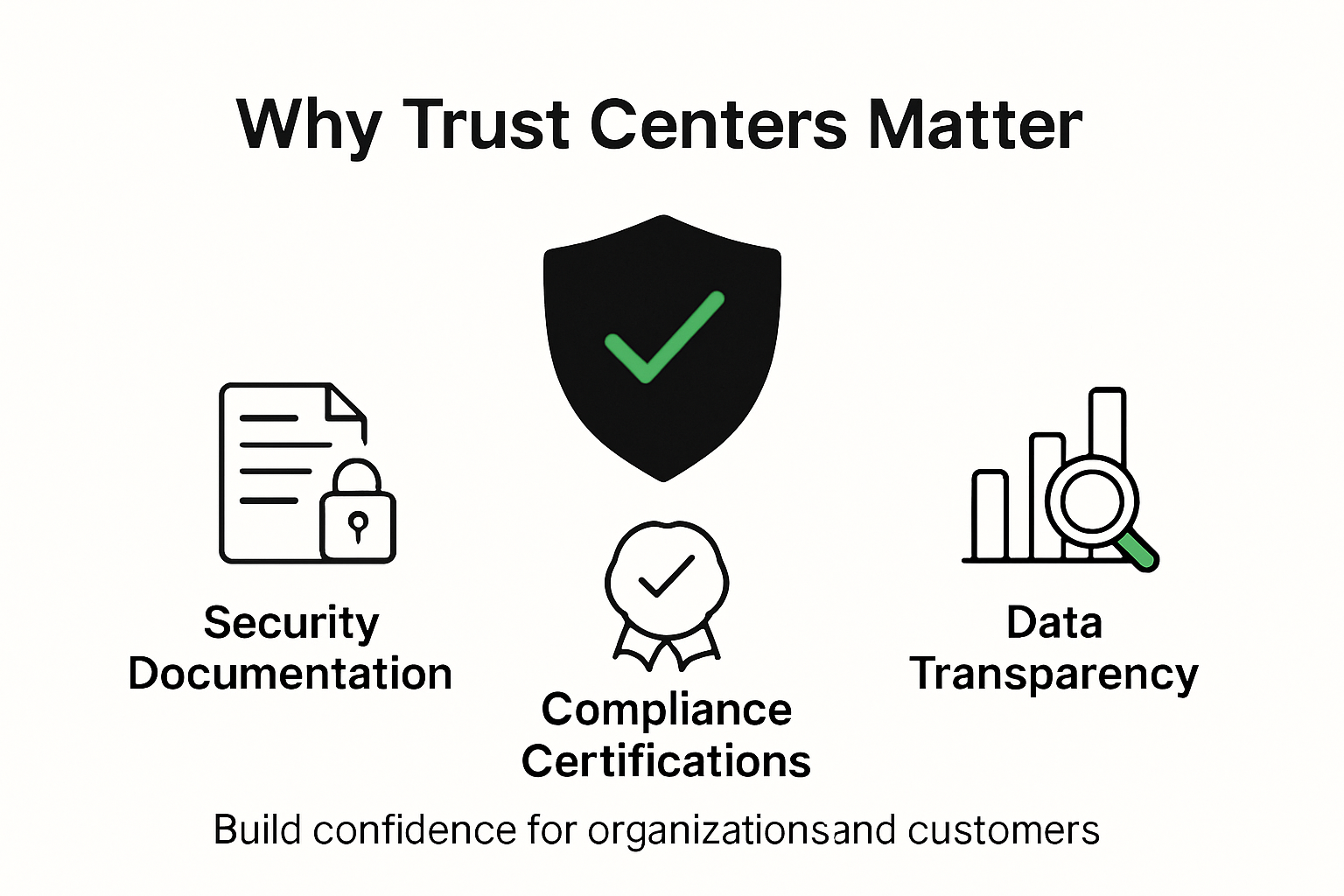
Effective trust centers are not static documents but dynamic platforms that offer comprehensive insights. Security documentation forms the foundation, including detailed information about infrastructure protection, access controls, encryption standards, and incident response protocols. Compliance certifications such as SOC 2, ISO 27001, and GDPR compliance credentials provide third-party validation of an organization's security practices.
Moreover, research indicates that a well-maintained trust center can serve as a competitive differentiator. By transparently showcasing security commitments, organizations signal a genuine dedication to protecting customer data, which can significantly influence purchasing decisions and foster long-term customer loyalty.
Trust centers have become increasingly crucial in an era where data breaches and privacy concerns dominate headlines. They represent more than a compliance checkbox they are strategic assets that communicate an organization's maturity, reliability, and commitment to maintaining the highest standards of data protection and customer trust.
By providing clear, accessible, and comprehensive security information, trust centers help organizations transform complex technical details into understandable narratives that resonate with customers, partners, and stakeholders alike.
Key Features Every Trust Center Should Have
As organizations increasingly recognize the critical role of transparency in building customer confidence, trust centers have evolved from simple compliance documents to sophisticated platforms that communicate an organization's commitment to security and data protection.
Comprehensive Security Documentation
A robust trust center goes far beyond basic information sharing. According to Hoggo's Trust Center Guide, comprehensive security documentation forms the cornerstone of an effective trust center. This includes detailed insights into security policies, infrastructure protection, and incident response frameworks.
Key documentation elements should encompass:
- Network Security Protocols: Detailed explanations of firewalls, encryption methods, and access control mechanisms
- Data Protection Strategies: Clear descriptions of how sensitive information is safeguarded and managed
- Compliance Certifications: Transparent display of industry-standard certifications like SOC 2, ISO 27001, and GDPR compliance
Transparency in Data Handling
Risk Immune Research emphasizes that modern trust centers must provide unprecedented clarity about data management practices. This means going beyond legal requirements to create genuine transparency that builds customer trust.
Effective data handling transparency includes:
- Clear Privacy Policies: Explicit descriptions of data collection, usage, and retention practices
- User Consent Mechanisms: Detailed explanations of how user permissions are obtained and respected
- Data Processing Workflows: Comprehensive overviews of how customer information is processed and protected
User Experience and Accessibility
The most technically comprehensive trust center becomes ineffective if stakeholders cannot easily navigate and understand its contents. Hoggo's Expert Insights highlight the importance of creating a user-friendly interface that makes complex security information accessible.
Key user experience considerations include:
- Intuitive Navigation: Logical structure that allows quick information retrieval
- Search Functionality: Advanced search capabilities to help users find specific information rapidly
- Visual Representations: Infographics and charts that simplify complex security concepts
Ultimately, a trust center is more than a documentation repository. It is a strategic communication tool that demonstrates an organization's commitment to security, transparency, and customer protection. By integrating comprehensive documentation, transparent data handling practices, and exceptional user experience, organizations can transform their trust centers into powerful instruments of customer confidence.
Best Practices for Setting Up Trust Centers
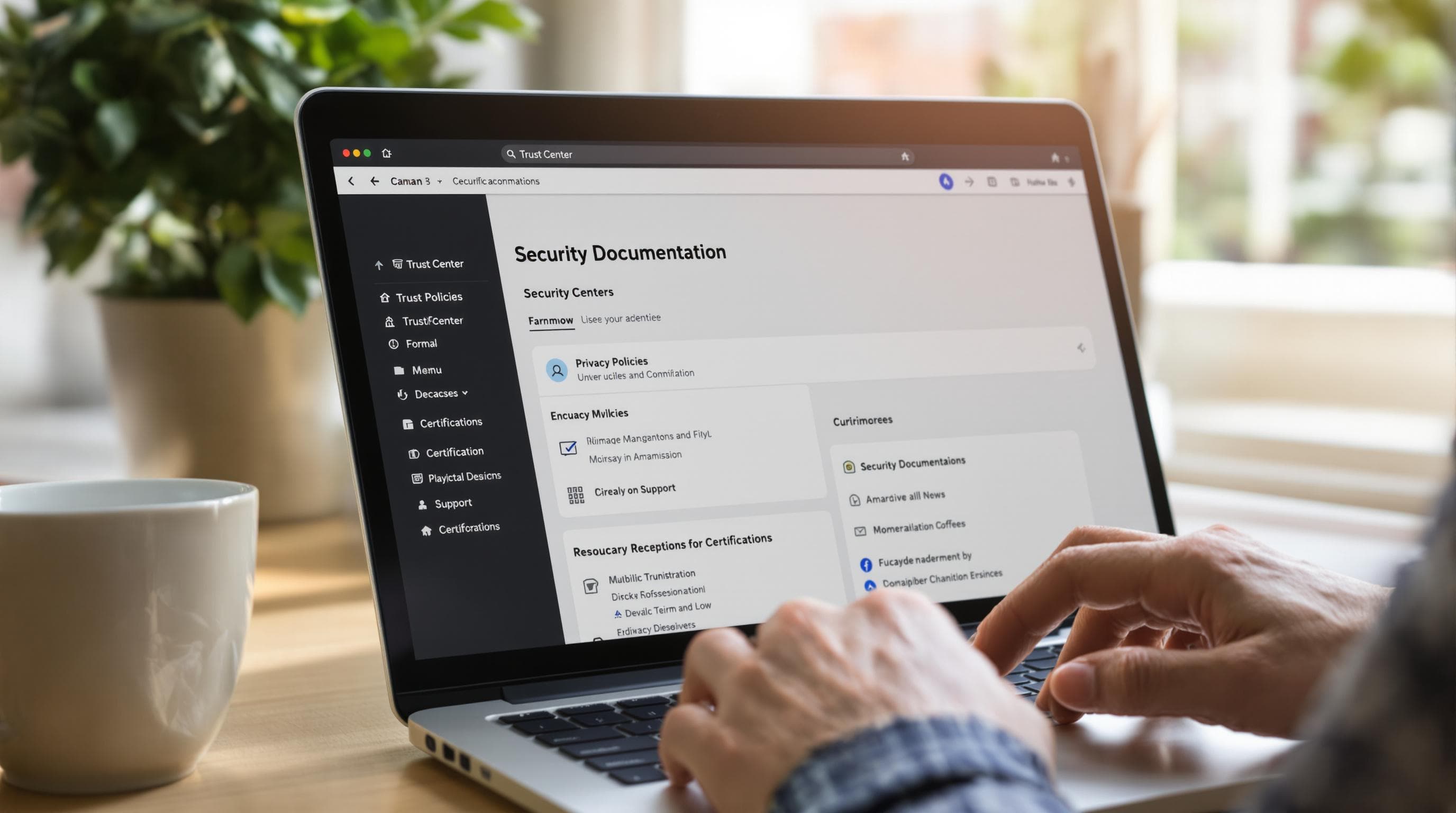
Creating an effective trust center requires strategic planning and a comprehensive approach that goes beyond mere compliance checklist completion. Organizations must view trust centers as dynamic platforms that continuously communicate their commitment to security and transparency.
Strategic Content Development
TrustArc's Implementation Guide emphasizes the importance of developing a comprehensive content strategy for trust centers. This involves creating detailed documentation that provides clear, accessible insights into an organization's security practices.
Key strategic content considerations include:
- Detailed Security Policies: Comprehensive explanations of organizational security frameworks
- Compliance Documentation: Clear presentations of relevant industry certifications
- Incident Response Procedures: Transparent descriptions of how potential security challenges are managed
The content must be crafted with multiple stakeholders in mind, balancing technical depth with accessibility for non-technical audiences. This approach ensures that potential customers, partners, and regulators can easily understand the organization's security commitments.
Technical Infrastructure and Design
Designing a trust center requires careful attention to both technical functionality and user experience. According to TrustArc's Expert Recommendations, the technical infrastructure should prioritize user accessibility and seamless information navigation.
Critical design elements include:
- Intuitive Navigation: Logical information architecture that allows quick access to critical documents
- Responsive Design: Ensuring accessibility across multiple devices and platforms
- Advanced Search Capabilities: Enabling users to quickly locate specific security information
- Multilingual Support: Accommodating global audiences with translated content
Continuous Maintenance and Updates
A trust center is not a static resource but a living platform that requires ongoing maintenance and regular updates. Organizations must establish robust processes for keeping their trust center current and relevant.
Key maintenance strategies involve:
- Regular Content Audits: Quarterly reviews of existing documentation
- Real-Time Compliance Tracking: Immediate updates to reflect new certifications or regulatory changes
- Stakeholder Feedback Mechanisms: Creating channels for users to provide insights and suggestions
By implementing a dynamic approach to trust center management, organizations demonstrate their genuine commitment to transparency and continuous improvement. This approach transforms the trust center from a compliance document into a strategic communication tool that builds lasting credibility with customers, partners, and stakeholders.
Effective trust centers are not about presenting perfect security but about showing a proactive, honest approach to managing potential risks and protecting stakeholder interests. The most successful platforms communicate not just what an organization has achieved, but how it continuously works to enhance its security and reliability.
To help readers quickly understand the core elements of building and maintaining an effective trust center, the following table summarizes best practices discussed in this section:
| Best Practice Area | Key Actions/Elements |
|---|---|
| Strategic Content Development | Detailed security policies, compliance documentation, clear incident response procedures |
| Technical Infrastructure & Design | Intuitive navigation, responsive design, advanced search, multilingual support |
| Continuous Maintenance & Updates | Regular content audits, real-time compliance tracking, stakeholder feedback |
How Trust Centers Improve Customer Relationships
In an era of increasing digital complexity and cybersecurity concerns, trust centers have emerged as powerful tools for transforming customer relationships from transactional interactions to collaborative partnerships based on transparency and mutual understanding.
Transparency as a Relationship Foundation
Easy Credence Research reveals that organizations leveraging comprehensive trust centers can significantly accelerate vendor assessment processes by proactively communicating security practices. This transparency reduces friction in customer interactions, demonstrating a commitment to open communication and risk management.
Customers today demand more than superficial assurances. They seek substantive evidence of an organization's dedication to protecting their data and interests. Trust centers provide this evidence by offering:
- Detailed Security Frameworks: Comprehensive insights into protection mechanisms
- Compliance Documentation: Clear presentations of industry certifications
- Incident Response Strategies: Transparent descriptions of potential risk management approaches
Reducing Friction in Business Relationships
UK Finance Research highlights that cybersecurity lapses can catastrophically damage customer relationships. Trust centers serve as preemptive communication platforms that mitigate these risks by providing immediate, accessible information about security practices.
By streamlining complex security information, trust centers help organizations:
- Accelerate Sales Cycles: Reduce time spent on security questionnaires
- Build Credibility: Demonstrate proactive security management
- Enhance Customer Confidence: Provide transparent, easily digestible security information
Long-Term Trust and Risk Mitigation
Akitra's Cybersecurity Analysis indicates that organizations with robust incident response capabilities can save an average of $2.66 million per potential breach. Trust centers play a critical role in communicating these capabilities, transforming potential vulnerabilities into opportunities for demonstrating organizational resilience.
Effective trust centers go beyond mere compliance. They represent a strategic approach to relationship building that:
- Communicates Organizational Maturity: Shows sophisticated approach to risk management
- Builds Emotional Connection: Demonstrates genuine commitment to customer protection
- Differentiates from Competitors: Provides transparent, comprehensive security insights
Ultimately, trust centers are more than documentation repositories. They are dynamic platforms that communicate an organization's values, commitment, and approach to protecting customer interests. By investing in comprehensive, accessible, and regularly updated trust centers, organizations can transform potential points of friction into opportunities for deeper, more meaningful customer relationships.
Frequently Asked Questions
What is a trust center?
A trust center is a centralized digital platform where organizations transparently communicate their security, privacy, and compliance practices to build customer confidence.
Why are trust centers important for customer relationships?
Trust centers demonstrate an organization's commitment to security and transparency, which helps reduce friction in business transactions, strengthen customer relationships, and enhance credibility.
What key features should a trust center have?
An effective trust center should include comprehensive security documentation, transparency in data handling practices, and a user-friendly interface to ensure easy navigation and understanding of security practices.
How do trust centers impact sales cycles?
Trust centers can significantly accelerate sales cycles by providing immediate and accessible security information, thus reducing the time spent on vendor assessments and security questionnaires.
Transform Security Transparency Into Faster Sales With Skypher
Are you feeling the pressure to prove your commitment to security and transparency as buyers demand more real-time evidence? The article identifies one of the biggest obstacles organizations face today: building genuine trust through clear, accessible security information that actually speeds up the sales process. Traditional static documents create friction, drag out contracts, and can leave both customers and sales teams frustrated.
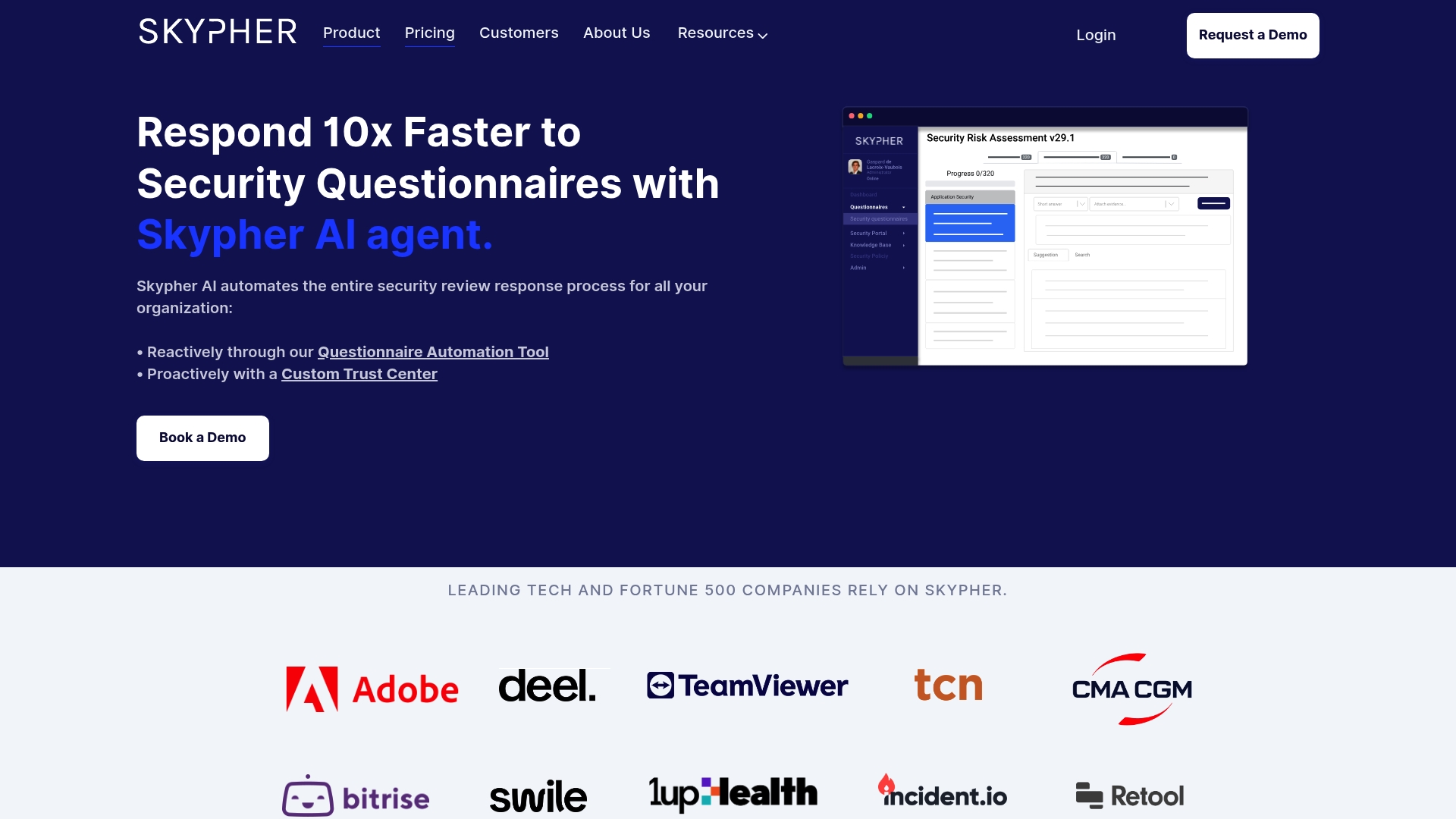
Skypher turns this challenge into your advantage. With a Custom Trust Center, you can automate and update your security documentation, maintain transparency, and respond to customer requests quickly. Enhance client confidence using our AI-powered Questionnaire Automation Tool and integrations to over 40 risk management platforms. Start proving your credibility and accelerate every deal. Explore how Skypher can help your team lead with trust at https://skypher.co.