

Big companies face growing risks as personal data gets swapped, stored, and shared every second. You might guess the biggest concern is falling behind on digital trends or adopting the latest tech tools. Turns out, the real game is about managing privacy—because ISO 27701 certification directly strengthens how organizations protect personal information and comply with global regulations. This one move could mean the difference between trust and public backlash.
Table of Contents
- What is ISO 27701 Certification and Its Purpose?
- Why ISO 27701 Certification Matters for Businesses
- How ISO 27701 Certification Works and Its Framework
- Key Concepts and Terms Related to ISO 27701 Certification
- Real-World Applications and Benefits of ISO 27701 Certification
Quick Summary
| Takeaway | Explanation |
|---|---|
| ISO 27701 enhances privacy management frameworks | The certification provides structured guidance for organizations to improve their privacy governance and compliance strategies. |
| Businesses gain competitive advantage through certification | Achieving ISO 27701 demonstrates a commitment to data protection, enhancing credibility and customer trust. |
| Proactive risk management is key | Organizations must systematically identify and mitigate privacy risks to avoid potential breaches and legal issues. |
| Continuous improvement is essential | ISO 27701 certification is an ongoing process that requires organizations to adapt their privacy practices to evolving challenges. |
| Applicable across various industries | The framework is flexible and can be customized to meet privacy needs in sectors like healthcare, finance, and technology. |
What is ISO 27701 Certification and Its Purpose?
ISO 27701 certification represents a critical privacy management standard designed to help organizations establish comprehensive privacy information management systems. This internationally recognized framework provides organizations with structured guidance for managing privacy risks, protecting personal data, and demonstrating compliance with global data protection regulations.
The Core Purpose of ISO 27701
The primary objective of ISO 27701 certification is to enable organizations to implement a systematic approach to privacy management. Unlike general data protection regulations, this certification offers a proactive framework that goes beyond basic compliance requirements. By adopting ISO 27701, organizations can:
- Develop robust privacy governance structures
- Create comprehensive privacy risk management processes
- Establish clear accountability for personal data protection
- Demonstrate commitment to privacy best practices
According to International Organization for Standardization, the certification serves as an extension to existing information security management systems (ISMS), specifically targeting privacy protection mechanisms.
Key Components of Privacy Information Management
ISO 27701 certification encompasses several critical components that help organizations build comprehensive privacy management strategies. These include:
- Defining privacy roles and responsibilities within the organization
- Implementing privacy controls and technical safeguards
- Creating mechanisms for consent management and data subject rights
- Establishing processes for handling personal data breaches
- Developing transparent privacy documentation and policies
By integrating these components, organizations can create a holistic approach to privacy management that goes beyond traditional compliance checklist approaches. The certification provides a structured methodology for understanding, managing, and protecting personal information across various operational contexts.
The framework recognizes that privacy is not just a legal requirement but a fundamental aspect of maintaining trust with customers, partners, and stakeholders. Organizations that successfully implement ISO 27701 demonstrate a mature and proactive approach to data protection, setting themselves apart in an increasingly complex digital landscape.
Why ISO 27701 Certification Matters for Businesses
In an era of increasing data privacy regulations and cybersecurity threats, ISO 27701 certification has become a strategic imperative for businesses seeking to protect their most valuable asset: information. This certification transcends traditional compliance mechanisms by providing a comprehensive framework for managing privacy risks and demonstrating organizational commitment to data protection.
Strategic Business Advantages
Businesses that pursue ISO 27701 certification gain significant competitive advantages in an increasingly complex digital ecosystem. The certification offers more than just regulatory compliance it represents a strategic approach to privacy management that can directly impact an organization's reputation, customer trust, and operational resilience.
Key strategic benefits include:
- Enhanced credibility with customers and stakeholders
- Reduced potential for data privacy related legal vulnerabilities
- Systematic approach to managing privacy risks
- Improved organizational data governance frameworks
According to International Organization for Standardization, the standard provides a structured methodology for organizations to establish robust privacy information management systems that align with global best practices.
Practical Risk Mitigation
ISO 27701 certification enables businesses to proactively address privacy risks before they escalate into significant operational challenges. By implementing a comprehensive privacy management framework, organizations can systematically identify, assess, and mitigate potential privacy vulnerabilities.
Businesses that adopt this certification demonstrate a commitment to protecting personal information across multiple dimensions:
- Establishing clear privacy governance structures
- Creating transparent data processing procedures
- Implementing technical and organizational safeguards
- Developing mechanisms for continuous privacy improvement
Moreover, the certification provides a structured approach to managing privacy risks that goes beyond simple compliance. It helps organizations build trust with customers, partners, and regulatory bodies by showing a mature and proactive approach to data protection.
For modern businesses operating in a data driven world, ISO 27701 certification is not just a technical standard it is a strategic tool for building organizational resilience, maintaining customer confidence, and navigating the complex landscape of global privacy regulations.
How ISO 27701 Certification Works and Its Framework
The ISO 27701 certification process represents a sophisticated approach to privacy management that transforms how organizations handle personal information. Unlike traditional compliance frameworks, this standard provides a comprehensive methodology for establishing, implementing, and maintaining robust privacy information management systems.
Foundational Framework Components
The ISO 27701 framework is built upon a structured approach that integrates privacy management into an organization's existing information security infrastructure. Key framework components include developing systematic processes for managing personally identifiable information (PII) across multiple organizational levels.
Critical framework elements encompass:
- Defining clear privacy governance structures
- Establishing comprehensive privacy risk assessment methodologies
- Creating mechanisms for ongoing privacy management
- Implementing technical and organizational privacy controls
- Developing transparent documentation and accountability processes
According to International Organization for Standardization, the framework serves as an extensible model that can be adapted to various organizational contexts and sizes.
Certification Implementation Process
The ISO 27701 certification process involves a meticulous approach to privacy management that goes beyond traditional compliance checklist methods. Organizations seeking certification must demonstrate a comprehensive understanding of privacy protection mechanisms and their practical implementation.
The implementation typically involves several strategic stages:
- Conducting an initial privacy management system gap analysis
- Developing comprehensive privacy policies and procedures
- Implementing technical and organizational privacy controls
- Conducting internal privacy audits and assessments
- Engaging external certification bodies for independent verification
Businesses must recognize that ISO 27701 certification is not a one time achievement but a continuous journey of privacy management and improvement. The framework requires organizations to continuously adapt and enhance their privacy protection strategies, ensuring they remain responsive to evolving technological and regulatory landscapes.
By embracing this holistic approach, organizations can transform privacy management from a compliance requirement into a strategic organizational capability that builds trust, demonstrates accountability, and protects both individual rights and organizational interests.
Key Concepts and Terms Related to ISO 27701 Certification
Navigating the complex landscape of ISO 27701 certification requires a comprehensive understanding of specialized terminology and foundational privacy management concepts. This section demystifies the critical terminology that organizations and privacy professionals must comprehend to effectively implement and maintain privacy information management systems.
Fundamental Privacy Management Terminology
The ISO 27701 framework introduces several pivotal technical and operational terms that form the backbone of privacy information management. Understanding these concepts is crucial for organizations seeking to develop robust privacy protection strategies.
Key fundamental terms include:
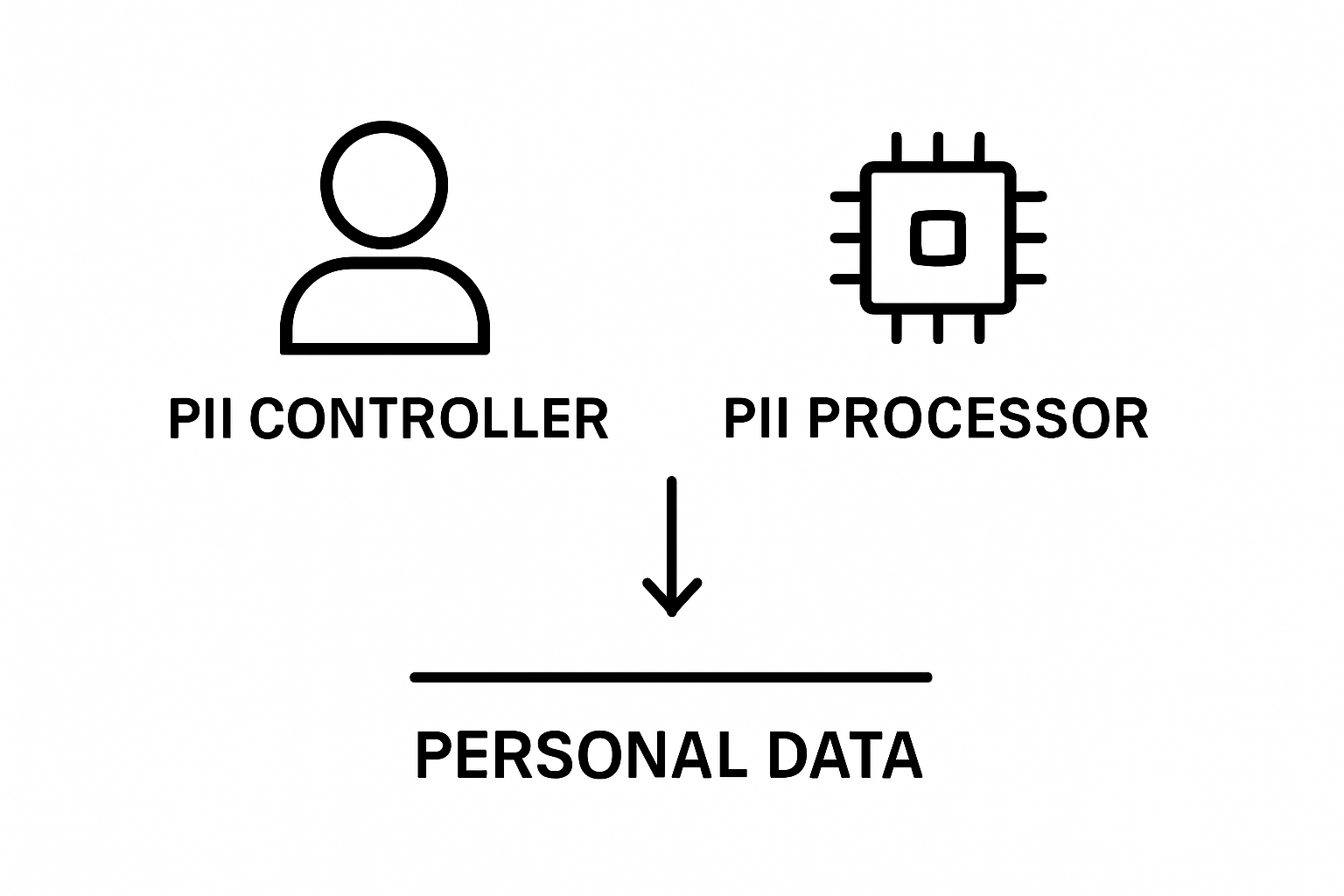
- Personally Identifiable Information (PII): Any information that can directly or indirectly identify an individual
- Privacy Information Management System (PIMS): A systematic approach to managing privacy risks and protection mechanisms
- PII Controller: An entity that determines the purposes and means of processing personal information
- PII Processor: An entity that processes personal information on behalf of the PII controller
According to International Organization for Standardization, these terms provide a standardized framework for understanding privacy management responsibilities and processes.
Advanced Privacy Management Concepts
Beyond basic terminology, ISO 27701 introduces more nuanced concepts that help organizations develop comprehensive privacy protection strategies. These advanced concepts represent a sophisticated approach to managing personal information across complex organizational environments.
Critical advanced concepts encompass:
- Privacy Risk Assessment: Systematic evaluation of potential privacy vulnerabilities and their potential impacts
- Privacy Control Mechanisms: Technical and organizational measures designed to protect personal information
- Data Minimization: Principle of collecting and retaining only necessary personal information
- Purpose Limitation: Ensuring personal data is collected and processed only for specified, explicit, and legitimate purposes
The framework emphasizes that these concepts are interconnected, requiring organizations to adopt a holistic and dynamic approach to privacy management. Successful implementation demands continuous learning, adaptation, and proactive risk management.
By mastering these key concepts and terms, organizations can transform privacy management from a complex regulatory requirement into a strategic organizational capability that builds trust, demonstrates accountability, and protects individual rights.
Below is a table summarizing fundamental and advanced privacy management terms introduced in ISO 27701, along with concise definitions to clarify key concepts.
| Term | Definition |
|---|---|
| Personally Identifiable Information (PII) | Any information that can directly or indirectly identify an individual |
| Privacy Information Management System (PIMS) | A systematic approach to managing privacy risks and protection mechanisms |
| PII Controller | An entity that determines the purposes and means of processing personal information |
| PII Processor | An entity that processes personal information on behalf of the PII controller |
| Privacy Risk Assessment | Systematic evaluation of potential privacy vulnerabilities and their potential impacts |
| Data Minimization | Principle of collecting and retaining only necessary personal information |
| Purpose Limitation | Ensuring personal data is collected and processed only for specified, explicit, and legitimate purposes |
| Privacy Control Mechanisms | Technical and organizational measures designed to protect personal information |
Real-World Applications and Benefits of ISO 27701 Certification
ISO 27701 certification transcends theoretical privacy frameworks by providing tangible, practical applications across diverse industry sectors. Organizations implementing this standard can transform their privacy management approach from a compliance requirement to a strategic business advantage that delivers measurable operational and reputational benefits.
Industry-Specific Privacy Implementation
Different industries experience unique privacy challenges that ISO 27701 certification addresses through its flexible and comprehensive framework. Technology, healthcare, financial services, and e-commerce sectors particularly benefit from its structured approach to managing personally identifiable information.
Key industry applications include:
- Healthcare organizations protecting patient data confidentiality
- Financial institutions safeguarding customer financial information
- Technology companies managing user data across complex digital platforms
- E-commerce businesses securing customer transaction and personal details
- Government agencies maintaining citizen information privacy
According to International Organization for Standardization, the standard provides adaptable guidance that can be customized to meet specific organizational and sectoral privacy requirements.
Practical Business Advantages
Beyond regulatory compliance, ISO 27701 certification offers strategic business advantages that directly impact organizational performance and market positioning. Companies implementing this standard can demonstrate a proactive commitment to data protection, which translates into tangible competitive benefits.
Significant business advantages encompass:
- Enhanced customer trust and brand reputation
- Reduced legal and financial risks associated with data breaches
- Improved internal privacy governance and accountability
- Streamlined privacy management processes
- Competitive differentiation in privacy-conscious markets
The certification enables organizations to move beyond reactive compliance, creating a comprehensive privacy management ecosystem that protects both individual rights and organizational interests. By integrating privacy considerations into core business strategies, companies can build resilient, trustworthy frameworks that adapt to evolving technological and regulatory landscapes.

Ultimately, ISO 27701 certification represents more than a technical standard it is a strategic tool for building organizational credibility, maintaining customer confidence, and demonstrating a mature approach to privacy management in an increasingly complex digital world.
Simplify Your ISO 27701 Privacy Compliance Journey with Skypher
Struggling with the growing demands of privacy frameworks like ISO 27701? If your organization faces challenges around privacy risk management, regulatory compliance, and transparent documentation for security reviews, you are not alone. Many businesses feel overwhelmed when it comes to demonstrating privacy controls, managing complex questionnaires, and proving accountability in information management. The need for accuracy, speed, and collaboration is higher than ever, especially as you build your privacy information management system and respond to evolving regulatory requirements.
Experience a new level of control and confidence. With Skypher, you can automate and streamline your responses to privacy and security questionnaires, directly supporting your ISO 27701 initiatives. Our AI Questionnaire Automation Tool reduces turnaround time, enhances accuracy, and brings clarity to your privacy documentation. Strengthen your privacy governance and boost stakeholder trust with easy integrations and real-time team collaboration. Visit Skypher now to accelerate your journey toward effective privacy certification. Get started today to show your clients and partners that you take privacy seriously.
Frequently Asked Questions
What is ISO 27701 certification?
ISO 27701 certification is a privacy management standard that helps organizations establish privacy information management systems to protect personal data and comply with global data protection regulations.
Why is ISO 27701 certification important for businesses?
ISO 27701 certification is important because it provides a comprehensive framework for managing privacy risks, enhances customer trust, and helps organizations demonstrate their commitment to data protection and privacy best practices.
What are the key components of the ISO 27701 framework?
The key components of the ISO 27701 framework include defining privacy roles, implementing privacy controls, creating consent management mechanisms, handling personal data breaches, and developing transparent privacy policies.
How does an organization obtain ISO 27701 certification?
To obtain ISO 27701 certification, an organization must conduct a gap analysis, develop privacy policies, implement technical controls, conduct internal audits, and engage external certification bodies for verification.