
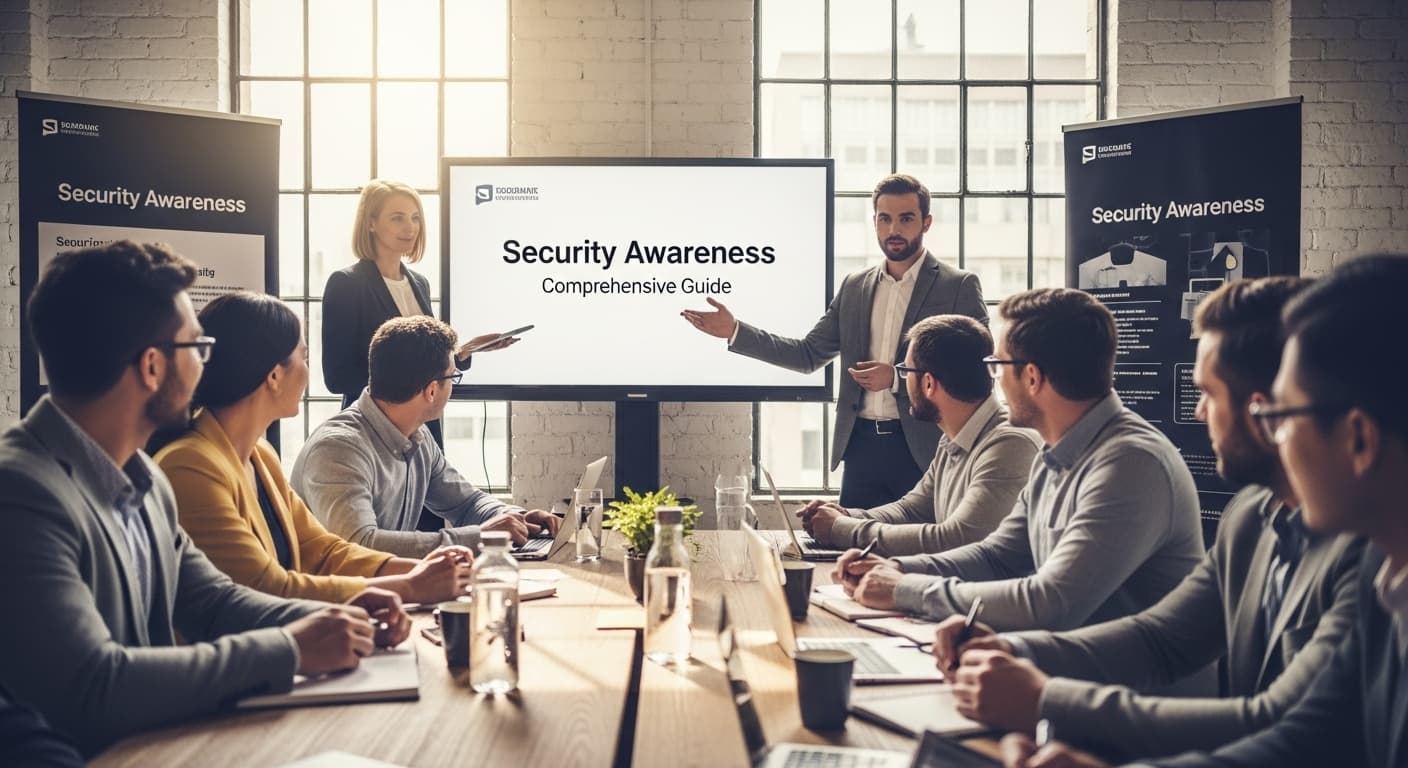
Security breaches are making headlines and cybercriminal tactics keep evolving faster than most businesses can react. Here is a shocker: research shows that about 90 percent of cybersecurity breaches happen because of human error, not technical flaws. You might think installing expensive firewalls is the answer but the real defense starts with human awareness—turning employees from security risks into the strongest shield your organization can have.
Table of Contents
- What is Security Awareness and Its Importance
- Why Security Awareness Matters for Businesses
- How Security Awareness Works in Practice
- Key Concepts of Security Awareness Training
- Real-World Impact of Effective Security Awareness
Quick Summary
| Takeaway | Explanation |
|---|---|
| Create a strong security culture | Foster an environment where every employee understands their role in cybersecurity. This helps mitigate risks related to human error and enhances overall defenses. |
| Invest in comprehensive training programs | Tailor training content to different roles and ensure ongoing education to keep skills updated and relevant to current threats. |
| Simulate real-world cybersecurity scenarios | Use phishing simulations and other practical exercises to prepare employees for actual threats, increasing their ability to respond effectively. |
| Empower employees to report incidents | Establish clear channels for reporting suspicious activities, encouraging a proactive approach to security and creating a collective defense. |
| Measure and adapt training effectiveness | Regularly assess employee knowledge and behavior changes to refine training approaches, ensuring maximum impact on organizational security posture. |
What is Security Awareness and Its Importance
Security awareness represents an organization's comprehensive strategy to educate employees about potential cybersecurity risks, threats, and best practices for protecting sensitive information. It goes beyond technical solutions, focusing on human behavior and developing a proactive mindset toward digital safety.
Understanding the Core Concept
At its fundamental level, security awareness is about transforming employees from potential vulnerability points into active defenders of organizational digital infrastructure. Explore our smart security knowledge base to understand how comprehensive training can revolutionize your cybersecurity approach.
The primary goal of security awareness is creating a culture where every individual understands their role in maintaining organizational security. This means recognizing potential threats, understanding how cybercriminals operate, and knowing precise actions to take when encountering suspicious activities.
Why Security Awareness Matters
According to research from the UK Government's National Cyber Security Centre, human error accounts for approximately 90% of cybersecurity breaches. These incidents are not just technical failures but result from inadequate employee knowledge and preparedness.
Key reasons security awareness is critical include:
- Reducing organizational vulnerability to cyber attacks
- Minimizing potential financial and reputational damage
- Creating a proactive security culture
- Ensuring compliance with industry regulations
- Empowering employees to make informed security decisions
Effective security awareness programs transform employees from potential weak links into robust human firewalls. By understanding potential risks and practicing vigilant digital behaviors, organizations can significantly enhance their overall cybersecurity posture.
The following table summarizes the primary reasons why security awareness is crucial for businesses, outlining each benefit and its impact on organizational resilience.
| Reason | Description |
|---|---|
| Reduces vulnerability to cyber attacks | Lowers the chances of successful attacks by equipping employees with the ability to recognize and avoid threats. |
| Minimizes financial and reputational damage | Helps prevent costly breaches and protects organizational reputation from public relations issues. |
| Creates a proactive security culture | Encourages employees to take responsibility and act decisively when facing security challenges. |
| Ensures compliance with industry regulations | Supports adherence to legal and regulatory requirements, reducing the risk of compliance-related penalties. |
| Empowers informed security decisions | Provides employees with knowledge to recognize threats and respond appropriately, making smarter choices every day. |
Why Security Awareness Matters for Businesses
Security awareness transcends technical infrastructure and becomes a critical strategic business imperative in an increasingly complex digital landscape. Businesses face unprecedented cybersecurity challenges that require more than technological solutions.
Financial and Reputational Protection
Cybersecurity incidents can devastate organizations financially and reputationally. A single data breach can result in significant monetary losses, legal complications, and irreparable brand damage. Learn more about handling security questionnaires effectively to understand the comprehensive risk management process.
According to NIST Special Publication 800-50, organizations with robust security awareness programs can dramatically reduce their vulnerability to potential cyber threats. These programs transform employees from potential security risks into active organizational defenders.
Preventing Cyber Threats
Modern cyber threats exploit human psychology and behavior more than technological vulnerabilities. Employees represent both the most significant potential weakness and strongest defensive asset in an organization's cybersecurity strategy.
Key reasons businesses must prioritize security awareness include:
- Mitigating social engineering and phishing attacks
- Protecting sensitive organizational and customer data
- Ensuring regulatory compliance across industries
- Reducing financial risks associated with cybersecurity incidents
- Building a proactive organizational security culture
Businesses that invest in comprehensive security awareness training create resilient environments where every team member understands their role in maintaining digital safety. By educating employees about potential risks, recognizing suspicious activities, and implementing best practices, organizations can significantly reduce their overall cybersecurity exposure.
How Security Awareness Works in Practice
Security awareness implementation is a multifaceted approach that requires strategic planning, continuous education, and adaptive methodologies. Organizations must develop comprehensive programs that transform theoretical knowledge into practical defensive capabilities.
Training and Educational Strategies
Effective security awareness goes beyond simple informational presentations. Interactive and engaging training modules are critical for ensuring employee comprehension and retention. Understand the challenges of modern security questionnaires to appreciate the complexity of contemporary cybersecurity education.
According to NIST Special Publication 800-53, successful security awareness programs must incorporate several key implementation strategies:
- Customized training content based on organizational roles
- Regular assessment and measurement of learning outcomes
- Simulation of real-world cybersecurity scenarios
- Continuous learning and adaptation mechanisms
Practical Implementation Techniques
Practical security awareness involves creating a holistic ecosystem of knowledge transfer, behavioral modification, and continuous reinforcement. Organizations typically employ multiple techniques to ensure comprehensive coverage:
- Phishing simulation exercises
- Mandatory quarterly cybersecurity training sessions
- Regular security policy updates and communication
- Incident reporting and feedback mechanisms
- Recognition and reward programs for security-conscious behavior
The most successful security awareness programs integrate technical controls with human-centric approaches. By combining technological safeguards with targeted education, organizations can create a resilient security culture where employees become active participants in protecting digital assets.
This table highlights key practical security awareness implementation techniques and explains how each method strengthens an organization's cybersecurity posture through education and behavioral change.
| Implementation Technique | Purpose/Benefit |
|---|---|
| Phishing simulation exercises | Exposes employees to real-world attack tactics in a controlled environment to build recognition skills. |
| Mandatory quarterly training | Updates staff knowledge on evolving threats and reinforces best practices regularly. |
| Regular security policy updates | Keeps everyone informed about new protocols and compliance requirements. |
| Incident reporting mechanisms | Facilitates timely reporting of suspicious activities, enabling faster response to potential threats. |
| Recognition and reward programs | Motivates employees to stay security-conscious through positive reinforcement and acknowledgment. |
Key Concepts of Security Awareness Training
Security awareness training represents a structured approach to educating employees about cybersecurity risks, best practices, and organizational defense strategies. Understanding its fundamental concepts is crucial for developing comprehensive protection mechanisms.
Foundational Learning Elements
Effective security awareness training goes beyond basic technical instructions. Strategic knowledge transfer focuses on developing critical thinking skills that enable employees to recognize, assess, and respond to potential cybersecurity threats. Learn about navigating security questionnaire challenges to understand the complexity of modern cybersecurity education.
According to NIST Special Publication 800-53, comprehensive security awareness programs should emphasize several core learning objectives:
- Understanding organizational security policies
- Recognizing potential cyber threat indicators
- Developing proactive risk mitigation strategies
- Building individual accountability for digital security
Psychological and Behavioral Components
Security awareness training is fundamentally about transforming human behavior. The most effective programs recognize that technical knowledge alone is insufficient. Organizations must address psychological factors that influence decision making and risk perception.
Key psychological aspects of security awareness include:
- Developing a security-conscious mindset
- Understanding cognitive biases that lead to security vulnerabilities
- Creating emotional engagement with cybersecurity principles
- Building confidence in reporting potential security incidents
- Fostering a collaborative organizational security culture
Successful security awareness training integrates cognitive understanding with practical skills, enabling employees to become active participants in organizational cybersecurity defense. By combining educational techniques with behavioral insights, organizations can create resilient human firewalls that complement technological security infrastructure.

Real-World Impact of Effective Security Awareness
Effective security awareness programs transform theoretical knowledge into tangible organizational defense mechanisms. These initiatives represent more than academic exercises, demonstrating measurable improvements in cybersecurity resilience across various sectors and industries.
Quantifiable Risk Reduction
Organizational cybersecurity posture fundamentally changes when comprehensive awareness programs are implemented. Learn how to navigate complex security questionnaire challenges to understand practical risk management strategies.
According to NIST's research on federal cybersecurity awareness programs, organizations can achieve significant measurable outcomes through strategic awareness initiatives:
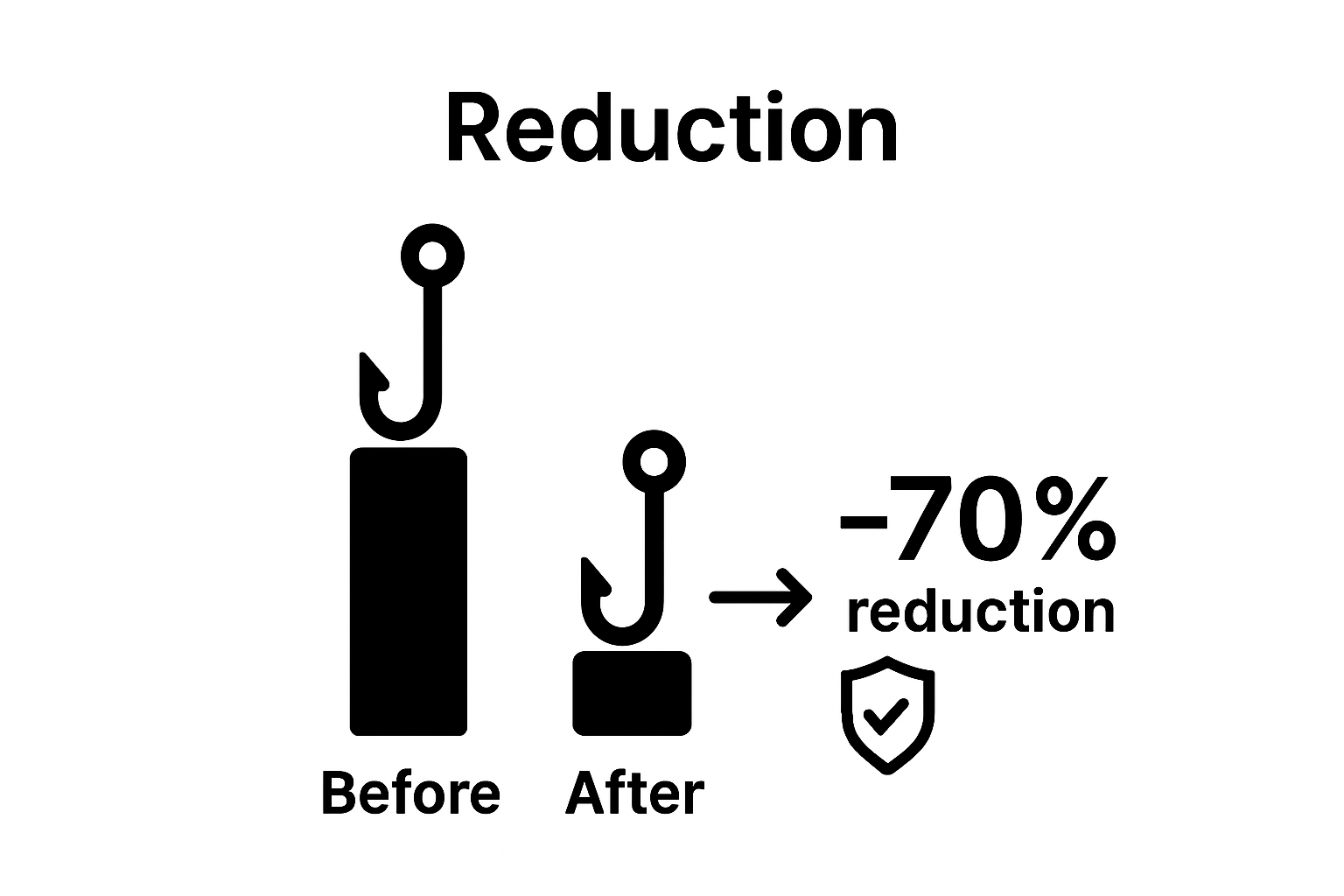
- Reduction of successful phishing attempts by up to 70%
- Decreased incident response times
- Enhanced employee reporting of potential security threats
- Improved overall organizational security culture
Practical Organizational Transformations
Real-world implementations demonstrate that security awareness transcends theoretical concepts. Successful programs create holistic environments where cybersecurity becomes an integrated aspect of organizational culture, not just a technical requirement.
Key practical impacts include:
- Empowering employees as active security participants
- Creating proactive threat identification mechanisms
- Developing organizational resilience against evolving cyber risks
- Establishing transparent communication channels for security concerns
- Reducing financial losses associated with human-error security breaches
Effective security awareness represents a dynamic, continuous process of education, engagement, and adaptation. By investing in comprehensive programs that address human behavior, technological vulnerabilities, and organizational strategies, businesses can create robust defense ecosystems that significantly mitigate potential cybersecurity risks.
Turn Security Awareness into Real Results with Skypher
After learning that human error is behind most security breaches and that effective awareness training can transform your security culture, you might be wondering how to actually apply these lessons to your everyday business tasks. One recurring challenge is managing complex security questionnaires. These bottlenecks not only stress your teams but can also slow down your entire business. Imagine the impact if your organization could eliminate repetitive manual questionnaire tasks and focus on building a strong security culture. Discover how automation and real-time collaboration on security questionnaires can safeguard your organization and free your people to focus on high-priority security initiatives.
Ready to apply comprehensive security awareness strategies and see immediate operational gains? Visit Skypher and see how our AI-driven platform streamlines your security processes, shortens sales cycles, and turns your employees into true defenders of your digital assets. Start now and strengthen your security posture while boosting efficiency.
Frequently Asked Questions
What is security awareness?
Security awareness is the process of educating employees about potential cybersecurity threats and best practices for protecting sensitive information within an organization.
Why is security awareness important for businesses?
Security awareness is crucial for businesses as it helps reduce the risk of cyber attacks, minimizes financial and reputational damage, ensures compliance with regulations, and fosters a proactive security culture among employees.
What are the core components of an effective security awareness program?
An effective security awareness program includes customized training based on roles, regular assessments, real-world scenario simulations, and continuous education to adapt to evolving cyber threats.
How can organizations measure the effectiveness of their security awareness training?
Organizations can measure the effectiveness of their security awareness training by tracking metrics such as the reduction in successful phishing attempts, improved incident response times, and increased reporting of potential security threats by employees.
Recommended
- Smart Security Knowledge Base - Saasy - Webflow HTML Website Template
- The different formats & mistakes made when writing or answering security questionnaires
- Best Practices for Automating Your Security Questionnaires Response Process (2/3)
- The ever growing number of security questionnaires and what you and your company can do to face it
- How To Protect Your Website From Cyber Security Threats
- La gestione dei rischi informatici: comprendere l'importanza - Security Hub