

Vendor management might sound dry, but it shapes the backbone of modern business security. Over 60 percent of security breaches now involve third-party vendors. Shocking, right? Most companies are missing one vital step that turns vendors from unknown risks into key allies. Here’s that overlooked approach.
Table of Contents
- What is a vendor management policy?
- Key Elements Every Policy Should Include
- Step-by-Step Guide to Creating Your Policy
- Best Practices for Ongoing Vendor Oversight
Quick Summary
| Takeaway | Explanation |
|---|---|
| Establish Clear Vendor Management Policies | A vendor management policy serves as a strategic framework for effectively managing relationships with external vendors, ensuring risk mitigation and performance monitoring throughout the engagement lifecycle. |
| Incorporate Comprehensive Vendor Risk Assessment | Organizations should classify vendors based on potential impact, detailing their risk levels, data sharing parameters, and expected deliverables to prioritize monitoring and risk mitigation strategies. |
| Implement Ongoing Monitoring and Performance Evaluation | Continuous monitoring is essential; organizations must establish performance metrics, consistent review schedules, and remediation protocols to ensure vendors adhere to compliance and performance standards. |
| Assemble a Cross-Functional Policy Development Team | Creating a robust vendor management policy requires diverse input, including IT, legal, procurement, and management perspectives, ensuring the policy addresses complex organizational needs. |
| Adopt a Proactive Risk Management Approach | Effective oversight involves regular communication with vendors, performance feedback mechanisms, and incident response planning to transform potential risks into strategic opportunities for growth. |
What Is a Vendor Management Policy?
A vendor management policy represents a comprehensive strategic framework that organizations develop to systematically manage relationships with external service providers, contractors, and suppliers. This critical business document provides a structured approach for selecting, evaluating, monitoring, and managing vendors throughout their engagement lifecycle.
Core Components of a Vendor Management Policy
At its foundation, a vendor management policy establishes clear guidelines for how an organization will interact with and oversee third-party vendors. Federal financial regulators emphasize that this policy serves multiple crucial purposes beyond simple procurement.
The primary objectives include:
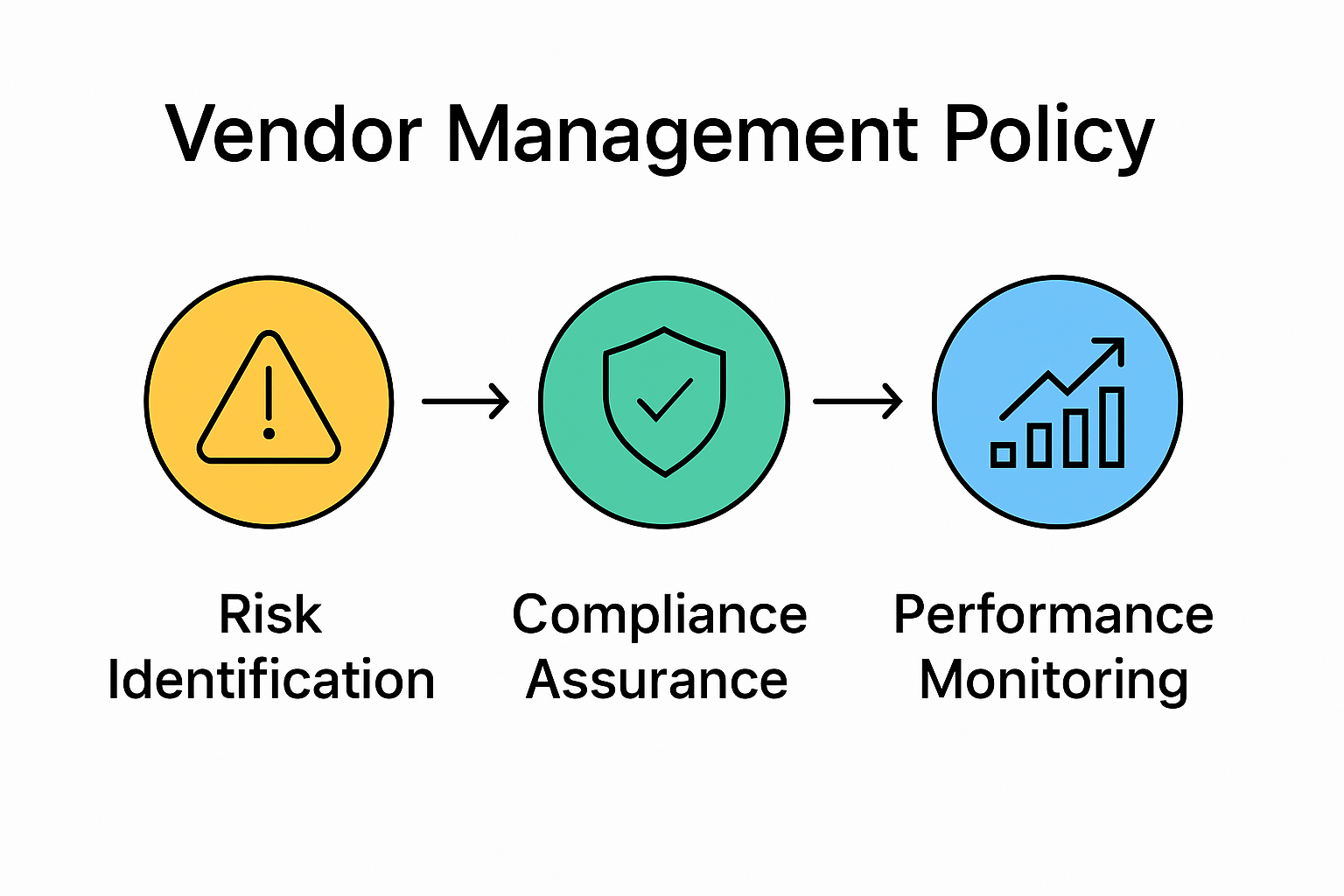
- Risk Identification: Systematically assess potential risks associated with vendor relationships
- Compliance Assurance: Ensure vendors meet regulatory and organizational standards
- Performance Monitoring: Track vendor performance against predefined metrics
Regulatory guidance highlights that an effective vendor management policy goes far beyond basic transactional interactions. It creates a robust mechanism for continuous evaluation and risk mitigation. Organizations must design these policies to protect their operational integrity, data security, and financial interests.
Strategic Importance of Vendor Management
Businesses increasingly rely on external partners to deliver specialized services, making vendor management policies more critical than ever. Industry research indicates that comprehensive vendor management strategies can significantly reduce organizational vulnerabilities.
A well-constructed vendor management policy addresses several key strategic dimensions:
- Defining clear vendor selection criteria
- Establishing robust due diligence processes
- Creating transparent performance evaluation mechanisms
- Implementing rigorous security and compliance protocols
- Developing structured offboarding and contract termination procedures
Risk Management and Compliance Framework
In the contemporary business environment, vendor management policies serve as essential risk management tools. Expert analysis demonstrates that organizations with comprehensive vendor management frameworks are better positioned to navigate complex regulatory landscapes.
These policies enable businesses to:
- Proactively identify potential vendor-related risks
- Establish clear communication channels
- Create accountability mechanisms
- Protect organizational assets and reputation
Successful vendor management policies are not static documents but dynamic frameworks that evolve with changing business needs, technological advancements, and regulatory requirements. They require regular review, updating, and strategic alignment with the organization's broader operational goals.
By implementing a robust vendor management policy, businesses can transform vendor relationships from potential liability into strategic opportunities for growth, innovation, and competitive advantage.
Key Elements Every Policy Should Include
Developing a comprehensive vendor management policy requires strategic planning and meticulous attention to critical components that protect organizational interests. An effective policy serves as a robust blueprint for managing third-party relationships, mitigating risks, and ensuring operational excellence.
Vendor Risk Assessment and Classification
Cybersecurity experts recommend creating a detailed vendor inventory that goes beyond basic contact information. This comprehensive documentation should include:
- Risk Level Classification: Categorize vendors based on potential organizational impact
- Data Sharing Parameters: Specify types and sensitivity of shared information
- Service Description: Clearly outline contracted services and expected deliverables
- Control Mechanisms: Establish protocols for detecting security or performance issues
A robust risk assessment framework enables organizations to prioritize vendors and allocate monitoring resources strategically. By understanding each vendor's potential vulnerabilities, businesses can develop targeted risk mitigation strategies.
Compliance and Security Requirements
Regulatory compliance frameworks emphasize the critical importance of establishing comprehensive compliance and security standards within vendor management policies. These requirements should encompass multiple dimensions:
- Security protocol verification
- Privacy standard adherence
- Regulatory requirement compliance
- Ongoing audit and assessment mechanisms
Implementing a standardized assessment process allows organizations to evaluate vendors systematically. Industry research suggests leveraging established frameworks like NIST or ISO 27001 to create customizable evaluation checklists that address critical risk factors.
Continuous Monitoring and Performance Evaluation

Effective vendor management policies must transcend initial selection processes and incorporate continuous monitoring strategies. This approach ensures vendors maintain acceptable performance and compliance standards throughout their engagement.
Key monitoring components should include:
- Performance Metrics: Establish clear, measurable performance indicators
- Regular Assessment Schedules: Create consistent evaluation timelines
- Remediation Protocols: Define processes for addressing performance or compliance gaps
- Termination Criteria: Outline specific conditions warranting vendor relationship conclusion
Successful vendor management requires a dynamic, adaptable approach that balances organizational needs with comprehensive risk management. By integrating these critical elements, businesses can transform vendor relationships from potential liabilities into strategic partnerships that drive operational efficiency and innovation.
A well-constructed vendor management policy serves as more than a regulatory requirement. It becomes a strategic tool that enables organizations to navigate complex vendor ecosystems with confidence, protecting their assets, reputation, and long-term business objectives.
Step-by-Step Guide to Creating Your Policy
Creating a comprehensive vendor management policy requires strategic planning, collaboration, and a methodical approach. This guide provides a structured framework for developing a robust policy that protects organizational interests and establishes clear vendor relationship protocols.
Assembling Your Cross-Functional Policy Development Team
Cybersecurity experts recommend forming a diverse team that represents multiple organizational perspectives. This cross-functional approach ensures a holistic policy development process.
Key team members should include:
- IT Security Representatives: Assess technological vulnerabilities
- Legal Department Experts: Ensure regulatory compliance
- Senior Management: Provide strategic oversight
- Business Unit Leaders: Offer operational insights
- Procurement Specialists: Understand vendor acquisition processes
- Internal Audit Professionals: Validate risk management strategies
By bringing together professionals from different departments, organizations can create a more comprehensive and nuanced vendor management policy that addresses complex organizational needs.
Developing Policy Framework and Documentation
Vendor management professionals emphasize the importance of creating a structured policy document with clear, defined sections. A comprehensive policy should include:
- Purpose and scope statement
- Roles and responsibilities matrix
- Vendor selection and evaluation criteria
- Risk assessment methodology
- Compliance and security requirements
- Performance monitoring protocols
- Incident response and remediation procedures
Industry research highlights the critical importance of documenting supplier onboarding and change management procedures. These guidelines ensure consistent application of policy requirements throughout the vendor relationship lifecycle.
Implementation and Continuous Improvement
Successful vendor management policy implementation requires more than document creation. Organizations must develop a dynamic approach that allows for ongoing refinement and adaptation.
Key implementation strategies include:
- Training Programs: Educate stakeholders about policy requirements
- Technology Integration: Leverage software tools for vendor tracking
- Regular Policy Reviews: Schedule periodic policy assessments
- Feedback Mechanisms: Create channels for continuous improvement
Effective vendor management policies are living documents that evolve with organizational needs, technological advancements, and regulatory changes. By treating the policy as a dynamic framework, businesses can maintain flexibility while protecting their core interests.
The process of creating a vendor management policy is not a one-time event but a continuous journey of risk management, strategic planning, and organizational resilience. Success depends on collaboration, clear communication, and a commitment to maintaining robust external partnerships that drive business growth and innovation.
Best Practices for Ongoing Vendor Oversight
Ongoing vendor oversight represents a critical component of effective vendor management, requiring continuous attention, strategic monitoring, and proactive risk management. Organizations must develop robust mechanisms to ensure vendors consistently meet performance, security, and compliance standards throughout their engagement lifecycle.
Comprehensive Vendor Performance Tracking
Industry experts recommend maintaining a dynamic vendor inventory that provides real-time insights into vendor capabilities, risks, and performance metrics. This comprehensive approach enables organizations to:
- Capture Vendor Details: Document complete vendor information
- Track Security Controls: Monitor ongoing security implementations
- Assess Compliance Status: Evaluate regulatory adherence
- Conduct Regular Risk Assessments: Continuously evaluate potential vulnerabilities
Automated tracking tools can significantly enhance the efficiency and accuracy of vendor performance monitoring, providing organizations with instantaneous visibility into potential risks or performance deviations.
Standardized Assessment and Evaluation Frameworks
Vendor management professionals emphasize the importance of establishing clear, objective performance evaluation mechanisms. These frameworks should include:
- Predefined performance metrics
- Quantifiable evaluation criteria
- Regular assessment schedules
- Transparent reporting protocols
Cybersecurity frameworks such as NIST, ISO 27001, and SOC 2 provide valuable guidelines for developing customizable assessment checklists. These standards help organizations create tailored evaluation processes that address specific risks and regulatory requirements unique to each vendor relationship.
Proactive Risk Management and Continuous Improvement
Effective vendor oversight extends beyond simple performance tracking. Organizations must develop a proactive approach to risk management that anticipates potential challenges and creates strategic mitigation strategies.
Key proactive oversight strategies include:
- Regular Communication: Establish consistent vendor dialogue
- Performance Feedback Mechanisms: Create constructive evaluation channels
- Incident Response Planning: Develop clear protocols for addressing performance issues
- Continuous Learning: Integrate vendor insights into organizational improvement processes
Successful vendor oversight requires a holistic approach that balances rigorous monitoring with collaborative relationship management. By treating vendors as strategic partners rather than transactional resources, organizations can transform potential risks into opportunities for innovation and mutual growth.
Ultimately, ongoing vendor oversight is not about creating restrictive controls but about fostering a dynamic, transparent ecosystem where both parties can thrive. This approach requires commitment, flexibility, and a strategic vision that aligns vendor capabilities with organizational objectives.
Frequently Asked Questions
What is a vendor management policy?
A vendor management policy is a strategic framework organizations develop to systematically manage and oversee relationships with external vendors, ensuring risk mitigation and performance monitoring throughout the engagement lifecycle.
Why is a vendor management policy important for businesses?
A vendor management policy is essential as it helps businesses identify and mitigate potential risks associated with vendor relationships, ensures compliance with regulatory standards, and fosters effective performance tracking to protect the organization’s interests.
What key elements should be included in a vendor management policy?
Key elements of a vendor management policy should include vendor risk assessment and classification, compliance and security requirements, continuous monitoring and performance evaluation, roles and responsibilities, and protocols for incident response and remediation.
How can businesses create an effective vendor management policy?
To create an effective vendor management policy, businesses should assemble a cross-functional team for policy development, establish a structured framework with clear documentation, and implement ongoing training and review processes to ensure the policy remains relevant and effective.
Turn Vendor Management from Headache to Hero with Skypher
You have just read how critical a strong vendor management policy is for reducing risk and protecting your business. But even with the smartest policy, complex security questionnaires and endless risk reviews can slow you down, drain your team's energy, and risk missed deadlines. Does chasing down answers or manually updating compliance spreadsheets sound familiar? If so, you are not alone. Many organizations struggle to keep vendor data accurate, move quickly on risk reviews, and maintain true oversight—the very pain points highlighted in this guide.
What if you could automate those tedious questionnaire responses and gain peace of mind with real-time tracking? With Skypher, your team can use AI to handle security questionnaires with ease, collaborate instantly, and integrate right into your risk management workflow. Stop letting manual processes threaten your policy goals. Join forward-thinking businesses that are transforming their vendor management from reactive to proactive. See how Skypher can help you automate and secure your vendor relationships—visit the platform now and start removing the friction from your vendor oversight.