

The vendor onboarding process is not just a checklist; it’s the heartbeat of supplier relationships. With 60% of organizations struggling with vendor management, the stakes have never been higher. But here’s the kicker—most companies overlook the foundational steps that can make or break these partnerships. The real magic happens with a streamlined process that not only saves time but also reduces risk and enhances collaboration.
Understanding the Vendor Onboarding Process
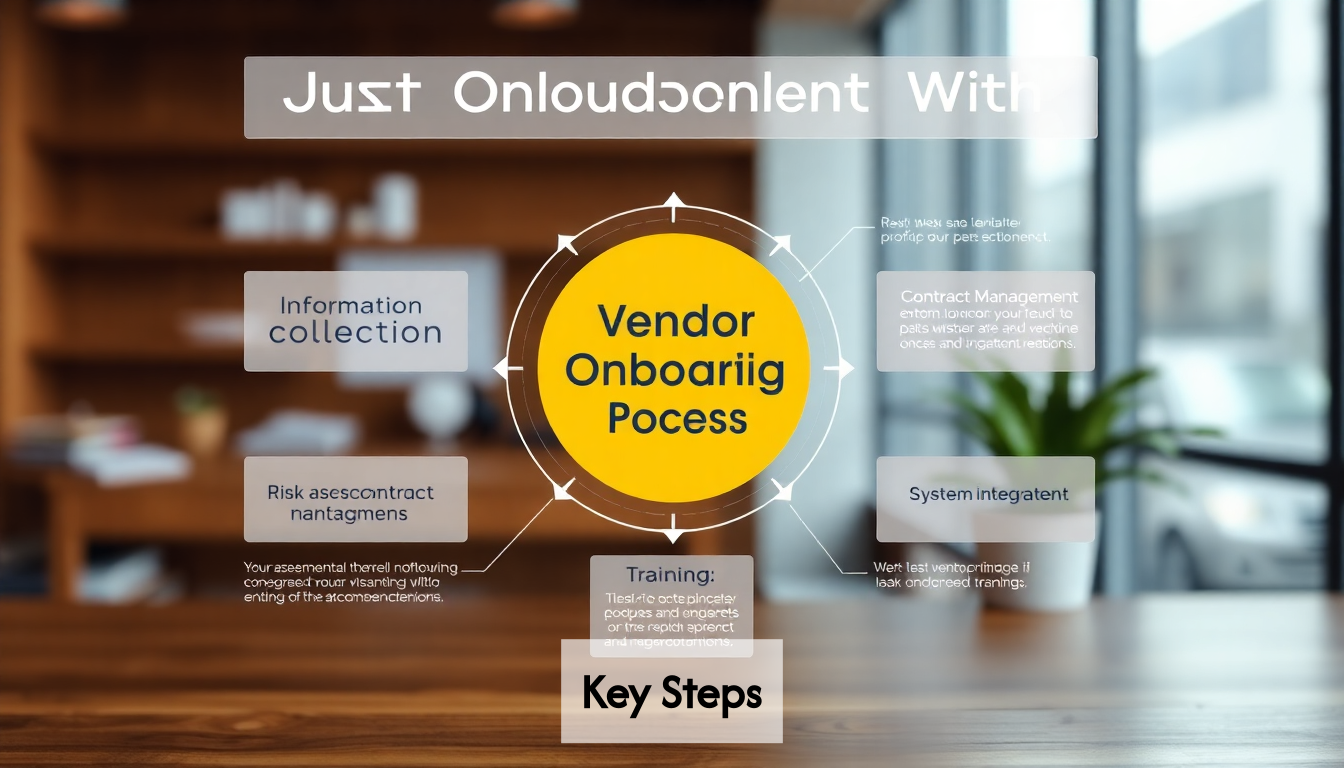
The vendor onboarding process encompasses all activities required to integrate new suppliers into your organization's ecosystem. It's the foundation for successful vendor relationships and ensures compliance, risk management, and operational efficiency.
Key Components of Vendor Onboarding
A comprehensive supplier onboarding process typically includes these essential elements:
-
Information Collection - Gathering crucial documentation including tax forms, insurance certificates, licenses, and business credentials that verify the vendor's legitimacy and compliance status.
-
Risk Assessment - Evaluating potential vendors against your organization's risk tolerance and compliance requirements to identify and mitigate possible vulnerabilities.
-
Contract Management - Negotiating, finalizing, and documenting agreements that clearly define expectations, deliverables, and responsibilities for both parties.
-
System Integration - Connecting vendors to your internal systems including procurement platforms, payment processing, and communication channels.
-
Training and Orientation - Providing necessary guidance on your company's processes, requirements, and collaboration tools to ensure smooth operations.
According to research from Prevalent, a well-structured vendor onboarding process allows for consistent, repeatable management of third-party vendors while enabling enforcement of contract provisions and thorough due diligence to identify potential risks.
Key Takeaways
| Takeaway | Explanation |
|---|---|
| Structured Approach is Crucial | Implementing a systematic vendor onboarding process ensures consistency, thoroughness, and minimizes risks associated with vendor integration. |
| Documentation is Key | Comprehensive information collection helps verify vendor legitimacy and compliance status, laying a solid foundation for relationships. |
| Risk Management is Essential | Conducting thorough risk assessments can help identify and address potential vendor-related vulnerabilities early in the onboarding process. |
| Clear Communication Builds Trust | Transparent communication during onboarding is vital for establishing trust and setting expectations for long-term collaboration. |
The Business Impact of Effective Onboarding
Implementing a standardized new vendor onboarding process delivers measurable benefits:
- Risk Reduction: Thorough vetting helps identify and address compliance, financial, or operational risks before they impact your business
- Faster Time-to-Value: Structured onboarding accelerates the timeline from vendor selection to productive partnership
- Cost Savings: Efficient processes reduce administrative overhead and prevent costly mistakes in vendor management
- Relationship Building: Clear communication during onboarding establishes trust and sets the foundation for long-term collaboration
By understanding these fundamental aspects of the vendor onboarding process, organizations can develop systematic approaches that balance thoroughness with efficiency.
Step-by-Step Guide to Effective Onboarding
Implementing a structured vendor onboarding process flow ensures consistency and thoroughness when bringing new suppliers into your business ecosystem. Follow these actionable steps to create a seamless experience for both your team and your vendors.
1. Create a Standardized Onboarding Checklist
A comprehensive vendor onboarding checklist serves as the backbone of your process. Your checklist should include:
- Required documentation (W-9 forms, certificates of insurance, business licenses)
- Contact information for key stakeholders on both sides
- System access requirements and security protocols
- Payment terms and invoicing procedures
- Communication preferences and escalation paths
Standardizing this checklist ensures no critical steps are missed regardless of which team member manages the onboarding.
2. Establish Clear Qualification Criteria
Before beginning the new vendor setup process, define specific criteria that suppliers must meet to qualify for partnership:
- Financial stability thresholds
- Compliance with industry regulations
- Quality assurance certifications
- Data security protocols
- Ethical business practices and sustainability measures
Documenting these criteria helps prevent subjective decision-making and ensures all vendors are evaluated fairly.
3. Streamline Documentation Collection
Implement a centralized system for gathering and storing vendor information. This might include:
- Creating standardized forms that capture all necessary data
- Utilizing secure portals for document uploads
- Implementing electronic signature capabilities
- Setting up automated reminders for missing documentation
4. Conduct Thorough Risk Assessment

Perform comprehensive due diligence to identify potential risks associated with each new supplier:
- Financial risk evaluation
- Compliance and regulatory review
- Security and data protection assessment
- Business continuity capabilities
- Fourth-party risk (your vendor's vendors)
5. Develop Integration and Training Plans
Create specific plans for integrating vendors into your operations:
- System access provisioning and technical setup
- Training on your company's processes and requirements
- Introduction to key internal stakeholders
- Timeline for initial deliverables and milestones
6. Establish Performance Metrics and Review Processes
Define how you'll measure vendor success from day one:
- Key performance indicators specific to the vendor's function
- Regular review cadence (30, 60, 90 days initially)
- Feedback mechanisms for continuous improvement
- Escalation procedures for addressing issues
According to Waybook's research, maintaining consistent communication throughout the onboarding process is critical to prevent suppliers from seeking opportunities elsewhere and ensures alignment of expectations.
By following this structured approach to supplier onboarding, you create a foundation for successful vendor relationships while protecting your organization from potential risks and complications.
Essential Tools and Best Practices
To optimize your vendor onboarding process, implementing the right tools and following proven best practices is crucial. These resources and strategies will help streamline operations, reduce errors, and create a seamless experience for both your team and new suppliers.
Technology Solutions for Vendor Onboarding
Vendor Management Systems (VMS)
A dedicated vendor management system centralizes all supplier information and streamlines the onboarding workflow. Key features to look for include:
- Document collection and storage capabilities
- Automated workflow management
- Compliance tracking and alerts
- Performance monitoring dashboards
- Integration with existing procurement systems
Digital Onboarding Platforms
Specialized supplier onboarding solutions offer functionality specifically designed for managing the initial setup of new vendors:
- Electronic form completion
- Secure document transmission
- Digital signature capabilities
- Automated verification processes
- Progress tracking for all parties
Data Security Tools
Protecting sensitive information during the onboarding process requires robust security measures:
- Encrypted communication channels
- Role-based access controls
- Multi-factor authentication systems
- Audit logging capabilities
- Data loss prevention tools
Best Practices for Successful Vendor Onboarding
Create a Standardized Workflow
Develop a consistent vendor onboarding process flow that can be replicated across different supplier types. This standardization ensures:
- Predictable timelines for team planning
- Consistent experience for all vendors
- Clear ownership of each process step
- Easier identification of bottlenecks
Develop Comprehensive Templates
Create a library of vendor onboarding templates including:
- Welcome packet with company overview
- Role-specific training materials
- Service level agreement (SLA) frameworks
- Communication protocols document
- Escalation path reference guide
Implement Quality Control Measures
Regular quality checks throughout the onboarding process help maintain standards and identify improvement opportunities. According to research from StruxHub, implementing quality control measures helps avoid costly rework, prevents legal issues, and enhances your organization's reputation.
Establish Two-Way Communication Channels
Effective communication is the cornerstone of successful supplier onboarding:
- Schedule regular check-ins during the initial onboarding period
- Provide a dedicated point of contact for vendor questions
- Create feedback mechanisms for continuous improvement
- Establish clear escalation paths for resolving issues
Measure and Optimize
Track key metrics to evaluate and improve your onboarding process:
| Metric | Target | Purpose |
|---|---|---|
| Time to onboard | <14 days | Efficiency measurement |
| Documentation accuracy | >95% | Quality control |
| Vendor satisfaction | >4.5/5 | Relationship health |
| System adoption rate | >90% | Integration success |
By implementing these tools and best practices, your organization can transform vendor onboarding from a bureaucratic necessity into a strategic advantage that strengthens supplier relationships and supports business growth.
Addressing Challenges and Reducing Risk
Even the most carefully designed vendor onboarding process will encounter obstacles. Organizations that proactively identify and address these challenges can significantly reduce associated risks while maintaining efficient operations.
Common Vendor Onboarding Challenges
1. Incomplete Documentation
Vendors often submit partial or incorrect information, delaying the onboarding process. To overcome this:
- Create clear documentation checklists with examples
- Implement automated validation checks at submission
- Establish follow-up protocols for missing information
- Provide vendor-facing guidance for common documentation errors
2. Compliance Gaps
Regulatory requirements vary by industry and location, creating compliance challenges during supplier onboarding. Address this by:
- Maintaining up-to-date compliance requirement libraries
- Implementing automated compliance screening tools
- Conducting regular training for procurement teams
- Creating region and industry-specific onboarding tracks
3. System Integration Issues
Connecting vendor systems with your internal platforms often creates technical friction. Mitigate this through:
- Preliminary technical compatibility assessments
- Phased integration approaches for complex systems
- Dedicated IT support during initial onboarding stages
- Clear documentation of integration requirements
Risk Mitigation Strategies
According to research from ZenGRC, over 52% of cybersecurity professionals have reported increased threats compared to previous years, highlighting the importance of robust risk management in vendor relationships. Consider these proven approaches:
Risk Limitation
This balanced approach involves accepting certain risks while implementing controls to limit their potential impact. For new vendor onboarding:
- Implement tiered access to sensitive systems based on necessity
- Establish transaction limits for new vendors until trust is established
- Create probationary periods with increased monitoring
- Develop contingency plans for potential service disruptions
Risk Transference
When appropriate, transfer certain risks to third parties through:
- Requiring vendors to maintain specific insurance coverage
- Establishing clear liability terms in contracts
- Using escrow services for initial transactions
- Implementing performance bonds for critical services
Risk Avoidance
Some risks may warrant complete avoidance strategies:
- Establish clear...
Frequently Asked Questions
What is the vendor onboarding process?
The vendor onboarding process is a series of activities designed to integrate new suppliers into your organization's ecosystem, ensuring compliance, risk management, and operational efficiency.
Why is documentation important in vendor onboarding?
Comprehensive documentation is crucial for verifying a vendor's legitimacy and compliance status, laying the groundwork for a successful partnership.
How can I streamline the vendor onboarding process?
You can streamline the vendor onboarding process by creating a standardized checklist, establishing clear qualification criteria, and utilizing centralized systems for documentation collection.
What are common challenges in vendor onboarding?
Common challenges include incomplete documentation, compliance gaps, and system integration issues. Addressing these proactively can help reduce risks and ensure a smoother onboarding experience.
Transform Your Vendor Onboarding Experience with Skypher
Mastering the vendor onboarding process can be a daunting task. With incomplete documentation, compliance gaps, and integration issues potentially delaying your progress, organizations often face significant roadblocks before they even engage with their new vendors. At Skypher, we understand these pain points all too well—and that’s why we've crafted tools that tackle these challenges head-on.
Imagine a world where the onboarding headaches vanish and efficiency reigns supreme. With Skypher's AI Questionnaire Automation Tool, you can:
- Streamline Document Collection: Automate the gathering of crucial vendor documents and validate submissions in real-time.
- Enhance Compliance Efforts: Leverage advanced capabilities to ensure your vendors meet the necessary compliance standards with our customizable Trust Center.
- Facilitate Seamless Collaboration: Integrate with over 40 third-party risk management platforms and keep all your teams in sync effortlessly.
Don’t let vendor onboarding bog you down any longer! Act NOW to transform your vendor management process and enhance your cybersecurity posture. Visit skypher.co today and see how we can help you save time and build stronger vendor relationships.