

Healthcare organizations face an uphill battle in safeguarding sensitive patient information, with HIPAA compliance serving as the essential frontline defense. Surprising as it may seem, navigating these complex regulations is more than just legal obligation—it transforms into a powerful opportunity for trust-building and operational efficiency. The true key to success lies not in checking off compliance boxes but in creating a culture of proactive data security. This shift can fundamentally change how organizations engage with patient information and elevate their service quality.
Understanding HIPAA Compliance Basics
Healthcare organizations handle vast amounts of sensitive patient information daily. Understanding the fundamentals of HIPAA compliance is essential for protecting this data and avoiding costly penalties. Let's explore the core elements that form the foundation of effective HIPAA compliance.
What HIPAA Protects and Who Must Comply
At its core, HIPAA safeguards Protected Health Information (PHI) – which extends far beyond medical records to include names, addresses, emails, phone numbers, birth dates, Social Security numbers, and any other identifying information related to a patient's health status or care. This comprehensive protection forms the backbone of patient privacy in healthcare settings.
Three main categories of organizations must adhere to HIPAA regulations:
- Covered Entities: Healthcare providers, health plans, and healthcare clearinghouses that handle PHI directly
- Business Associates: Third-party vendors or contractors who access PHI while providing services to covered entities
- Subcontractors: Organizations that work with business associates and may encounter PHI
According to Compliancy Group, while business associates have compliance obligations, they aren't subject to the full extent of the Privacy Rule in the same way covered entities are, though they still bear significant responsibility.
The Three Pillars of HIPAA Compliance
Successful HIPAA compliance rests on three fundamental rules that work together to create a comprehensive protection framework:
-
The Privacy Rule: Establishes standards for the use and disclosure of PHI, giving patients rights over their health information and limiting how it can be used without authorization
-
The Security Rule: Focuses specifically on electronic PHI (ePHI), mandating administrative, physical, and technical safeguards to ensure the confidentiality, integrity, and availability of digital health records
-
The Breach Notification Rule: Requires covered entities to notify affected individuals, the HHS Secretary, and in some cases, the media following a breach of unsecured PHI
These pillars are not isolated components but rather interconnected elements of a comprehensive compliance strategy. Understanding how they work together is vital for implementing effective protection measures across your organization.
Building a Culture of Compliance
What is a key to success for HIPAA compliance? Beyond the technical requirements, creating an organizational culture that values and prioritizes data security is essential. This involves:
- Regular staff training and awareness programs that emphasize the importance of PHI protection
- Clear policies and procedures that outline proper data handling practices
- Ongoing risk assessments to identify and address potential vulnerabilities
- Documented compliance efforts that demonstrate due diligence
Maintaining HIPAA compliance isn't a one-time project but a continuous process requiring vigilance and adaptation. Organizations that view compliance as part of their operational DNA rather than a checklist to complete are best positioned for long-term success in protecting sensitive health information.
By mastering these fundamentals, healthcare organizations can build a solid foundation for their compliance efforts, reducing risk while fostering patient trust through demonstrated commitment to information security.
Key Takeaways
| Takeaway | Explanation |
|---|---|
| Understanding HIPAA Basics is Crucial | Organizations must grasp HIPAA's core components, including the Privacy Rule, Security Rule, and Breach Notification Rule, to effectively protect Protected Health Information (PHI). |
| Risk Assessment and Management are Essential | Regular risk assessments help identify vulnerabilities in systems and processes, driving proactive compliance efforts and ensuring effective resource allocation. |
| Comprehensive Policies and Procedures are Necessary | Clear, updated documentation of policies and procedures translates regulatory requirements into actionable guidelines, ensuring consistency in compliance efforts. |
| Staff Training Must Be Ongoing and Relevant | Effective training programs should be role-specific, scenario-based, and continuously reinforced to create a security-conscious culture among all staff. |
| Leverage Technology to Enhance Compliance | Implementing automated compliance tools, secure communication platforms, and AI-driven analytics streamlines compliance processes and helps mitigate risks effectively. |
Identifying Key Success Factors
What is a key to success for HIPAA compliance? The answer lies in identifying and prioritizing the critical elements that drive sustainable compliance across your healthcare organization. By focusing on these key success factors, you can develop a strategic approach that goes beyond mere checkbox compliance and creates lasting protection for sensitive patient information.
Risk Assessment and Management

The foundation of successful HIPAA compliance begins with comprehensive risk assessment. This systematic process helps you identify vulnerabilities in your systems, processes, and personnel training that could lead to data breaches or unauthorized disclosures.
Effective risk management involves:
- Regular and thorough assessments of all systems containing protected health information
- Documentation of identified risks, including their likelihood and potential impact
- Development of mitigation strategies proportional to the level of risk
- Implementation of controls to address vulnerabilities
- Ongoing monitoring to ensure controls remain effective
According to TrueProject, only 34% of organizations complete projects on time and within budget, highlighting why a structured approach to identifying critical success factors is essential. For HIPAA compliance, this means treating compliance not as a one-time project but as an ongoing operational priority with clearly defined objectives and measurement criteria.
Comprehensive Policies and Procedures
Documented policies and procedures serve as the roadmap for HIPAA compliance within your organization. These documents translate regulatory requirements into actionable guidelines for staff members at all levels. The key to success for HIPAA compliance in this area includes:
- Creating clear, accessible documentation that addresses all aspects of the Privacy and Security Rules
- Ensuring policies reflect actual organizational practices rather than theoretical ideals
- Establishing review cycles to keep documentation current with regulatory changes and organizational evolution
- Developing role-specific procedures that detail exactly how staff should handle PHI in various scenarios
Policies should be living documents that evolve as your organization grows and as regulations change. Without this documentation, compliance efforts lack consistency and sustainability.
Staff Training and Cultural Integration
Even the most robust technical safeguards can be undermined by human error. Creating a culture where protecting patient information is valued at all levels of the organization is a critical success factor for HIPAA compliance.
Effective training programs should:
- Provide role-specific guidance on handling PHI
- Include practical scenarios relevant to daily workflows
- Explain the "why" behind HIPAA requirements to foster buy-in
- Offer regular refreshers and updates as regulations evolve
- Measure comprehension and compliance through assessments
When staff members understand that protecting patient information is fundamental to providing quality care, compliance becomes integrated into the organizational culture rather than being perceived as an administrative burden.
Vendor Management and Business Associate Oversight
Modern healthcare operations typically involve numerous third-party vendors who may access, transmit, or store protected health information. Managing these relationships is a key success factor that many organizations overlook.
Effective vendor management includes:
- Thorough vetting of potential business associates before engagement
- Properly executed Business Associate Agreements (BAAs) that clearly outline compliance responsibilities
- Regular assessment of business associate compliance
- Clear protocols for addressing compliance issues with vendors
- Documentation of all vendor relationships involving PHI
By identifying these key success factors and building your compliance program around them, you create a framework that can adapt to changing regulations and evolving threats while maintaining the integrity and security of patient information.
Implementing Effective Risk Management
Once you've identified what is a key to success for HIPAA compliance through proper assessment, the next critical step is implementing a robust risk management program. This process transforms your compliance strategy from reactive to proactive, helping your organization anticipate and address potential vulnerabilities before they lead to breaches or violations.
Developing a Structured Risk Management Framework
A comprehensive risk management framework serves as the backbone of your HIPAA compliance efforts. This framework should clearly define how your organization identifies, assesses, and mitigates risks related to protected health information.
An effective framework includes:
- Standardized terminology to ensure consistent understanding of risk concepts across your organization
- Clearly defined roles and responsibilities for risk management at all levels
- Established processes for risk identification, assessment, and response
- Documentation procedures that capture both risks and mitigation efforts
- Regular review cycles to keep the framework current and effective
According to LogicGate, proactive risk management not only protects organizational assets but also improves financial health by reducing potential losses and penalties while building stakeholder trust. For healthcare organizations, this translates directly to better patient relationships and stronger community reputation.
Prioritizing Risks for Strategic Response
Not all risks carry equal weight in HIPAA compliance. After identifying potential vulnerabilities, your organization needs a systematic approach to prioritize them based on both likelihood and potential impact. This prioritization ensures that you allocate resources efficiently to address the most significant threats first.
A strategic approach to risk prioritization involves:
- Evaluating each risk based on probability of occurrence
- Assessing potential impact on patient privacy, operational continuity, and regulatory compliance
- Considering the scope of affected systems and data
- Analyzing the effectiveness of existing controls
- Calculating a risk score to guide prioritization
This methodical approach prevents organizations from becoming overwhelmed by trying to address all risks simultaneously, which often leads to inadequate mitigation of the most serious threats.
Implementing Multi-Layered Controls
The key to success for HIPAA compliance lies in implementing multi-layered security controls that provide redundant protection for sensitive information. This defense-in-depth strategy ensures that if one control fails, others remain in place to protect patient data.
Effective control implementation includes:
- Administrative controls: Policies, procedures, training, and governance structures that guide organizational behavior
- Technical controls: Encryption, access controls, authentication mechanisms, and audit logs that secure electronic PHI
- Physical controls: Building security, workstation placement, device management, and other measures that protect physical assets containing PHI
By layering these controls, you create a more resilient security posture that can withstand various types of threats, from sophisticated cyber attacks to inadvertent staff errors.
Monitoring and Measuring Control Effectiveness
Implementing controls is only the beginning. Continuous monitoring and measurement are essential to ensure these controls remain effective over time. As technologies evolve, new threats emerge, and organizational processes change, your security controls must be regularly evaluated and updated.
Effective monitoring practices include:
- Regular testing of security controls to verify proper functioning
- Audit log reviews to identify unusual access patterns or potential security incidents
- Periodic vulnerability scanning and penetration testing
- Tracking key performance indicators (KPIs) related to security and compliance
- Documenting control changes and improvements over time
This ongoing vigilance helps identify gaps in your security framework before they can be exploited, maintaining the integrity of your HIPAA compliance program and protecting patient information from emerging threats.
By implementing a comprehensive risk management approach that includes these elements, healthcare organizations can transform HIPAA compliance from a burdensome regulatory requirement into a strategic advantage that builds patient trust and safeguards critical information assets.
Enhancing Staff Training and Awareness
When asking what is a key to success for HIPAA compliance, staff training and awareness consistently emerges as one of the most critical factors. Even with robust technical controls and comprehensive policies in place, untrained staff can inadvertently compromise patient information security. Developing an effective training program that builds a security-conscious culture is essential for maintaining HIPAA compliance over time.
Moving Beyond Checkbox Compliance Training
Many healthcare organizations approach HIPAA training as a mere regulatory requirement—annual sessions where employees passively consume information and check a box. This approach fails to create lasting behavioral change or foster a true culture of compliance.
Effective HIPAA training programs instead focus on:
- Relevance to daily workflows: Tailoring training content to specific roles and responsibilities within the organization
- Scenario-based learning: Using real-world examples that relate directly to employee experiences
- Interactive elements: Incorporating exercises that require active participation and critical thinking
- Continuous reinforcement: Supplementing formal training with ongoing reminders and microlearning opportunities
According to research on security training effectiveness, human error is behind most data breaches, making comprehensive training crucial for preventing incidents caused by employees clicking malicious links or falling victim to phishing scams. The most effective training programs directly address these common vulnerability points with practical, applicable guidance.
Creating Role-Specific Training Programs
Not all staff members interact with PHI in the same way, and their training shouldn't treat them as if they do. A key to success for HIPAA compliance is developing role-specific training that addresses the unique challenges and responsibilities of different positions within your organization.
Consider developing specialized training modules for:
- Clinical staff who access patient records directly during care
- Administrative personnel who handle scheduling and billing information
- IT staff responsible for maintaining systems containing ePHI
- Management and leadership who oversee compliance programs
- New employees who need comprehensive initial training
This targeted approach ensures that staff receive training that directly applies to their daily work, making them more likely to retain information and implement proper practices.
Measuring Training Effectiveness
Simply conducting training sessions isn't enough—you need to measure their effectiveness to ensure they're actually improving compliance. Effective measurement involves:
- Pre and post-training assessments to gauge knowledge improvement
- Behavioral observations to verify that training translates to workplace practices
- Tracking compliance incidents and near-misses to identify training gaps
- Gathering feedback from staff on training relevance and engagement
- Conducting periodic "simulated attacks" like phishing tests to assess real-world responses
By monitoring these metrics, you can continuously refine your training approach to address emerging threats and persistent knowledge gaps, ensuring that your compliance program remains robust and effective.
Building a Security-Conscious Culture
Beyond formal training sessions, the key to success for HIPAA compliance lies in fostering an organizational culture where privacy and security become ingrained in everyday operations. This cultural transformation requires:
- Leadership engagement: Visible commitment from executives and managers who model proper behaviors
- Recognition programs: Acknowledging and rewarding staff who identify potential issues or demonstrate exemplary compliance practices
- Open communication channels: Creating safe avenues for staff to report concerns without fear of reprisal
- Regular discussion: Making privacy and security regular topics in team meetings and operational reviews
- Visual reminders: Strategically placed posters, screen savers, and other visual cues that reinforce key compliance messages
When protecting patient information becomes part of your organizational DNA rather than an imposed requirement, compliance becomes more consistent and sustainable. Staff members who understand both the how and why of HIPAA requirements are more likely to maintain compliance even in challenging situations or when faced with novel scenarios.
By enhancing your staff training and awareness programs with these approaches, you transform what could be viewed as a regulatory burden into a strategic advantage that protects both your patients and your organization while building trust throughout your community.
Leveraging Technology for Compliance
In today's rapidly evolving healthcare landscape, technology has become an indispensable ally in achieving and maintaining HIPAA compliance. Understanding what is a key to success for HIPAA compliance increasingly means recognizing how strategic technology implementation can transform your compliance program from a manual, resource-intensive burden into a streamlined, efficient, and more effective operation.
Automation of Compliance Processes
Manual compliance tracking and documentation are not only time-consuming but also prone to human error. Implementing automation tools can significantly enhance your compliance posture by:
- Standardizing documentation processes across the organization
- Scheduling and tracking required assessments and audits
- Automatically generating compliance reports for management review
- Creating audit trails of compliance activities and remediation efforts
- Providing real-time alerts when potential compliance issues arise
According to research from Metricstream, the average cost of non-compliance for businesses can reach approximately $14.82 million, highlighting the financial imperative of investing in robust compliance technology. These tools don't just reduce risk—they provide significant return on investment by preventing costly violations and streamlining resource allocation.
Secure Communication Platforms
Patient information must often be shared among healthcare providers to deliver coordinated care. A key to success for HIPAA compliance in this area is implementing secure communication platforms that facilitate necessary information sharing while maintaining strict privacy protections. These solutions include:
- HIPAA-compliant messaging systems that encrypt sensitive communications
- Secure file-sharing platforms with access controls and audit capabilities
- Telehealth solutions that protect patient privacy during virtual consultations
- Collaboration tools with built-in compliance safeguards
These technologies not only enhance compliance but also improve operational efficiency and patient care coordination, creating a win-win for healthcare organizations seeking to balance regulatory requirements with clinical excellence.
Advanced Encryption and Access Controls
Protecting electronic PHI requires sophisticated technical safeguards. Modern encryption and access control technologies provide multiple layers of protection that are essential for HIPAA compliance:
- End-to-end encryption for data both in transit and at rest
- Multi-factor authentication to verify user identity before granting access to sensitive information
- Role-based access controls that limit information access based on job responsibilities
- Single sign-on solutions that enhance security while improving workflow efficiency
- Mobile device management for securing PHI on portable devices
These technologies work together to create a comprehensive security ecosystem that protects patient information across all systems and devices while maintaining accessibility for authorized users.
AI-Powered Monitoring and Analytics
The increasing sophistication of security threats demands equally sophisticated detection and prevention tools. Artificial intelligence and machine learning technologies are revolutionizing HIPAA compliance by:
- Detecting unusual access patterns that may indicate a security breach
- Identifying potential vulnerabilities before they can be exploited
- Automating risk assessments across complex IT environments
- Providing predictive analytics to anticipate emerging compliance challenges
- Streamlining incident response through automated threat detection
By leveraging these advanced technologies, healthcare organizations can shift from reactive to proactive compliance management, addressing potential issues before they result in breaches or violations.
Integrated Compliance Platforms
Rather than managing compliance through disconnected tools and processes, integrated platforms offer a comprehensive approach that enhances visibility and control. These unified solutions typically include:
- Centralized policy management
- Risk assessment tools
- Training administration
- Incident reporting and management
- Business associate management
- Comprehensive reporting and analytics
By consolidating these functions into a single platform, organizations gain a holistic view of their compliance status and can more effectively coordinate efforts across departments and facilities.
The key to success for HIPAA compliance in the technology realm isn't simply implementing tools—it's strategically selecting and integrating solutions that address your specific compliance challenges while enhancing overall operational efficiency. When properly implemented, these technologies don't just facilitate compliance; they transform it into a strategic advantage that protects both patients and the organization.
Frequently Asked Questions
What are the core components of HIPAA compliance?
HIPAA compliance is based on three main components: the Privacy Rule, which governs the use and disclosure of Protected Health Information (PHI); the Security Rule, which sets standards for electronic PHI (ePHI) security; and the Breach Notification Rule, which mandates notification procedures following a data breach.
How can healthcare organizations build a culture of compliance?
Healthcare organizations can build a culture of compliance by prioritizing ongoing staff training, establishing clear policies and procedures for data handling, conducting regular risk assessments, and fostering an environment where data protection is recognized as a shared responsibility across all levels of the organization.
What is the significance of risk assessments in HIPAA compliance?
Risk assessments are vital in HIPAA compliance as they help organizations identify vulnerabilities in their systems and processes, allowing for proactive measures to mitigate potential risks to Protected Health Information (PHI) and ensure regulatory adherence.
How can technology enhance HIPAA compliance efforts?
Technology enhances HIPAA compliance by automating compliance processes, facilitating secure communication among healthcare providers, employing advanced encryption and access controls, and utilizing AI-powered monitoring to detect potential security threats before they result in breaches.
Elevate Your HIPAA Compliance Game Today!
Every healthcare organization knows that successful HIPAA compliance is more than just a checkbox; it’s about creating a culture of proactive data security. As discussed in the article, maintaining the integrity of Protected Health Information (PHI) requires a concerted effort with seamless risk assessments, clearly defined policies, and consistent staff training. But let’s be honest—keeping up with the intricacies of compliance can feel overwhelming, especially when managing numerous security questionnaires for vendors and partners.
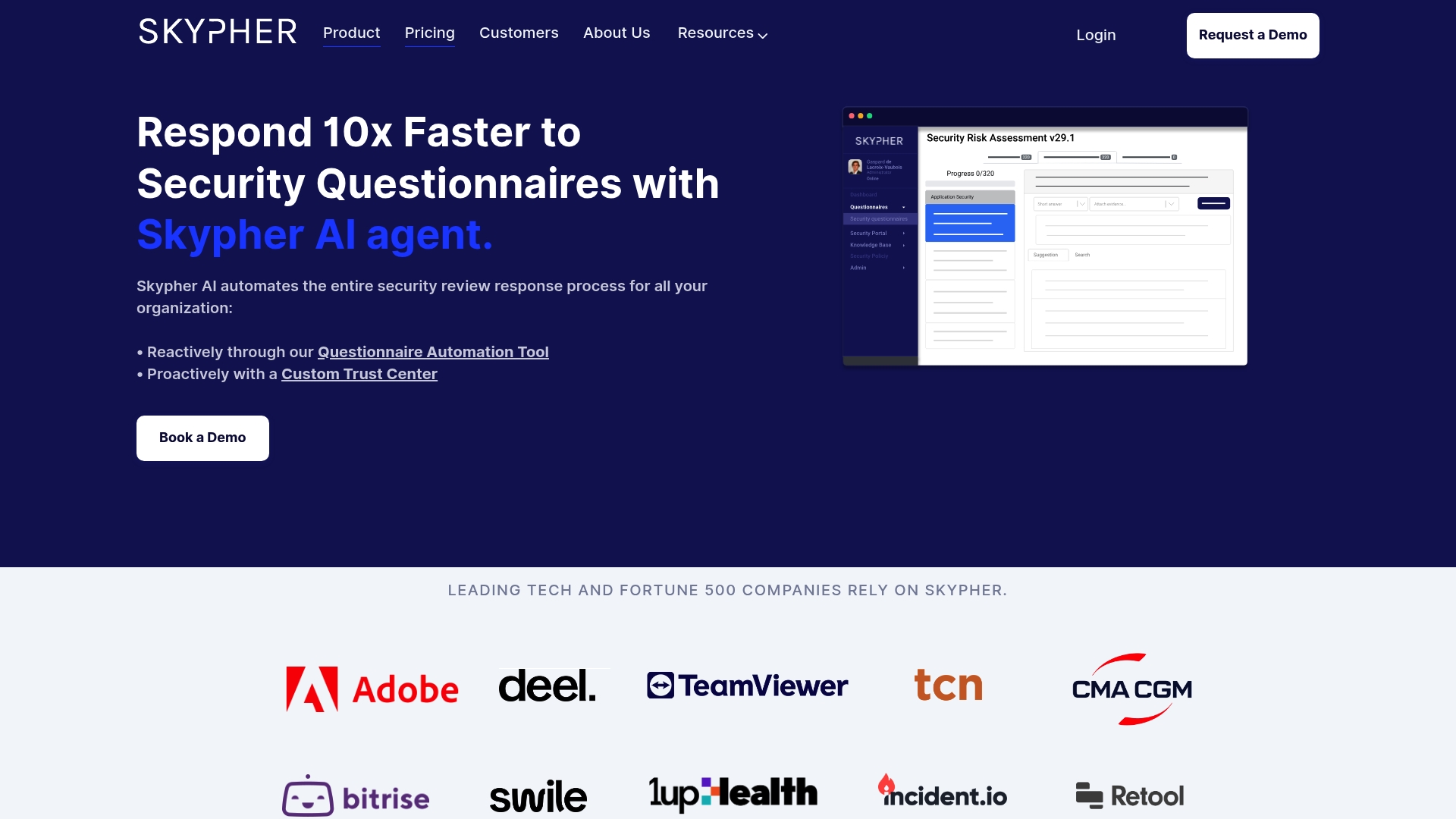
What if you could streamline your compliance process while enhancing accuracy and efficiency? Enter Skypher. Our AI Questionnaire Automation Tool takes the hassle out of security reviews. Say goodbye to the agonizing hours spent on manual documentation. With real-time collaboration and integration capabilities with over 40 third-party risk management platforms, our platform ensures that you can not only meet compliance requirements but also foster better client relations and trust. Don’t wait for compliance challenges to escalate—take action now! Visit https://skypher.co to revolutionize your compliance efforts today!