

Compliance is more than just a corporate requirement—it's a vital lifeline that safeguards businesses from legal pitfalls and ethical disasters. Surprisingly, while many organizations invest heavily in compliance programs, studies show that a staggering 70% still face significant regulatory fines each year. The twist? A successful compliance program isn't just about following rules; it's about fostering a culture of integrity that enhances reputation and builds trust with stakeholders. Understanding how to create and implement such a program can be the game changer your organization needs.
Understanding Compliance Basics
Compliance is not just a buzzword in the corporate world—it's a foundational element that determines how businesses operate within legal and ethical boundaries. At its core, compliance refers to the process of adhering to laws, regulations, standards, and ethical practices relevant to an organization and its industry.
What Defines a Compliance Program?
A compliance program is a structured system of policies, procedures, and activities designed to ensure an organization follows applicable laws, regulations, and internal policies. According to research from EQS, an effective compliance program helps prevent misconduct and avoid consequences like fines or reputational damage.
The definition of compliance program extends beyond mere rule-following. It encompasses a proactive approach to risk management that protects organizations from legal penalties, financial losses, and reputation damage. A well-defined compliance program establishes clear guidelines for employee behavior, creates accountability mechanisms, and implements monitoring systems to detect potential violations.
Key Components of Effective Compliance Programs
Building a compliance program requires several essential elements working in harmony:
- Leadership Commitment: Senior management must demonstrate visible support for compliance initiatives
- Risk Assessment: Systematic evaluation of compliance risks specific to your organization
- Policies and Procedures: Documented guidelines that translate legal requirements into practical actions
- Training and Communication: Regular education for employees about compliance expectations
The purpose of a compliance program goes beyond merely avoiding penalties. It creates a culture of integrity that builds trust with customers, investors, and regulators. Organizations developing a compliance program should view it as an investment in their long-term sustainability rather than just a cost center.
Types of Compliance Programs
Compliance programs vary widely based on industry, size, and specific regulatory requirements. Some common types include:
- Corporate compliance programs focusing on internal policies and business ethics
- Regulatory compliance programs addressing specific government regulations
- Industry-specific compliance (healthcare, financial services, etc.)
- IT compliance programs protecting data and ensuring cybersecurity
For example, healthcare organizations must implement programs that address HIPAA requirements, while financial institutions need programs focused on anti-money laundering and fraud prevention. Technology companies often develop IT compliance programs to address data protection regulations.
Creating a compliance program requires understanding your specific regulatory environment. Many organizations find success by starting with a risk assessment to identify their most significant vulnerabilities, then building out policies and procedures to address those high-priority areas first.
The ultimate success of your compliance program depends on how well it's integrated into daily operations. Rather than viewing compliance as a separate function, forward-thinking organizations weave compliance considerations into every aspect of their business strategy and operational decisions.
Key Takeaways
| Takeaway | Explanation |
|---|---|
| Strong Leadership Commitment | Senior management must visibly support compliance initiatives to foster a culture of integrity and accountability within the organization. |
| Tailored Risk Assessment | Conduct a systematic evaluation of compliance risks specific to the organization to identify vulnerabilities and prioritize resources effectively. |
| Integration with Business Operations | Compliance should be woven into daily operations and decision-making processes to ensure its effectiveness, rather than being treated as a separate function. |
| Ongoing Monitoring and Adaptation | Implement continuous monitoring strategies to proactively detect compliance issues, measure program performance, and adapt to evolving regulations and business environments. |
Core Compliance Program Elements

When developing a compliance program, organizations must include certain foundational components to ensure effectiveness. These elements work together to create a comprehensive framework that guides company behavior and mitigates risk. Let's explore the essential building blocks of a robust compliance program.
The Seven Fundamental Elements
According to The National Law Review, there are seven key elements that form the backbone of an effective compliance program. Originally outlined by regulatory authorities, these elements have become the standard framework for organizations across industries:
-
Written Policies and Procedures: Documented standards that clearly communicate expectations and provide guidance for employees. These should cover relevant laws, regulations, and ethical standards specific to your industry.
-
Designated Compliance Officer and Committee: Appointing individuals responsible for overseeing the compliance program ensures accountability and proper governance. The compliance officer should have direct access to senior leadership and the board.
-
Education and Training: Regular training programs help employees understand compliance requirements and their personal responsibilities. Training should be tailored to specific job functions and updated as regulations change.
-
Communication Channels: Open lines of communication, including anonymous reporting mechanisms, allow employees to report concerns without fear of retaliation. This early warning system helps identify issues before they escalate.
-
Monitoring and Auditing: Regular assessment of operations identifies potential compliance gaps. This includes both internal audits and external reviews to ensure objectivity.
-
Enforcement and Disciplinary Measures: Consistent application of disciplinary actions for compliance violations reinforces the importance of adherence to standards. This should be applied fairly across all organizational levels.
-
Response and Prevention: Procedures for promptly responding to detected offenses and implementing corrective action plans prevent recurrence of similar issues.
Tailoring Your Program to Your Organization
While these seven elements provide a framework, the most effective compliance programs are customized to address specific organizational risks and challenges. When building a compliance program, consider your company's size, industry, geographic locations, and regulatory environment.
Developing a compliance program isn't a one-time project but an ongoing process. As your business evolves and regulations change, your compliance program must adapt accordingly. Regular risk assessments help identify emerging compliance concerns and prioritize resources appropriately.
Integration with Business Operations

For a compliance program to be truly effective, it must be integrated into everyday business operations rather than existing as a separate function. This integration helps ensure that compliance considerations are part of decision-making processes at all levels.
The most successful organizations make compliance a shared responsibility, with business units owning compliance risks related to their activities. The compliance function then serves as a resource providing expertise, guidance, and oversight rather than shouldering full responsibility for the organization's compliance.
Creating a compliance-focused culture is essential to program success. When employees understand the purpose of compliance requirements and see leadership's commitment to ethical business practices, they're more likely to embrace their role in maintaining compliance.
By implementing these core elements and adapting them to your specific organizational needs, you create a compliance program that not only meets regulatory requirements but also supports your business objectives and protects your company's reputation in the marketplace.
Effective Program Implementation
Designing a compliance program is only half the battle—successful implementation determines whether your program will actually achieve its intended outcomes. Many organizations create thorough compliance frameworks that look impressive on paper but fail to deliver results because they don't focus enough on implementation. Let's explore how to bridge this critical gap between design and execution.
From Paper to Practice
According to SEDL Insights, simply adopting a new program and providing initial training is insufficient for success. Leaders must actively manage the implementation process to ensure the program's effective use. This insight, though originally applied to educational initiatives, is equally relevant to compliance programs in any organization.
Effective implementation requires:
-
Phased Rollout: Begin with pilot programs in specific departments or locations before full-scale implementation. This allows you to identify and address issues before they affect the entire organization.
-
Clear Communication: Articulate the purpose, expectations, and benefits of the compliance program to all stakeholders. Employees need to understand not just what they need to do, but why it matters.
-
Resource Allocation: Provide adequate time, personnel, and budget to support implementation activities. Underfunded compliance initiatives are often doomed from the start.
-
Technology Integration: Select and deploy appropriate tools to automate and streamline compliance processes where possible, reducing the burden on employees.
Remember that compliance implementation isn't a one-time event but an ongoing process that requires continuous attention and refinement.
Addressing the Human Element
One of the most overlooked aspects of program implementation is the human factor. Change can be unsettling, and employees may resist new compliance requirements if they perceive them as burdensome or unnecessary additions to their workload.
To address this challenge:
-
Engage Stakeholders Early: Involve representatives from different departments in the development process to build ownership and address practical concerns.
-
Customize Training: Develop role-specific training that shows employees how compliance applies to their daily tasks rather than presenting generic information.
-
Create Champions: Identify and support compliance champions throughout the organization who can advocate for the program and help colleagues adapt to new requirements.
-
Acknowledge Concerns: Provide forums where employees can voice concerns about implementation challenges and work collaboratively on solutions.
Measuring Implementation Success
How do you know if your compliance program is being implemented effectively? Establishing metrics and monitoring mechanisms is essential.
Effective measurement strategies include:
Implementation Metrics:
- Percentage of employees who have completed required training
- Number of departments with fully implemented compliance procedures
- Frequency and quality of compliance reporting
Outcome Metrics:
- Reduction in compliance incidents
- Improved audit results
- Increased detection of potential issues through internal reporting channels
The most successful organizations use data collected during implementation to make real-time adjustments to their approach. This adaptive management style allows you to address barriers quickly and refine your strategy based on what's working and what isn't.
Sustaining Implementation Over Time
Many compliance programs start strong but lose momentum as time passes and organizational priorities shift. Building sustainability into your implementation plan is crucial for long-term success.
Strategies for sustainability include:
-
Regular Refresher Training: Schedule periodic training sessions to reinforce key compliance concepts and address emerging risks.
-
Integration with Existing Processes: Embed compliance activities into regular business operations rather than treating them as separate tasks.
-
Continuous Communication: Maintain visibility of the compliance program through regular updates, success stories, and reminders of its importance.
-
Leadership Accountability: Hold managers accountable for compliance implementation in their areas of responsibility.
By focusing on these implementation elements, your organization can move beyond simply having a compliance program to actually living compliance values in daily operations. Effective implementation transforms compliance from a theoretical exercise into a practical reality that protects your organization and supports its mission.
Best Practices for Ongoing Monitoring
A compliance program isn't a "set it and forget it" initiative. To remain effective, your program requires continuous vigilance through robust monitoring processes. As Tookitaki's Compliance Hub notes, ongoing monitoring allows for proactive identification and mitigation of potential risks before they escalate into major issues, potentially saving your business from significant harm.
Why Continuous Monitoring Matters
Ongoing monitoring serves several critical functions in maintaining an effective compliance program:
- Early Risk Detection: Identifies potential compliance issues before they develop into serious violations
- Performance Measurement: Evaluates the effectiveness of your compliance controls and processes
- Adaptation to Change: Ensures your program remains responsive to evolving regulations and business operations
- Documentation: Creates an audit trail demonstrating your organization's commitment to compliance
Without continuous monitoring, your compliance program may become outdated, ineffective, or disconnected from actual business practices. This monitoring isn't just about finding problems—it's about continuously improving your approach to compliance management.
Key Monitoring Strategies
Implementing effective monitoring requires a multi-faceted approach tailored to your organization's specific compliance risks and requirements.
Risk-Based Monitoring
Not all compliance areas carry equal risk. Focus your monitoring efforts on high-risk areas based on factors such as:
- Regulatory scrutiny in your industry
- Past compliance issues or near misses
- Business activities with inherent compliance challenges (international operations, third-party relationships, etc.)
- Areas undergoing significant change or growth
This targeted approach ensures you allocate limited compliance resources where they'll have the greatest impact.
Data Analytics and Technology
Leverage technology to enhance your monitoring capabilities:
- Automated Testing: Program regular automated checks of key compliance controls
- Data Mining: Analyze transaction patterns to identify potential anomalies or red flags
- Dashboards: Create visual representations of compliance metrics for quick assessment
- Workflow Systems: Track compliance tasks, deadlines, and responsibilities
These technological solutions can significantly increase the efficiency and effectiveness of your monitoring program, allowing you to cover more ground with fewer resources.
Regular Assessments and Testing
Systematic testing validates that your compliance controls are working as intended:
- Conduct periodic internal audits of compliance processes
- Perform spot checks or sample testing of transactions
- Review documentation for completeness and accuracy
- Test employee knowledge through surveys or practical scenarios
These assessments should be documented with clear findings and action plans for any identified deficiencies.
Establishing an Effective Monitoring Framework
To create a sustainable monitoring system:
- Define Clear Metrics: Establish specific, measurable indicators of compliance performance
- Set Monitoring Frequency: Determine appropriate intervals for different monitoring activities (daily, weekly, monthly, quarterly)
- Assign Responsibility: Clearly identify who is accountable for specific monitoring activities
- Create Escalation Protocols: Develop clear procedures for addressing identified issues
- Report Results: Regularly communicate monitoring outcomes to leadership and relevant stakeholders
Your monitoring framework should be documented as part of your overall compliance program, with regular reviews to ensure it remains aligned with your organization's evolving risk profile.
Leveraging Monitoring Insights
The true value of monitoring comes not just from collecting data, but from applying those insights to strengthen your compliance program:
- Use monitoring results to refine policies and procedures
- Enhance training based on identified knowledge gaps
- Adjust resource allocation to address emerging risk areas
- Demonstrate program effectiveness to regulators and stakeholders
By creating this continuous improvement loop, monitoring becomes a strategic tool rather than just a compliance checkbox.
Common Monitoring Pitfalls to Avoid
Even well-designed monitoring programs can falter if they encounter these common challenges:
- Over-reliance on Self-Reporting: Balance self-assessments with independent verification
- Monitoring Fatigue: Avoid overwhelming staff with excessive monitoring requirements
- Data Overload: Focus on meaningful metrics rather than collecting data for its own sake
- Delayed Response: Address identified issues promptly to prevent escalation
By being mindful of these potential pitfalls, you can design a monitoring system that provides valuable insights without creating undue burden on your organization.
Effective ongoing monitoring transforms your compliance program from a static document into a dynamic system that evolves with your business and the regulatory landscape. This proactive approach not only helps prevent compliance failures but also demonstrates your organization's commitment to ethical business practices.
Frequently Asked Questions
What is a compliance program?
A compliance program is a structured system of policies, procedures, and activities designed to ensure that an organization adheres to applicable laws, regulations, and internal policies, fostering a culture of integrity and risk management.
Why is a compliance program important for organizations?
A compliance program is essential because it helps organizations avoid legal penalties, financial losses, and reputational damage by proactively managing risks and ensuring adherence to ethical standards.
What are the key components of an effective compliance program?
Key components include strong leadership commitment, tailored risk assessment, documented policies and procedures, ongoing training and communication, and monitoring and auditing mechanisms to ensure compliance.
How can compliance programs be tailored to specific organizations?
Compliance programs should be customized based on factors such as the organization’s size, industry, geographic location, and specific regulatory environment to effectively address unique risks and challenges.
Elevate Your Compliance Game with Skypher
Navigating the complexities of compliance—especially in fast-paced industries like tech and finance—can be daunting. As highlighted in "What Is Compliance Program: A Simple Guide to Success," understanding how to build effective compliance programs is crucial for avoiding legal pitfalls and maintaining a reputation of trust.
Imagine transforming your compliance response process into a seamless, automated experience.
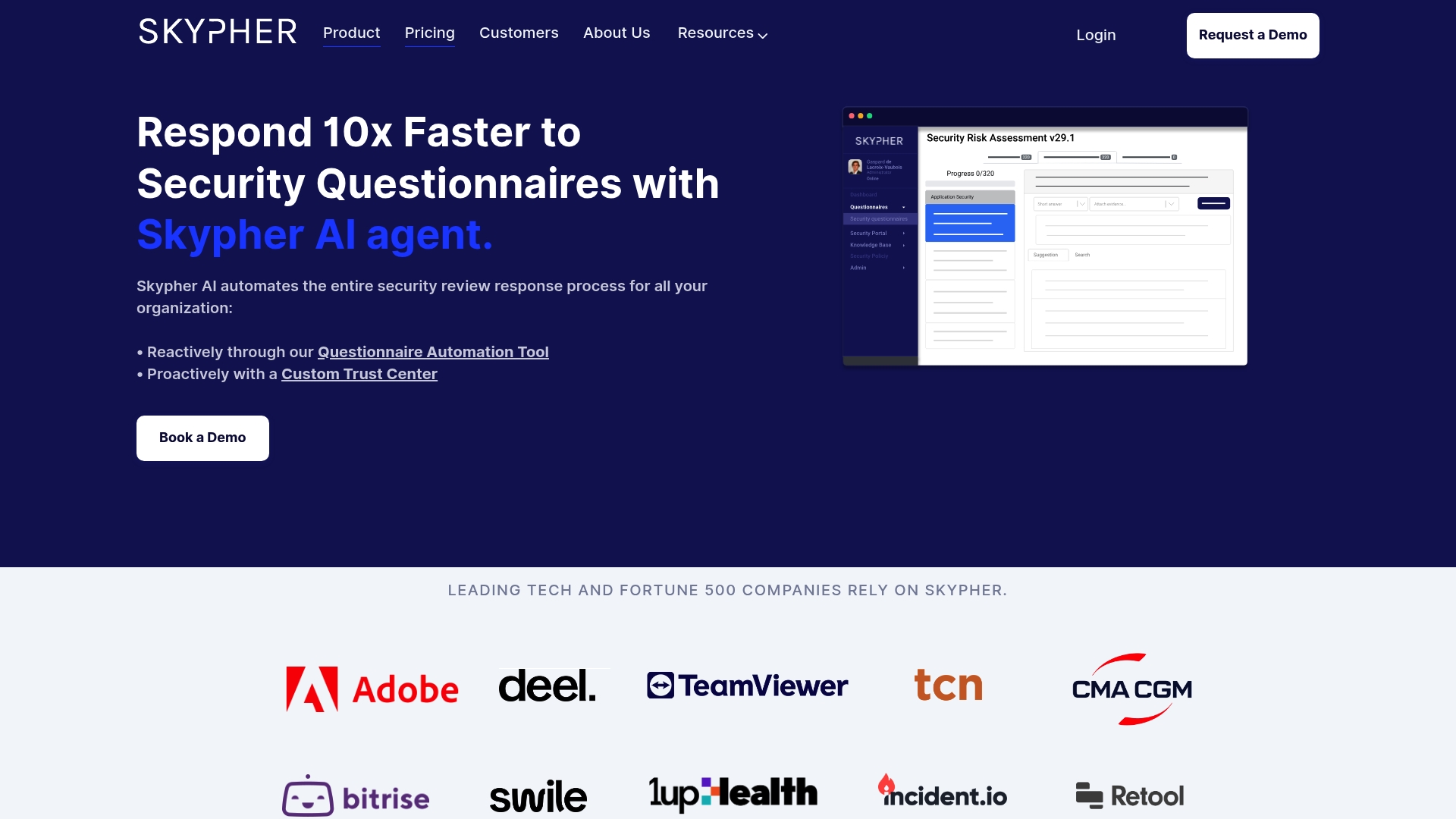 With Skypher's AI Questionnaire Automation Tool, you can:*
- Streamline Security Questionnaires: Respond faster and more accurately to security reviews, allowing your team to focus on what truly matters.
- Enhance Communication & Collaboration: Foster a culture of integrity and accountability by enabling real-time collaboration across your organization.
- Integrate Seamlessly: Our platform connects with over 40 third-party risk management tools, enhancing your operational productivity effortlessly.
Don’t let compliance complexities hold your organization back. Take control of your compliance processes today with Skypher! Visit https://skypher.co to learn more and start automating your security questionnaires now!