

Compliance reporting is more than just paperwork—it's a vital process that reveals how well an organization follows laws and regulations. Surprisingly, while many think of compliance as a mere obligation, it's actually a powerful tool that can enhance business operations. When done right, compliance reporting not only mitigates risks but also strengthens stakeholder trust, driving long-term success.
Defining Compliance Reporting Basics
Compliance reporting is the structured process of documenting and demonstrating how an organization adheres to applicable laws, regulations, standards, and internal policies. These reports provide evidence that a company is operating within legal and ethical boundaries, while also identifying areas that may require improvement or remediation.
The Fundamental Purpose of Compliance Reports
At its core, a compliance report serves as a formal record that validates an organization's adherence to regulatory requirements. These reports document whether the company is compliant, if it has reliable compliance processes in place, and what areas need enhancement to meet standards. According to GAN Integrity, compliance reports are crucial not only for regulatory compliance but also for informing regulatory reporting and satisfying customer due diligence requirements.
Compliance reports typically address key questions like:
- Is the organization following relevant laws and regulations?
- Are internal policies effectively implemented across the organization?
- What compliance risks have been identified, and how are they being managed?
- What remediation efforts are underway for any compliance gaps?
Types of Compliance Reporting
Compliance reporting encompasses various formats depending on the industry, regulatory requirements, and organizational needs:
- Regulatory compliance reports - Documents submitted to government agencies or regulatory bodies that demonstrate adherence to specific laws and regulations
- Internal compliance audits - Reports generated for management and board members to assess the effectiveness of compliance programs
- Customer or third-party compliance documentation - Reports provided to business partners or customers as part of due diligence processes
Whether your organization operates in healthcare, finance, manufacturing, or technology, the compliance reporting process follows similar principles while addressing industry-specific requirements. For healthcare providers, this might mean HIPAA compliance reports, while financial institutions focus on reports related to anti-money laundering regulations or the Bank Secrecy Act.
The Compliance Reporting Cycle
Compliance reporting isn't a one-time activity but rather an ongoing process that typically follows a cyclical pattern:
- Data collection and analysis
- Assessment against compliance requirements
- Documentation of findings and gaps
- Development of remediation plans
- Implementation of improvements
- Verification and validation
- Reporting to stakeholders
This systematic approach ensures that compliance isn't merely a checkbox exercise but a continuous improvement process that strengthens organizational governance and risk management.
Compliance reports serve as more than just regulatory documentation—they're valuable tools that provide insights into organizational health, potential risks, and opportunities for improvement. By understanding the basics of compliance reporting, you can transform what might seem like a bureaucratic requirement into a strategic asset for your organization.
Key Takeaways
| Takeaway | Explanation |
|---|---|
| Compliance Reporting is Essential | It documents how an organization adheres to laws and regulations, serving not just for compliance but also for informing regulatory reporting and satisfying customer due diligence requirements. |
| Risk Mitigation through Compliance Reports | By identifying compliance weaknesses in advance, organizations can prevent serious issues, saving time and resources, and protecting against penalties and reputational damage. |
| Continuous Improvement Cycle | Compliance reporting is not just a one-time event but a cyclical process involving data collection, assessment, remediation, and ongoing verification to enhance governance and risk management. |
| Leverage Technology for Efficiency | Using compliance software can streamline reporting processes, improve data accuracy, and facilitate effective monitoring, allowing organizations to focus on strategic initiatives rather than compliance paperwork. |
| Foster a Compliance-Forward Culture | Leadership commitment and continuous education are crucial to ensuring compliance is prioritized throughout the organization, making it an integral part of business operations. |
Uncovering Key Benefits and Challenges
Understanding both the advantages and potential hurdles of compliance reporting can help your organization develop more effective compliance processes and derive maximum value from your reporting efforts.
Benefits of Robust Compliance Reporting
Effective compliance reporting delivers numerous strategic advantages beyond simply meeting regulatory requirements:
Risk Mitigation and Prevention
By systematically documenting compliance activities, organizations can identify potential issues before they escalate into serious problems. Compliance reports serve as early warning systems, helping you spot patterns or trends that might indicate underlying compliance weaknesses. This proactive approach to risk management can save your organization from costly penalties, lawsuits, and reputational damage.
Enhanced Decision-Making and Operational Improvements
Well-structured compliance reports provide valuable insights that can inform strategic decision-making. When you consistently track and analyze compliance data, you gain a clearer picture of operational strengths and weaknesses. This information allows leadership to allocate resources more effectively and implement targeted improvements.
According to Incident Report, effective compliance reporting is crucial for risk management as it helps identify non-compliant areas, track progress, and inform better business decisions related to potential hazards and organizational vulnerabilities.

Strengthened Stakeholder Trust
Transparent compliance reporting builds confidence among stakeholders. When investors, customers, partners, and employees see that your organization takes compliance seriously, it strengthens your reputation and credibility. This trust can translate into tangible business benefits, including better customer retention, stronger partnerships, and enhanced ability to attract top talent.
Common Challenges in Compliance Reporting
Despite its benefits, compliance reporting comes with several challenges that organizations must navigate:
Resource Intensiveness
Comprehensive compliance reporting requires significant time, expertise, and often specialized technology. Many organizations struggle with allocating sufficient resources to compliance functions, particularly smaller businesses with limited staff. The data collection, analysis, and documentation processes can be labor-intensive, potentially diverting resources from other important business activities.
Navigating Complex and Changing Regulations
Regulatory landscapes constantly evolve, with new requirements emerging regularly across different jurisdictions. Keeping pace with these changes presents a significant challenge, especially for organizations operating internationally. What constitutes compliance today might not meet tomorrow's standards, requiring continuous monitoring and adaptation of reporting processes.
Data Quality and Integration Issues
Compliance reporting relies heavily on accurate, complete, and accessible data. Many organizations face challenges with:
- Siloed information systems that don't communicate effectively
- Inconsistent data collection methodologies across departments
- Manual data entry errors and information gaps
- Difficulties in analyzing unstructured data
Balancing Compliance with Business Growth
Perhaps the most fundamental challenge is striking the right balance between rigorous compliance and business agility. Overly burdensome compliance processes can slow innovation and responsiveness to market opportunities. Conversely, insufficient attention to compliance can expose the organization to serious risks.
Overcoming Reporting Challenges
Fortunately, modern approaches can help address many of these challenges. Implementing specialized compliance management software can streamline data collection and reporting processes, reducing the resource burden while improving accuracy. Developing a compliance culture throughout the organization helps distribute responsibility beyond the compliance department. Additionally, taking a risk-based approach allows you to focus resources on the most significant compliance issues for your particular business context.
By understanding both the benefits and challenges of compliance reporting, you can develop more strategic approaches that transform compliance from a necessary cost into a valuable business function that supports sustainable growth and operational excellence.
Step by Step Compliance Reporting Process
Creating effective compliance reports requires a methodical approach that ensures thoroughness, accuracy, and relevance. Whether you're new to compliance reporting or looking to refine your current process, following a structured framework can significantly improve your outcomes. Let's explore the essential steps in the compliance reporting process.
1. Planning and Preparation
Every successful compliance reporting process begins with careful planning. This initial phase sets the foundation for all subsequent activities and helps ensure that your reporting efforts align with both regulatory requirements and organizational objectives.
Start by clearly defining the scope and purpose of your compliance report. Are you preparing a mandatory regulatory submission, conducting an internal audit, or creating documentation for stakeholders? Understanding the primary audience and objectives will shape your entire approach.
During this phase, you should:
- Identify all applicable regulations, standards, and internal policies
- Establish timelines and deadlines for each phase of the reporting process
- Determine necessary resources and assign responsibilities
- Create templates or frameworks for consistent data collection
According to AuditBoard, effective compliance reports require careful assembly of key elements to properly demonstrate adherence to regulatory frameworks and internal governance standards. This planning stage is where you identify exactly what elements your specific report will need.
2. Data Collection and Documentation
Once planning is complete, the next step involves gathering the necessary evidence and information. This is typically the most resource-intensive phase of the compliance reporting process.
Effective data collection involves:
- Conducting interviews with relevant personnel
- Reviewing documentation and records
- Performing system and process testing
- Gathering evidence of control effectiveness
- Documenting observations and findings
The key to successful data collection is maintaining a clear chain of evidence. Each piece of information should be traceable, verifiable, and relevant to the compliance requirements being assessed. Modern compliance management systems can significantly streamline this process by providing centralized repositories for documentation and automated evidence collection tools.
3. Analysis and Evaluation
With data in hand, the next step is to analyze the information and evaluate the level of compliance. This involves comparing actual practices against the required standards and identifying any gaps or areas of non-compliance.
During the analysis phase, you should:
- Assess whether controls are designed appropriately
- Determine if controls are operating effectively
- Identify compliance gaps and their root causes
- Evaluate the significance and potential impact of any non-compliance
This analytical work forms the core substance of your compliance report. It's not enough to simply collect data—you must interpret what it means for your organization's compliance posture.
4. Developing Remediation Plans
When compliance gaps are identified, the next step is developing clear plans to address them. Effective remediation plans include:
- Specific actions to be taken
- Individuals responsible for implementation
- Realistic timelines for completion
- Methods for verifying that remediation is effective
These remediation plans become an important component of your compliance report, demonstrating your organization's commitment to addressing identified issues and continuously improving your compliance posture.
5. Report Creation and Review
With analysis complete and remediation plans developed, it's time to compile this information into a structured compliance report. The specific format will vary based on your audience and objectives, but most compliance reports include:
- Executive summary with key findings and conclusions
- Scope and methodology description
- Detailed findings and observations
- Compliance status assessment
- Remediation plans and recommendations
- Supporting evidence and documentation
Before finalizing, all compliance reports should undergo a thorough review process to ensure accuracy, completeness, and clarity. This typically involves reviews by subject matter experts, legal counsel, and appropriate leadership personnel.

6. Distribution and Follow-Up
The final step in the compliance reporting process involves distributing the report to appropriate stakeholders and implementing follow-up procedures. Depending on the nature of the report, this might include:
- Submitting the report to regulatory agencies
- Presenting findings to the board or executive leadership
- Sharing relevant portions with operational teams
- Implementing tracking mechanisms for remediation activities
Effective compliance reporting doesn't end with distribution. Establishing processes to track the implementation of remediation plans and regularly reassessing compliance status ensures that your compliance reporting efforts drive actual improvements rather than simply documenting the current state.
By following this structured approach to compliance reporting, you can create reports that not only satisfy regulatory requirements but also provide valuable insights that help strengthen your organization's overall governance, risk management, and compliance posture.
Best Tools and Compliance Practices
Implementing effective compliance reporting requires both the right methodologies and appropriate technological support. As compliance requirements grow increasingly complex, organizations are turning to specialized tools and established best practices to streamline their reporting processes and improve outcomes.
Leveraging Compliance Software Solutions
Modern compliance software has transformed how organizations approach compliance reporting, offering numerous advantages over manual processes. These specialized tools help automate many time-consuming aspects of compliance management while improving accuracy and consistency.
According to AiPrise, compliance software automates monitoring, reporting, and tracking of regulatory requirements, significantly reducing manual effort and improving efficiency. This automation allows businesses to focus more on growth and strategic initiatives rather than getting bogged down in compliance paperwork.
Key capabilities of effective compliance software include:
Centralized Document Management
Comprehensive compliance solutions provide a central repository for all compliance-related documentation. This centralization ensures version control, streamlines accessibility, and provides a clear audit trail of all compliance activities. During regulatory inspections or audits, having immediate access to required documentation can make the difference between a smooth process and a stressful scramble.
Automated Monitoring and Alerts
Leading compliance tools continuously monitor operations against established requirements, automatically flagging potential issues before they become serious problems. These early warning systems help organizations maintain continuous compliance rather than scrambling to address issues just before reporting deadlines.
Customizable Reporting Templates
Rather than creating compliance reports from scratch, quality software offers customizable templates aligned with specific regulatory frameworks. These templates ensure consistent formatting and content while saving significant time in report generation.
Integration Capabilities
The best compliance tools integrate with existing business systems, allowing for automated data collection from across the organization. This integration eliminates redundant data entry and ensures that compliance reporting draws from the most current information available.
Compliance Reporting Best Practices
Beyond selecting the right tools, adhering to established best practices can significantly enhance your compliance reporting effectiveness:
Adopt a Risk-Based Approach
Not all compliance requirements carry equal weight or risk. A risk-based approach prioritizes attention and resources based on the potential impact of non-compliance. This methodology ensures that your most significant compliance risks receive appropriate attention while preventing resource depletion on low-risk areas.
Establish Clear Accountability
Effective compliance reporting requires clear ownership and responsibility throughout the organization. Designate specific individuals responsible for various aspects of compliance, from data collection to report review and submission. This clarity prevents important tasks from falling through the cracks and establishes a culture of accountability.
Implement Continuous Monitoring
Rather than treating compliance as a periodic exercise, implement systems for continuous monitoring and assessment. This ongoing vigilance helps identify and address compliance issues as they emerge rather than discovering them during reporting cycles when they may have already caused damage.
Maintain Comprehensive Documentation
DetaileEwd, contemporaneous documentation is the backbone of effective compliance reporting. Establish protocols for documenting compliance activities as they occur, including:
- Meeting minutes from compliance discussions
- Evidence of control testing and results
- Records of policy dissemination and training
- Documentation of issue remediation efforts
Invest in Compliance Training
Even the best tools and processes are only as effective as the people implementing them. Regular, comprehensive training ensures that everyone involved in compliance activities understands their responsibilities and has the knowledge needed to fulfill them effectively.
Selecting the Right Compliance Tools
When evaluating compliance software options, consider these key factors:
- Regulatory Coverage - Ensure the solution addresses the specific regulations relevant to your industry and operations
- Scalability - Select tools that can grow with your organization and adapt to changing compliance landscapes
- User Experience - Prioritize solutions with intuitive interfaces that encourage adoption across your organization
- Reporting Capabilities - Look for robust, customizable reporting features that align with your specific reporting needs
- Security Features - Verify that the software itself meets appropriate security and privacy standards
By combining proven compliance practices with purpose-built technology solutions, you can transform compliance reporting from a burdensome obligation into a valuable process that provides meaningful insights while effectively managing regulatory risks. The right approach not only satisfies regulatory requirements but also contributes to better operational decision-making and governance.
Ensuring Ongoing Regulatory Alignment
In today's dynamic regulatory environment, compliance isn't a one-time achievement but an ongoing commitment that requires vigilance and adaptability. Regulatory requirements continuously evolve, with new regulations emerging, existing ones being updated, and enforcement priorities shifting. To maintain effective compliance reporting, organizations must develop systematic approaches for staying aligned with this changing landscape.
Monitoring Regulatory Changes
The first step in maintaining regulatory alignment is establishing robust processes for monitoring relevant changes. This monitoring must be comprehensive, capturing updates across all jurisdictions and regulatory bodies that affect your operations.
Effective regulatory monitoring typically includes:
Multiple Information Sources
Relying on a single source for regulatory updates creates significant risk of missing important changes. Develop a diversified approach that includes:
- Direct monitoring of regulatory agency websites and publications
- Subscription to regulatory alert services
- Participation in industry associations
- Engagement with legal and compliance consultants
Designated Responsibility
Clearly assign responsibility for regulatory monitoring to specific individuals or teams. Without clear ownership, important updates can fall through the cracks. Depending on your organization's size, this might be a dedicated regulatory affairs team or responsibilities distributed among compliance personnel.
Systematic Documentation
Implement a system for documenting identified regulatory changes, their potential impact, and required response actions. This documentation creates an audit trail demonstrating your organization's diligence in monitoring and addressing regulatory developments.
Assessing Impact and Implementing Changes
Identifying regulatory changes is only the beginning. Organizations must then assess how these changes impact their operations and compliance obligations.
According to SecureFrame, 61% of corporate risk and compliance professionals cite keeping up with regulatory changes as their top priority, highlighting the challenges organizations face in this area. The regulatory landscape is not only complex and rapidly evolving but often ambiguous, leading to difficulties in interpretation and implementation.
A structured approach to impact assessment includes:
Gap Analysis
Compare new or updated requirements against current practices to identify gaps in compliance. This analysis should be thorough, examining not just policies and procedures but actual operational practices across different departments.
Cross-Functional Evaluation
Involve stakeholders from relevant business units in assessing the operational impact of regulatory changes. Compliance teams alone may not fully understand how changes affect day-to-day operations.
Implementation Planning
Develop detailed plans for implementing necessary changes, including:
- Updates to policies and procedures
- Modifications to systems and controls
- Revisions to reporting templates and methodologies
- Training for affected personnel
- Testing to verify effectiveness
Leveraging Technology for Regulatory Change Management
Given the volume and complexity of regulatory changes, manual processes are increasingly insufficient. Technology solutions can significantly enhance your ability to maintain regulatory alignment.
Key technologies supporting ongoing regulatory alignment include:
Regulatory Change Management Software
Specialized platforms that automate the monitoring, assessment, and implementation of regulatory changes can dramatically improve efficiency and reduce the risk of missed requirements. These solutions typically provide customized regulatory feeds, impact assessment tools, and workflow management for implementation activities.
Continuous Controls Monitoring (CCM)
Rather than periodic point-in-time assessments, CCM provides real-time visibility into compliance status. These systems continuously evaluate controls against requirements, immediately flagging when operations drift out of compliance with regulatory standards.
Compliance as Code (CaC)
This emerging approach translates regulatory requirements into code that can automatically verify compliance across systems and applications. CaC creates a more direct, verifiable link between regulatory requirements and operational implementation, reducing the risk of misinterpretation or inconsistent application.
Cultivating a Compliance-Forward Culture
Technology and processes alone cannot ensure ongoing regulatory alignment. Organizations must also foster a culture where compliance is valued and prioritized throughout the organization.
Key elements of a compliance-forward culture include:
Leadership Commitment
Visible support from senior leadership signals the importance of compliance to the entire organization. When leaders demonstrate that compliance is a priority, employees at all levels are more likely to take it seriously.
Integrated Decision-Making
Incorporate compliance considerations into business planning and strategic decisions from the outset, rather than as an afterthought. This proactive approach prevents situations where business initiatives proceed without adequate consideration of compliance implications.
Continuous Education
Invest in ongoing compliance training that goes beyond annual refreshers. Keep the organization informed about regulatory developments and their practical implications for day-to-day activities.
By implementing comprehensive approaches to monitoring regulatory changes, systematically assessing their impact, leveraging appropriate technology, and fostering a compliance-focused culture, organizations can maintain the ongoing regulatory alignment necessary for effective compliance reporting. This alignment not only reduces regulatory risk but also positions the organization to adapt quickly to new requirements, turning potential compliance challenges into opportunities for operational improvement.
Frequently Asked Questions
What is compliance reporting?
Compliance reporting is the process of documenting and demonstrating how an organization adheres to laws, regulations, standards, and internal policies. It serves as evidence that a company is operating within legal and ethical boundaries.
Why are compliance reports important?
Compliance reports are essential because they help organizations identify compliance gaps, mitigate risks, and enhance stakeholder trust. They also satisfy regulatory requirements and ensure transparency in operations.
What types of compliance reports exist?
There are various types of compliance reports, including regulatory compliance reports submitted to government agencies, internal compliance audit reports for management, and customer compliance documentation for due diligence purposes.
How can organizations improve their compliance reporting process?
Organizations can enhance their compliance reporting by leveraging compliance software for data accuracy, implementing ongoing monitoring for timely updates, and fostering a compliance culture through leadership commitment and employee training.
Elevate Your Compliance Reporting with Skypher
Are you finding compliance reporting to be a burdensome task that consumes valuable time and resources? The article highlights the complexities of compliance—a cycle of data collection, analysis, and remediation—not to mention the ever-evolving regulatory landscape. That's precisely where Skypher comes into play, transforming your approach with our powerful, AI-driven Questionnaire Automation Tool.
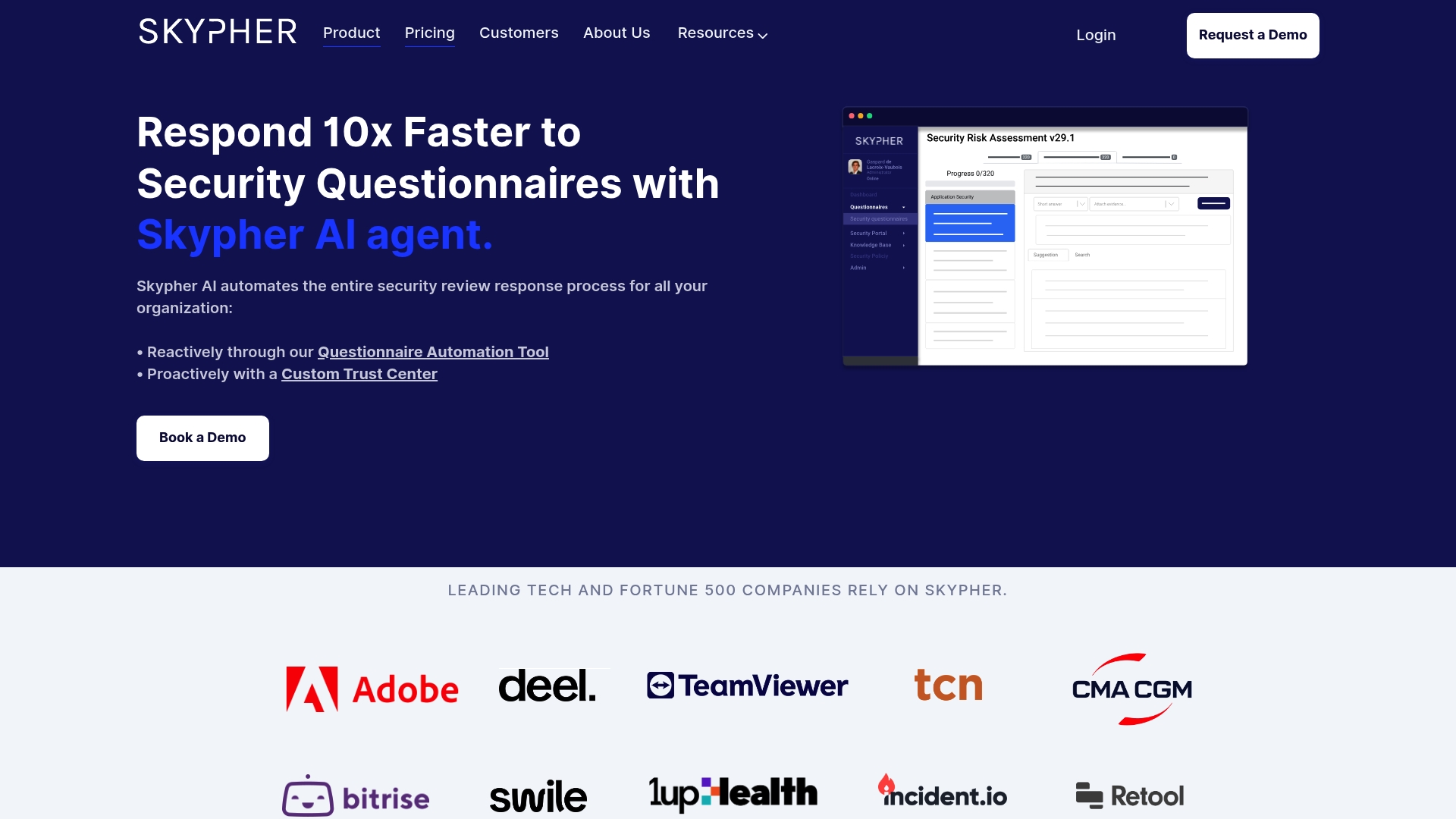
Imagine navigating compliance effortlessly, with tools designed to streamline communication and collaboration across your teams. By integrating with over 40 third-party risk management platforms, Skypher empowers your organization to tackle security questionnaires with unmatched efficiency and accuracy. Join the ranks of successful organizations that trust Skypher to simplify their compliance journey.
Don't let compliance challenges hold you back any longer. Start your free trial today at https://skypher.co and take the first step towards transforming your compliance processes!