
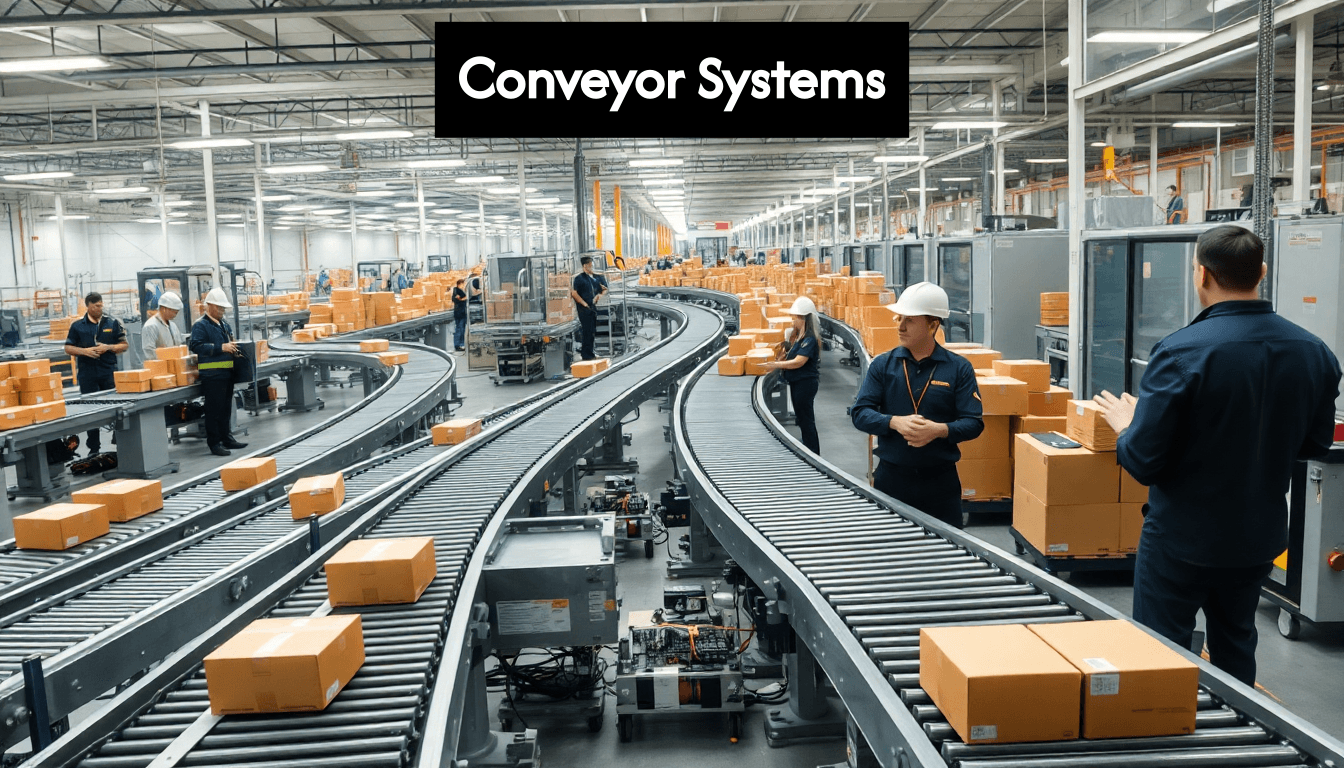
Conveyor systems are the hidden engines driving modern industry, moving tons of materials with precision and speed. But here is the twist most people don’t realize: these systems can reduce energy consumption by up to 30 percent through smart load management and design optimization. This means not only faster production but also significant cost savings and a smaller environmental footprint, unlocking benefits that go far beyond simply transporting goods.
Table of Contents
- Understanding What Is Conveyors
- Exploring Conveyor Types and Uses
- Essential Conveyor Components Overview
- Optimizing Conveyor System Performance
Quick Summary
| Takeaway | Explanation |
|---|---|
| Conveyor Systems Enhance Efficiency | Conveyor systems are designed to transport materials with minimal human intervention, significantly reducing labor and time required for material handling. |
| Understanding Key Components is Crucial | Familiarity with essential components like conveying medium, frame structure, drive systems, and control systems is vital for proper selection and maintenance of conveyor systems. |
| Selection Criteria Impacts Performance | Choosing the right conveyor depends on factors such as material properties, environmental conditions, and cost-efficiency, which can lead to improved operational efficiency and return on investment. |
| Optimizing Load Management Reduces Costs | Proper load management can enhance energy efficiency, with studies showing up to 30% energy savings through optimal load distribution on conveyors. |
| Emphasizing Preventive Maintenance is Cost-Effective | Implementing a preventive maintenance program can help reduce unexpected failures and prolong the life of conveyor systems, thus saving costs over time. |
Understanding What Is Conveyors
Conveyors are mechanical systems designed to transport materials, products, or items from one location to another within a defined path. These powerful material handling solutions form the backbone of modern manufacturing, logistics, warehousing, and numerous other industries where efficient movement of goods is essential.
The Fundamentals of Conveyor Systems
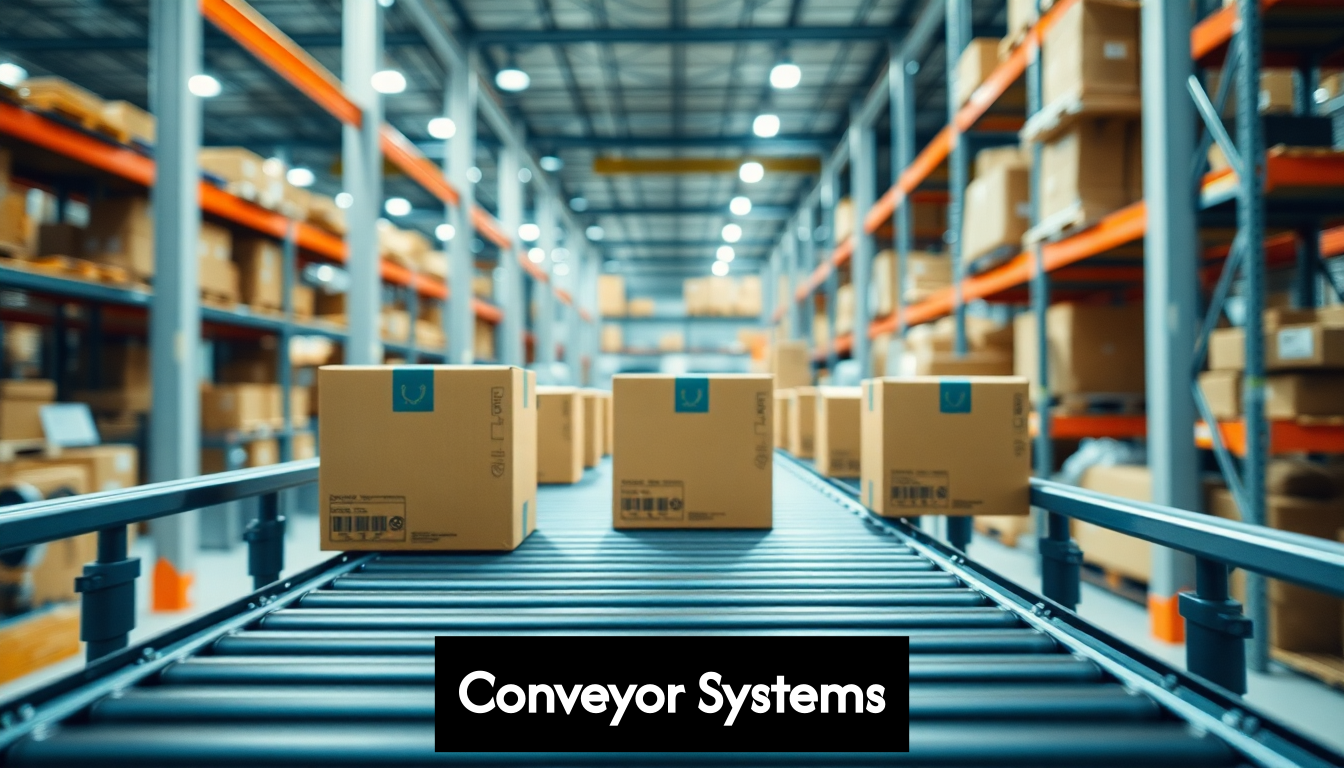
At its core, a conveyor system consists of a continuous moving belt, rollers, wheels, or other mechanisms that facilitate the controlled movement of materials. Whether you're watching packages glide through an Amazon fulfillment center, observing food items move through a processing plant, or seeing luggage travel through an airport, you're witnessing conveyor systems in action.
The basic principle behind conveyors is remarkably straightforward: they provide a designated pathway along which items can travel with minimal human intervention. This simple concept has revolutionized industrial processes by dramatically reducing the labor and time required to move materials between points.
Conveyor systems vary widely in their design, complexity, and purpose. Some are basic gravity-powered roller conveyors that move boxes downward with no power source, while others are sophisticated computerized systems capable of sorting thousands of items per hour based on barcode information.
Key Components of Conveyor Systems
Understanding what a conveyor system is requires familiarity with its fundamental components:
- Conveying Medium: This is the surface that physically moves and supports the materials (belt, rollers, chains, or slats)
- Frame Structure: The supporting framework that holds all components in place
- Drive Unit: The power source (typically electric motors) that generates movement
- Pulleys or Sprockets: Components that transfer power from the drive to the conveying medium
- Control Systems: Electronics that manage speed, direction, and overall operation
These components work together to create a reliable, continuous flow of materials. The specific configuration depends entirely on the application requirements, including the type of material being moved, distance, speed needs, and environmental conditions.
Types of Conveyor Systems
The term "conveyor" encompasses a diverse range of systems tailored to specific material handling challenges. The most common conveyor types include:
Belt conveyors use a continuous loop of material (the belt) stretched between pulleys to move items. These versatile systems handle everything from mining materials to consumer products. Roller conveyors employ a series of powered or unpowered cylindrical rollers to move objects with flat bottoms. Chain conveyors utilize one or more chains to move materials, often used for heavy-duty applications or where belts would be impractical.
Specialized conveyor systems include pneumatic tube conveyors that use air pressure to move objects through tubes, screw conveyors that use rotating helical screws to move granular materials, and vertical conveyors that transport items between different floors or levels.
Interestingly, the concept of conveyor systems has expanded beyond physical goods to include digital deployments. For instance, Meta's Conveyor deployment tool automates 97% of containerized service deployments, demonstrating how the conveyor concept of efficient, automated movement has been adapted for software deployment pipelines research from USENIX.
Conveyor systems continue to evolve with advances in automation, control systems, and materials, making them more efficient, reliable, and versatile than ever before. As we progress through this article, we'll explore how these systems work, their applications across industries, and the technological innovations shaping their future.
Exploring Conveyor Types and Uses
Conveyor systems have evolved into numerous specialized forms to address the unique material handling challenges across industries. Each type of conveyor system offers distinct advantages depending on the materials being transported, operational environment, and specific business requirements. Understanding these variations helps in selecting the optimal conveying solution for particular applications.
Major Conveyor System Categories
The world of conveyors encompasses a wide range of designs, each engineered to excel in specific scenarios. Let's examine the most prevalent types:
Belt Conveyors: These workhorses of material handling use a continuous loop of flexible material (the belt) supported by rollers or a flat surface. Belt conveyors excel at transporting both discrete items and bulk materials over various distances. From mining operations moving tons of ore to grocery stores moving your purchases at checkout, belt conveyors demonstrate remarkable versatility.
Roller Conveyors: Utilizing a series of parallel rollers mounted in a frame, these systems are ideal for moving packaged goods with flat bottoms. Roller conveyors come in powered versions where motors drive the rollers, or non-powered (gravity) versions where items move downward due to gravity or manual push. They're common in warehouses, distribution centers, and manufacturing facilities for moving boxes, pallets, and containers.
Chain Conveyors: Built for durability and heavy-duty applications, chain conveyors use one or more chains to move materials. These systems can handle high temperatures and transport heavy or bulky items that would damage belts. You'll find chain conveyors in automotive assembly plants, wood processing facilities, and metal fabrication shops.
Screw Conveyors: Also called auger conveyors, these systems use a rotating helical screw blade to move bulk materials like grain, cement, or chemicals. The rotation of the screw blade within a tube or trough pushes material forward. They're particularly useful in confined spaces where other conveyor types might not fit.
Pneumatic Conveyors: These systems use air pressure to move materials through enclosed tubes or pipes. They're especially useful for powders, granules, and other dry materials that need to be kept contained during transport. Recent research indicates the global market for pneumatic conveying systems is projected to grow significantly in the next few years, driven by demands for more sustainable and energy-efficient industrial processes research from MDPI.
Industry-Specific Applications
Conveyor systems play critical roles across numerous industries, each with unique requirements and applications:
Manufacturing: From automotive assembly lines to electronics production, conveyors form the backbone of modern manufacturing. They create efficient workflows by moving components through various production stations, enabling continuous operations and minimizing manual handling.
Food and Beverage Processing: Specialized food-grade conveyors transport raw ingredients and finished products throughout processing and packaging operations. These systems must meet strict hygiene standards and often include features like easy cleaning access and materials that prevent bacterial growth.
Warehousing and Distribution: Massive conveyor networks sort, route, and transport packages in fulfillment centers and distribution hubs. Modern systems integrate with barcode scanners, weight checkers, and automated sorting technology to process thousands of items hourly with minimal human intervention.
Mining and Aggregates: Robust conveyor systems move minerals, coal, and other excavated materials from mining operations to processing facilities, sometimes spanning several miles. These heavy-duty systems significantly reduce the need for truck transportation.
Pharmaceutical: Clean room-compatible conveyors handle delicate medical products and medications, maintaining strict contamination controls and traceability requirements.
Choosing the Right Conveyor System
Selecting the appropriate conveyor system requires careful analysis of several factors. The material's characteristics (size, weight, shape, fragility) greatly influence conveyor choice. Environmental conditions such as temperature extremes, moisture levels, or explosive atmospheres necessitate specialized designs. Space constraints and layout requirements determine whether straight-line, curved, inclined, or complex routing configurations are needed.
Energy efficiency, maintenance requirements, and total cost of ownership have become increasingly important considerations. The right conveyor system can dramatically impact operational efficiency and ultimately business growth. Companies that implement well-matched conveyor solutions often see significant returns on their investment through increased throughput, reduced labor costs, and improved product quality.
As we continue exploring conveyor technologies, we'll delve deeper into how these systems function and the innovative advancements shaping their future.
Essential Conveyor Components Overview
Understanding what makes a conveyor work involves examining its core components. While conveyor systems vary widely in design and application, most share fundamental elements that work together to create reliable material transport solutions. This section breaks down these essential parts and explains how they contribute to conveyor functionality.
Structural Framework
The foundation of any conveyor system is its structural framework. This component provides the physical support necessary for all other parts and determines the conveyor's path through your facility. Frames are typically constructed from steel, aluminum, or stainless steel, with the material choice depending on environmental conditions, load requirements, and budget considerations.
For standard warehouse applications, carbon steel offers excellent strength-to-cost value. In food processing or pharmaceutical environments, stainless steel frames resist corrosion and facilitate sanitation. Aluminum frames provide a lightweight option for portable or modular systems where frequent reconfiguration is necessary.
The frame design must account for the expected load, span distance between supports, and environmental factors like vibration or temperature fluctuation. Proper engineering ensures the frame remains rigid and stable throughout the conveyor's operational life.
Conveying Medium
The conveying medium is the surface that actually carries the transported materials and represents the most visible part of the system. Depending on the conveyor type, this component takes different forms:
Belts: Typically made from rubber, PVC, polyurethane, or fabric-reinforced composites, belts provide a continuous surface for material transport. Belt selection considers factors like load weight, material characteristics (abrasiveness, temperature, oils/chemicals), and required friction coefficient. Belts may feature special surfaces like cleats, sidewalls, or patterns to prevent material slippage on inclines.
Rollers: These cylindrical components support and move materials in roller conveyors. Rollers may be powered (driven by motors) or unpowered (relying on gravity or manual pushing). Their diameter, material, and spacing depend on the items being conveyed.
Chains: Used in chain conveyors, these metal links provide excellent durability for heavy or hot items. Various chain configurations exist, from simple strands to complex slat designs that create a more continuous carrying surface.
Screw Flights: In screw conveyors, the helical blade that pushes material forward is a critical component, with pitch and diameter carefully designed for specific material flow characteristics.
Drive Systems
The drive system provides the power that moves the conveying medium. Most modern conveyors use electric motors as their primary power source, though hydraulic or pneumatic drives may be used in specialized applications.
The motor connects to the conveying medium through a power transmission system, which may include:
- Gearboxes: Reduce motor speed while increasing torque
- Pulleys and Belts: Transfer power while allowing speed adjustments
- Chains and Sprockets: Provide positive power transmission for heavier loads
- Direct Drives: Connect motors directly to conveyor components
Drive systems for mining belt conveyors, for example, represent a specialized category that must account for extreme conditions and distances. According to research on mining conveyor design, these systems are valued for their high productivity and reliability while requiring careful engineering to address limitations like installation constraints and service life considerations research from MDPI.
Tension and Tracking Systems
For belt conveyors, maintaining proper tension and alignment is crucial. Tension systems use adjustable pulleys, often with springs or counterweights, to keep the belt tight enough to prevent slippage while avoiding excessive strain. Tracking systems include crowned pulleys, training idlers, and other mechanisms that keep the belt centered as it moves.
Improper tension leads to inefficiency, premature wear, and potential system failure. Modern systems often include automatic tensioners that maintain optimal settings despite belt stretch or load variations.
Control Systems
The control system represents the brain of the conveyor, managing startup, shutdown, speed, direction, and safety features. Basic systems might use simple on/off switches, while sophisticated operations incorporate programmable logic controllers (PLCs), human-machine interfaces (HMIs), and integration with facility-wide control networks.
Key control components include:
- Motor controllers: Manage power to drive systems, including variable frequency drives (VFDs) for speed control
- Sensors: Detect jams, monitor belt position, track material flow, and ensure safety
- Emergency stops: Allow immediate shutdown in case of problems
- Interlocks: Ensure conveyor sections operate in coordinated sequence
As automation increases throughout industry, conveyor control systems have become more sophisticated, enabling precise material handling, tracking, and integration with other production systems.
Understanding these essential components provides the foundation for selecting, maintaining, and troubleshooting conveyor systems. Each component must be properly specified and integrated to create a reliable material handling solution that meets specific operational requirements.
Optimizing Conveyor System Performance
Conveyor systems represent significant investments in any operation, making their efficiency and performance crucial to overall productivity and profitability. Optimizing these systems involves a strategic approach to their design, operation, and maintenance. This section explores key strategies for maximizing conveyor performance while minimizing operational costs.
Load Management and Energy Efficiency
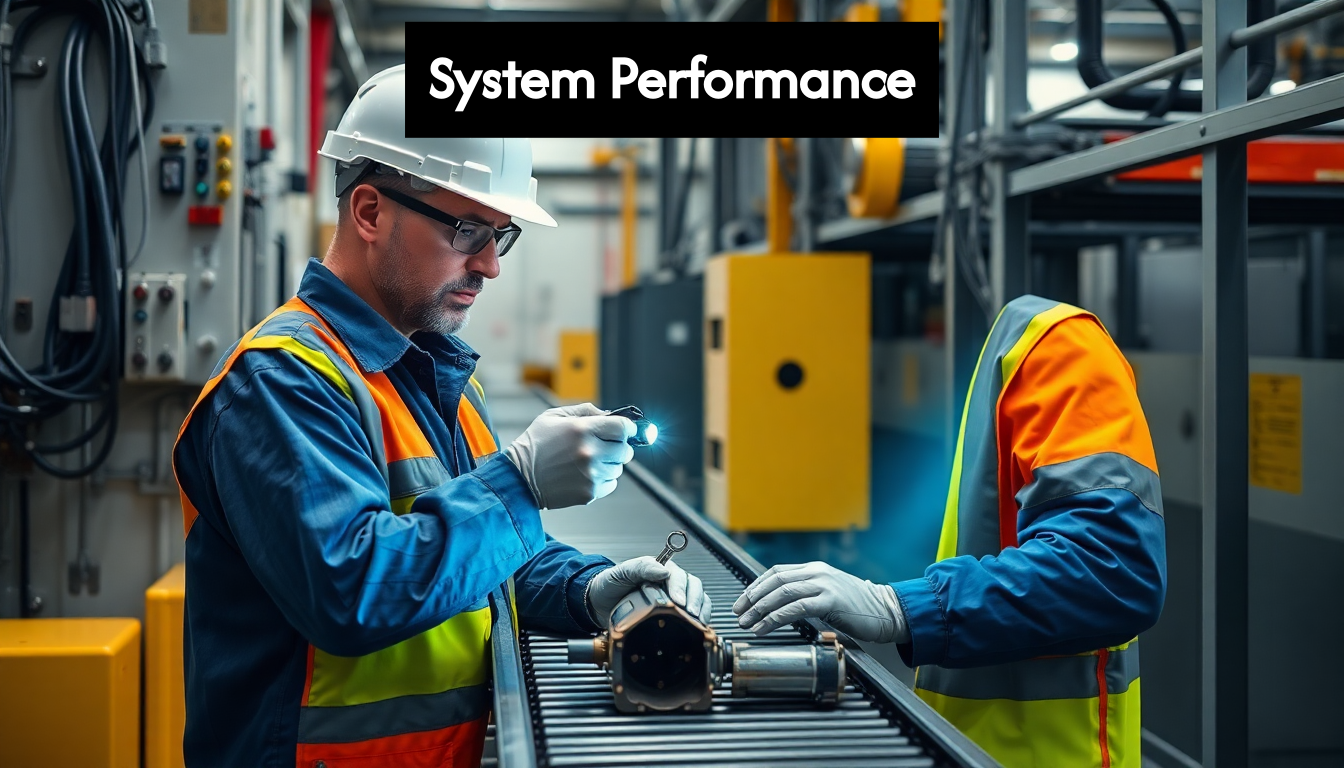
One of the most impactful ways to optimize conveyor performance is through proper load management. Conveyors are designed to operate most efficiently within specific load parameters. Operating at loads that are too light wastes energy, while overloading can cause premature wear and potential failures.
Research on twin belt conveyors in a lignite mine found that increasing the average conveyor load by 35% (from 2000 Mg/h) reduced unit energy consumption by 26%. The study further indicated that optimizing conveyor load distribution can decrease energy consumption by up to 30% research from MDPI. This demonstrates how significant energy savings can be achieved through smart load management.
Additional energy efficiency improvements can be realized through:
- Variable frequency drives (VFDs): These allow motors to run at reduced speeds during periods of lower demand, saving substantial energy compared to fixed-speed operation.
- Regenerative braking systems: Particularly useful in decline conveyors, these systems recover energy when slowing loads and feed it back into the power system.
- High-efficiency motors and components: Modern IE3 and IE4 class motors offer significantly better efficiency than older models.
- Lightweight belt materials: Reducing the weight of the moving components decreases the energy required to overcome inertia and friction.
Preventive Maintenance Strategies
Proactive maintenance is far more cost-effective than reactive repairs. A comprehensive preventive maintenance program for conveyor systems should include:
Regular inspections: Establish scheduled checks for key components, with special attention to high-wear items like belts, rollers, bearings, and drives. These inspections should look for signs of wear, misalignment, contamination, or abnormal operation.
Condition monitoring: Implement technologies that detect developing issues before they cause failures. This includes vibration analysis to identify bearing problems, thermal imaging to spot overheating components, and oil analysis for gearboxes.
Lubrication management: Proper lubrication is essential for reducing friction and wear. Develop and follow a lubrication schedule based on operating conditions and manufacturer recommendations. Consider automatic lubrication systems for critical components.
Component replacement planning: Track the service life of wear items and replace them proactively during scheduled downtime rather than waiting for failures during production.
Design Optimization
Whether designing a new system or upgrading an existing one, several design considerations can significantly impact performance:
Proper sizing: Ensure the conveyor is appropriately sized for both current and anticipated future needs. Oversized systems waste energy, while undersized ones limit throughput and may fail prematurely.
Material selection: Choose appropriate materials for belts, rollers, and other components based on the specific application. Factors to consider include the conveyed material's abrasiveness, temperature, moisture content, and chemical properties.
Transition points: Carefully design transfer points where material moves from one conveyor to another to minimize spillage, dust generation, and impact damage.
Control systems integration: Modern control systems with advanced algorithms can dynamically adjust conveyor operation based on load conditions, synchronize multiple conveyor sections, and provide valuable performance data.
Operational Improvements
Beyond the physical system, operational practices significantly affect conveyor performance:
Training: Ensure operators understand proper startup, shutdown, and loading procedures. Well-trained personnel can prevent many common problems like material jams, belt misalignment, and overloading.
Standard operating procedures: Develop and enforce clear procedures for conveyor operation, troubleshooting, and emergency response.
Performance monitoring: Implement systems to track key performance indicators like throughput, energy consumption, downtime, and maintenance costs. This data helps identify trends and opportunities for improvement.
Continuous improvement: Establish a process for regularly reviewing conveyor performance and implementing incremental enhancements based on operational experience and new technologies.
By combining these approaches—load management, preventive maintenance, design optimization, and operational improvements—organizations can maximize the efficiency, reliability, and lifespan of their conveyor systems. The result is increased productivity, reduced energy consumption, lower maintenance costs, and improved safety. As industrial processes continue to evolve toward greater automation and efficiency, optimized conveyor systems will remain a critical component of successful operations.
Frequently Asked Questions
What are conveyor systems?
Conveyor systems are mechanical systems designed to transport materials, products, or items along a designated path with minimal human intervention, significantly enhancing efficiency in various industries.
What are the main types of conveyor systems?
The main types of conveyor systems include belt conveyors, roller conveyors, chain conveyors, screw conveyors, and pneumatic conveyors, each tailored for specific material handling applications.
How do I choose the right conveyor system for my business?
Choosing the right conveyor system depends on several factors, including material properties, weight and size, operational environment, space constraints, and total cost of ownership to ensure optimal performance and efficiency.
What maintenance practices are essential for conveyor systems?
Essential maintenance practices for conveyor systems include regular inspections, condition monitoring, proper lubrication, and proactive component replacement planning to ensure longevity and reduce unexpected failures.
Streamline Your Operations Like a Conveyor System
Just as conveyor systems revolutionize material handling through efficiency and speed, Skypher transforms your security questionnaire process into a seamless experience. Amidst increasing demands in tech and finance, organizations today face the challenge of managing extensive security reviews while ensuring accuracy. A well-optimized conveyor system can lead to significant energy savings—up to 30%—and similarly, our AI-driven tools help you complete security reviews faster and with higher accuracy.

Imagine a world where you can automate responses to security questionnaires without the typical headaches of communication delays and data inaccuracies. With our Questionnaire Automation Tool, integrate with over 40 third-party risk management platforms for a smooth workflow that enhances collaboration. Don’t let inefficient processes weigh you down; jump into the future of cybersecurity and operational productivity with a platform that empowers your team to respond effectively.
Ready to elevate your security posture? Visit Skypher today and experience the transformation firsthand!