

Introduction to GRC Compliance
Have you ever wondered what is GRC compliance and why it seems to be on every corporate leader's mind these days? Well, you're not alone! As someone who's navigated the complex waters of business regulations for years, I can tell you that understanding GRC is essential for any organization that wants to stay afloat in today's highly regulated business environment.
So, let's break it down. GRC stands for Governance, Risk Management, and Compliance – three critical pillars that work together to help organizations achieve their objectives while addressing uncertainty and acting with integrity.
When we talk about GRC governance risk and compliance, we're referring to a structured approach that aligns IT with business objectives while managing risk and meeting compliance requirements. It's like having a well-coordinated team where everyone knows their role and works together seamlessly.
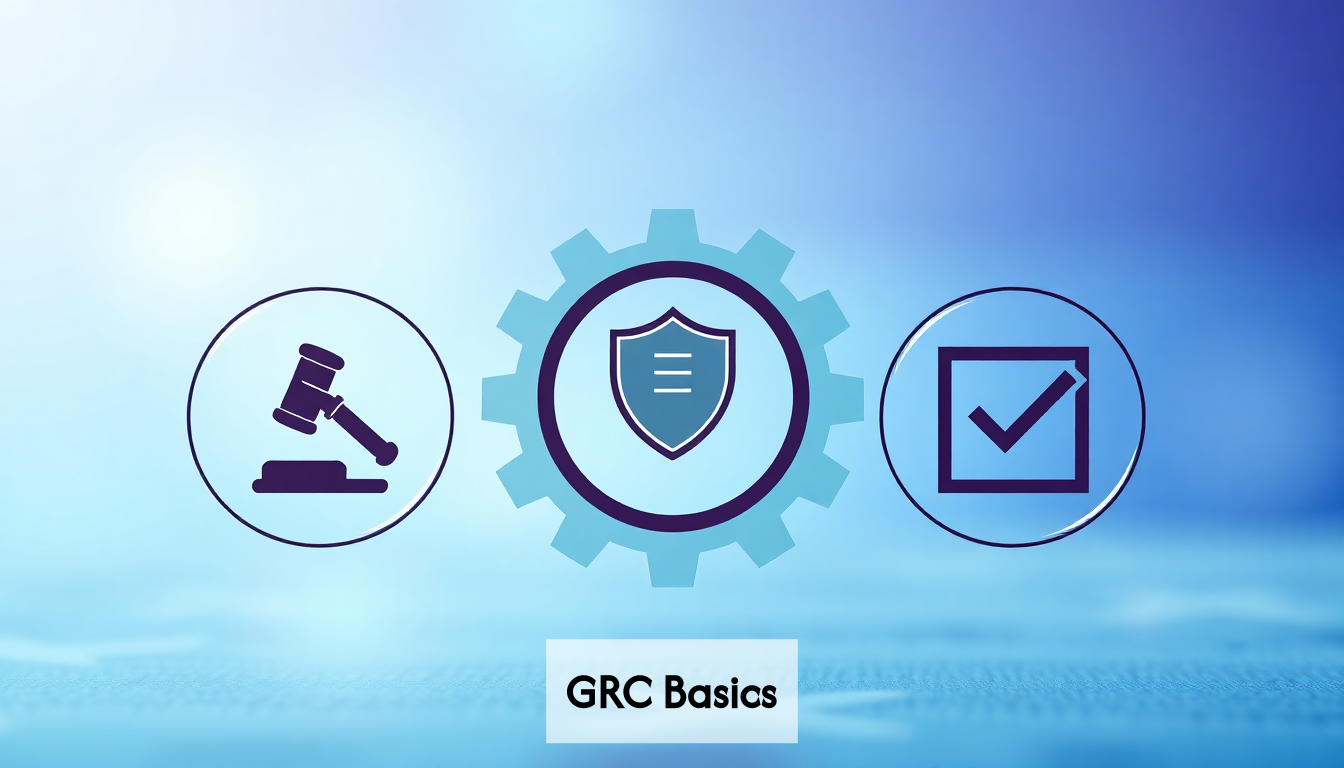
In my experience, many organizations struggle with what is the GRC concept because it encompasses so many moving parts. But don't worry! By the end of this article, you'll have a clear understanding of what is governance risk and compliance, why it matters, and how it can benefit your organization.
As Richard Anderson, a renowned GRC expert, once told me, "Understanding the meaning of GRC is the first step toward building a resilient organization that can withstand regulatory scrutiny and market volatility while maintaining stakeholder trust."
Let's dive deeper into the world of governance risk compliance GRC together!
Key Takeaways
| Key Point | Details |
|---|---|
| Definition of GRC | GRC encompasses Governance, Risk Management, and Compliance—three interconnected components essential for organizational success. |
| Importance of Governance | Proper governance establishes clear leadership roles and accountability, guiding companies toward their objectives and preventing operational drift. |
| Benefits of GRC Implementation | A robust GRC framework promotes better decision-making, enhances operational efficiency, and builds stakeholder trust through compliance with regulations. |
What is GRC? Understanding the Basics
Let me tell you, when I first encountered the term GRC, I was confused too! It sounds like another corporate buzzword, but it's actually a crucial framework that can make or break your business operations.
So, what is GRC? At its core, GRC governance risk management and compliance is an integrated approach to organizing and managing an organization's governance, enterprise risk management, and compliance with regulations. When someone asks me to define GRC, I explain that it's like a three-legged stool – remove any leg, and the whole thing topples over!
The GRC meaning encompasses three interconnected components:
- Governance: This involves establishing the right organizational structures, policies, and processes to guide your company toward its objectives.
- Risk Management: This focuses on identifying, assessing, and mitigating risks that could impact your business goals.
- Compliance: This ensures your organization adheres to applicable laws, regulations, standards, and ethical practices.
I once worked with a financial services company that couldn't quite grasp what is a GRC framework. Their CEO put it perfectly after our implementation: "We went from constantly putting out fires to having a systematic approach for preventing them in the first place."
The definition of governance risk and compliance may seem straightforward, but implementing an effective GRC strategy requires thoughtful planning and execution. Think of it as the business equivalent of having a good health regimen – preventative rather than reactive!
In the next section, we'll break down each component of GRC governance risk compliance to give you a more comprehensive understanding.
The Importance of GRC Governance, Risk Management, and Compliance
You might be wondering, "Why should I care about GRC compliance?" Well, let me share a little secret from my years working with organizations across various industries—implementing a solid governance risk and compliance GRC framework isn't just about ticking boxes; it's about business survival and success!
When I look at GRC governance, I see the backbone of organizational structure. It establishes clear leadership roles, decision-making processes, and accountability frameworks. Without proper governance, organizations operate like ships without rudders—drifting aimlessly and vulnerable to every changing wind.
The risk component of GRC governance risk cannot be overstated. In today's volatile business environment, effective risk management can be the difference between thriving and barely surviving. I've seen companies save millions by identifying potential risks before they materialized!
As for compliance—the third pillar of GRC risk compliance—it helps organizations navigate the increasingly complex regulatory landscape. Consider this: regulatory fines can be devastating. In 2019 alone, banks paid over $36 billion in non-compliance penalties!
Dr. Lisa Morgan, a renowned governance risk compliance GRC consultant, perfectly captures this importance: "In the digital age, GRC governance risk management and compliance isn't optional—it's existential. Organizations that master this trinity gain competitive advantage through better decision-making, efficient resource allocation, and enhanced stakeholder trust."
The meaning of GRC becomes clearer when you consider these real benefits:
- Reduced operational surprises and losses
- Better-informed strategic decisions
- Elimination of silos and redundant activities
- Enhanced stakeholder confidence
- Protection of corporate reputation
In my experience, understanding what is governance risk and compliance isn't just academic—it's transformational for businesses serious about long-term success.
Key Components of GRC Compliance
When diving into what is GRC compliance, it helps to break down the framework into its essential components. Trust me, once you understand these building blocks, implementing GRC becomes much more manageable!
Governance
Let's start with the G in GRC governance. This component is all about leadership, organizational structure, and strategic direction. It answers questions like: Who makes decisions? How are they made? And how do we ensure they align with our objectives?
I once worked with a healthcare organization that transformed their operations by implementing clear governance structures. Their chief compliance officer told me, "Governance isn't just about control—it's about creating clarity that empowers everyone to move in the same direction."
Risk Management
Next up is the R in GRC governance risk. This is where things get interesting! Risk management involves identifying, assessing, and prioritizing risks—then coordinating resources to minimize, monitor, and control them.
The beauty of the GRC risk component is that it helps you be proactive rather than reactive. I've seen companies use risk heat maps to visualize their exposure across different areas, which completely changed how they allocated resources.
Compliance
Finally, the C in GRC risk compliance focuses on adhering to laws, regulations, standards, and ethical practices. This isn't just about avoiding penalties—it's about building trust with customers, partners, and regulators.
What makes the GRC governance risk compliance framework so powerful is how these components work together. When integrated properly, they create a comprehensive system that addresses both internal policies and external requirements.
As Mike Rost from Workiva explains, "The definition of governance risk and compliance should emphasize integration. When these functions operate in silos, organizations miss critical connections between risks, controls, and compliance activities."
Benefits of Implementing GRC Governance Risk Compliance
When I first explain what is GRC compliance to executives, their eyes often glaze over until I get to this part—the benefits! Implementing a robust governance risk compliance GRC framework isn't just about avoiding trouble; it's about creating tangible business value.
Let me share some game-changing benefits I've witnessed firsthand:
Improved Decision-Making
When your organization understands GRC governance risk, decision-making improves dramatically. With clear visibility into risks and compliance requirements, leaders can make informed choices rather than shots in the dark. One manufacturing client told me, "We went from making decisions based on gut feel to having reliable data at our fingertips."
Enhanced Operational Efficiency
A proper GRC governance risk management and compliance framework eliminates redundancies and streamlines processes. I once worked with a financial institution that reduced their compliance costs by 30% after implementing an integrated GRC solution—imagine what that could do for your bottom line!
Better Risk Management
Understanding GRC risk compliance leads to more effective risk identification and mitigation. By taking a holistic approach to what is governance risk and compliance, organizations can spot interconnected risks that might otherwise go unnoticed.
Improved Stakeholder Confidence
Investors, customers, and partners all value organizations that can clearly articulate their GRC governance structure. As compliance expert Jane Smith notes, "Companies with mature GRC practices consistently outperform their peers in gaining stakeholder trust."
Competitive Advantage
Believe it or not, understanding the meaning of GRC can give you a leg up on competitors. Organizations with strong governance risk compliance GRC frameworks adapt more quickly to regulatory changes and market shifts.
Reduced Compliance Costs
While implementing GRC requires initial investment, the long-term savings are substantial. Consolidated controls, streamlined audits, and avoided penalties deliver significant ROI. One technology company I advised saved over $2 million in just the first year after clarifying what is the GRC framework appropriate for their business.
Challenges in GRC Risk and Compliance Management
Let's get real for a moment! While understanding what is GRC compliance is important, implementing an effective governance risk and compliance GRC framework isn't exactly a walk in the park. Throughout my years working with organizations of all sizes, I've encountered some consistent challenges that even the most well-intentioned companies face.
Siloed Approaches
One of the biggest hurdles I see is departmental silos. When different teams don't communicate, your GRC governance risk efforts become fragmented. I once consulted for a multinational corporation where the compliance team had no idea what the risk management folks were doing—talk about the left hand not knowing what the right is doing!
Regulatory Complexity
The meaning of GRC becomes particularly challenging when you consider the ever-changing regulatory landscape. With new regulations constantly emerging across different jurisdictions, staying on top of GRC risk compliance requirements can feel like drinking from a fire hose. As compliance expert David Martinez puts it, "The regulatory environment isn't just complex—it's constantly evolving, requiring organizations to be perpetually vigilant."
Resource Constraints
Implementing comprehensive GRC governance risk management and compliance programs requires significant resources—both human and technological. Smaller organizations often struggle with the definition of governance risk and compliance that fits their scale and budget.
Cultural Resistance
Never underestimate the power of "we've always done it this way" thinking! Cultural resistance to governance risk compliance initiatives can derail even the best-planned GRC programs. I've seen brilliant GRC governance structures fail simply because leadership couldn't get buy-in from middle management.
Technology Integration
With legacy systems that don't talk to each other, achieving an integrated view of what is governance risk and compliance across the enterprise becomes nearly impossible. The technology hurdle is real, and it's one of the reasons many organizations struggle to move beyond a basic understanding of what is the GRC framework they need.
Conclusion: The Future of GRC Compliance
As we wrap up our exploration of what is GRC compliance, I can't help but feel excited about where this field is heading. The governance risk and compliance GRC landscape is evolving rapidly, and organizations that adapt quickly will have a significant advantage.
In my years working with GRC frameworks, I've seen the field transform from isolated, checkbox-driven processes to integrated, strategic initiatives. The future of GRC governance risk management and compliance is moving toward greater automation, integration, and intelligence.
Artificial intelligence and machine learning are revolutionizing how we approach GRC risk compliance. These technologies can analyze vast amounts of data to identify patterns and potential issues before they become problems. As one CIO recently told me, "AI doesn't just help us understand what is governance risk and compliance—it helps us predict where our next challenges will come from."
Cloud-based GRC governance solutions are making comprehensive compliance frameworks accessible to organizations of all sizes. The meaning of GRC is expanding beyond large enterprises with dedicated teams to become a standard operating approach for businesses across the spectrum.
Perhaps most importantly, the definition of governance risk and compliance is becoming more holistic. Forward-thinking organizations are moving beyond viewing GRC as a necessary evil and instead seeing it as a strategic enabler that drives value.
As Sarah Chen, a leading GRC governance risk strategist puts it, "The organizations that will thrive in the next decade are those that see compliance not as a burden but as a competitive differentiator."
So, when someone asks you what is the GRC approach your organization takes, I hope you can confidently explain not just what it is, but how it's helping your business succeed in an increasingly complex world. Remember, effective governance risk compliance GRC isn't just about avoiding problems—it's about creating opportunities.
Frequently Asked Questions
What is GRC compliance?
GRC compliance refers to Governance, Risk Management, and Compliance, which are three interconnected components that help organizations manage regulations, risks, and strategic objectives in a structured manner.
Why is GRC important for businesses?
GRC is crucial for businesses because it helps establish clear leadership roles, enhances decision-making, reduces risks, improves operational efficiency, and builds stakeholder trust while ensuring adherence to regulations.
What are the key components of GRC?
The key components of GRC are Governance (establishing organizational structures and policies), Risk Management (identifying and mitigating risks), and Compliance (adhering to laws and regulations).
How does implementing GRC benefit an organization?
Implementing GRC can lead to improved decision-making, enhanced operational efficiency, better risk management, increased stakeholder confidence, and reduced compliance costs, ultimately contributing to long-term business success.
Boost Your GRC Compliance Efforts with Skypher
In the journey toward mastering GRC compliance, one fundamental challenge persists: answering complex security questionnaires efficiently while ensuring accuracy and adherence to regulations. Many organizations feel overwhelmed by the sheer volume and intricacy of these requirements, often leading to delayed responses and lost opportunities—a frustrating reality for teams striving for operational excellence.
But what if you could transform this daunting task into a smooth, streamlined process? With Skypher's AI Questionnaire Automation Tool, you can elevate your GRC governance framework to new heights. Imagine slashing response times from days to mere hours while increasing accuracy and collaboration among your teams. Our platform integrates seamlessly with over 40 third-party risk management solutions, making your compliance efforts not just easier, but also more effective.
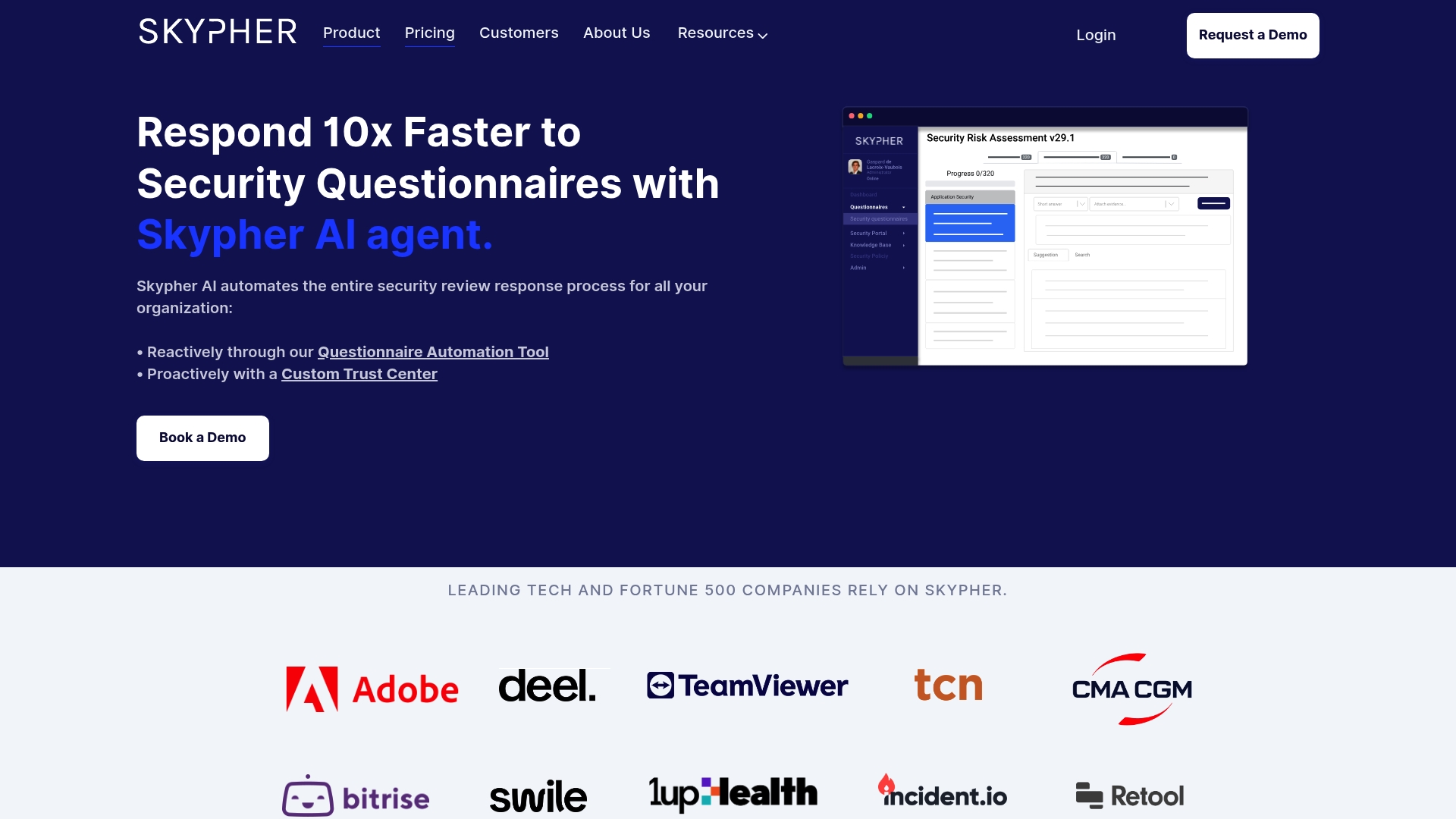
Don’t let cumbersome security reviews hinder your organization's success! Experience the difference Skypher can make. Sign up today at https://skypher.co to enhance your GRC compliance process and watch as your operational efficiency soars. The future of seamless security questionnaire management is just a click away—act now to stay ahead of the compliance curve!