

Governance, Risk, and Compliance (GRC) software is rapidly transforming how organizations tackle regulatory challenges—over 70% of businesses are now using integrated GRC solutions. But here's the kicker: many companies still think of GRC as just another compliance check. The real game-changer? GRC software isn't merely about meeting regulations. It's about unlocking operational efficiency and strategic insights that propel your organization forward.
GRC Software Basics and Purpose
GRC software serves as a unified platform that helps organizations manage governance, risk, and compliance activities through a single integrated solution. At its core, this technology creates a centralized framework where businesses can track, monitor, and fulfill their regulatory obligations while maintaining effective governance protocols and risk management strategies.
What Does GRC Software Actually Do?
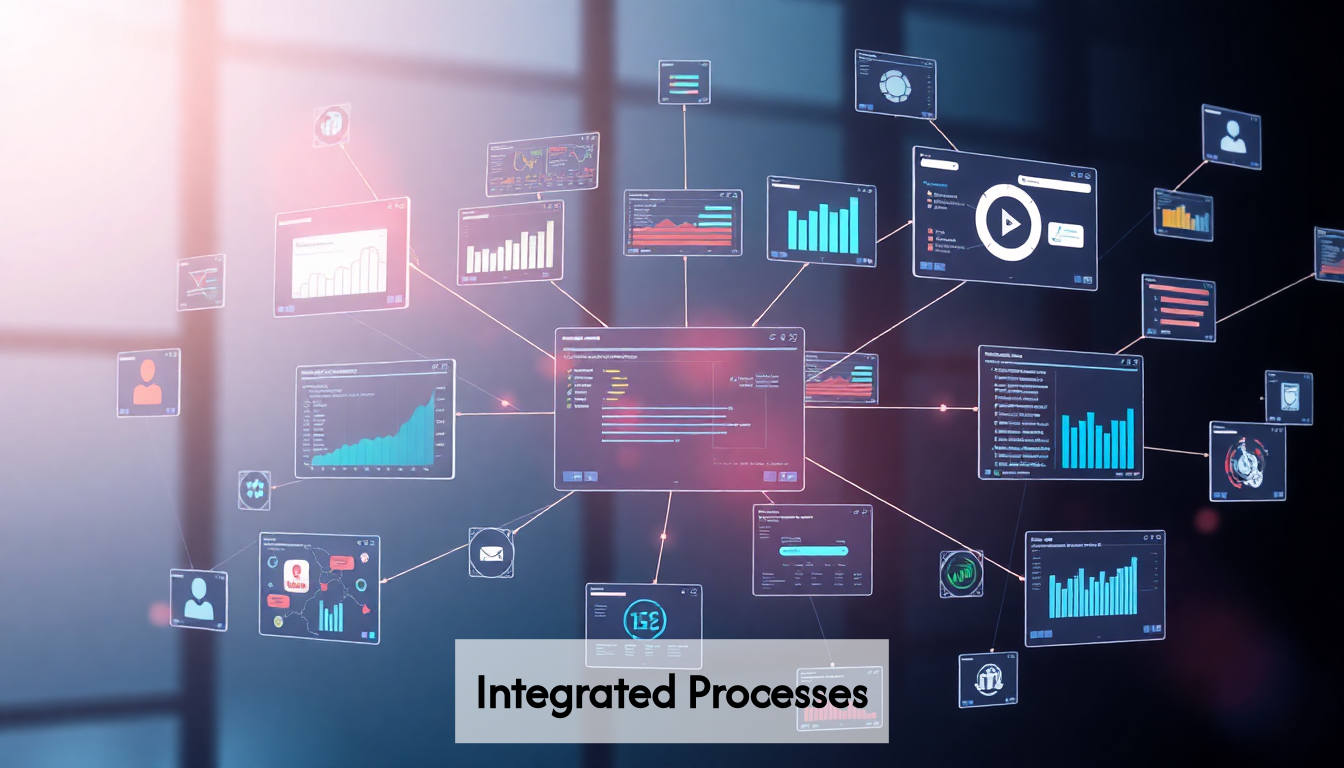
GRC software consolidates fragmented compliance and risk management processes into a cohesive system. Originally developed primarily for regulatory compliance, modern GRC platforms have evolved into sophisticated solutions that address a comprehensive range of organizational needs, from operational efficiency to strategic decision-making. According to Shared Assessments, this evolution reflects the growing recognition of risk management as a strategic imperative rather than merely a compliance checkbox.
Core Components of GRC Software
Governance Management
The governance component establishes organizational policies, procedures, and controls. GRC software centralizes policy management, allowing companies to create, distribute, and update governance documentation uniformly across departments. This ensures alignment between executive vision and daily operations while maintaining transparent decision-making processes.
Risk Management
Risk management functionality helps organizations identify, assess, and mitigate potential threats to business objectives. Modern GRC technology enables proactive rather than reactive risk management, allowing teams to continuously monitor risk indicators, prioritize vulnerabilities based on potential impact, and implement appropriate controls before issues materialize.
Compliance Management
The compliance aspect tracks regulatory requirements across various jurisdictions and standards relevant to the organization. GRC systems maintain updated regulatory libraries, automate compliance workflows, provide audit trails, and generate evidence for certification purposes. This substantially reduces the manual labor traditionally associated with maintaining compliance.
Business Value of GRC Software
Implementing a comprehensive GRC program through specialized software delivers multiple strategic advantages:
Breaking Down Operational Silos
GRC systems eliminate departmental information barriers by creating a single source of truth for governance, risk, and compliance data. This integration enables more effective cross-functional collaboration and reduces contradictory or duplicative efforts across teams.
Enhancing Decision-Making Capabilities
Modern GRC tools leverage data analytics to provide actionable insights that enhance strategic planning. By aggregating compliance status, risk assessments, and governance metrics, executives gain a holistic view of organizational performance and potential vulnerabilities, enabling more informed business decisions.
Improving Operational Efficiency
Automation represents one of the most significant benefits of GRC software. By automating repetitive compliance tasks, evidence collection, risk assessments, and reporting functions, organizations can redirect human resources toward higher-value activities that drive business growth.
Demonstrating Due Diligence
GRC systems maintain comprehensive audit trails and documentation that demonstrate regulatory compliance and appropriate risk management to stakeholders, including regulators, customers, partners, and investors. This documentation proves that the organization has exercised due care in its governance practices.
Adapting to Modern Business Challenges

The GRC landscape continues to evolve as businesses face increasingly complex regulatory environments and emerging risk categories. Modern GRC solutions now incorporate artificial intelligence, automation, and advanced analytics to handle the growing volume and complexity of compliance requirements. These technologies allow risk and compliance teams to focus on strategic initiatives rather than drowning in procedural tasks.
The integration capabilities of current GRC platforms enable connections with other enterprise systems like ERP, CRM, and security tools, creating a more comprehensive risk management ecosystem. This interoperability ensures that governance, risk, and compliance considerations become embedded in everyday business operations rather than functioning as separate processes.
Key Takeaways
| Takeaway | Explanation |
|---|---|
| Centralized Governance, Risk, and Compliance Management | GRC software consolidates fragmented processes into a single platform, streamlining governance, risk management, and compliance activities across an organization. |
| Proactive Risk Management | Modern GRC technology enables organizations to continuously monitor risk indicators, allowing them to identify and mitigate threats before they impact business objectives. |
| Enhanced Decision-Making with Data Analytics | GRC tools leverage data analytics to provide insights that support strategic planning, helping executives make informed decisions based on a comprehensive view of organizational performance. |
| Automation for Operational Efficiency | By automating routine compliance tasks, GRC software reduces manual effort and allows organizations to focus on high-value activities, ultimately improving overall operational efficiency. |
| Cross-Functional Collaboration | Successful GRC implementation necessitates breaking down silos between departments, fostering collaboration across risk, compliance, IT, and business units to enhance governance and risk management practices. |
Core Features and Functionality
Effective GRC software solutions incorporate a range of essential features that enable organizations to streamline governance, risk, and compliance activities. Understanding these core capabilities helps businesses select the right GRC tool that aligns with their specific needs and regulatory environment.
Policy Management
Policy management forms the backbone of any comprehensive GRC system. This functionality allows organizations to create, store, distribute, and update policies across the enterprise. Advanced GRC platforms provide version control, approval workflows, and automated policy review schedules to ensure all documentation remains current and relevant. The system maintains a centralized repository where stakeholders can access the latest versions of policies, procedures, and controls documentation.
Risk Assessment and Management
Risk assessment capabilities enable organizations to identify, analyze, and evaluate potential threats to business objectives. GRC risk management tools typically include:
Risk Identification and Classification
Sophisticated GRC platforms provide frameworks for categorizing risks based on their nature, potential impact, and likelihood. This classification helps prioritize mitigation efforts and resource allocation. Many systems incorporate risk libraries and templates that align with industry standards and regulatory frameworks.
Risk Monitoring and Reporting
Continuous monitoring of key risk indicators allows organizations to detect emerging threats before they materialize into significant issues. GRC software generates risk dashboards and reports that give executives visibility into the organization's risk profile, helping inform strategic decision-making.
Risk Treatment and Mitigation
Once risks are identified, GRC systems facilitate the development and implementation of control measures. The software tracks mitigation activities, assigns responsibilities, and monitors progress toward risk reduction goals.
Compliance Management
The compliance functionality in GRC software helps organizations navigate complex regulatory landscapes by providing:
Regulatory Change Management
GRC tools monitor regulatory developments across jurisdictions, alerting compliance teams to new or changing requirements. This proactive approach helps organizations stay ahead of compliance obligations rather than scrambling to catch up.
Compliance Assessment and Gap Analysis
These features allow organizations to evaluate their current state of compliance against applicable regulations and standards. The system identifies gaps and suggests remediation actions to achieve compliance.
Audit Management
GRC platforms streamline the audit process by automating evidence collection, maintaining audit trails, and facilitating communication with internal and external auditors. This significantly reduces the administrative burden traditionally associated with audits.
Incident Management
Effective incident management is crucial for maintaining operational resilience. GRC software provides structured workflows for:
Incident Reporting and Investigation
The system offers channels for reporting incidents, near-misses, and compliance violations. It then guides users through standardized investigation procedures to determine root causes and contributing factors.
Corrective and Preventive Actions
Once incidents are investigated, GRC tools help organizations develop and implement corrective actions. The software tracks these actions to ensure they effectively address the identified issues and prevent recurrence.
Automated Workflows and Task Management
Workflow automation represents one of the most valuable aspects of GRC software. These features:
- Standardize processes across departments
- Automatically assign tasks based on predefined rules
- Send notifications and reminders for upcoming deadlines
- Escalate issues when tasks remain incomplete
- Provide visibility into process bottlenecks
By automating routine compliance activities, organizations can reduce manual effort while improving consistency and reliability.
Reporting and Analytics
Comprehensive reporting capabilities transform raw GRC data into actionable insights. Modern GRC solutions offer:
Customizable Dashboards
User-specific dashboards display relevant metrics and key performance indicators, allowing stakeholders to monitor GRC activities relevant to their roles and responsibilities.
Advanced Analytics
Analytics tools help organizations identify trends, patterns, and correlations within their GRC data. These insights enable more informed decision-making and proactive risk management.
Regulatory Reporting
GRC systems generate reports in formats required by various regulatory bodies, streamlining the reporting process and ensuring consistency across submissions.
Integration Capabilities
The most effective GRC platforms don't operate in isolation but integrate with other enterprise systems. Integration capabilities allow GRC software to connect with:
- Enterprise resource planning (ERP) systems
- Customer relationship management (CRM) platforms
- Human resources information systems
- IT security and monitoring tools
- Third-party risk management solutions
These integrations create a more comprehensive view of organizational risk and compliance posture while reducing duplicate data entry and reconciliation efforts.
Document Management and Evidence Collection
GRC software provides secure storage for compliance documentation and evidence. The system maintains audit trails showing who accessed or modified documents and when these actions occurred. This documentation becomes invaluable during regulatory examinations and certification audits.
Vendor and Third-Party Risk Management
As organizations increasingly rely on external partners, managing third-party risk has become essential. GRC platforms include features for:
- Vendor risk assessment and due diligence
- Continuous monitoring of vendor performance and compliance
- Contract management and obligation tracking
- Third-party incident reporting and management
These capabilities help organizations extend their governance and risk management practices beyond internal operations to their broader ecosystem of partners and suppliers.
By incorporating these core features, GRC software provides organizations with the tools they need to navigate complex regulatory environments while optimizing their governance structures and risk management practices.
Business Benefits and Use Cases
Implementing GRC software delivers substantial business value across multiple dimensions of an organization. Beyond mere regulatory compliance, these platforms offer strategic advantages that impact operational efficiency, risk posture, and competitive positioning.
Quantifiable Business Benefits
Operational Efficiency
GRC solutions dramatically reduce the manual effort associated with governance, risk, and compliance activities. By automating routine tasks, organizations typically experience:
- Reduction in compliance-related administrative hours
- Faster audit preparation and completion
- Streamlined reporting processes
- Decreased duplication of effort across departments
These efficiency gains translate directly to cost savings and allow skilled personnel to focus on higher-value strategic initiatives rather than routine compliance documentation.
Enhanced Decision Making
GRC governance risk tools provide executives with consolidated risk intelligence, enabling more informed strategic decisions. With comprehensive visibility into the organization's risk and compliance posture, leaders can:
- Identify emerging risks before they impact business objectives
- Allocate resources more effectively to high-priority compliance areas
- Make strategic investments with a clearer understanding of regulatory implications
- Balance risk appetite with growth opportunities
Reduced Compliance Costs
The financial impact of implementing GRC software extends beyond operational efficiencies. Organizations typically see:
- Decreased audit costs through better preparation and evidence management
- Reduced regulatory fines and penalties through improved compliance rates
- Lower insurance premiums due to demonstrable risk management practices
- Minimized costs associated with compliance-related business disruptions
Improved Stakeholder Confidence
A robust GRC program signifies organizational maturity and responsibility, enhancing relationships with key stakeholders:
- Investors view strong governance as evidence of operational discipline
- Customers gain confidence in data protection and privacy practices
- Regulators recognize proactive compliance efforts during examinations
- Business partners perceive lower third-party risk exposure
Industry-Specific Use Cases
Financial Services
The financial sector faces some of the most complex regulatory requirements globally. GRC software helps financial institutions navigate this landscape through:
Banking and Investment Management
Banks and investment firms leverage GRC platforms to manage compliance with regulations like Basel III, Dodd-Frank, MiFID II, and anti-money laundering requirements. These institutions use GRC software to:
- Conduct stress testing and scenario modeling
- Monitor trading activities for potential violations
- Manage complex capital and liquidity requirements
- Track customer due diligence processes
Insurance
Insurance companies deploy GRC solutions to manage regulatory requirements like Solvency II and state insurance regulations. Specific applications include:
- Claims fraud detection and prevention
- Policy compliance monitoring
- Reserve requirement management
- Producer licensing and appointment tracking
Healthcare and Life Sciences
Healthcare organizations operate under strict patient privacy and safety regulations. GRC solutions in healthcare address:
- HIPAA compliance and patient data privacy
- Clinical trial governance and documentation
- FDA regulatory submissions and approvals
- Quality management system requirements
- Medicare/Medicaid billing compliance
Manufacturing and Supply Chain
Manufacturers implement GRC software to manage complex operational risks and compliance requirements:
- Product safety compliance (CPSC, EU product directives)
- Environmental regulations and sustainability reporting
- Supply chain risk management and supplier compliance
- Quality management system requirements (ISO 9001)
- Workplace safety regulations (OSHA)
Technology and Information Security
Technology companies face evolving data protection regulations and cybersecurity requirements. Their GRC priorities include:
- Data privacy compliance (GDPR, CCPA, CPRA)
- Information security frameworks (ISO 27001, NIST)
- Software development life cycle governance
- Intellectual property protection
- Third-party technology vendor assessments
Cross-Industry Use Cases
ESG Reporting and Sustainability
As environmental, social, and governance (ESG) reporting becomes increasingly mandatory, organizations across industries are using GRC platforms to:
- Track environmental metrics and carbon emissions
- Document diversity and inclusion initiatives
- Monitor ethical business practices throughout operations
- Prepare sustainability reports for stakeholders
- Ensure compliance with evolving ESG regulations
Third-Party Risk Management
Organizations in all sectors leverage GRC technology to extend governance and risk management practices to their vendor ecosystems:
- Vendor due diligence and onboarding
- Continuous monitoring of third-party compliance
- Contract obligation tracking and management
- Supplier sustainability and ethical practices assessment
- Fourth-party risk identification and monitoring
Project Governance
Many organizations extend their GRC capabilities to project management, ensuring major initiatives remain compliant with internal and external requirements:
- Project risk assessment and monitoring
- Regulatory impact analysis for new initiatives
- Compliance requirement integration into project planning
- Change management governance
- Post-implementation compliance verification
Implementation Success Factors
To maximize these benefits, successful GRC implementations typically share certain characteristics:
Executive Sponsorship
Organizations achieve the greatest ROI when GRC initiatives receive visible support from executive leadership, establishing governance as a strategic priority rather than a compliance checkbox.
Clear Objectives and Metrics
Successful implementations define specific, measurable objectives for their GRC program and establish metrics to track progress toward these goals.
Phased Implementation
Rather than attempting a comprehensive deployment all at once, successful organizations typically phase in GRC capabilities, starting with areas of highest risk or regulatory priority.
Cross-Functional Collaboration
The most effective GRC programs break down silos between risk, compliance, IT, and business units, creating a collaborative approach to governance and risk management.
By strategically implementing GRC software with these success factors in mind, organizations can transform compliance from a cost center into a source of competitive advantage through improved decision-making, operational efficiency, and stakeholder trust.
Implementing GRC Software Best Practices
Successful implementation of GRC software requires careful planning, cross-functional collaboration, and a strategic approach. Organizations that follow these best practices can maximize their return on investment while minimizing disruption to business operations.
Assessment and Planning
Conduct a Comprehensive Needs Assessment
Before selecting a GRC tool, organizations should conduct a thorough assessment of their current governance, risk, and compliance processes. This evaluation should identify:
- Current regulatory requirements across all jurisdictions
- Existing policy management and documentation processes
- Risk assessment methodologies and frameworks in use
- Compliance monitoring and reporting mechanisms
- Pain points and inefficiencies in current processes
- Resource allocation for GRC activities
This assessment establishes a baseline for measuring improvement and helps define specific objectives for the GRC implementation.
Develop Clear Implementation Objectives
Successful GRC projects begin with well-defined goals that align with broader business objectives. These might include:
- Reducing compliance-related costs by a specific percentage
- Decreasing the time required for audit preparation
- Improving risk visibility across the organization
- Enhancing regulatory reporting accuracy and timeliness
- Streamlining policy management and distribution
Each objective should be specific, measurable, achievable, relevant, and time-bound (SMART) to provide clear direction for the implementation team.
Create a Realistic Implementation Roadmap
A phased implementation approach typically yields better results than attempting to deploy all GRC capabilities simultaneously. A strategic roadmap should:
- Prioritize high-risk or high-value areas for initial implementation
- Establish realistic timelines for each implementation phase
- Identify dependencies between different GRC components
- Allocate appropriate resources for each phase
- Include contingency plans for potential implementation challenges
Organizational Readiness
Secure Executive Sponsorship
Executive support is essential for successful GRC implementation. Leadership involvement demonstrates organizational commitment and helps overcome resistance to change. According to SimpleRisk, "strong leadership commitment and communication are essential for fostering a culture of compliance and accountability" when maturing a GRC program as noted by SimpleRisk.
The executive sponsor should:
- Articulate the strategic value of the GRC implementation
- Remove obstacles to successful deployment
- Ensure adequate resources for the project
- Regularly communicate the importance of the initiative
Establish a Cross-Functional Implementation Team
GRC software affects multiple departments, making cross-functional collaboration crucial for success. The implementation team should include representatives from:
- Risk management
- Compliance
- Legal
- IT security
- Operations
- Finance
- Business units
This diverse team ensures that the GRC solution addresses the needs of all stakeholders and integrates effectively with existing business processes.
Develop a Change Management Strategy
Implementing GRC software typically requires changes to established workflows and responsibilities. A comprehensive change management strategy should address:
- Communication plans for different stakeholder groups
- Training programs for various user roles
- Documentation of new processes and procedures
- Mechanisms for collecting and addressing user feedback
- Performance metrics to evaluate adoption success
Technical Implementation
Data Migration and Integration Planning
Many organizations already have GRC-related data in various systems. Careful planning for data migration ensures that valuable historical information isn't lost during implementation. Key considerations include:
- Data mapping between legacy systems and the new GRC platform
- Data cleansing and normalization requirements
- Integration with existing enterprise systems (ERP, CRM, HR)
- API and connector requirements for real-time data exchange
- Data governance policies for the new environment
Configure to Reflect Organizational Structure
Effective GRC systems should mirror the organization's governance structure, risk tolerance, and compliance requirements. Configuration should address:
- Organizational hierarchy and reporting relationships
- Role-based access controls and permissions
- Approval workflows that reflect existing authority levels
- Risk assessment methodologies that align with the organization's approach
- Custom fields and attributes that capture organization-specific information
Implement Robust Testing Procedures
Thorough testing prevents disruptions when the system goes live. A comprehensive testing approach includes:
- Unit testing of individual components
- Integration testing of connected systems
- User acceptance testing with actual end users
- Performance testing under expected load conditions
- Security testing to identify potential vulnerabilities
Post-Implementation Success Factors
Provide Continuous Training and Support
User adoption directly impacts GRC software effectiveness. Ongoing training ensures that users remain proficient as the system evolves. Training approaches should include:
- Role-based training programs for different user types
- Self-service resources such as knowledge bases and video tutorials
- Regular refresher sessions on advanced features
- Dedicated support channels for user questions and issues
- User champions who can provide peer assistance
Establish Metrics and Continuous Improvement
Measuring the impact of GRC governance compliance software allows organizations to demonstrate ROI and identify areas for improvement. Key performance indicators might include:
- Time saved on compliance activities
- Reduction in audit findings
- Improved speed of risk identification and mitigation
- Decreased compliance incidents or violations
- Enhanced stakeholder satisfaction with GRC processes
Develop an Ongoing Maintenance Plan
GRC systems require regular maintenance to remain effective as regulations, risks, and organizational structures evolve. A maintenance plan should address:
- Regular system updates and patches
- Periodic reviews of configurations and workflows
- Updates to risk libraries and compliance requirements
- User permission audits and adjustments
- System performance monitoring and optimization
Common Implementation Pitfalls to Avoid
Attempting Too Much Too Quickly
Organizations often try to implement all GRC capabilities simultaneously, leading to project delays and user frustration. A measured, phased approach typically yields better results.
Underestimating Data Quality Challenges
Poor data quality in legacy systems can significantly complicate migration. Organizations should allocate sufficient resources for data cleansing and validation.
Insufficient User Involvement
Excluding end users from the selection and implementation process often results in systems that don't address actual user needs. Regular user feedback should inform implementation decisions.
Neglecting Process Redesign
Simply automating inefficient processes with GRC software rarely delivers optimal results. Implementation should include process optimization to take full advantage of the new capabilities.
Inadequate Integration with Existing Systems
GRC software operates most effectively when integrated with other enterprise systems. Treating it as a standalone solution limits its value and creates data silos.
By following these implementation best practices, organizations can maximize the value of their GRC software investment while minimizing disruption to ongoing operations. The result is a more mature, effective approach to governance, risk, and compliance that delivers tangible business benefits beyond mere regulatory compliance.
Frequently Asked Questions
What is GRC software?
GRC software stands for Governance, Risk, and Compliance software. It is a unified platform that helps organizations manage their governance protocols, risk management strategies, and compliance activities more effectively through a single integrated solution.
Why is GRC software important for businesses?
GRC software is crucial for businesses as it helps streamline compliance processes, enhances decision-making capabilities through data analytics, improves operational efficiency by automating routine tasks, and demonstrates due diligence in governance practices to stakeholders.
What are the core components of GRC software?
The core components of GRC software typically include governance management, risk management, and compliance management. These components work together to create a comprehensive framework for managing regulatory obligations, mitigating risks, and establishing organizational policies.
How can GRC software improve operational efficiency?
GRC software improves operational efficiency by automating repetitive compliance tasks, standardizing workflows, and breaking down silos between departments. This allows organizations to redirect resources to higher-value activities that drive business growth.
Unlock Your GRC Potential with Skypher's Automation Tools
Are you tired of the repetitive, time-consuming tasks associated with security questionnaires? As the article emphasizes, effective governance, risk management, and compliance require streamlined processes — not cumbersome paperwork!
At Skypher, we understand that organizations face the challenge of maintaining compliance while managing the growing complexity of regulatory landscapes. Our AI Questionnaire Automation Tool is designed to make your life easier by enabling you to tackle security reviews faster and with unparalleled accuracy.
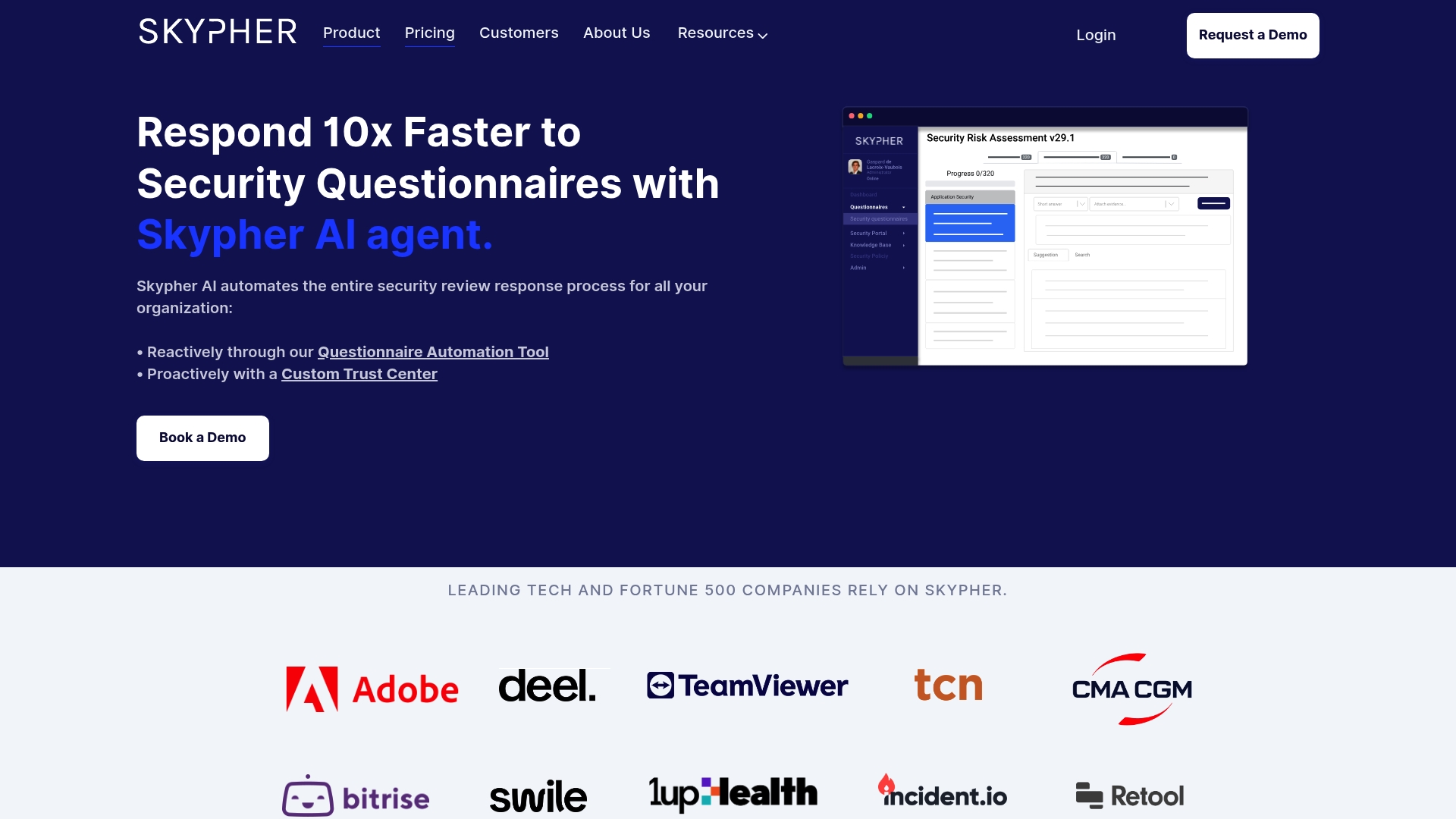
Experience the transformational benefits of a unified platform that:
- Streamlines your compliance management, breaking down operational silos, and facilitating real-time collaboration across teams.
- Integrates seamlessly with over 40 third-party risk management platforms, ensuring you never miss a critical update.
- Enhances client relations by reducing the cycle time for proof of concepts (POCs) and contracts, elevating your business trust.
Don't let compliance overwhelm you. Discover how Skypher can empower your governance and compliance efforts today! Visit us at https://skypher.co and unlock the efficiency your organization deserves!