

The world of healthcare information security is more complex than ever, with over 800,000 cybercrime complaints reported last year, leading to an astonishing $10.2 billion in losses. But here's the twist—most organizations are still fumbling in the dark when it comes to compliance and data protection. The secret sauce to simplifying this chaos? HITRUST. This powerful framework not only integrates numerous regulatory requirements into one streamlined process but also elevates your security posture, making it a game changer in the fight against cyber threats.
Understanding HITRUST and Its History
When diving into the world of healthcare information security, understanding HITRUST is essential for organizations that handle sensitive patient data. HITRUST (Health Information Trust Alliance) represents both an organization and a comprehensive framework that has transformed how the healthcare industry approaches data protection.
Origins and Evolution of HITRUST
The Health Information Trust Alliance was founded in 2007 in response to the growing challenges healthcare organizations faced with managing multiple compliance requirements and security frameworks. Before HITRUST, healthcare entities struggled with a fragmented approach to compliance, often implementing multiple standards separately - from HIPAA to PCI DSS to NIST guidelines. This created inefficiencies, gaps in protection, and unnecessary complexity.
HITRUST developed the Common Security Framework (CSF) to address this problem. The HITRUST CSF was designed as a certifiable framework that harmonizes multiple regulatory requirements and standards into a single, comprehensive approach. Rather than treating each compliance requirement as a separate project, organizations could implement one framework that satisfied numerous obligations simultaneously.
Over the years, the HITRUST CSF has evolved from its initial versions to become increasingly sophisticated. Today, it incorporates requirements from over 40 different global regulations and frameworks, making it one of the most comprehensive security frameworks available.
What Makes HITRUST Different
HITRUST stands apart from other security frameworks in several key ways. First, it was specifically designed with healthcare information security in mind, although it has expanded to benefit many industries. This healthcare focus means the framework addresses the unique challenges of protecting patient data and medical systems.
Second, the HITRUST certification process is notably rigorous. Unlike self-attestation models, achieving HITRUST certification requires detailed assessment and validation by authorized external assessors. According to cybersecurity experts, this thoroughness is why HITRUST offers broader security assurance than other frameworks like SOC 2, which can be more open to interpretation.
Third, HITRUST employs a risk-based approach. This means the specific controls an organization needs to implement are tailored based on factors like organization type, size, systems used, and regulatory requirements - making it adaptable rather than one-size-fits-all.
From Alliance to Industry Standard
What began as an alliance of healthcare organizations has grown into an industry-leading standard. Today, HITRUST compliance is often required by healthcare providers before they'll work with vendors who handle protected health information (PHI). Major health systems frequently require their business associates to obtain HITRUST certification, effectively making it a market necessity for many service providers in the healthcare ecosystem.
The framework's evolution reflects the changing landscape of cybersecurity threats. As healthcare became an increasingly attractive target for cybercriminals (with valuable patient data fetching high prices on black markets), HITRUST has continuously updated its framework to address emerging threats and vulnerabilities.
Understanding HITRUST's history helps explain why it has become such a critical component of healthcare information security - it arose from a genuine need to simplify and strengthen information protection in one of our most sensitive industries.
Key Takeaways
| Takeaway | Explanation |
|---|---|
| HITRUST CSF Harmonizes Compliance | HITRUST provides a unified framework that integrates multiple regulatory requirements (like HIPAA, GDPR, PCI DSS) into a single implementation, helping organizations reduce compliance complexity and effort. |
| Rigorous Certification Process | Achieving HITRUST certification requires independent validation from authorized assessors, offering more robust security assurance compared to self-attestation models. |
| Risk-Based Approach | The framework tailors control requirements based on the organization's type, size, systems, and regulatory obligations, making it adaptable to different contexts. |
| Continuous Compliance is Key | Organizations must view HITRUST certification as an ongoing process, committing to regular assessments, monitoring, and updates to maintain security posture year-round. |
| Cultural Change Matters | Successful HITRUST implementation requires fostering a culture of security throughout the organization, with ongoing training and leadership support to ensure that all employees understand their security roles. |
HITRUST Certification and Framework Details
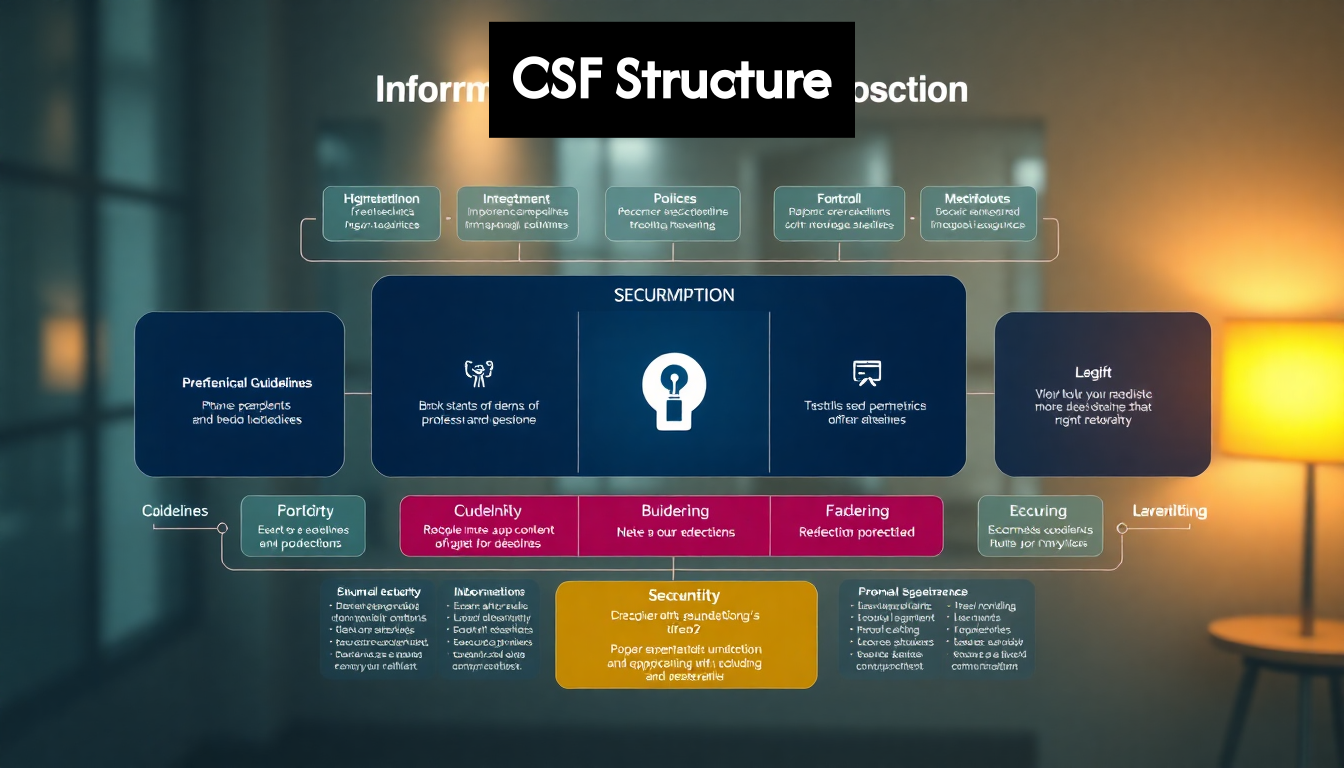
Navigating the HITRUST certification landscape can seem complex at first glance, but understanding the framework's structure and certification process is essential for organizations seeking to protect sensitive healthcare information and demonstrate their security commitment to partners and clients.
The HITRUST CSF Framework Structure
At its core, the HITRUST Common Security Framework (CSF) is a comprehensive set of security controls designed to address multiple regulatory requirements through a single implementation. The framework is organized into 14 control categories that cover all aspects of information security:
- Access Control
- Awareness and Training
- Audit and Accountability
- Configuration Management
- Identification and Authentication
- Incident Response
- Maintenance
- Media Protection
- Physical and Environmental Protection
- Planning
- Risk Assessment
- Security Assessment
- System and Communications Protection
- System and Information Integrity
What makes the HITRUST CSF particularly powerful is its "assess once, report many" approach. By implementing the framework, organizations can simultaneously address requirements from multiple regulations including HIPAA, GDPR, PCI DSS, NIST, and more. This integration significantly reduces the compliance burden while ensuring comprehensive security coverage.
The framework employs a maturity model approach where each control is evaluated across five maturity levels: policy, procedure, implementation, measurement, and management. This structure ensures that security isn't just documented but actually implemented and continuously improved.
HITRUST Certification Process
Achieving HITRUST certification involves a structured, multi-phase process that validates an organization's security posture against the CSF requirements. The certification journey typically follows these key steps:
-
Scoping and Readiness Assessment: Determining which systems contain protected health information, identifying applicable regulatory factors, and conducting a preliminary gap analysis.
-
Remediation: Addressing any security gaps identified during the readiness assessment and implementing necessary controls.
-
Self-Assessment: Completing an internal evaluation against applicable HITRUST CSF controls and documenting evidence of compliance.
-
Validated Assessment: Working with an authorized HITRUST External Assessor who independently validates your control implementation and evidence.
-
HITRUST Review: Submitting assessment results to HITRUST for quality assurance review and certification determination.
The outcome of this process may be either a HITRUST CSF Validated Assessment or a HITRUST CSF Certification, depending on the maturity of implemented controls. According to security experts, this rigorous approach is what makes HITRUST particularly effective at addressing evolving cyberthreats across organizations of all sizes.
Certification Levels and Validity
HITRUST offers different assessment options to accommodate varying organizational needs:
-
HITRUST CSF Validated Assessment: Confirms that an organization has met certain HITRUST CSF requirements but may not have achieved full maturity across all controls.
-
HITRUST CSF Certification: The gold standard, indicating that an organization has fully satisfied all certification requirements with mature implementation.
-
HITRUST i1 Assessment: An intermediate option introduced more recently that provides a faster path to validation while maintaining rigor.
A standard HITRUST certification is valid for two years, with interim assessment requirements at the one-year mark to ensure continued compliance. This ongoing validation ensures that security remains a continuous process rather than a one-time achievement.
Benefits of Framework Implementation

Even organizations not pursuing formal certification can benefit from implementing the HITRUST CSF. The framework provides a structured approach to information security that helps organizations:
- Reduce complexity by consolidating multiple regulatory requirements
- Establish consistent security practices across the enterprise
- Create a common language for security discussions with partners and vendors
- Develop a scalable security program that can grow with the organization
- Build trust with clients and partners through demonstrable security practices
Whether seeking formal certification or using the framework as guidance, HITRUST provides a comprehensive approach to managing information risk and compliance in healthcare and beyond.
Key Benefits of HITRUST Compliance
Achieving HITRUST compliance represents a significant investment of time and resources, but organizations across healthcare and other industries continue to pursue certification because of the substantial benefits it delivers. Understanding these advantages helps clarify why HITRUST has become such a valued standard in information security.
Streamlined Regulatory Compliance
Perhaps the most compelling benefit of HITRUST compliance is its ability to address multiple regulatory requirements through a single framework implementation. Rather than managing separate compliance programs for HIPAA, GDPR, PCI DSS, NIST, and other regulatory standards, organizations can use HITRUST as a comprehensive solution.
This "assess once, report many" approach significantly reduces redundant efforts and documentation. For healthcare organizations and their business associates, this streamlining is particularly valuable given the complex web of regulations governing protected health information. By mapping various regulatory requirements to specific HITRUST controls, organizations gain a clear roadmap for achieving broad compliance through a unified program.
Enhanced Security Posture
The HITRUST CSF isn't merely a compliance checklist—it's a robust security framework built on industry best practices. Organizations implementing HITRUST typically experience substantial improvements in their overall security posture. The framework's comprehensive control categories ensure no security domain is overlooked.
Moreover, HITRUST's maturity model approach ensures that security controls are not just documented but fully implemented, measured, and continuously improved. This depth distinguishes HITRUST from less rigorous standards that might focus primarily on documentation rather than operational effectiveness.
Evidence suggests that organizations with HITRUST certification are better positioned to defend against the growing wave of cyberattacks targeting healthcare and other sensitive data. With cybercrime complaints exceeding 800,000 in 2022 and resulting in over $10.2 billion in losses, the security enhancements from HITRUST implementation provide concrete protection against real and costly threats.
Competitive Advantage and Business Growth
HITRUST certification increasingly functions as a market differentiator that can accelerate business development and partnership opportunities. Many healthcare providers and large enterprises now require HITRUST certification from their vendors and business associates before sharing sensitive data. By achieving certification, organizations can:
- Qualify for contracts that require HITRUST certification
- Reduce the burden of customer security assessments and questionnaires
- Demonstrate security commitment to potential clients and partners
- Accelerate procurement and contracting processes
For many businesses serving the healthcare sector, HITRUST certification has become a prerequisite for market participation rather than just a nice-to-have credential. Organizations report that certification often opens doors to new business relationships that would otherwise remain closed.
Risk Reduction and Breach Prevention
The structured approach of HITRUST helps organizations systematically identify and address security vulnerabilities before they can be exploited. By implementing the comprehensive controls within the framework, organizations significantly reduce their attack surface and minimize the risk of data breaches.
This risk reduction translates to concrete business benefits beyond security, including:
- Lower likelihood of costly data breaches and associated remediation expenses
- Reduced risk of regulatory penalties and enforcement actions
- Protection against reputational damage from security incidents
- Potential insurance premium reductions for cyber liability coverage
Trust and Confidence with Stakeholders
HITRUST certification serves as an objective, third-party validation of an organization's security program. This independent verification builds confidence among patients, customers, partners, and regulators. The certification demonstrates that an organization doesn't just claim to take security seriously—it has invested in proving it through rigorous assessment.
For healthcare organizations in particular, this trust is especially valuable given the sensitive nature of the data they handle. Patients and partners increasingly consider security credentials when making healthcare decisions, and HITRUST provides clear evidence of security commitment.
The benefits of HITRUST compliance extend beyond simple regulatory checkbox-ticking to deliver real operational, security, and business advantages that continue to justify its position as a leading security framework in healthcare and beyond.
Implementing HITRUST Best Practices
Successfully implementing HITRUST isn't simply about checking boxes—it requires thoughtful planning, resource allocation, and organizational commitment. Whether you're seeking formal certification or simply using the HITRUST CSF as a security framework, following best practices can significantly streamline your journey and maximize your return on investment.
Start with a Solid Foundation
Before diving into the HITRUST implementation process, establishing a strong foundation is essential. Begin by clearly defining your scope—identify exactly which systems, applications, and processes handle protected health information or other sensitive data. This scoping process helps prevent unnecessary work and focuses your resources where they matter most.
Form a cross-functional team that includes representatives from IT, security, compliance, legal, and relevant business units. HITRUST implementation touches many aspects of your organization, and having diverse perspectives helps ensure comprehensive coverage. This team should have clear leadership, defined responsibilities, and executive sponsorship.
Perform a gap assessment early in the process to understand your current security posture relative to HITRUST requirements. This baseline measurement allows you to prioritize remediation efforts and establish realistic timelines. Many organizations work with experienced consultants for this initial assessment to benefit from their expertise and objectivity.
Adopt a Phased Approach
One of the most successful strategies for HITRUST implementation is breaking the process into manageable phases rather than attempting to address all requirements simultaneously. A phased approach might include:
- Policy Development: Establish or update information security policies to align with HITRUST requirements
- Procedural Documentation: Create detailed procedures that operationalize your policies
- Control Implementation: Deploy technical and administrative controls to meet requirements
- Measurement and Management: Implement monitoring and metrics to evaluate control effectiveness
- Continuous Improvement: Establish feedback mechanisms to enhance security controls over time
This methodical approach prevents overwhelm and allows your team to build momentum with early wins. It also helps distribute the resource burden over time rather than creating intense pressure points.
Focus on Documentation and Evidence
Comprehensive documentation is absolutely critical to HITRUST success. The assessment process relies heavily on evidence that demonstrates not only the existence of controls but also their effectiveness. Develop a structured approach to documentation that includes:
- Policy documents that clearly state security requirements
- Procedure documents that detail how policies are implemented
- Implementation evidence that demonstrates controls in action
- Testing results that verify control effectiveness
- Management reviews that show ongoing oversight
Establish a central repository for your documentation and evidence, and implement version control practices. This organized approach will significantly simplify the eventual assessment process and reduce the burden on your team during validation.
Leverage Automation Where Possible
Many HITRUST requirements involve regular monitoring, testing, and documentation that can be resource-intensive if performed manually. Identifying opportunities for automation can significantly reduce this burden. Consider implementing tools for:
- Continuous security monitoring
- Automated vulnerability scanning
- Security configuration management
- Evidence collection and documentation
- Compliance tracking and reporting
According to cybersecurity experts, organizations that leverage automation tools in their compliance processes can reduce manual effort by 30-50% while improving consistency and reliability. Automation also helps maintain continuous compliance rather than preparing for point-in-time assessments.
Build a Culture of Security
HITRUST implementation isn't just a technical project—it requires cultural change throughout your organization. Security awareness training shouldn't be a one-time activity but rather an ongoing program that keeps security top of mind for all employees.
Develop role-specific training that helps employees understand their specific security responsibilities. Make security part of regular business conversations rather than relegating it to specialized teams. Recognize and reward security-conscious behaviors to reinforce their importance.
Executive leadership should visibly champion security initiatives and demonstrate their commitment through both words and actions. When leadership prioritizes security, the rest of the organization typically follows suit.
Plan for Continuous Compliance
HITRUST certification isn't a one-time achievement but rather the beginning of a continuous compliance journey. Develop processes for:
- Regular control testing and validation
- Monitoring regulatory changes that might impact requirements
- Tracking system and application changes that could affect compliance
- Preparing for interim assessments and recertification
- Conducting tabletop exercises for incident response scenarios
This continuous approach helps maintain your security posture between formal assessments and reduces the effort required for recertification. It also ensures that security remains an operational priority rather than a periodic project.
By following these best practices, your organization can implement HITRUST more efficiently, reduce compliance costs, and derive greater security benefits from the framework. Remember that successful implementation is a marathon rather than a sprint—patience and persistence are essential ingredients for long-term success.
Frequently Asked Questions
What is HITRUST?
HITRUST (Health Information Trust Alliance) is an organization that provides a comprehensive framework for managing healthcare data security and compliance. It streamlines multiple regulatory requirements into a single framework called the HITRUST Common Security Framework (CSF).
Why is HITRUST certification important?
Achieving HITRUST certification demonstrates that an organization has met rigorous security standards, enhancing its security posture and building trust with clients and partners. Many healthcare providers require this certification before working with vendors.
How long does HITRUST certification last?
A standard HITRUST certification is valid for two years. Organizations must undergo interim assessments at the one-year mark to ensure continued compliance with the framework.
How do organizations implement HITRUST?
Organizations can implement HITRUST by establishing a strong foundation, conducting gap assessments, developing policies and procedures, leveraging automation, and fostering a culture of security. A phased approach is recommended for effective implementation.
Streamline Your HITRUST Journey with Skypher
Navigating the complexities of HITRUST certification can feel overwhelming, especially when you're juggling compliance requirements across multiple regulations. Statistics show that most organizations spend countless hours on security questionnaires and audits, often leading to stress and inefficiency. But what if you could simplify this process and fortify your organization’s cybersecurity in one smooth step?
Skypher is here to revolutionize your security compliance experience. Our AI-driven Questionnaire Automation Tool seamlessly integrates with over 40 third-party risk management platforms, allowing medium to large organizations like yours to handle security questionnaires more efficiently. Imagine answering multiple security reviews significantly faster—no more sifting through manual processes or risking gaps in compliance. With features like real-time collaboration and a customizable Trust Center, you can boost operational productivity and strengthen client trust effortlessly.
Don't let compliance challenges slow you down! Act now and discover how Skypher can transform your journey towards HITRUST certification. Visit Skypher today to get started with a free trial that shows you the power of automation for your security needs!