

Payment card security hinges on the expertise of Qualified Security Assessors, or QSAs, who are certified to validate PCI DSS compliance and protect cardholder data. You might expect a QSA’s role to be just auditing paperwork and ticking boxes, but here is the surprising part: QSAs assess over 400 security controls across twelve complex requirement categories. Even more unexpected, their impact goes far beyond compliance—they guide companies to reduce risks, optimize costs, and strengthen overall security strategies. Understanding what QSAs really do can open the door to smarter, more effective payment security.
Table of Contents
- Understanding QSA Basics
- QSA Role in PCI DSS
- Steps to Become a QSA
- Benefits of Hiring a QSA
- QSA Certification and Training
Quick Summary
| Takeaway | Explanation |
|---|---|
| The Role of a QSA | QSAs are certified professionals who validate compliance with PCI DSS and help organizations protect cardholder data through formal assessments and consulting. |
| Certification Requirements | To become a QSA, candidates need extensive experience in information security, sponsorship from a QSA Company, and must complete rigorous training and certification processes. |
| Value Beyond Compliance | Hiring a QSA provides organizations with expert guidance, risk reduction, and independent validation, enhancing both compliance efforts and overall security posture. |
| Continuous Learning | QSAs must maintain their certification through ongoing education and annual requalification to stay updated with evolving standards and security threats. |
| Specialized Certifications | Beyond basic QSA certification, there are specialized credentials for various technologies, allowing assessors to validate compliance in specific contexts within the payment card industry. |
Understanding QSA Basics

In the world of payment card security, a QSA (Qualified Security Assessor) plays a pivotal role in safeguarding sensitive financial data. If you've ever wondered "what is QSA" or how these professionals help protect payment ecosystems, you've come to the right place.
What is a QSA?
A QSA (Qualified Security Assessor) is a professional who has been certified by the Payment Card Industry Security Standards Council (PCI SSC) to validate an entity's adherence to the Payment Card Industry Data Security Standard (PCI DSS). Simply put, a QSA is an independent security expert qualified to perform PCI DSS assessments and ensure organizations properly protect cardholder data.
The QSA definition extends beyond just an auditor. These professionals serve as trusted advisors who help organizations navigate the complex landscape of payment security compliance. A PCI QSA possesses specialized knowledge in information security, payment card systems, and regulatory requirements that ordinary security consultants may not have.
The QSA Certification Process
Becoming a QSA certified professional requires significant expertise and commitment. Individuals seeking QSA qualification must:
- Complete rigorous training programs developed by the PCI SSC
- Demonstrate extensive experience in information security audit methodologies
- Pass comprehensive examinations covering all aspects of PCI DSS
- Maintain ongoing education requirements to stay current with evolving security standards
Organizations employing QSAs must also meet strict eligibility criteria, including having established information security practices, carrying professional liability insurance, and maintaining independence from the entities they assess.
The Role of a QSA in PCI Compliance
Qualified security assessors perform several critical functions in the PCI compliance ecosystem. Their primary responsibility is conducting formal assessments to determine whether merchants and service providers meet PCI DSS requirements. This involves:
- Evaluating an organization's cardholder data environment and security controls
- Identifying gaps in compliance and security practices
- Validating remediation efforts
- Producing formal documentation, including Reports on Compliance (ROCs)
A QSA for PCI doesn't simply check boxes during an assessment. They analyze how security controls operate in practice, evaluate the effectiveness of an organization's security program, and provide valuable guidance on meeting compliance requirements in the most efficient way possible.
"The QSA role requires a unique combination of technical expertise, business acumen, and communication skills," explains John Doe, Director of Security Compliance at a major financial institution. "These professionals must understand both the letter and spirit of the requirements while being able to explain complex security concepts to various stakeholders."
Understanding what a PCI QSA does helps organizations appreciate the value these professionals bring to the security assessment process. Rather than viewing PCI compliance as a burdensome exercise, companies that work effectively with their QSA often discover opportunities to strengthen their overall security posture while meeting regulatory requirements.
QSA Role in PCI DSS
Qualified Security Assessors (QSAs) serve as the cornerstone of the PCI DSS compliance ecosystem. Their expertise and authority directly impact how organizations implement, maintain, and validate their payment card security controls. Understanding the full scope of a QSA's responsibilities helps clarify why these professionals are so essential to the payment card industry.
Official Validators of PCI DSS Compliance
The primary function of a QSA is to conduct independent assessments of an organization's compliance with the Payment Card Industry Data Security Standard (PCI DSS). This role carries significant weight as QSAs are officially authorized by the PCI Security Standards Council to determine whether merchants and service providers meet the rigorous requirements established to protect cardholder data.
QSAs evaluate compliance across all twelve PCI DSS requirements, examining everything from network security and encryption practices to access controls and vulnerability management processes. Their assessments culminate in formal documentation—most notably the Report on Compliance (ROC)—which organizations submit to acquiring banks and payment card brands as evidence of their security posture.
Beyond Assessment: The Consulting Function
While validation remains their core responsibility, QSA qualified security assessors frequently extend their contributions beyond simple auditing. Many organizations engage QSAs in advisory capacities to:
- Interpret complex PCI DSS requirements in the context of specific business environments
- Develop customized compliance roadmaps tailored to organizational needs
- Recommend appropriate security controls and technologies
- Provide guidance on scope reduction strategies to minimize compliance burden
This consultative aspect of the QSA role creates significant value by helping organizations implement practical, effective security measures rather than merely checking compliance boxes. By leveraging QSA expertise throughout their security program development, companies often achieve more robust protection of cardholder data while optimizing resources allocated to compliance efforts.
Bridge Between Technical and Business Stakeholders
Successful QSAs for PCI function as translators between technical security professionals and business leadership. They communicate complex security concepts in accessible terms while emphasizing business implications of security decisions. This translation function proves especially valuable when:
- Explaining compliance gaps to executives who control budgets
- Helping technical teams understand the business context behind requirements
- Facilitating productive dialogue between security, IT, and business units
- Building organizational awareness of payment security importance
"QSAs must not only understand technical security controls but also how businesses operate," explains Jane Smith, Chief Information Security Officer at a major retailer. "The best assessors help us balance security requirements with operational realities."
Keeping Pace with an Evolving Standard
PCI DSS continually evolves to address emerging threats and changing payment technologies. QSAs must maintain their certification through ongoing education and annual requalification, ensuring they remain current with the latest standard versions and interpretations. This commitment to continuous learning positions QSAs as valuable resources for organizations navigating the complexities of payment card security in a rapidly changing landscape.
By serving as validators, consultants, communicators, and security experts, QSA security professionals fulfill a multifaceted role that extends well beyond traditional compliance assessment. Their contributions help strengthen the entire payment ecosystem while providing individual organizations with practical guidance for protecting sensitive cardholder data.
Steps to Become a QSA
The journey to becoming a Qualified Security Assessor (QSA) involves a structured pathway that ensures only highly qualified professionals can validate PCI DSS compliance. This process maintains the integrity and credibility of the PCI security ecosystem. If you're considering this career path, understanding what steps are involved will help you prepare effectively.
Prerequisites and Qualifications
Before applying to become a QSA, candidates must possess specific qualifications and experience. The PCI Security Standards Council (PCI SSC) has established clear eligibility criteria that include:
- A minimum of five years of professional information security experience
- At least one industry-recognized security certification such as CISSP, CISM, or CISA
- Extensive knowledge of payment card industry practices and information systems
- Demonstrated experience with audit methodologies and security assessments
- Strong understanding of network security, application security, and cryptography
These requirements ensure that QSA candidates already possess a solid foundation in information security before they begin specializing in payment card industry standards. Without this background, individuals will find it challenging to successfully complete the certification process or perform effectively as a QSA.
Company Sponsorship Requirement
Individuals cannot become QSAs independently. The PCI SSC certification model requires that QSAs work for approved QSA Companies (QSACs). This means your first step toward becoming a QSA is typically to secure employment with an organization that has already achieved QSAC status or is actively pursuing it.
QSAC organizations must meet their own set of stringent requirements, including:
- Demonstrating independence from the companies they will assess
- Maintaining proper business credentials and good standing
- Carrying adequate levels of professional liability insurance
- Establishing and following documented security and audit processes
This company-based certification model ensures QSAs have proper organizational support, quality control mechanisms, and professional liability coverage when conducting assessments.
Training and Certification Process
Once sponsored by a QSAC and meeting all prerequisites, candidates must complete the official QSA training and certification process. This typically includes:
- Attending a comprehensive training program administered by the PCI SSC
- Studying all twelve PCI DSS requirement domains in depth
- Learning proper assessment methodologies and documentation practices
- Completing hands-on exercises and case studies
- Passing a rigorous examination that tests both knowledge and application skills
The training program covers not only the technical aspects of PCI DSS but also the proper conduct and ethical considerations required when performing assessments. Candidates learn how to evaluate security controls, interview personnel, review documentation, and compile findings into formal reports.
Maintaining QSA Status
Becoming a QSA isn't a one-time achievement. QSA certified professionals must maintain their qualification through continuous education and annual requalification. This typically requires:
- Completing a minimum number of PCI assessments annually
- Attending update training when new versions of PCI DSS are released
- Participating in continuing professional education
- Passing requalification examinations
- Adhering to the QSA Code of Professional Responsibility
This ongoing commitment ensures QSAs remain current with evolving security threats, technology changes, and updates to the PCI DSS standard. For many security professionals, the QSA path offers a rewarding specialization that combines technical expertise with business impact in the critical field of payment security.
The rigorous nature of QSA qualification helps maintain the high standards necessary for effective PCI DSS assessments. Organizations relying on QSA evaluations can be confident that these professionals possess both the knowledge and experience to properly assess payment card security controls.
Benefits of Hiring a QSA

Engaging a Qualified Security Assessor (QSA) represents more than just a path to PCI DSS compliance. Organizations that work with these specialized security professionals often discover advantages that extend well beyond a successful audit. Understanding these benefits can help business leaders make informed decisions about their approach to payment card security and compliance.
Expert Guidance Through Complex Requirements
PCI DSS encompasses over 400 individual controls across twelve major requirement categories. This complexity can overwhelm organizations, especially those with limited security resources. A QSA provides expert navigation through these requirements, helping companies:
- Interpret how general standards apply to specific business environments
- Prioritize control implementation based on risk and resource constraints
- Avoid common compliance pitfalls that lead to failed assessments
- Understand the intent behind requirements rather than just the technical details
This specialized knowledge proves particularly valuable when confronting ambiguous scenarios or unique business cases that don't clearly align with standard guidance. QSAs draw on their experience with numerous assessments to provide practical, tested approaches to compliance challenges.
Risk Reduction Beyond Compliance
The most valuable QSAs focus not just on compliance but on actual security improvements. While PCI DSS provides a solid security foundation, skilled assessors help organizations understand the broader risk implications of payment card processing. This risk-based approach offers several advantages:
- Identification of security gaps that might meet minimum compliance but still present significant risks
- Recommendations for controls that exceed minimum requirements in high-risk areas
- Insights into emerging threats that might not yet be addressed in current standards
- Development of more mature security programs that protect beyond cardholder data
By emphasizing security rather than mere compliance, QSAs help organizations build resilience against evolving threats while simultaneously meeting regulatory obligations.
Cost Optimization and Scope Reduction
One of the most tangible benefits of working with an experienced QSA is the potential for cost optimization. QSAs can help organizations:
- Accurately define their cardholder data environment to minimize assessment scope
- Implement network segmentation strategies that reduce compliance burden
- Select appropriate compensating controls when primary requirements aren't feasible
- Avoid over-implementation of controls in areas where they provide limited security value
These scope reduction strategies often result in significant cost savings while maintaining or even improving security posture. A skilled QSA assessment can transform PCI compliance from an overwhelming expense into a manageable, strategically aligned investment.
Independent Validation and Stakeholder Confidence
The independent nature of QSA validation provides credibility that internal assessments simply cannot match. This third-party verification benefits organizations in several ways:
- Provides assurance to acquiring banks, payment processors, and card brands
- Builds customer and partner confidence in data protection practices
- Demonstrates due diligence to regulators and legal stakeholders
- Creates internal accountability for security controls
This independent validation is particularly valuable when communicating security posture to external stakeholders who may lack technical expertise but require assurance about data protection practices.
Knowledge Transfer and Security Maturation
Beyond the formal assessment, organizations often experience significant knowledge transfer through their QSA engagement. Security teams gain insights into industry best practices, assessment methodologies, and control implementation techniques. This education component helps organizations mature their security programs incrementally with each assessment cycle.
When viewed holistically, QSA engagements deliver a combination of compliance validation, security improvement, cost optimization, and knowledge enhancement that creates substantial business value beyond the Report on Compliance document. Organizations that approach QSA relationships as strategic partnerships rather than necessary audits typically realize the greatest benefits from these professional engagements.
QSA Certification and Training
The QSA certification represents one of the payment card industry's most respected credentials for security professionals. To maintain the integrity of PCI DSS assessments, the PCI Security Standards Council (PCI SSC) has established a comprehensive certification and training program that ensures QSAs possess both the technical knowledge and practical skills needed to evaluate complex security environments.
The Official QSA Training Program
At the heart of QSA certification is the official training program administered by the PCI SSC. This intensive course typically spans multiple days and covers every aspect of the PCI DSS standard in detail. The curriculum includes:
- Comprehensive review of all twelve PCI DSS requirement domains
- Assessment methodologies and testing procedures
- Documentation requirements and reporting formats
- Sampling techniques and evidence collection
- Common compliance challenges and solutions
The training combines lecture-based instruction with practical exercises that simulate real-world assessment scenarios. Participants must demonstrate their ability to evaluate security controls, identify compliance gaps, and properly document findings according to PCI SSC standards.
Qualification Examination and Certification
Following completion of the training program, candidates must pass a rigorous examination that tests their understanding of PCI DSS requirements and assessment methodologies. This examination evaluates not only factual knowledge but also the ability to apply that knowledge in complex scenarios.
The exam typically includes:
- Multiple-choice questions testing knowledge of specific requirements
- Scenario-based questions requiring analytical thinking
- Documentation exercises to assess reporting skills
- Questions about the QSA Code of Professional Responsibility
Only after successfully completing both the training program and passing the examination does a candidate receive official QSA certification. This credential authorizes them to conduct PCI DSS assessments and validate compliance on behalf of their sponsoring QSA Company.
Continuing Education Requirements
QSA certification is not a one-time achievement. To maintain their qualification, QSAs must fulfill ongoing education requirements that ensure they remain current with evolving security threats, technology changes, and updates to the PCI DSS standard. These requirements typically include:
- Annual requalification training and examination
- Participation in PCI SSC update sessions when standards change
- Completion of a minimum number of assessments annually
- Demonstration of continued professional development
This commitment to continuous learning ensures QSAs maintain their expertise as payment security evolves. Organizations can trust that certified QSAs possess up-to-date knowledge rather than outdated information that might compromise assessment quality.
Specialized QSA Certifications
Beyond the core QSA certification, the PCI SSC offers specialized credentials for assessors who work with specific technologies or environments. These include:
- QSA (P2PE) for point-to-point encryption assessments
- QSA (3DS) for 3-D Secure assessments
- PA-QSA for payment application assessments
- QPA for Qualified PIN Assessor responsibilities
These specialized certifications require additional training and qualification beyond the standard QSA credential, enabling assessors to validate compliance with more technical and specialized security standards within the payment card ecosystem.
QSA Quality Management
The PCI SSC maintains oversight of the QSA program through quality management initiatives that monitor assessment quality and consistency. This includes reviewing assessment reports, conducting assessor evaluations, and investigating complaints about assessor performance.
This comprehensive approach to QSA certification, training, and quality management creates a reliable foundation for PCI DSS assessments worldwide. Organizations engaging certified QSAs can be confident these professionals meet the high standards established by the payment card industry to protect sensitive cardholder data.
Frequently Asked Questions
What is a Qualified Security Assessor (QSA)?
A Qualified Security Assessor (QSA) is a certified professional who validates an organization’s compliance with the Payment Card Industry Data Security Standard (PCI DSS). QSAs help protect cardholder data by conducting formal assessments and providing guidance on security practices.
How do you become a QSA?
To become a QSA, candidates must possess extensive experience in information security, obtain sponsorship from an approved QSA Company, complete specialized training programs developed by the PCI Security Standards Council, and pass rigorous examinations.
What are the benefits of hiring a QSA?
Hiring a QSA provides organizations with expert guidance on complex PCI DSS requirements, helps reduce security risks beyond mere compliance, offers cost optimization strategies, and enhances stakeholder confidence through independent validation of security controls.
How does a QSA ensure PCI DSS compliance?
A QSA ensures PCI DSS compliance by conducting thorough assessments of an organization's cardholder data environment, identifying compliance gaps, validating remediation efforts, and producing formal documentation such as the Report on Compliance (ROC).
Elevate Your Compliance Game with Skypher's Solutions
Navigating the complexities of PCI DSS compliance can feel like an uphill battle, especially when you consider the over 400 security controls QSAs assess across various categories. The QSA's role isn't just about ticking boxes—it's about enhancing your organization's security posture while managing costs and resources efficiently. However, keeping pace with compliance requirements can be daunting, and many organizations struggle with the overwhelming task of** completing security questionnaires** on time.
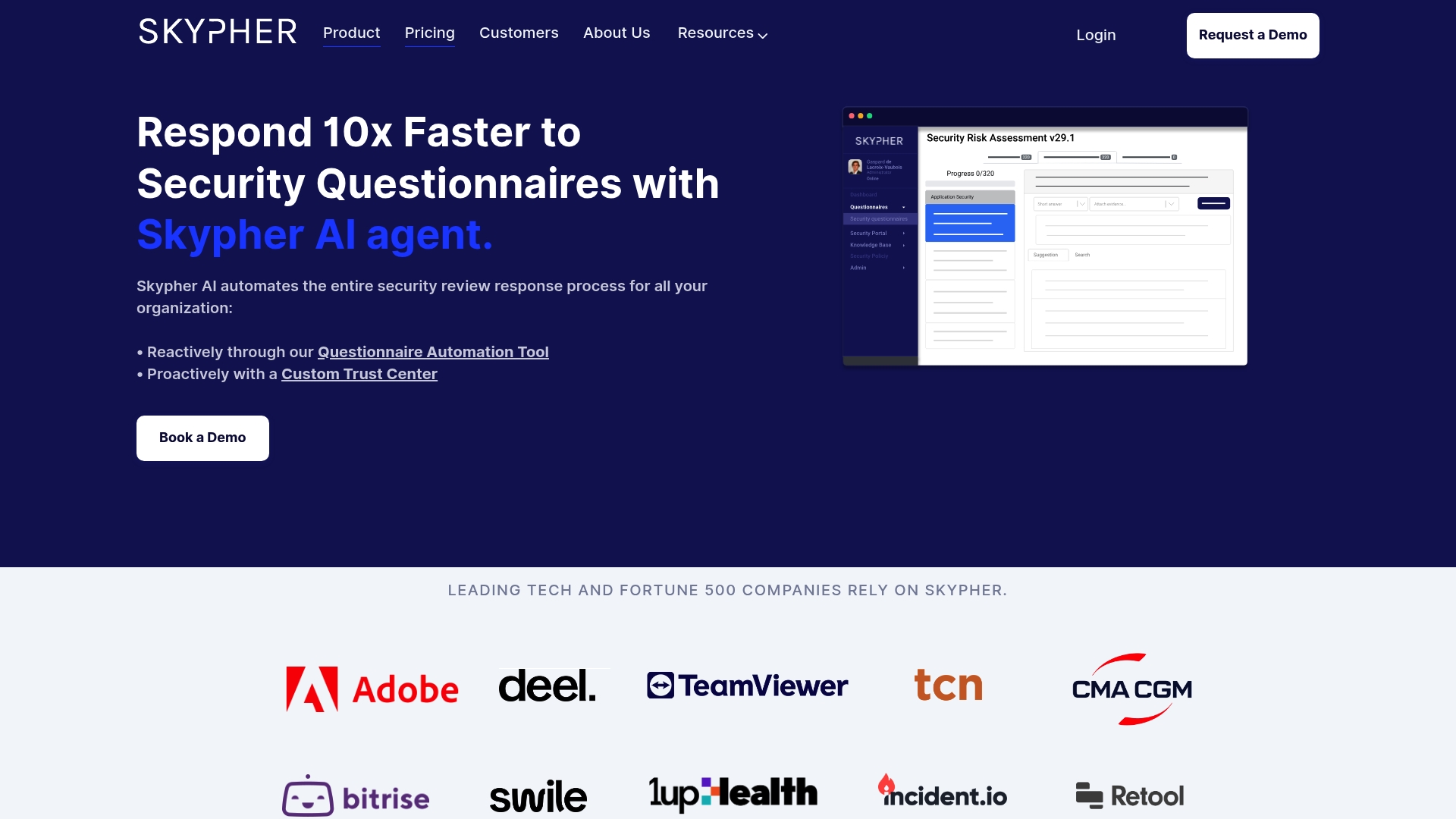
Let Skypher take the stress out of this process! Our AI-Powered Questionnaire Automation Tool allows you to streamline responses significantly faster, ensuring higher accuracy while promoting seamless collaboration among teams. With integrations across over 40 third-party risk management platforms, you can focus on what really matters—strengthening your security posture. Don't let compliance become a burden; instead, turn it into a competitive advantage. Visit Skypher now to see how you can transform your approach to security questionnaires and get ready to impress your QSAs with your newfound efficiency!