

The demand for cybersecurity professionals is skyrocketing—current estimates suggest a global shortfall of four million skilled workers. But here's the twist: many companies still struggle to understand the pivotal role of a SOC analyst amidst this growing urgency. The real surprise? It's not just about monitoring threats but building a proactive defense strategy that holds the key to organizational resilience. Discover why SOC analysts are becoming the unsung heroes of the cybersecurity landscape.
Understanding SOC Analyst Role
A Security Operations Center (SOC) analyst serves as the frontline defender in an organization's cybersecurity infrastructure. If you're wondering "what is a SOC analyst" in simple terms, think of them as digital security guards who monitor, detect, and respond to cybersecurity threats in real-time. The SOC analyst role has become increasingly critical as cyber threats continue to evolve in sophistication and frequency.
SOC Analyst Definition and Core Responsibilities
The SOC analyst meaning encompasses security professionals who work within a Security Operations Center - a dedicated facility where an organization's information systems are monitored, assessed, and defended. Their primary mission is to identify potential security incidents and mitigate them before they cause damage.
The core SOC analyst responsibilities include:
- Continuous monitoring of security tools, networks, and systems for suspicious activities
- Investigating security alerts and determining their severity and potential impact
- Documenting and responding to security incidents according to established procedures
- Implementing security measures to protect organizational infrastructure
According to research on effective Security Operations Centers, successful SOCs require a balance of skilled personnel, well-defined processes, and appropriate technological tools. The SOC analyst job description typically involves working with Security Information and Event Management (SIEM) systems to collect and analyze data from multiple sources.
What Does a SOC Analyst Do: Day-to-Day Activities
What does an SOC analyst do throughout a typical workday? Their activities vary based on the organization's size and security needs, but typically include:
- Reviewing security alerts generated by various monitoring tools
- Analyzing log data to identify potential security breaches
- Responding to and investigating detected threats
- Escalating serious security incidents to senior team members
- Updating security tools and implementing new detection rules
The cyber security SOC analyst works on the front lines of digital defense, often serving as the first responder when security incidents occur. They must maintain vigilance during their shifts, as cyber threats can emerge at any time. Many organizations maintain 24/7 SOC coverage, meaning analysts may work in shifts covering daytime, evening, and overnight hours.
SOC Analyst Requirements and Skills
If you're interested in how to become a SOC analyst, understanding the SOC analyst requirements is essential. Most positions require:
- A bachelor's degree in cybersecurity, computer science, or a related field
- Foundational knowledge of networks, operating systems, and security principles
- Familiarity with common attack vectors and defense strategies
- Experience with security tools and technologies
The essential SOC analyst skills include:
Technical Skills:
- Understanding of network protocols and security concepts
- Knowledge of SIEM tools and log analysis
- Familiarity with threat intelligence platforms
- Basic programming or scripting abilities
Soft Skills:
- Analytical thinking and problem-solving aptitude
- Excellent communication skills for incident reporting
- Ability to work under pressure during security incidents
- Detail-oriented mindset with strong documentation habits
The cyber SOC analyst role offers an excellent entry point into the cybersecurity field. With experience, SOC analysts can advance to senior analyst positions, specialize in specific security domains, or move into security management roles. The skills gained as a SOC analyst provide a solid foundation for a rewarding cybersecurity career.
Key Takeaways
| Takeaway | Explanation |
|---|---|
| SOC analysts are frontline defenders | SOC analysts play a crucial role in organizations by monitoring, detecting, and responding to cybersecurity threats in real time, functioning as the first line of defense in the cybersecurity infrastructure. |
| Continuous learning is essential | The rapidly evolving nature of cybersecurity means SOC analysts must continuously update their skills, including technical knowledge and soft skills, to effectively handle emerging threats and adapt to new technologies. |
| Practical experience is vital | Gaining practical experience through internships, cybersecurity boot camps, or entry-level IT roles is essential for aspiring SOC analysts to develop the hands-on skills necessary for the job. |
| Certifications enhance career prospects | Obtaining relevant certifications, like CompTIA Security+ or Certified SOC Analyst (CSA), validates skills and can significantly improve job prospects and earning potential in the field of cybersecurity. |
| Career advancement opportunities abound | Starting as a SOC analyst opens multiple pathways for career growth, including roles as senior analysts, security managers, or specialized security professionals in areas such as threat intelligence or incident response. |
Core Responsibilities and Daily Tasks
Understanding what a SOC analyst does on a day-to-day basis is crucial if you're considering this career path or working with security teams. The SOC analyst responsibilities are diverse and demanding, requiring both technical expertise and soft skills to effectively protect organizational assets.
Monitoring and Detection Activities
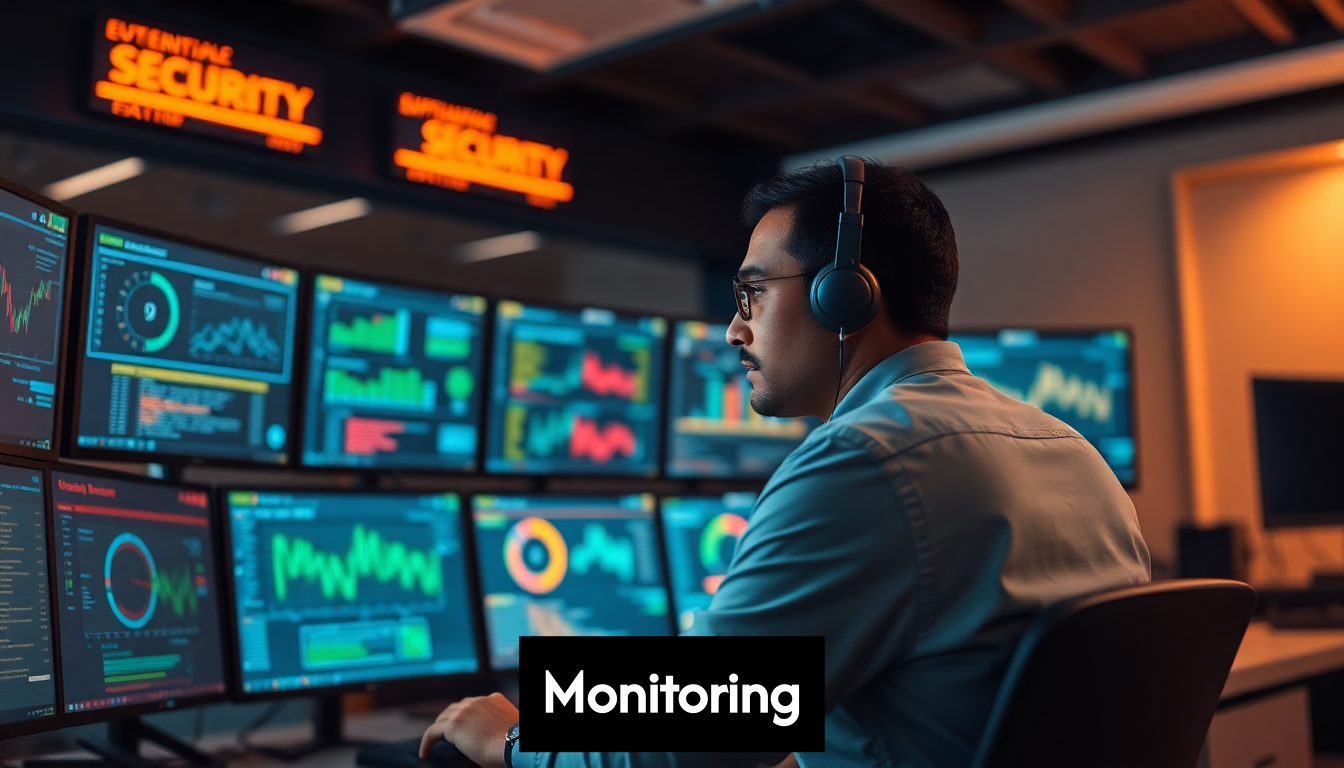
At the heart of the SOC analyst role is continuous vigilance. SOC analysts spend a significant portion of their day monitoring security systems and analyzing alerts. This involves:
- Reviewing alerts from SIEM (Security Information and Event Management) systems
- Analyzing network traffic patterns for anomalies
- Monitoring endpoint security solutions for potential compromise
- Evaluating firewall logs and other security tool outputs
Effective SOC analysts develop an intuition for distinguishing between routine alerts and genuine security incidents. This skill comes with experience and requires a deep understanding of what normal network behavior looks like for your organization.
As one SOC analyst put it, "The job isn't just about staring at screens waiting for red alerts. It's about actively hunting for subtle signs that something isn't quite right—the digital equivalent of noticing a slightly ajar window in a building that should be secure."
Incident Response and Investigation
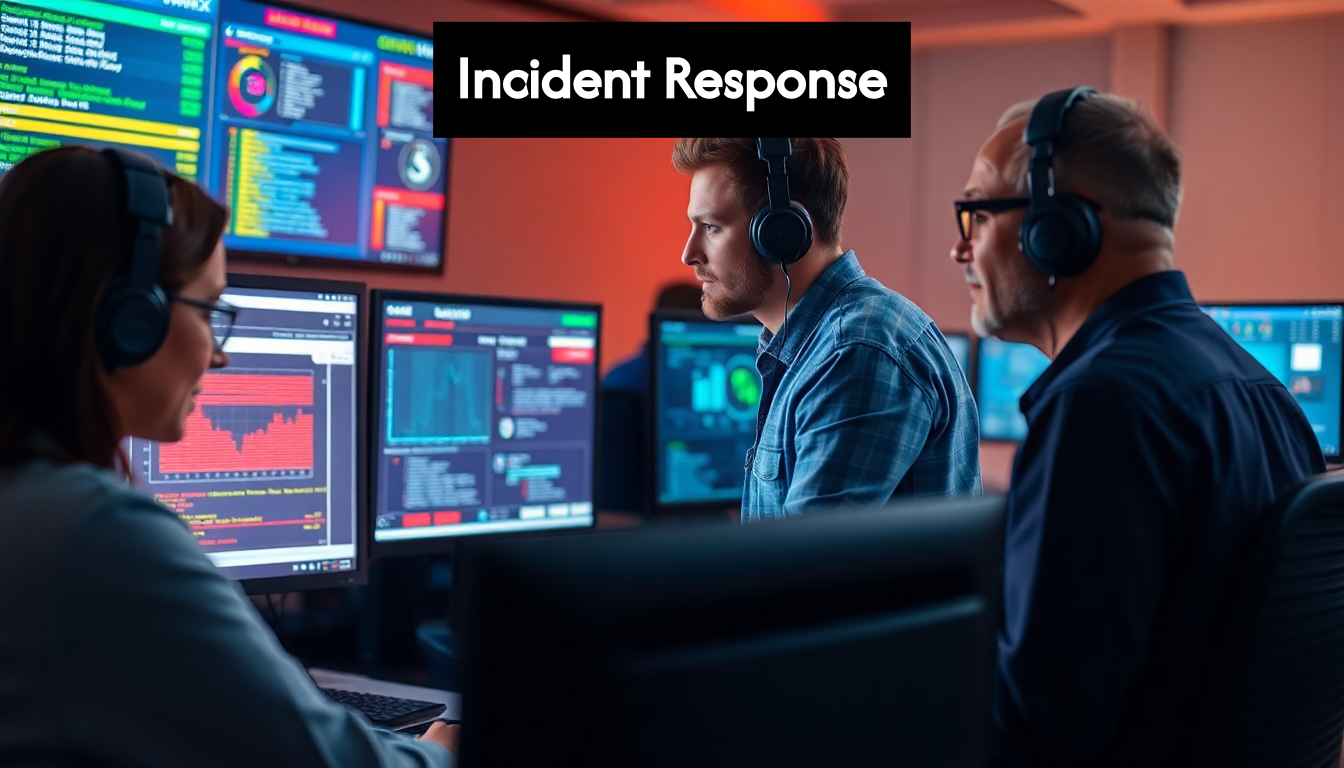
When security incidents occur, the SOC analyst job description includes being the first responder. This aspect of what a SOC analyst does involves:
- Triaging alerts to determine severity and potential impact
- Investigating the scope and nature of security incidents
- Containing threats to prevent lateral movement within systems
- Collecting and preserving evidence for later analysis
- Documenting incidents thoroughly for compliance and learning purposes
The cyber security SOC analyst must follow established incident response procedures while maintaining the flexibility to adapt to novel threats. According to research on cybersecurity roles and responsibilities, the ability to quickly analyze and respond to security incidents is one of the most critical skills in modern security operations.
Threat Intelligence and Analysis
Beyond responding to immediate threats, SOC analysts engage in proactive security work through threat intelligence and analysis. This includes:
- Researching emerging threat vectors and attack techniques
- Analyzing malware samples in isolated environments
- Staying current with security bulletins and vulnerability announcements
- Correlating threat intelligence with internal security data
This aspect of the SOC analyst meaning extends beyond reactive security to include predictive and preventative measures. By understanding the tactics, techniques, and procedures (TTPs) of threat actors, SOC analysts can better prepare defenses against future attacks.
Reporting and Communication
The SOC analyst responsibilities extend to clear communication about security status. On a typical day, a SOC analyst might:
- Create detailed incident reports for management and technical teams
- Update dashboards reflecting current security posture
- Communicate with stakeholders about ongoing investigations
- Collaborate with other security team members on complex cases
Effective communication is essential in the SOC analyst role, as security incidents often require coordinated responses across multiple departments. Being able to translate technical findings into actionable insights for non-technical stakeholders is a valuable skill that distinguishes exceptional SOC analysts.
System Maintenance and Improvement
Finally, SOC analysts contribute to the ongoing enhancement of security operations by:
- Fine-tuning detection rules to reduce false positives
- Updating security tools with the latest signatures and patches
- Participating in the evaluation of new security technologies
- Contributing to the development of security playbooks and procedures
These maintenance activities ensure that the security operations center remains effective against evolving threats. The SOC analyst job requirements often include the ability to continuously learn and adapt as both defensive technologies and attack methodologies advance.
By understanding these core responsibilities, you gain insight into what is a SOC analyst's true value to an organization—creating a human-driven defense system that protects critical assets while enabling business operations to continue securely.
Essential Skills and Qualifications
To become a SOC analyst, you'll need a specific blend of technical capabilities and soft skills. Understanding the SOC analyst requirements will help you determine if this cybersecurity career path aligns with your interests and abilities, or if you need additional training before pursuing this role.
Technical Knowledge and Expertise
The foundation of what is SOC analyst work rests on solid technical knowledge. Employers typically expect the following technical qualifications:
Network Security Understanding
A comprehensive grasp of network protocols, architecture, and security principles is fundamental. SOC analysts must understand how traffic flows through networks, recognize normal patterns, and identify anomalies that might indicate a breach.
Security Tool Proficiency
Practical experience with security technologies is crucial for SOC analyst job requirements. This includes:
- SIEM platforms (Splunk, LogRhythm, QRadar)
- Intrusion detection/prevention systems (IDS/IPS)
- Endpoint detection and response (EDR) solutions
- Firewall systems and configurations
- Vulnerability scanners
Operating System Knowledge
SOC analysts need familiarity with various operating systems, particularly Windows and Linux. Understanding system logs, user permissions, and common security configurations across different platforms enables more effective threat detection.
Threat Intelligence
The ability to gather, analyze, and apply threat intelligence is central to the SOC analyst meaning in modern cybersecurity. This includes understanding current attack methodologies, threat actor behaviors, and staying current with emerging vulnerabilities.
Programming and Scripting
While not always required for entry-level positions, basic programming knowledge (Python, PowerShell, Bash) enhances your effectiveness as a SOC analyst by enabling custom automation of routine tasks and more sophisticated threat hunting capabilities.
According to research on core employability skills, digital literacy combined with problem-solving capabilities are among the most valued skills in technical roles like SOC analysts.
Certifications for SOC Analysts
Formal certifications validate your knowledge and demonstrate commitment to the field. The most valuable certifications for someone wondering how to become a SOC analyst include:
| Certification | Focus Area | Value to SOC Analysts |
|---|---|---|
| CompTIA Security+ | Foundational security concepts | Entry-level credential establishing basic knowledge |
| SANS GIAC Security Essentials (GSEC) | Practical security administration | Demonstrates hands-on security skills |
| Certified SOC Analyst (CSA) | SOC-specific operations | Directly aligned with SOC analyst responsibilities |
| EC-Council Certified Security Analyst | Penetration testing fundamentals | Understanding attack methodologies |
| Certified Information Systems Security Professional (CISSP) | Broad security knowledge | Advanced credential for career growth |
For entry-level positions, CompTIA Security+ often meets the minimum SOC analyst requirements, while senior roles might expect more advanced certifications.
Soft Skills and Personal Attributes
Beyond technical capabilities, effective cyber security SOC analysts possess crucial soft skills that enable them to function well under pressure and collaborate with teams:
Analytical Thinking
The ability to methodically analyze complex data, recognize patterns, and make logical connections between seemingly disparate events is essential for threat investigation.
Attention to Detail
Cyber threats often reveal themselves through subtle indicators. The what is a SOC analyst role demands meticulous attention to small details that might signal a security incident amid normal system noise.
Communication Skills
SOC analysts must clearly communicate technical findings to both technical and non-technical stakeholders. This includes writing detailed incident reports and explaining security concepts in accessible language.
Stress Management
During active security incidents, SOC analysts work under significant pressure. The ability to remain calm, focused, and methodical when responding to threats is invaluable.
Continuous Learning Mindset
The cybersecurity landscape evolves rapidly. Successful SOC analysts continuously update their knowledge of threats, defensive techniques, and security technologies.
Teamwork
SOC analyst responsibilities often involve collaboration with other security team members and IT staff. The ability to work effectively as part of a team, especially during incident response, is crucial.
Education Requirements
Most SOC analyst job descriptions request formal education, typically including:
- Bachelor's degree in Cybersecurity, Computer Science, IT, or related field
- Equivalent practical experience (particularly for candidates with strong certifications)
- Specialized cybersecurity bootcamps or training programs (increasingly accepted alternatives)
For those wondering what is an SOC analyst's career path, it's worth noting that continuing education remains important throughout your career. As you progress from entry-level positions to more senior SOC roles or specialized security positions, ongoing learning through advanced certifications and specialized training becomes essential.
By developing this combination of technical skills, certifications, soft skills, and educational qualifications, you'll position yourself competitively for SOC analyst roles across industries seeking to strengthen their cybersecurity posture.
Training and Certification Options
If you're interested in pursuing a career as a SOC analyst, training and certification are crucial steps in your journey. The global cybersecurity skills shortage—estimated at approximately four million professionals according to research on cybersecurity training—means qualified SOC analysts are in high demand. This section explores how to become a SOC analyst through various educational pathways and certifications.
Academic Pathways
Academic education provides a solid foundation in cybersecurity principles and can be an excellent starting point for those wondering what is a SOC analyst career path. Consider these formal education options:
Degree Programs
A bachelor's degree in one of these fields can satisfy many SOC analyst job requirements:
- Cybersecurity
- Computer Science
- Information Technology
- Computer Engineering
- Network Security
Many universities now offer specialized cybersecurity programs that include coursework aligned with SOC analyst responsibilities, including network defense, threat analysis, and incident response. Some programs even incorporate hands-on experience through cyber ranges or simulated environments where students can practice defending against simulated attacks.
Specialized Certificates
Many colleges and universities offer certificate programs focused specifically on security operations. These programs typically require less time than a full degree and focus intensively on the practical skills needed for SOC analyst roles.
Professional Certifications
Industry certifications validate your skills and knowledge in specific areas relevant to what a SOC analyst does. Different certifications are appropriate depending on your experience level.
Entry-Level Certifications
If you're new to cybersecurity and wondering how to be a SOC analyst, these certifications provide a solid starting point:
- CompTIA Security+: Covers fundamental security concepts and is often considered the minimum certification for entry-level SOC positions
- GIAC Information Security Fundamentals (GISF): Provides basic knowledge of security concepts and practical skills
- Certified SOC Analyst (CSA): Specifically designed for SOC analysts, covering monitoring, detection, and response
Intermediate Certifications
As you gain experience and seek to advance your understanding of what is SOC analyst work:
- SANS GIAC Security Essentials (GSEC): Demonstrates hands-on security skills beyond the basics
- Certified Information Systems Security Professional (CISSP): Broad certification covering multiple security domains (typically requires 5 years of experience)
- EC-Council Certified Security Analyst (ECSA): Focuses on assessment and penetration testing methodologies
Specialized Certifications
These certifications enhance specific skills relevant to SOC analyst responsibilities:
- GIAC Certified Incident Handler (GCIH): Focuses on detecting and responding to security incidents
- Splunk Core Certified User/Power User: For proficiency in one of the most common SIEM platforms
- Certified Threat Intelligence Analyst (CTIA): Focuses on threat intelligence analysis
Practical Skills Development
Theoretical knowledge alone isn't sufficient for SOC analyst requirements. Developing practical skills is essential for understanding what is an SOC analyst's day-to-day responsibilities.
Cybersecurity Boot Camps
Intensive boot camps compress cybersecurity training into weeks or months rather than years. Many focus specifically on SOC analyst skills including:
- Security monitoring tools and techniques
- Threat detection and analysis
- Incident response procedures
- Log analysis and SIEM operation
Hands-On Labs and Cyber Ranges
Practice environments allow you to develop and test your skills in realistic scenarios:
- Virtual labs: Platforms like TryHackMe and HackTheBox offer security challenges and learning paths
- Capture The Flag (CTF) competitions: Security challenges that test your ability to identify and exploit vulnerabilities
- Home labs: Building your own security testing environment using virtual machines
Self-Paced Online Courses
Platforms offering cybersecurity courses relevant to SOC analyst meaning and skills include:
- Coursera
- Udemy
- LinkedIn Learning
- SANS Online Training
Building a Learning Pathway
When planning how to become a SOC analyst, consider this progressive learning approach:
- Begin with fundamental IT and networking knowledge (CompTIA Network+ can be helpful)
- Pursue basic security certification (Security+)
- Gain hands-on experience through labs, CTFs, or internships
- Obtain SOC-specific training and certification
- Continuously develop specialized skills in areas like threat hunting or malware analysis
The cyber SOC analyst role requires continuous learning as threats and technologies evolve. Successful professionals dedicate time to ongoing education through webinars, conferences, and additional certifications.
Gaining Initial Experience
One challenge for aspiring SOC analysts is gaining that first practical experience. Consider these approaches:
- Internships: Many organizations offer cybersecurity internships where you can gain exposure to SOC operations
- Help desk or IT support roles: Entry-level IT positions can provide foundational experience and potential internal mobility
- Volunteer work: Nonprofit organizations sometimes need security assistance
- Personal projects: Document security projects on GitHub or a personal blog to demonstrate your skills
By combining formal education, professional certifications, and practical experience, you'll build a strong foundation for a career as a SOC analyst. Remember that the cybersecurity field values skills and knowledge over credentials alone, so focus on developing practical abilities that demonstrate your understanding of what a SOC analyst does in real-world situations.
Salary Insights and Career Opportunities
If you're exploring what is SOC analyst work as a potential career path, understanding the compensation landscape and growth opportunities is essential. The cybersecurity field offers compelling financial incentives alongside substantial professional development possibilities.
SOC Analyst Salary Ranges
SOC analyst salaries vary based on experience level, location, industry, and specialized skills. As of 2023, here's what you can expect at different career stages:
Entry-Level SOC Analyst (0-2 years experience)
Entry-level positions typically range from $55,000 to $75,000 annually. These roles focus on basic monitoring, alert triage, and following established procedures under supervision. The SOC analyst job requirements at this level usually include foundational certifications like CompTIA Security+ and basic technical knowledge.
Mid-Level SOC Analyst (2-5 years experience)
With a few years of experience and demonstrated proficiency in SOC operations, salaries typically range from $75,000 to $95,000. At this stage, the SOC analyst responsibilities expand to include more independent investigation, threat hunting, and contributing to security procedure development.
Senior SOC Analyst (5+ years experience)
Senior analysts with extensive SOC experience can earn between $95,000 and $125,000. The senior SOC analyst role often involves mentoring junior team members, leading incident response efforts, and contributing to strategic security initiatives.
According to research on compensation data systems, about 74% of job seekers prioritize salary information when evaluating potential positions, making transparency about compensation increasingly important in the cybersecurity job market.
Geographic and Industry Variations
What does a SOC analyst make in different locations? Geographic location significantly impacts compensation:
| Region | Salary Premium |
|---|---|
| San Francisco/Silicon Valley | +25-40% |
| New York City | +20-30% |
| Washington D.C. | +15-25% |
| Chicago | +10-15% |
| Remote positions | Varies widely |
Industry also plays a major role in determining compensation. Financial services, healthcare, and technology companies typically offer higher-than-average salaries for SOC analysts due to their sensitive data and regulatory requirements. Government positions may offer lower base salaries but often compensate with excellent benefits and job stability.
Career Advancement Paths
The SOC analyst role serves as an excellent entry point into the cybersecurity field with multiple advancement paths. Understanding what is a SOC analyst's career trajectory can help you plan your professional development:
Within the SOC
- SOC Analyst (Tiers 1-3, with increasing responsibility)
- Senior SOC Analyst
- SOC Team Lead
- SOC Manager
- Security Operations Director
Specialized Security Roles
- Threat Hunter
- Malware Analyst
- Incident Responder
- Digital Forensics Specialist
- Threat Intelligence Analyst
Broader Cybersecurity Careers
- Security Architect
- Penetration Tester
- Security Consultant
- Chief Information Security Officer (CISO)
Many professionals who start in SOC analyst roles develop specialized expertise in particular areas that interest them, such as malware analysis or threat intelligence. This specialization often leads to higher compensation and more focused work.
Factors That Influence Earning Potential
Several factors can significantly impact your earning potential as you build your SOC analyst career:
Certifications
Advanced certifications like CISSP, GIAC Certified Incident Handler, or Offensive Security certifications can increase your market value by 10-15%.
Specialized Skills
Developing expertise in high-demand areas can significantly boost your earnings potential:
- Cloud security monitoring
- Threat hunting methodologies
- Automation and scripting for security operations
- Advanced SIEM configuration and customization
- Machine learning for security analytics
Industry Knowledge
Developing domain expertise in specific industries like healthcare, finance, or critical infrastructure can make you particularly valuable to employers in those sectors who need security professionals who understand their unique regulatory requirements and threats.
Job Market Outlook
The cyber security SOC analyst job market continues to show strong growth. Key trends include:
- Persistent global cybersecurity skills shortage driving competition for qualified analysts
- Increasing adoption of security operations centers across industries
- Growth in managed security service providers (MSSPs) creating additional job opportunities
- Remote SOC analyst positions becoming more common, expanding geographic opportunities
The SOC analyst job description continues to evolve as technologies change, but the fundamental skills remain in high demand. Organizations increasingly recognize that effective security operations require skilled human analysts alongside automated systems.
Maximizing Your Earning Potential
To maximize your earnings as a SOC analyst:
- Continuously update your technical skills, particularly in emerging areas like cloud security monitoring
- Pursue advanced certifications that validate your expertise
- Develop soft skills like communication and leadership alongside technical abilities
- Consider geographic mobility for higher-paying opportunities
- Build a professional network through industry events and online communities
Understanding what does an SOC analyst do at different career stages will help you identify the skills and experiences you need to advance. By strategically planning your professional development and staying current with evolving security technologies, you can build a rewarding and financially sustainable career in security operations.
Frequently Asked Questions
What is a SOC analyst?
A SOC analyst is a cybersecurity professional responsible for monitoring, detecting, and responding to security threats in real-time within a Security Operations Center (SOC). They serve as the first line of defense against cyber incidents.
What are the main responsibilities of a SOC analyst?
SOC analysts continuously monitor security tools for suspicious activities, investigate security alerts, document incidents, and implement security measures to safeguard organizational infrastructure.
What skills do you need to become a SOC analyst?
To become a SOC analyst, you need technical skills in network security, SIEM tools, and operating systems, as well as soft skills like analytical thinking, attention to detail, and effective communication.
What qualifications are required for a SOC analyst role?
Most SOC analyst positions require a bachelor's degree in cybersecurity, computer science, or a related field, along with foundational knowledge of security principles and relevant experience or certifications, such as CompTIA Security+.
Elevate Your Cybersecurity Game with Streamlined Solutions
In the ever-evolving landscape of cybersecurity threats, having a robust defense strategy is paramount. As highlighted in our guide on SOC analysts, organizations face the challenge of constant monitoring and swift response to potential security incidents. However, this can often lead to overwhelming manual processes when handling security questionnaires, which are crucial for effective risk management.
!
What if you could simplify this process? With Skypher’s AI Questionnaire Automation Tool, you can drastically reduce the time and effort needed for security reviews. Our platform integrates seamlessly with over 40 third-party risk management tools, allowing you to respond to security questionnaires with higher accuracy and improve collaboration among your teams. Don’t let tedious tasks hold you back—empower your cybersecurity team to focus on defending against threats, not drowning in paperwork.
Start transforming your cybersecurity operations today! Visit Skypher and optimize your security questionnaire process now.