

Understanding SOC Reports: What is SOC Report and Its Core Elements
A SOC (System and Organization Controls) report is an independent, third-party assessment that validates an organization's internal controls related to security, availability, processing integrity, confidentiality, and privacy. These reports, established by the American Institute of Certified Public Accountants (AICPA), serve as critical verification tools for service organizations handling sensitive client data.
SOC reports provide objective evidence that a service provider maintains effective controls and safeguards when processing client information. They're particularly valuable for businesses using cloud services, payment processors, data centers, or any third-party vendor managing critical operations.
According to Mimecast, SOC reports demonstrate a service organization's commitment to legal and ethical data handling practices, building trust with clients and stakeholders.
Core elements of SOC reports include:
- Independent Service Auditor's Opinion - The auditor's assessment of control effectiveness
- Management Assertion - The service organization's responsibilities statement
- Description of Systems - Detailed explanation of services and control environment
- Control Objectives/Trust Service Criteria - Specific objectives being tested
- Test Procedures and Results - Methodology and findings from control testing
SOC reports have evolved from earlier SAS 70 standards to become a comprehensive framework for evaluating service organization controls in increasingly complex digital ecosystems.
Key Takeaways
| Takeaway | Explanation |
|---|---|
| SOC Reports Validate Controls | SOC reports assess an organization's internal controls for security, availability, processing integrity, confidentiality, and privacy, providing objective evidence of effective safeguards. |
| Different Types of SOC Reports | There are three main types of SOC reports (SOC 1, SOC 2, SOC 3), each serving distinct compliance and security needs, depending on the nature of the organization's services. |
| Importance of Third-party Validation | The independent nature of SOC reports builds trust with clients and stakeholders, significantly enhancing credibility and competitive positioning. |
| Audit Preparation is Crucial | Proper preparation is essential to successfully navigating the SOC audit process, with common pitfalls arising from insufficient readiness. |
| Continuous Improvement | Organizations should view SOC audits as opportunities for ongoing improvement rather than just compliance exercises, integrating findings into broader business processes. |
Comparing SOC Report Types: SOC 1, SOC 2, and SOC 3 Explained
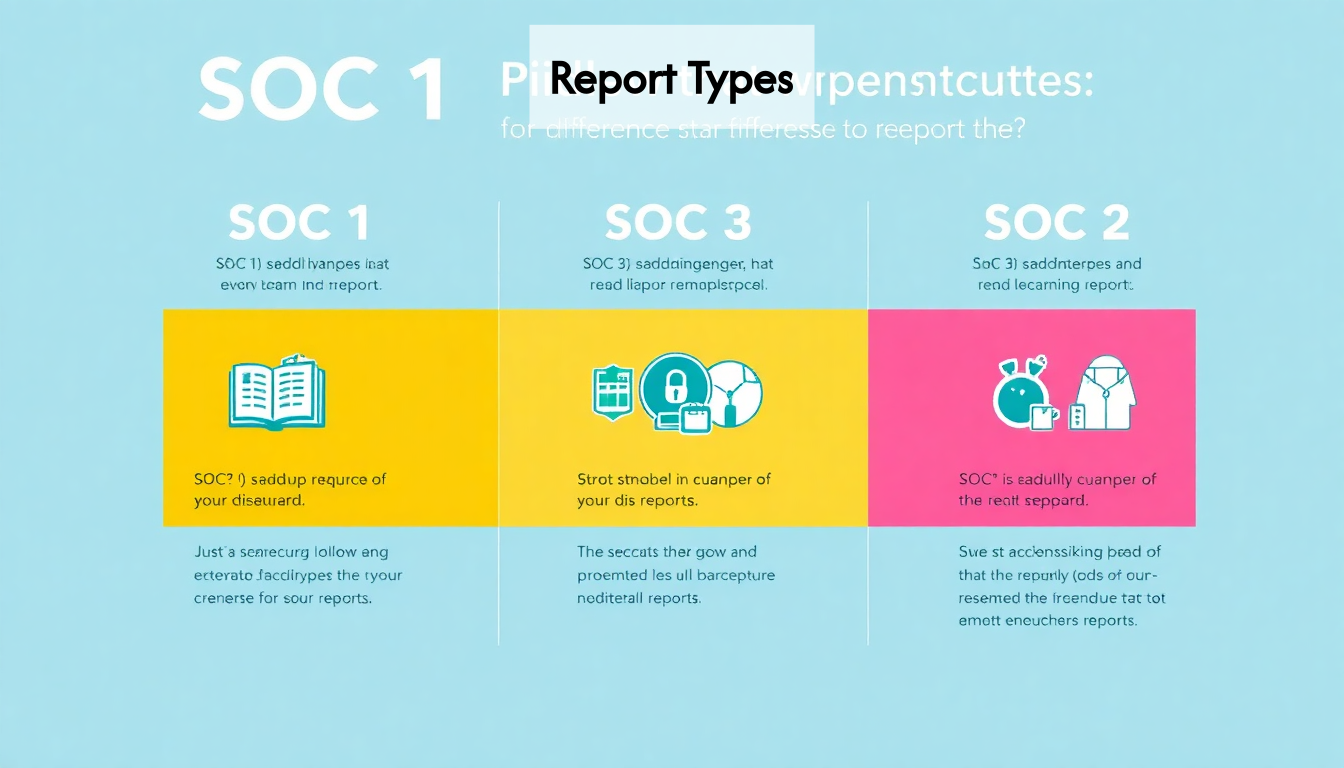
Understanding what is SOC report requires familiarity with the three primary types of SOC reports, each serving different compliance and security objectives:
SOC 1 Reports focus specifically on internal controls over financial reporting (ICFR). These reports are crucial for service organizations that impact their clients' financial statements, such as payment processors, loan servicers, and payroll companies. SOC 1 adheres to the SSAE 18 standard and addresses how your organization's controls affect the accuracy of your clients' financial data.
According to Insight Assurance, SOC 2 Reports evaluate controls relevant to the Trust Services Criteria (TSC), which include:
- Security (required for all SOC 2 reports)
- Availability
- Processing integrity
- Confidentiality
- Privacy
SOC 2 reports are ideal for technology service providers, SaaS companies, cloud computing vendors, and any organization handling sensitive customer data. These reports demonstrate the effectiveness of non-financial controls and are often requested during vendor assessments.
SOC 3 Reports contain similar subject matter as SOC 2 but are designed for public distribution. They provide a high-level summary without the technical details found in SOC 2 reports, making them suitable for marketing purposes and general assurance to stakeholders.
Each report type also comes in two variations:
- Type 1: Evaluates the design of controls at a specific point in time
- Type 2: Assesses both design and operating effectiveness over a period (typically 6-12 months)
The right SOC report for your organization depends on your service offerings, client requirements, and compliance needs.
The Strategic Value of SOC Reports: Enhancing Trust, Security, and Compliance
For service organizations handling sensitive client data, SOC reports provide far more than regulatory checkboxes—they deliver substantial strategic advantages in today's security-conscious business landscape.
SOC reports establish credibility and trust with clients, partners, and stakeholders by demonstrating commitment to rigorous security standards and operational excellence. This third-party validation significantly reduces the friction in sales cycles and partnership discussions.
The business value of obtaining SOC reports includes:
- Competitive differentiation in crowded markets where security credentials increasingly influence purchasing decisions
- Streamlined client onboarding by reducing the need for custom security questionnaires and evaluations
- Risk reduction through systematic identification and remediation of control weaknesses
- Operational improvements resulting from the thorough assessment of internal processes
- Increased market access to highly regulated industries like healthcare and finance
According to BitSight Technologies, SOC 2 compliance specifically has become a key vendor evaluation metric in third-party risk management programs. Organizations increasingly require SOC reports from their service providers before establishing business relationships.
The strategic value extends beyond external relationships. The SOC audit process itself drives internal accountability and creates a security-focused culture across departments. It establishes clear ownership of control activities and provides a framework for continuous improvement of security posture.
Navigating the SOC Audit Process: Key Preparation Steps and Best Practices
Successful SOC report attestation requires thorough preparation and strategic execution. The audit process demands significant resources, but with proper planning, organizations can streamline the experience and maximize value from their SOC compliance efforts.
Approximately 40% of organizations fail their first SOC audit due to inadequate preparation, according to research shared by compliance experts. This underscores the importance of a methodical approach to SOC readiness.
Key preparation steps for a successful SOC audit include:
- Scope definition: Clearly identify which systems, services, and locations will be covered in the assessment
- Gap analysis: Conduct a pre-assessment to identify control deficiencies before the formal audit begins
- Control documentation: Develop comprehensive documentation of all controls, policies, and procedures
- Evidence collection system: Establish efficient mechanisms for gathering and organizing audit evidence
- Staff training: Ensure all team members understand their roles in maintaining and demonstrating controls
Best practices for navigating the SOC audit process include designating a dedicated compliance leader who serves as the primary point of contact for auditors and coordinates internal resources. Establishing a centralized repository for control documentation and evidence significantly improves audit efficiency.
When selecting an audit firm, prioritize those with industry-specific experience relevant to your service organization. Their specialized knowledge will provide valuable insights during the assessment process and enhance the quality of your SOC report.
Most importantly, view the SOC audit as an opportunity for organizational improvement rather than merely a compliance exercise. The insights gained through this rigorous evaluation often reveal operational efficiencies and security enhancements that deliver business value beyond compliance requirements.
Interpreting SOC Report Results: Turning Findings into Strategic Business Improvements
When you receive your SOC report, understanding what is SOC report analysis and how to leverage findings is crucial for maximizing the return on your compliance investment. A SOC report is not merely a static compliance document but a valuable business tool that can drive organizational improvements.
According to Compass IT Compliance, SOC audits don't result in simple pass/fail outcomes but rather identify control deficiencies ranging from minor issues to material weaknesses. The true value comes from how organizations respond to and address these findings.
Effective interpretation of SOC report results involves:
- Prioritizing findings based on risk severity, business impact, and remediation complexity
- Root cause analysis to address underlying issues rather than symptoms
- Cross-functional collaboration between IT, security, operations, and business units
- Transparent communication with stakeholders about findings and remediation plans
- Implementation of control improvements that strengthen overall security posture
Strategic organizations leverage SOC report findings to drive broader business improvements beyond compliance. For example, noted control weaknesses in access management might inspire enterprise-wide identity governance initiatives. Similarly, findings related to change management can prompt automation that improves development efficiency while strengthening controls.
The most successful organizations integrate SOC findings into their continuous improvement cycles, establishing metrics to track remediation progress and mature control effectiveness over time. This approach transforms compliance from a periodic assessment into an ongoing driver of operational excellence.
When presenting SOC report results to executives and stakeholders, focus on business impact rather than technical details. Connect findings to strategic priorities and demonstrate how addressing these issues supports organizational objectives beyond compliance requirements.
Staying Ahead: Future Trends and Continuous Improvement in SOC Reporting
The landscape of SOC reporting continues to evolve in response to emerging technologies, shifting regulatory environments, and changing business priorities. Organizations seeking to maximize the value of their SOC reports must stay attuned to these developments while pursuing continuous improvement in their compliance approaches.
Key trends shaping the future of SOC reporting include:
- Integration of AI and automation in control testing and evidence collection, reducing the manual burden of compliance while increasing assessment accuracy
- Expansion of cloud security controls as organizations migrate more critical systems to cloud environments
- Enhanced focus on supply chain security within SOC frameworks, acknowledging the growing risks from third and fourth-party dependencies
- Continuous compliance monitoring replacing point-in-time attestations with real-time control validation
- Increasing alignment with other frameworks like NIST, ISO, and industry-specific standards to streamline compliance efforts
According to Blackpoint Cyber, modern security operations centers are adopting continuous monitoring approaches and threat intelligence integration that will likely influence future SOC report requirements and methodologies.
To implement continuous improvement in your SOC reporting program:
- Establish metrics to track control effectiveness and audit efficiency
- Conduct regular self-assessments between formal audit cycles
- Monitor regulatory developments and industry best practices
- Incorporate lessons from each audit into your preparation for the next cycle
- Leverage technology to automate evidence collection and control testing
Progressive organizations are shifting from viewing SOC compliance as an annual project to treating it as an ongoing program with dedicated resources and executive sponsorship. This approach not only improves audit outcomes but also ensures that security and compliance considerations are embedded throughout business operations rather than addressed retroactively.
Frequently Asked Questions
What is a SOC report?
A SOC (System and Organization Controls) report is an independent assessment that evaluates an organization’s internal controls related to security, availability, processing integrity, confidentiality, and privacy, providing objective evidence about the effectiveness of those controls.
What are the different types of SOC reports?
There are three main types of SOC reports: SOC 1, SOC 2, and SOC 3. SOC 1 focuses on internal controls over financial reporting, SOC 2 evaluates controls related to the Trust Services Criteria, and SOC 3 is a public report that provides a high-level summary of the SOC 2 findings.
Why are SOC reports important for businesses?
SOC reports build trust with clients and stakeholders by providing third-party validation of an organization’s commitment to security and compliance. They help streamline client onboarding, reduce risk, and enhance competitive positioning in the market.
How can organizations prepare for a SOC audit?
Organizations should define the scope of the audit, conduct a gap analysis, document all controls, establish evidence collection systems, and provide staff training to ensure an effective and efficient audit process.
Elevate Your SOC Reporting Game with Skypher
Navigating the complexities of SOC reports can be daunting—especially for organizations striving for compliance and operational excellence. As highlighted in the guide, SOC audits demand thorough preparation, revealing vulnerabilities that could otherwise threaten your organization's integrity and client trust. The pressure to deliver accurate, timely responses to security questionnaires can overwhelm teams, causing critical delays and missed opportunities.
But what if you could transform your SOC journey from a compliance headache into a streamlined process? With Skypher’s AI-driven Questionnaire Automation Tool, you can complete your security reviews with unmatched speed and accuracy. Experience real-time collaboration and seamless integration with over 40 third-party risk management platforms, empowering your team to not only meet compliance requirements but also enhance your cybersecurity posture proactively.
Are you ready to turn compliance into your competitive advantage? Take control of your security questionnaire responses today and elevate client relations with Skypher! Don’t let inefficiencies hold you back—visit Skypher and discover how our platform can revolutionize your security processes, ensuring you stand out in today's cyber-conscious market.