
Vulnerability scanning is not just another tech buzzword—it's a critical line of defense in today’s cyber landscape, where successful attacks have increased by over 50% in the last year alone. But here's the twist: many organizations think installing a vulnerability scanner is enough for security. They couldn't be more wrong. The true power lies in understanding and integrating vulnerability scanning into a comprehensive cybersecurity strategy, ensuring that weaknesses are proactively identified and ironed out before cybercriminals can exploit them.
Understanding Vulnerability Scanning Basics
Vulnerability scanning is a crucial component of modern cybersecurity practices. But what exactly does it entail? At its core, vulnerability scanning is a systematic process that identifies, analyzes, and reports on security weaknesses in your systems, applications, and networks. Think of it as a health check-up for your digital infrastructure—proactively identifying potential issues before they can be exploited by malicious actors.
What Is a Vulnerability Scanner and How Does It Work?
A vulnerability scanner is specialized software designed to assess computers, networks, and applications for known security weaknesses. These automated tools work by comparing your systems against extensive databases of known vulnerabilities, including common configuration errors, missing patches, and security flaws.
The scanning process typically follows a structured approach:
- Discovery - The scanner identifies all devices, systems, and applications on your network
- Enumeration - It gathers detailed information about each asset
- Vulnerability detection - The scanner compares findings against vulnerability databases
- Risk assessment - Identified vulnerabilities are prioritized based on severity
According to RedLegg security experts, vulnerability scanners use databases of known security flaws to systematically check your network, generating reports that highlight risks and prioritize remediation efforts based on potential impact.
Types of Vulnerability Scanning
Vulnerability scanning isn't a one-size-fits-all solution. Different environments and security requirements call for specific approaches to scanning for vulnerabilities:
Network vulnerability scans focus on identifying weaknesses in your network infrastructure, including firewalls, routers, and switches. These scans help detect misconfigurations, outdated firmware, and other network-level vulnerabilities.
Host-based vulnerability scans target individual computers and servers, checking operating systems, installed applications, and local configurations for security gaps.
Web application scans specifically test websites and web applications for vulnerabilities like SQL injection, cross-site scripting (XSS), and authentication flaws.
Database scans examine database management systems for misconfigurations, weak passwords, and other security issues that could compromise sensitive data.
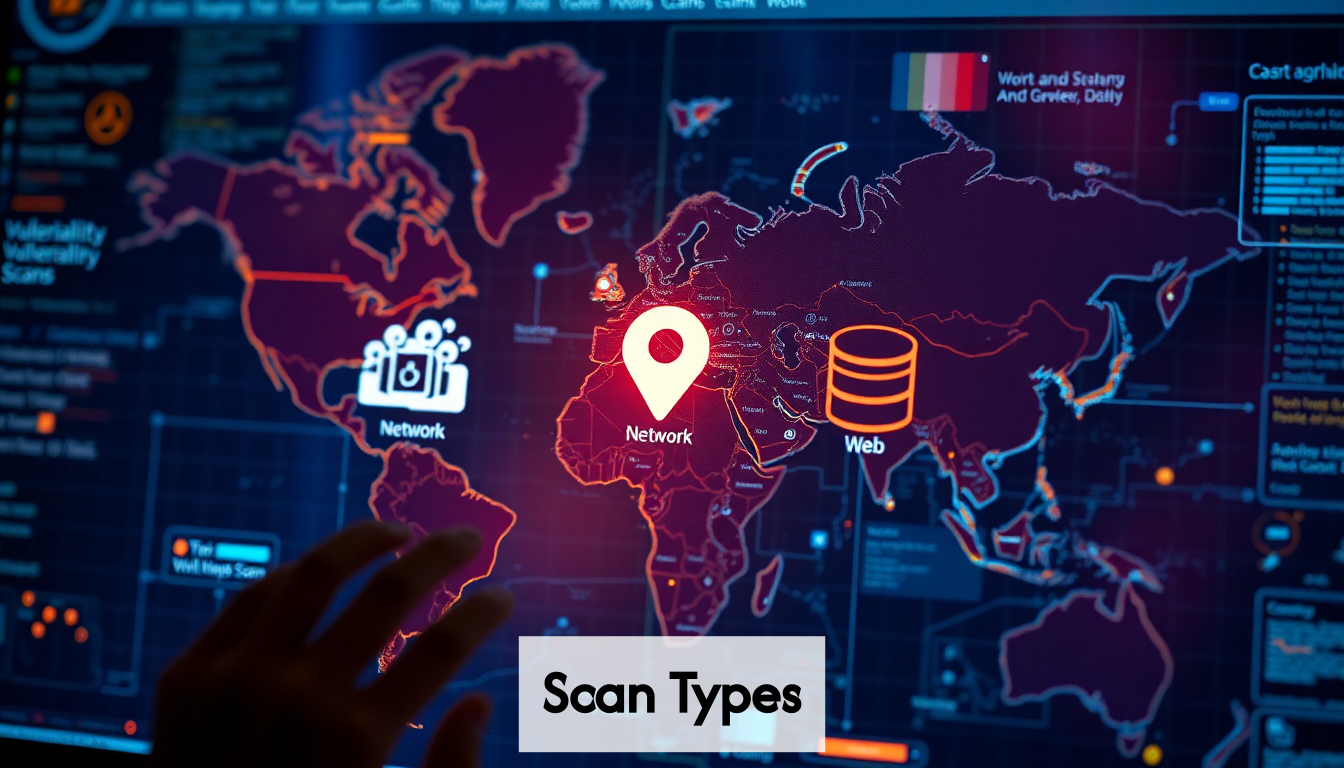
Understanding these different scan types allows you to implement a comprehensive vulnerability scanning program tailored to your organization's specific needs and risk profile.
The Role of Vulnerability Scanning in Cybersecurity
Vulnerability scanning plays a vital role in a robust cybersecurity strategy. When integrated into your regular security practices, vulnerability scanning helps:
- Identify security weaknesses before attackers can exploit them
- Provide a comprehensive view of your security posture
- Guide prioritization of security remediation efforts
- Support compliance with regulatory requirements
- Validate the effectiveness of security controls
Regular security vulnerability scanning is no longer optional for organizations serious about protecting their digital assets. As cyber threats continue to evolve in sophistication, implementing systematic vulnerability scanning has become a fundamental security practice rather than a luxury.
By understanding what vulnerability scanners are and how they work, you can better leverage these tools to strengthen your overall security posture and reduce your organization's risk of falling victim to preventable cyber attacks.
Key Takeaways
| Takeaway | Explanation |
|---|---|
| Vulnerability scanning is essential for proactive security | Regular scans identify and address weaknesses before attackers exploit them, shifting from reactive to proactive security measures. |
| Different types of scans cater to various environments | Employ network, host-based, web application, and database scans to comprehensively assess security based on specific vulnerabilities and requirements. |
| Integrate vulnerability scanning into security operations | For maximum effectiveness, link scanning with other security controls like penetration testing and patch management, ensuring a cohesive response to identified vulnerabilities. |
| Regular scanning schedules are crucial | Establishing consistent scanning routines, such as monthly comprehensive scans and weekly lightweight scans, enhances detection of new vulnerabilities. |
| Continuous improvement is necessary | Regularly review scan configurations and analyze vulnerability trends to adapt and enhance your vulnerability management program as your environment evolves. |
How Vulnerability Scanning Works
Now that we understand what vulnerability scanning is, let's explore how these essential security tools actually work. Vulnerability scanning follows a systematic process that helps identify and prioritize potential security weaknesses in your IT infrastructure.
The Vulnerability Scanning Process
Vulnerability scanning isn't a one-and-done activity but rather a structured, ongoing process. Here's how vulnerability scanning works in practice:
-
Asset Discovery and Inventory: The scanner first identifies all devices, systems, applications, and other assets connected to your network. This creates a comprehensive inventory of what needs to be protected.
-
System Enumeration: The scanner gathers detailed information about each asset, including operating systems, installed software, open ports, running services, and user accounts.
-
Vulnerability Detection: Using its database of known vulnerabilities (often referencing the Common Vulnerabilities and Exposures or CVE database), the scanner systematically checks each asset for security weaknesses.
-
Vulnerability Assessment: Identified vulnerabilities are analyzed and categorized based on severity levels (typically Critical, High, Medium, or Low) to help prioritize remediation efforts.
-
Reporting: The scanner generates detailed reports highlighting discovered vulnerabilities, their severity, potential impact, and often suggested remediation steps.
According to Splunk security experts, this six-step vulnerability scanning process is a critical component of a robust vulnerability management program, helping organizations prevent potential data breaches by systematically identifying and addressing security weaknesses.
Vulnerability Scanning Techniques
Various techniques are employed during scanning for vulnerabilities, each serving a specific purpose:
Passive scanning monitors network traffic without sending packets or actively interacting with target systems. This non-intrusive approach minimizes disruption but may miss certain vulnerabilities.
Active scanning directly interacts with target systems, sending packets and analyzing responses. While more thorough, active scanning carries a small risk of disrupting systems or triggering security alerts.
Authenticated scanning uses valid user credentials to access systems and perform more in-depth assessments. This approach provides a more comprehensive view of vulnerabilities from an insider perspective.
Unauthenticated scanning simulates an external attacker's perspective by scanning systems without using login credentials. This helps identify vulnerabilities that could be exploited without authentication.
Automated vs. Manual Vulnerability Assessment
While vulnerability scanners automate much of the process, they're most effective when complemented by manual assessment techniques:
Automated vulnerability scanning excels at efficiently identifying known vulnerabilities across large networks. These tools can rapidly scan thousands of systems, compare findings against extensive vulnerability databases, and generate prioritized reports.
However, automated scanning has limitations. Scanners may miss complex vulnerabilities that require contextual understanding, produce false positives that waste resources, or fail to recognize the business impact of certain vulnerabilities.
This is where manual assessment comes in. Security professionals can perform targeted testing, analyze scanner results for false positives, and evaluate vulnerabilities in the context of your specific business environment and risk profile.
The most effective vulnerability scanning in cyber security combines automated tools with human expertise. Scanners provide breadth and efficiency, while security professionals add depth and context to ensure your organization focuses on the vulnerabilities that truly matter.
By understanding how vulnerability scanning works, you can implement more effective security practices and better interpret scanning results to strengthen your overall security posture.
Essential Scanning Tools and Techniques
Implementing effective vulnerability scanning requires the right tools and methodologies. Let's explore the essential vulnerability scanners and techniques that security professionals rely on to protect their organizations.
Popular Vulnerability Scanning Tools
The market offers numerous vulnerability scanning solutions, each with unique strengths. Here are some widely-used options that security teams depend on:
Nessus is one of the most comprehensive vulnerability scanners available. It excels at identifying security holes and compliance issues while providing detailed remediation guidance. Nessus supports both authenticated and unauthenticated scanning across diverse environments including cloud, on-premises, and container infrastructures.
Nmap (Network Mapper) remains a staple in security toolkits for network discovery and vulnerability scanning. While primarily known for network mapping, Nmap's powerful scripting engine enables vulnerability detection through commands like nmap -sV --script=vulners, which can identify outdated services vulnerable to known exploits by querying vulnerability databases. According to LevelBlue security experts, Nmap's scripting capabilities make it an extraordinarily versatile tool for customized security assessments.
OpenVAS (Open Vulnerability Assessment Scanner) offers a comprehensive open-source solution for vulnerability scanning. Its strength lies in its regularly updated feed of vulnerability tests and its ability to perform both authenticated and unauthenticated scans.
Qualys Vulnerability Management provides cloud-based scanning with continuous monitoring capabilities. It's particularly well-suited for organizations with distributed networks and remote assets.
Nexpose delivers powerful vulnerability scanning with strong reporting features, risk scoring, and integration with penetration testing tools like Metasploit.
Effective Scanning Techniques
Beyond selecting the right tools, employing proper scanning techniques is crucial for comprehensive security:
Regular scanning schedules establish a consistent security baseline. Most security experts recommend conducting vulnerability scans at least monthly, with additional scans following significant system changes or emerging threat intelligence.
Configuration optimization ensures your scans are thorough without overwhelming systems. This includes setting appropriate scan depths, tuning scanner sensitivity to reduce false positives, and scheduling scans during periods of lower system utilization.
Credential management for authenticated scanning requires careful attention. Create dedicated scanner accounts with appropriate permissions, implement robust password policies, and review scanner access regularly to maintain security.
Scan validation helps eliminate false positives that can drain security resources. Always verify critical findings through manual checks or alternative scanning tools before initiating expensive remediation efforts.
Interpreting Vulnerability Scan Results
Running scans is only the beginning—understanding and acting on results is where real security improvements happen:
- Prioritize vulnerabilities based on severity scores (typically CVSS), exploitability, and affected asset importance
- Distinguish between true vulnerabilities and false positives through validation testing
- Create remediation plans with clear ownership and timelines
- Track remediation progress with follow-up scans
Effective vulnerability scanning isn't just about finding weaknesses—it's about establishing a continuous process that systematically identifies, prioritizes, and addresses security gaps before they can be exploited.
Integrating Scanning into Security Operations
Vulnerability scanning delivers maximum value when integrated into broader security operations:
DevSecOps integration incorporates scanning into development pipelines, identifying vulnerabilities before code reaches production environments.
Threat intelligence correlation connects scan results with current threat data to prioritize vulnerabilities actively being exploited in the wild.
Security automation streamlines the vulnerability management lifecycle, from initial discovery through verification and remediation tracking.
By selecting appropriate tools, implementing proper scanning techniques, and integrating vulnerability scanning into your security operations, you establish a proactive security posture that dramatically reduces your exposure to preventable attacks.
Benefits and Challenges Explored
Implementing vulnerability scanning brings significant advantages to your security posture, but also comes with challenges that must be addressed. Understanding both sides will help you maximize the value of your vulnerability scanning program.
Key Benefits of Vulnerability Scanning
Vulnerability scanning delivers numerous advantages that make it indispensable for modern cybersecurity:
Proactive security posture is perhaps the most crucial benefit. Rather than waiting for attacks to occur, vulnerability scanning allows you to identify and address weaknesses before malicious actors can exploit them. This shift from reactive to proactive security significantly reduces your organization's risk profile.
Comprehensive visibility into your security landscape comes from regular scanning. Many organizations are surprised by what vulnerability scans uncover—unauthorized devices, forgotten systems, and unknown applications often lurk in networks. Scanning reveals these hidden elements and provides a complete picture of your attack surface.
Regulatory compliance requirements are easier to meet with regular vulnerability scanning. Many frameworks and regulations—including PCI DSS, HIPAA, ISO 27001, and SOC 2—explicitly require vulnerability scanning as part of compliance. Maintaining scan records provides evidence of due diligence for auditors.
Resource optimization results from prioritized remediation efforts. Instead of spreading security resources thinly across all potential issues, vulnerability scanning helps focus efforts on the most critical weaknesses first, ensuring maximum impact from your security investments.
Security awareness improves across the organization. Scan results provide tangible evidence of security issues, helping technical and non-technical stakeholders understand security risks and the importance of addressing them promptly.
Common Challenges and Solutions
While the benefits are substantial, vulnerability scanning presents several challenges that organizations must navigate:
False positives can overwhelm security teams with alerts about vulnerabilities that don't actually exist or pose no real risk in your environment. This noise can lead to alert fatigue and wasted remediation efforts.
Solution: Tune scanners to your environment, validate critical findings manually, and implement a vulnerability management platform that helps filter and prioritize results.
Scan disruptions sometimes occur when intensive scanning impacts production systems. Vulnerability scanners can consume network bandwidth, increase CPU utilization, or occasionally crash sensitive applications.
Solution: Schedule scans during off-hours when possible, use incremental scanning approaches, and configure scanners with appropriate throttling settings for critical systems.
Coverage gaps emerge when portions of your infrastructure remain unscanned due to technical limitations, oversight, or rapid infrastructure changes. These blind spots create dangerous security gaps.
Solution: Implement asset discovery tools, maintain current network diagrams, and establish processes to ensure new systems are automatically added to scan schedules.
Remediation bottlenecks form when the volume of discovered vulnerabilities exceeds remediation capacity. Organizations often struggle to address findings quickly enough, creating a growing security debt.
Solution: Implement risk-based prioritization, develop efficient patch management workflows, and consider automated remediation for common vulnerabilities.
Balancing Scan Frequency and Depth
Finding the right balance between scan frequency and depth presents an ongoing challenge. Comprehensive, authenticated scans provide the most detailed results but take longer and create more system load. Conversely, frequent, lightweight scans offer better temporal coverage but might miss deeper vulnerabilities.
Most organizations benefit from a tiered approach:
- Daily or weekly lightweight scans for critical systems and internet-facing assets
- Monthly comprehensive scans across the full environment
- Quarterly in-depth authenticated scans with extensive vulnerability checks
- Ad-hoc scans following major changes or emerging threats
This balanced approach provides both the regular coverage needed to catch new vulnerabilities quickly and the depth required to identify more complex security issues.
Measuring Scanning Effectiveness
To ensure your vulnerability scanning program delivers value, track these key metrics:
- Mean time to detect - How quickly new vulnerabilities are identified
- Mean time to remediate - How quickly discovered vulnerabilities are addressed
- Vulnerability density - Number of vulnerabilities per asset (should decrease over time)
- Scan coverage - Percentage of environment being scanned regularly
- High-risk vulnerability exposure - Duration critical vulnerabilities remain unaddressed
By understanding both the benefits and challenges of vulnerability scanning, you can develop a more effective program that strengthens your security posture while minimizing operational disruptions and resource demands.
Best Practices for Cybersecurity
While vulnerability scanning is a critical component of your security strategy, it must be part of a broader cybersecurity approach. Let's explore best practices for integrating vulnerability scanning into a comprehensive security framework.
Implementing an Effective Vulnerability Management Program
Transforming vulnerability scanning from an isolated activity into a structured program requires several key elements:
Establish clear roles and responsibilities to ensure accountability throughout the vulnerability management lifecycle. Designate who will conduct scans, analyze results, coordinate remediation, and verify fixes. Without clear ownership, vulnerabilities often remain unaddressed despite being discovered.
Develop formal remediation workflows that define how vulnerabilities move from discovery to resolution. This process should include vulnerability validation, risk assessment, remediation planning, implementation, and verification testing. Documentation of these workflows creates consistency and helps new team members understand their responsibilities.
Create realistic remediation timelines based on vulnerability severity. For example:
- Critical vulnerabilities: Remediate within 7 days
- High-risk vulnerabilities: Remediate within 30 days
- Medium-risk vulnerabilities: Remediate within 60 days
- Low-risk vulnerabilities: Remediate within 90 days
Implement exception management processes for vulnerabilities that cannot be immediately addressed. Proper exception handling requires documented business justification, risk acceptance by appropriate management, compensating controls, and regular reviews of outstanding exceptions.
Integrating Vulnerability Scanning with Other Security Controls
Vulnerability scanning delivers maximum value when integrated with other security measures:
Combine with penetration testing for a more complete security assessment. While vulnerability scanning identifies potential weaknesses, penetration testing attempts to exploit these weaknesses to determine their real-world impact. This combination provides both breadth (scanning) and depth (penetration testing).
Coordinate with patch management to streamline remediation. Vulnerability scanners identify missing patches, while patch management systems deploy them. Integration between these systems creates an efficient workflow from vulnerability detection to resolution.
Align with configuration management to address misconfigurations that scanners identify. Many vulnerabilities stem from improper system configurations rather than missing patches. Your configuration management system should enforce security baselines that address common configuration weaknesses.
Link with asset management to ensure complete scan coverage. Your vulnerability scanning program is only as good as your asset inventory—you can't protect what you don't know about. Integration with asset management helps identify unscanned systems and ensures new assets are automatically added to scan schedules.
According to LevelBlue security experts, regular software updates and patches are among the most important cybersecurity practices, as they directly address security vulnerabilities that hackers frequently exploit.
Building a Security-Conscious Culture
Technology alone can't secure your organization. Creating a security-aware culture is essential:
Provide targeted training for different roles. Technical teams need to understand vulnerability management processes, while executives need to comprehend security risks in business terms. Customize training to maximize relevance and impact for each audience.
Share scan results appropriately to increase security awareness. Publishing sanitized metrics and trends (not detailed vulnerability information) helps teams understand their security posture and track improvement over time.
Celebrate security wins to reinforce positive behaviors. Recognize teams that consistently address vulnerabilities quickly, report potential security issues, or suggest security improvements.
Encourage cross-functional collaboration between security, IT operations, and development teams. Breaking down silos between these groups significantly improves vulnerability remediation efficiency.
Continuous Improvement for Your Scanning Program
Vulnerability scanning is not a set-it-and-forget-it solution. To maintain effectiveness:
Regularly review and update scan configurations to adapt to evolving infrastructure. As your environment changes with new technologies, your scanning approach must evolve accordingly.
Analyze vulnerability trends to identify recurring issues. If certain teams or systems consistently show similar vulnerabilities, address the root causes through enhanced training, improved processes, or architectural changes.
Benchmark against industry peers to assess your security maturity. Industry reports and security frameworks provide reference points to evaluate your vulnerability management program's effectiveness.
Conduct periodic program assessments to identify improvement opportunities. Review metrics, processes, and outcomes at least annually to find ways to enhance your vulnerability management approach.
By following these best practices, you transform vulnerability scanning from a technical security tool into a cornerstone of your overall cybersecurity strategy. This holistic approach not only improves your ability to identify and address vulnerabilities but also strengthens your organization's overall security posture against evolving threats.
Frequently Asked Questions
What is vulnerability scanning?
Vulnerability scanning is a systematic process used to identify, analyze, and report on security weaknesses in systems, applications, and networks, helping organizations proactively address potential security issues before they can be exploited.
How does a vulnerability scanner work?
A vulnerability scanner analyzes computers, networks, and applications by comparing them against databases of known vulnerabilities. It identifies assets, gathers information, detects vulnerabilities, assesses the risk, and generates reports for remediation.
What are the different types of vulnerability scans?
There are several types, including network vulnerability scans (for network infrastructure), host-based scans (for individual computers and servers), web application scans (for websites and web apps), and database scans (for database management systems). Each type addresses specific vulnerabilities.
Why is vulnerability scanning important for cybersecurity?
Vulnerability scanning is critical for detecting security weaknesses before they can be exploited by cybercriminals. It supports compliance with regulations, provides visibility into the security posture, and helps prioritize remediation efforts, resulting in a more secure digital environment.
Supercharge Your Cybersecurity with Skypher
Are you overwhelmed by the constant threat of cyberattacks and the complexities of vulnerability management? Vulnerability scanning is crucial for identifying weaknesses in your systems before they can be exploited, but the real challenge lies in efficiently managing the information that comes with it. This is where Skypher steps in, transforming your security questionnaire process into a seamless operation!
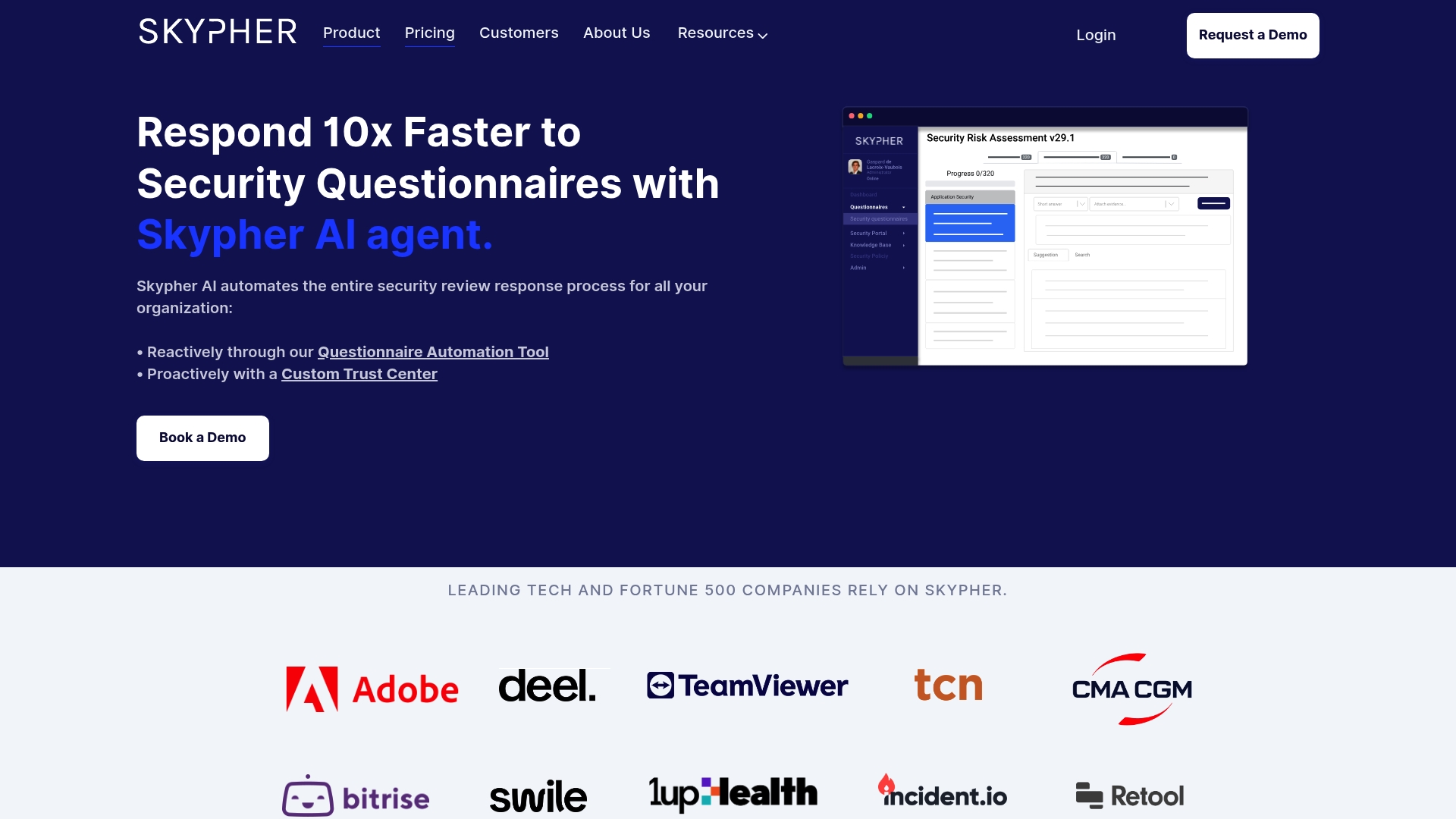
With our AI Questionnaire Automation Tool, you can streamline security reviews at lightning speed. Our platform not only enhances your security posture by ensuring accurate and timely responses to vulnerability assessments, but it also integrates with over 40 third-party risk management platforms. Say goodbye to the stress of managing vulnerability communications and hello to efficient collaboration among your teams.
Don’t wait for a breach to take action! Visit https://skypher.co today and empower your organization with the tools needed to stay ahead of potential cyber threats. Let us assist you in transforming how you tackle vulnerability management and improve operational productivity—act NOW!